Business Best in category 6 results Ecommerce AI Tool

Popular AI tools in the Ecommerce field of Business include Creem、Tutor LMS、Artisse、metrotechs、Magicbean.ai、Help Grid, etc., helping you quickly improve efficiency.

Help Grid

Help Grid

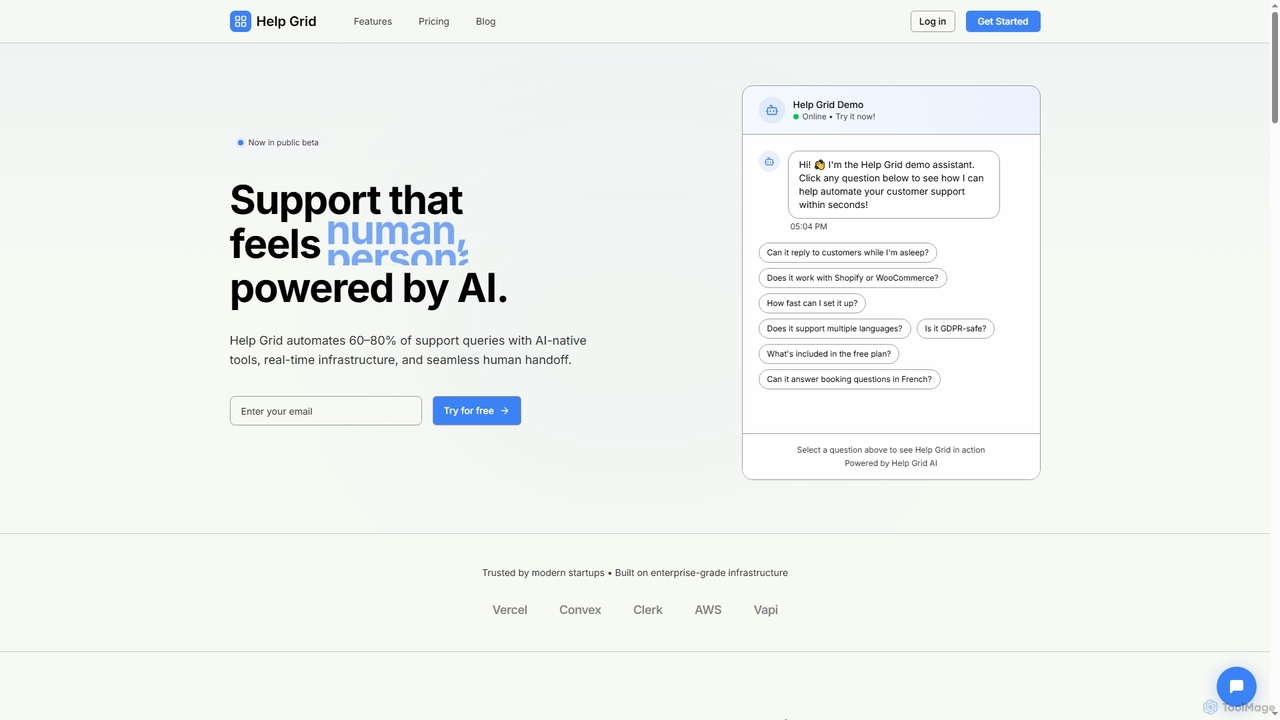
Help Grid is an AI-powered customer support automation platform designed to handle 60-80% of common support queries. It …

3.0K
Magicbean.ai

Magicbean.ai

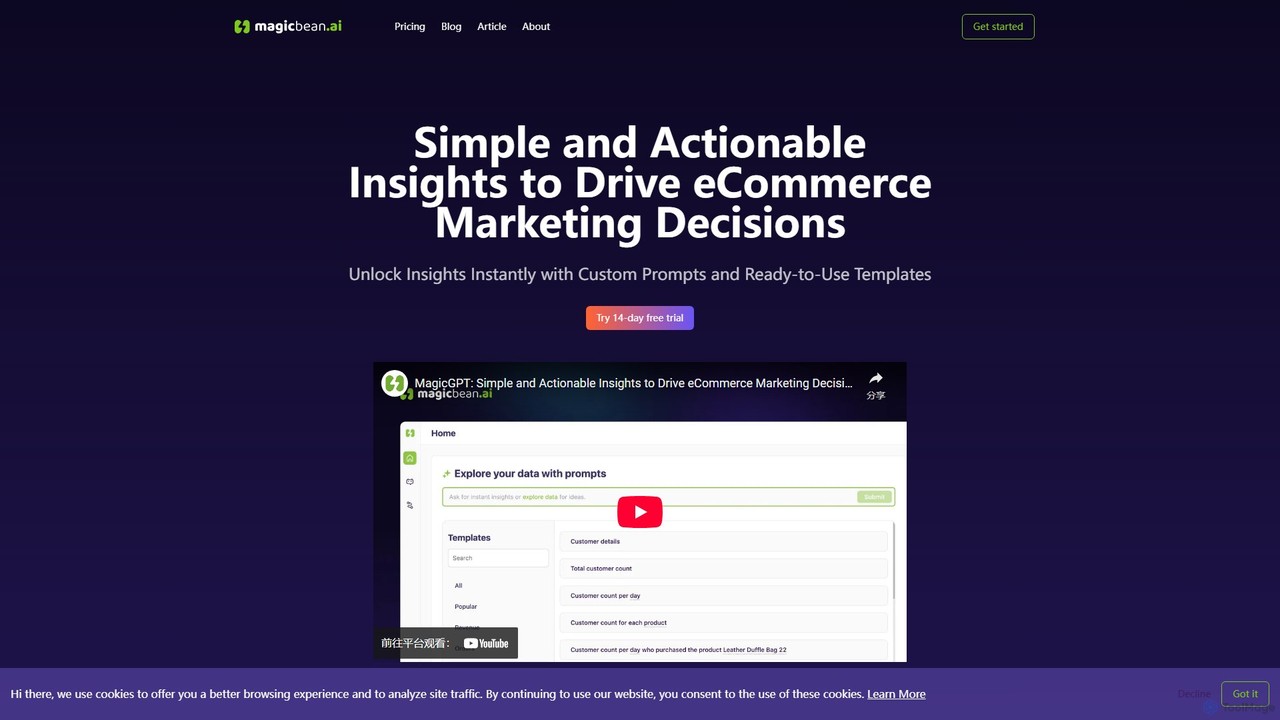
Magicbean.ai is an AI-powered analytics platform designed for eCommerce businesses. It transforms complex data into actionable marketing insights …

5.1K
Tutor LMS

Tutor LMS

Tutor LMS is a powerful, feature-rich WordPress LMS plugin designed to create, manage, and sell online courses. It …

134.4K
metrotechs

metrotechs

Metrotechs is a technology leadership partner for high-growth eCommerce brands. They provide a suite of services, including fractional …

5.2K
Creem

Creem

Creem is a Financial OS for AI startups and global teams, acting as a Merchant of Record to …

442.3K
Artisse

Artisse

Artisse is a powerful AI photo generator for creating hyper-realistic, human-centric images. Using just a single photo, Artisse …

9.0K

About Ecommerce

Ecommerce AI tools are a specialized category of software that automates and optimizes online retail operations using artificial intelligence. These tools leverage machine learning to analyze customer behavior, personalize shopping experiences, and streamline backend processes. By integrating these solutions, online businesses can enhance product discovery, increase conversion rates, and improve customer loyalty. They often feature advanced capabilities like predictive analytics for inventory management and AI-powered dynamic pricing.

Core Features

  • Personalized Recommendations: Analyzes user data to suggest relevant products, increasing cross-sell and upsell opportunities.
  • Dynamic Pricing: Automatically adjusts product prices based on market demand, competitor pricing, and user behavior.
  • AI-Powered Search: Provides more accurate and context-aware search results within an online store, improving product findability.
  • Automated Product Tagging: Uses computer vision to automatically generate descriptive tags for product images, saving manual effort.
  • Churn Prediction: Identifies customers at risk of leaving, allowing for proactive retention campaigns.

Use Cases

These tools are essential for online retailers of all sizes, from small Shopify stores to large multinational marketplaces. Marketing teams use them to create personalized campaigns and automate product description writing. Operations managers rely on them for demand forecasting and inventory optimization. Customer service departments deploy AI chatbots to handle inquiries 24/7, improving response times and user satisfaction.

How to Choose

When selecting an Ecommerce AI tool, first assess your specific needs—are you focused on marketing, logistics, or customer service? Evaluate the tool's integration capabilities with your existing ecommerce platform (e.g., Shopify, Magento, WooCommerce). Consider the scalability of the solution to ensure it can grow with your business. Finally, analyze the pricing model and the level of technical support provided to ensure it aligns with your budget and team's expertise.

EcommerceUse Cases

1

Automate SEO-Friendly Product Descriptions

An online fashion retailer with thousands of products faces the challenge of writing unique and compelling descriptions for each item. Using an Ecommerce AI tool, the content team can input key product attributes like material, style, and occasion. The AI then generates multiple high-quality, keyword-rich description variants. This process reduces the time spent on content creation by over 80%, ensures brand voice consistency, and significantly improves product page SEO, leading to better search engine rankings and organic traffic.

2

Personalize the Customer Shopping Experience

An online electronics store wants to increase its average order value. By implementing an AI-powered recommendation engine, the store can analyze a customer's real-time browsing behavior, purchase history, and items in their cart. Based on this data, the system displays highly relevant 'Frequently Bought Together' or 'You Might Also Like' product carousels. This level of personalization helps customers discover products they might not have found otherwise, leading to a measurable increase in conversion rates and average spending per user.

3

Optimize Pricing Strategy with Dynamic Pricing

A travel booking website needs to adjust flight and hotel prices in real-time based on fluctuating demand, competitor rates, and seasonality. An Ecommerce AI tool with dynamic pricing capabilities continuously monitors these variables and automatically updates prices on the site. For instance, it can increase prices during peak booking periods or offer discounts for last-minute deals to fill inventory. This automated strategy helps the business maximize revenue and maintain a competitive edge without constant manual intervention by a pricing analyst.

4

Improve Customer Support with AI Chatbots

A large online retailer receives thousands of customer queries daily about order status, return policies, and product details. By deploying an AI chatbot on their website and app, they can provide instant, 24/7 answers to these common questions. The chatbot is trained on the company's knowledge base and can handle a high volume of inquiries simultaneously. This frees up human support agents to focus on more complex issues, reduces customer wait times, and improves overall satisfaction. The chatbot can also escalate conversations to a live agent when necessary, ensuring a seamless support experience.

5

Prevent Revenue Loss with Fraud Detection

An ecommerce marketplace processing a high volume of transactions is a target for fraudulent activities like credit card theft and account takeovers. An AI-powered fraud detection system analyzes thousands of data points for each transaction in real-time, including user location, device information, and purchasing patterns. It assigns a risk score and can automatically block suspicious transactions or flag them for manual review. This proactive approach significantly reduces chargebacks and financial losses, protecting both the business and its legitimate customers.

6

Optimize Inventory with Demand Forecasting

A retailer selling seasonal goods needs to avoid overstocking or understocking products. An Ecommerce AI tool analyzes historical sales data, market trends, seasonality, and even external factors like weather forecasts to predict future demand for each product. This provides the operations team with accurate forecasts to optimize purchase orders and stock levels. As a result, the business minimizes storage costs and lost sales due to stockouts, ensuring popular items are always available when customers want them.

EcommerceFrequently Asked Questions