
ToolMage
Sign in

Best 1 Email Marketing AI tools for Business

Popular Email Marketing AI tools in Business include JotPro, helping you work more efficiently.

JotPro
Freemium

JotPro

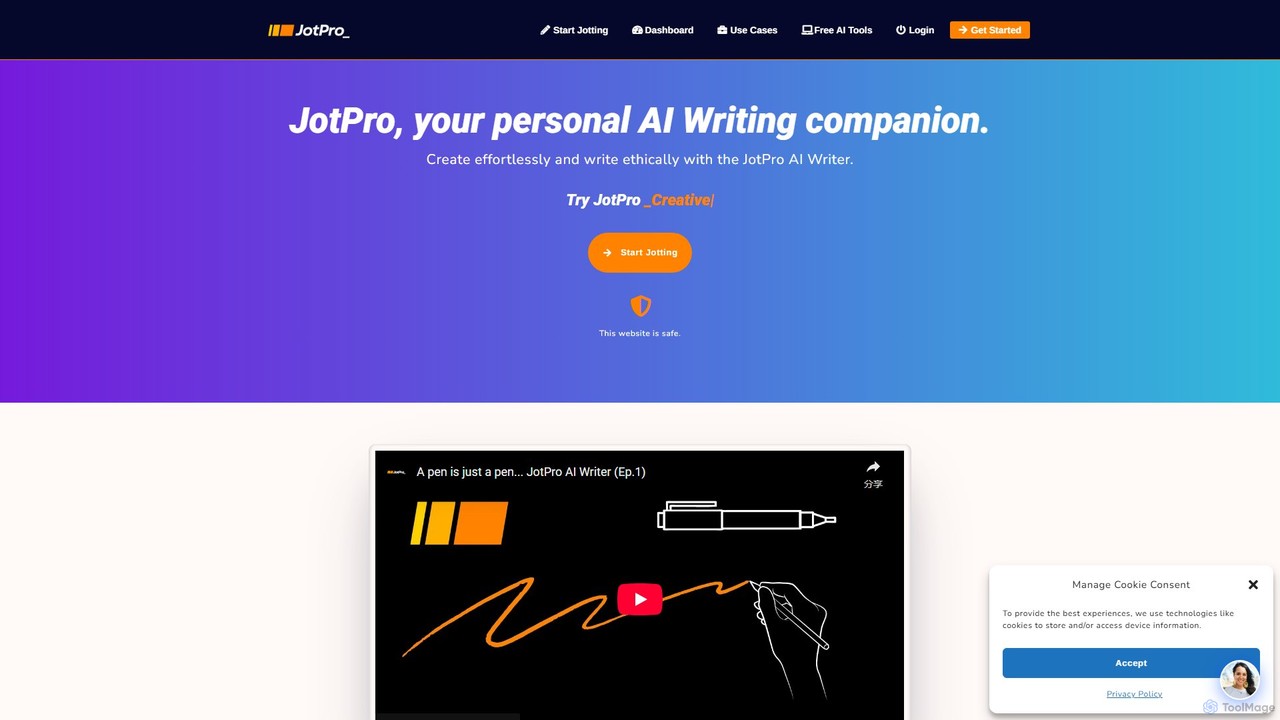
JotPro is an all-in-one AI writing assistant, content generator, and chat companion designed for bloggers, businesses, and content creators. It offers over 53 templates, supports 35+ languages, and includes features like SEO optimization, speech-to-text, and API access to streamline content creation and enhance productivity.

Email Marketing
Visits 6.2KFavorites 107Likes 109

About Email Marketing

AI Email Marketing tools are platforms that leverage artificial intelligence to automate, personalize, and optimize email campaigns. These tools use machine learning algorithms to analyze user data, predict behavior, and generate high-performing content. They enable marketers to deliver hyper-relevant messages at the optimal time, significantly boosting engagement and conversion rates. The core advantage lies in moving beyond static rules to dynamic, data-driven decision-making at scale.

Core Features

  • AI Content Generation: Automatically drafts compelling subject lines, email copy, and calls-to-action.
  • Predictive Personalization: Tailors email content and product recommendations for each recipient based on their behavior.
  • Send-Time Optimization: Determines and sends emails at the precise moment each individual is most likely to engage.
  • Smart Segmentation: Creates dynamic audience segments using predictive analytics and behavioral data.
  • Performance Forecasting: Predicts campaign outcomes such as open rates, click-through rates, and revenue.

Use Cases

These tools are widely used in e-commerce for abandoned cart recovery and personalized promotions. SaaS companies utilize them for lead nurturing and user onboarding, while content creators automate newsletter distribution. B2B marketers also leverage them for sophisticated account-based marketing campaigns.

How to Choose

When selecting a tool, consider its integration capabilities with your existing CRM or e-commerce platform. Evaluate the depth of its AI features—from basic content assistance to advanced predictive analytics. Also, assess the user interface's complexity and whether the pricing model aligns with your contact list size and sending volume.

Email Marketing use cases

1

Automate Personalized E-commerce Welcome Series

An e-commerce manager for an online fashion brand needs to onboard new subscribers effectively. Using an AI Email Marketing tool, they set up a welcome series that adapts in real-time. The AI analyzes a new subscriber's initial browsing behavior and first purchase to personalize subsequent emails. For instance, if a user browsed women's shoes, the second email automatically features best-selling shoes and related accessories. This dynamic personalization, powered by machine learning, results in a higher click-through rate and accelerates the first-to-second purchase journey compared to a generic welcome flow.

2

Generate and Optimize Weekly Newsletters

A solo content creator runs a popular blog and sends a weekly newsletter. To save time and improve engagement, they use an AI tool to assist with content creation. The AI suggests several high-impact subject lines based on the newsletter's content and past performance data. It also helps draft concise summaries of blog posts for the email body. Furthermore, the platform's send-time optimization feature ensures each subscriber receives the newsletter at their personal peak engagement time, maximizing open rates across different time zones.

3

Enhance B2B Lead Nurturing Campaigns

A marketing team at a B2B software company aims to convert more trial users into paying customers. They integrate their AI email platform with their CRM to create a sophisticated lead nurturing workflow. The AI scores leads based on their in-app activity and engagement with previous emails. High-scoring leads automatically receive case studies and personalized demo invitations, while lower-scoring leads get more educational content. This automated, intelligent segmentation ensures that every lead receives the most relevant message, improving conversion rates and freeing up the sales team to focus on hot prospects.

4

Execute Customer Re-engagement Campaigns

A subscription box service wants to reduce customer churn. Their marketing team uses an AI Email Marketing tool with predictive analytics to identify subscribers at risk of canceling. The AI model analyzes factors like login frequency, support tickets, and email engagement. The platform then automatically triggers a re-engagement campaign for this segment, sending personalized offers, surveys to gather feedback, or highlighting new features. This proactive approach helps retain customers who might have otherwise churned silently, directly protecting revenue.

5

A/B Test Campaign Elements at Scale

A digital marketing agency manages email campaigns for multiple clients and needs to continuously optimize performance. They use an AI tool that automates multivariate testing. Instead of manually setting up a few A/B tests for subject lines or calls-to-action, the AI can test dozens of variations simultaneously on a small portion of the audience. It quickly identifies the winning combination of elements and automatically sends the optimized version to the rest of the list. This process dramatically accelerates learning and ensures every campaign is sent in its most effective form.

6

Deliver Dynamic Product Recommendations

A large online retailer wants to increase the average order value from their promotional emails. They use an AI email tool to embed dynamic product recommendation blocks within their campaigns. Unlike static recommendations, these blocks are powered by a real-time AI engine that considers the recipient's recent browsing history, past purchases, and even items currently trending on the site. When a user opens the email, the recommendations are populated at that moment, ensuring maximum relevance. This leads to higher click-through rates on product links and a measurable lift in email-driven sales.

Email Marketing FAQ

What are AI Email Marketing tools?

AI Email Marketing tools are software platforms that use artificial intelligence and machine learning to enhance email campaign performance. They go beyond standard automation by analyzing data to make intelligent decisions. Key capabilities include generating content like subject lines, personalizing email copy for each individual, and optimizing send times. These tools help marketers create more effective campaigns with less manual effort, leading to higher engagement and ROI.

How do AI tools improve email marketing over traditional platforms?

AI tools offer significant advantages over traditional platforms by enabling dynamic, predictive capabilities. While traditional tools rely on pre-set rules and manual segmentation, AI tools can:

  • Predict user behavior: Forecast who is likely to purchase or churn.
  • Hyper-personalize content: Tailor messages and product recommendations for each individual at scale.
  • Automate optimization: Continuously test and refine campaign elements like subject lines and send times automatically.
In essence, AI shifts email marketing from a one-to-many broadcast model to a one-to-one conversation model.

How to choose the right AI Email Marketing tool?

Selecting the right tool depends on your specific needs. Consider these factors:

  • Integration: Ensure it connects seamlessly with your CRM, e-commerce platform, and other marketing tools.
  • AI Feature Depth: Determine if you need basic AI content suggestions or advanced predictive analytics and personalization engines.
  • Ease of Use: Balance powerful features with a user interface that your team can manage effectively.
  • Scalability and Pricing: Choose a plan that accommodates your current contact list size and sending volume, with room to grow.
Start by identifying your primary goal, whether it's saving time, increasing conversions, or improving personalization.

What are the key features of AI-powered email marketing?

The core features of AI-powered email marketing focus on automation and optimization. Common features include:

  • Generative AI for Copy: Creating subject lines, headlines, and body text.
  • Predictive Analytics: Forecasting campaign results and identifying at-risk customers.
  • Smart Segmentation: Automatically grouping users based on predicted behavior.
  • Send-Time Optimization: Delivering emails at the ideal time for each recipient.
  • Dynamic Content Personalization: Adapting email content in real-time based on user data.

Who can benefit from using AI Email Marketing tools?

A wide range of users can benefit from AI Email Marketing tools. E-commerce businesses use them to increase sales through personalized product recommendations and abandoned cart emails. SaaS companies leverage them for automated user onboarding and lead nurturing. Content creators and bloggers can save time by automating newsletter creation and distribution. Even large enterprises use these tools for sophisticated, data-driven campaigns to improve customer loyalty and lifetime value.