ToolMage
Sign in

Best 3 Employee Engagement AI tools for Business

Popular Employee Engagement AI tools in Business include Together Platform, Ubits, and Plai, helping you work more efficiently.

Plai
Freemium

Plai

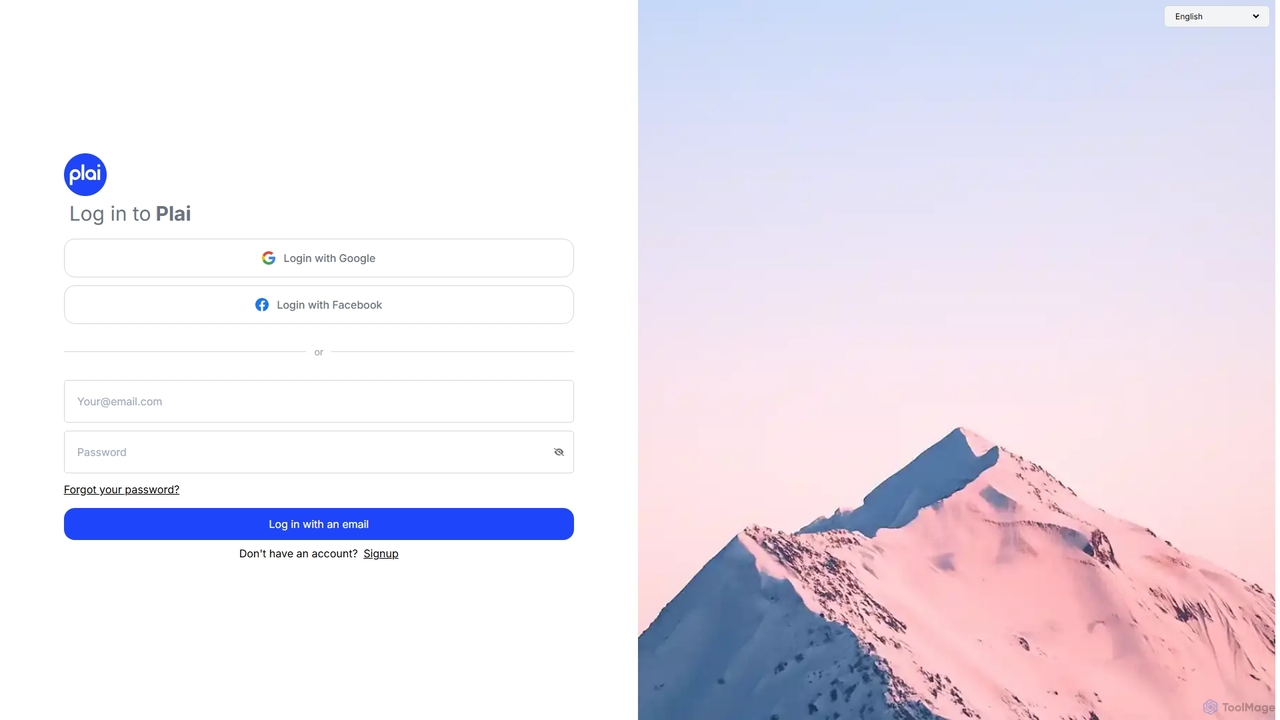
Plai is an AI-powered people and performance management platform designed to help teams set and track OKRs, conduct meaningful performance reviews, and foster a culture of continuous feedback. It streamlines HR processes, boosts employee engagement, and aligns individual goals with company objectives through intelligent analytics and automated workflows.

Employee Engagement
Visits 7.4KFavorites 134Likes 140
Ubits
Paid

Ubits

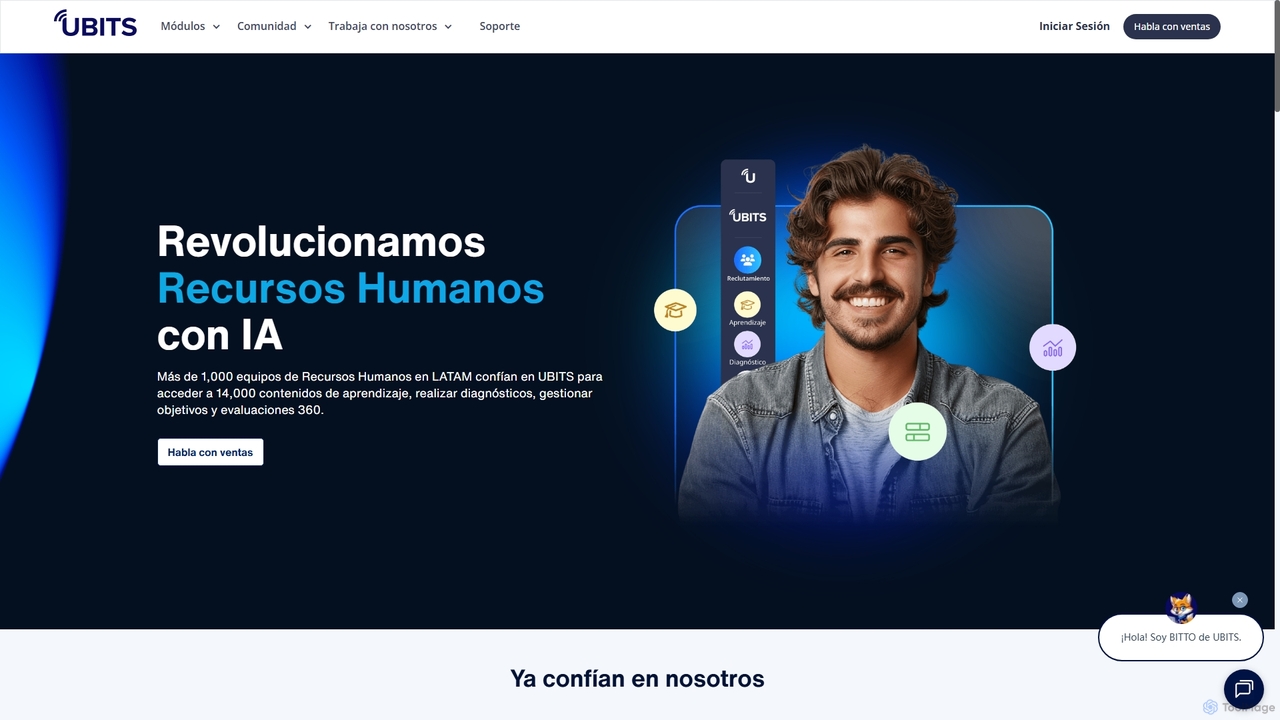
ubits is an all-in-one, AI-powered Human Resources software designed to transform talent management. It integrates learning, performance, diagnostics, and employee surveys into a single platform. Trusted by over 1,000 HR teams, ubits helps organizations develop employee competencies, manage goals, conduct 360° evaluations, and gain actionable insights through advanced analytics to foster a culture of continuous growth and engagement.

Employee Engagement
Visits 64.4KFavorites 138Likes 134
Together Platform
Paid

Together Platform

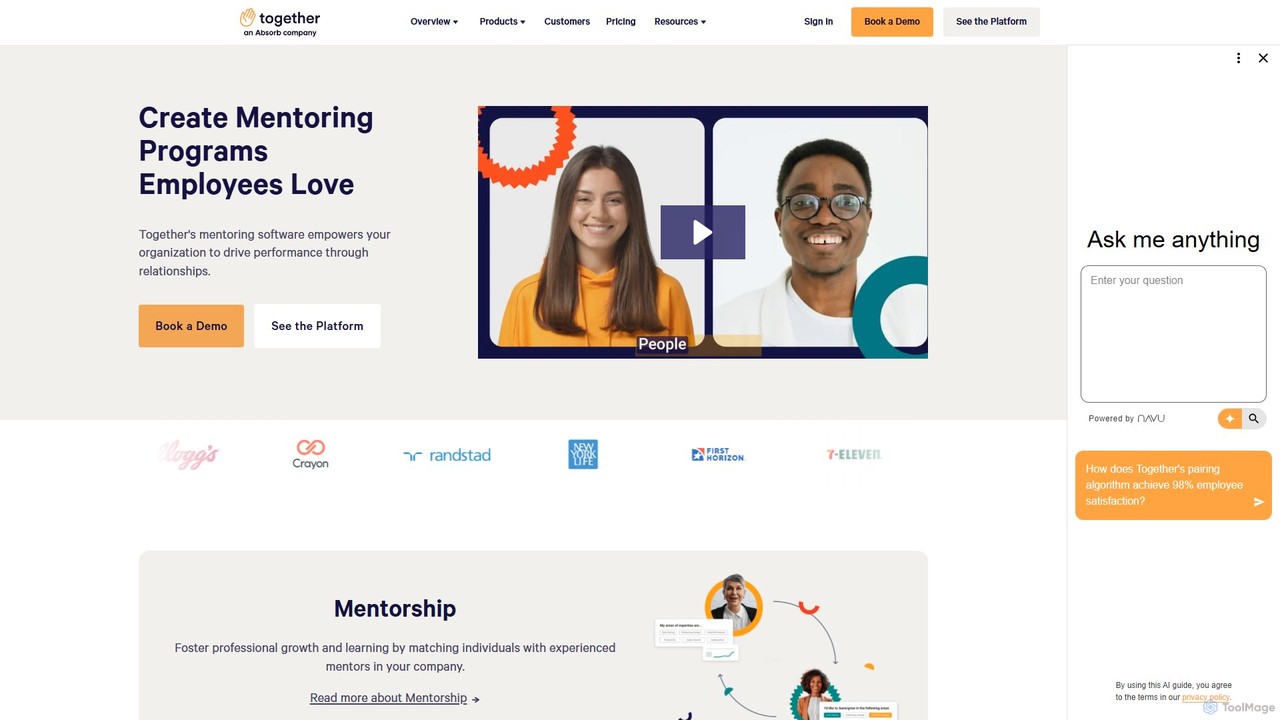
Together Platform is an AI-powered mentoring software for organizations to foster employee growth, enhance retention, and build a connected corporate culture. It automates mentor matching, program management, and impact reporting, making it easy to scale effective development initiatives.

Employee Engagement
Visits 70.6KFavorites 130Likes 141

About Employee Engagement

Employee Engagement tools are AI-powered platforms designed to measure, analyze, and improve workforce morale and commitment. These tools utilize natural language processing (NLP) and machine learning to interpret employee feedback from surveys, communications, and other data points in real-time. They provide organizations with actionable insights to enhance job satisfaction, reduce turnover, and build a positive company culture. Unlike traditional annual surveys, these AI solutions offer continuous listening and predictive analytics to proactively address issues.

Core Features

  • Sentiment Analysis: Automatically analyzes text from surveys and communication channels to gauge employee mood and identify key themes.
  • Predictive Attrition Risk: Uses machine learning models to identify employees or teams at high risk of leaving, enabling proactive intervention.
  • Automated Pulse Surveys: Deploys short, frequent surveys to gather timely feedback on specific topics without causing survey fatigue.
  • Actionable Recommendations: Generates data-driven suggestions for managers and HR leaders to address specific engagement challenges.
  • Recognition & Feedback Platforms: Facilitates peer-to-peer recognition and continuous feedback loops to foster a culture of appreciation.

Use Cases

These tools are primarily used by HR departments, team managers, and executive leadership in mid-to-large enterprises. Industries with high competition for talent, such as technology, finance, and professional services, leverage them to improve retention. They are also critical for organizations undergoing significant change, like mergers or a shift to remote work, to monitor employee sentiment and manage cultural integration.

How to Choose

When selecting an Employee Engagement tool, consider its integration capabilities with your existing HRIS, communication platforms (like Slack or Teams), and other business systems. Evaluate the depth of its analytics, from basic sentiment reporting to predictive modeling. Prioritize platforms that guarantee employee anonymity and data privacy to encourage honest feedback. Finally, assess the tool's scalability to ensure it can support your organization's growth.

Employee Engagement use cases

1

Proactively Reducing Employee Turnover

An HR manager at a fast-growing tech company notices a slight increase in voluntary resignations. Instead of waiting for exit interviews, they use an AI Employee Engagement tool to analyze recent pulse survey comments and anonymous feedback. The platform's predictive analytics model flags a specific engineering department as having a 45% higher attrition risk over the next quarter. The AI identifies key themes of concern: unclear project roadmaps and a lack of recognition. Armed with this data, HR partners with the department head to implement targeted action plans, including clearer communication protocols and a new peer-to-peer awards system, successfully reducing projected turnover by 30%.

2

Improving Manager Effectiveness with AI Coaching

A newly promoted manager is struggling to connect with her remote team. The company's engagement platform collects anonymous feedback and analyzes communication patterns in public channels. The AI generates a confidential report for the manager, highlighting that her team feels their contributions are overlooked and communication is too task-focused. The tool provides personalized micro-coaching modules, suggesting she start weekly meetings with a 'wins of the week' segment and use more recognition emojis in team chats. Over two months, the team's engagement score increases by 15%, and feedback sentiment shifts from neutral to positive.

3

Measuring Post-Merger Culture Integration

Following a major acquisition, a global consulting firm needs to gauge how well the two company cultures are merging. They deploy an AI engagement tool to send out weekly pulse surveys with questions about collaboration, communication, and values alignment. The tool's NLP capabilities analyze open-ended responses, identifying friction points between legacy teams. For example, it highlights that employees from the acquired company feel their processes are being dismissed. This allows the integration team to host targeted workshops and facilitate cross-team projects, improving the overall culture integration score by 20% in six months.

4

Enhancing the Remote Work Experience

A fully remote company uses an engagement platform to combat employee isolation and burnout. The tool integrates with their primary communication platform, analyzing public channel metadata (without reading private messages) to identify teams with low interaction rates or communication happening mostly outside of work hours. The system flags these trends to HR and managers. Based on these insights, the company introduces 'no-meeting Fridays' and virtual social events. Subsequent pulse surveys show a 25% reduction in reported feelings of burnout and a significant increase in scores related to work-life balance.

5

Automating Employee Recognition Programs

A large retail organization wants to foster a stronger culture of appreciation across its hundreds of store locations. They implement an AI engagement tool with a built-in peer-to-peer recognition feature. Employees can give 'kudos' to colleagues directly through a mobile app. The AI analyzes these recognitions, identifying top contributors and positive behaviors aligned with company values. It then automatically drafts posts for internal newsletters and social channels, highlighting these employees and their achievements. This automation saves the HR team over 10 hours per week and increases participation in the recognition program by 200%.

6

Gathering Real-Time Feedback on New Policies

A company is rolling out a new hybrid work policy and wants to understand its immediate impact. Using an AI engagement tool, the HR team launches a targeted pulse survey two weeks after the policy takes effect. The survey asks specific questions about the policy's clarity, fairness, and impact on productivity. The tool's sentiment analysis instantly categorizes thousands of open-ended comments, revealing that while most employees appreciate the flexibility, many managers are unsure how to implement it fairly. This rapid feedback loop allows HR to quickly create and distribute supplementary guidelines for managers, addressing a major concern before it negatively impacts morale.

Employee Engagement FAQ

What are AI Employee Engagement tools?

AI Employee Engagement tools are software platforms that use artificial intelligence, particularly machine learning and natural language processing (NLP), to measure, understand, and improve workforce satisfaction and commitment. They go beyond traditional surveys by providing continuous, real-time analysis of employee feedback from various sources. Key functions include analyzing sentiment in text, predicting which employees are at risk of leaving, and providing data-driven recommendations to managers to help them build stronger, more engaged teams.

How to choose the right Employee Engagement tool?

Choosing the right tool depends on your organization's specific needs. Consider these factors:

  • Integration: Ensure the tool integrates smoothly with your existing systems like HRIS (e.g., Workday, SAP) and communication platforms (e.g., Slack, Microsoft Teams).
  • Analytics Capabilities: Assess the depth of analysis. Do you need basic sentiment tracking or advanced features like predictive attrition modeling and thematic analysis of comments?
  • Anonymity and Privacy: Verify the platform's commitment to protecting employee anonymity. This is crucial for encouraging honest and open feedback.
  • User Experience: The tool should be intuitive and easy to use for both employees providing feedback and managers viewing dashboards and action plans.
  • Scalability: Select a platform that can grow with your company, supporting more employees and potentially more complex analysis as your needs evolve.
What's the difference between Employee Engagement tools and traditional survey software?

The primary difference lies in analysis and actionability. Traditional survey software (like SurveyMonkey or Google Forms) is excellent for collecting data at a single point in time, but it leaves the analysis and interpretation entirely up to you. AI Employee Engagement tools, on the other hand, are designed for continuous listening. They not only collect data through pulse surveys but also analyze it in real-time using AI to identify trends, predict risks like employee turnover, and automatically generate actionable insights and recommendations for managers. They transform raw data into a strategic HR function.

What key features should I look for in an Employee Engagement platform?

When evaluating platforms, prioritize these key features:

  • Sentiment Analysis: The ability to automatically interpret the emotion and themes within open-ended feedback to understand the 'why' behind the scores.
  • Predictive Analytics: Look for models that can forecast attrition risk, identify drivers of engagement, and predict future trends based on current data.
  • Automated & Customizable Surveys: The platform should support various survey types (pulse, lifecycle, ad-hoc) and allow for easy customization and scheduling.
  • Actionable Manager Dashboards: Dashboards should present data clearly and, more importantly, provide concrete, data-backed recommendations and resources for managers to act upon.
  • Robust Integrations: The ability to connect with tools your organization already uses (HRIS, Slack, Teams, etc.) is essential for seamless data flow and user adoption.
Who in a company benefits most from using Employee Engagement tools?

Multiple groups within a company benefit significantly:

  • HR Leaders: Gain strategic, organization-wide insights into workforce health, identify systemic issues, and can more accurately predict and manage employee turnover.
  • Team Managers: Receive real-time, specific feedback about their teams, along with AI-powered recommendations to help them become more effective leaders and improve team morale.
  • Executive Leadership: Get a clear, data-driven view of company culture and employee morale, which are critical indicators of long-term business success and organizational resilience.
  • Employees: Are given a confidential and effective channel to voice their opinions and feel heard, leading to a more positive and responsive work environment.