Business Best in category 1 results Facility Management AI Tool

Popular AI tools in the Facility Management field of Business include Sistem Expert, etc., helping you quickly improve efficiency.

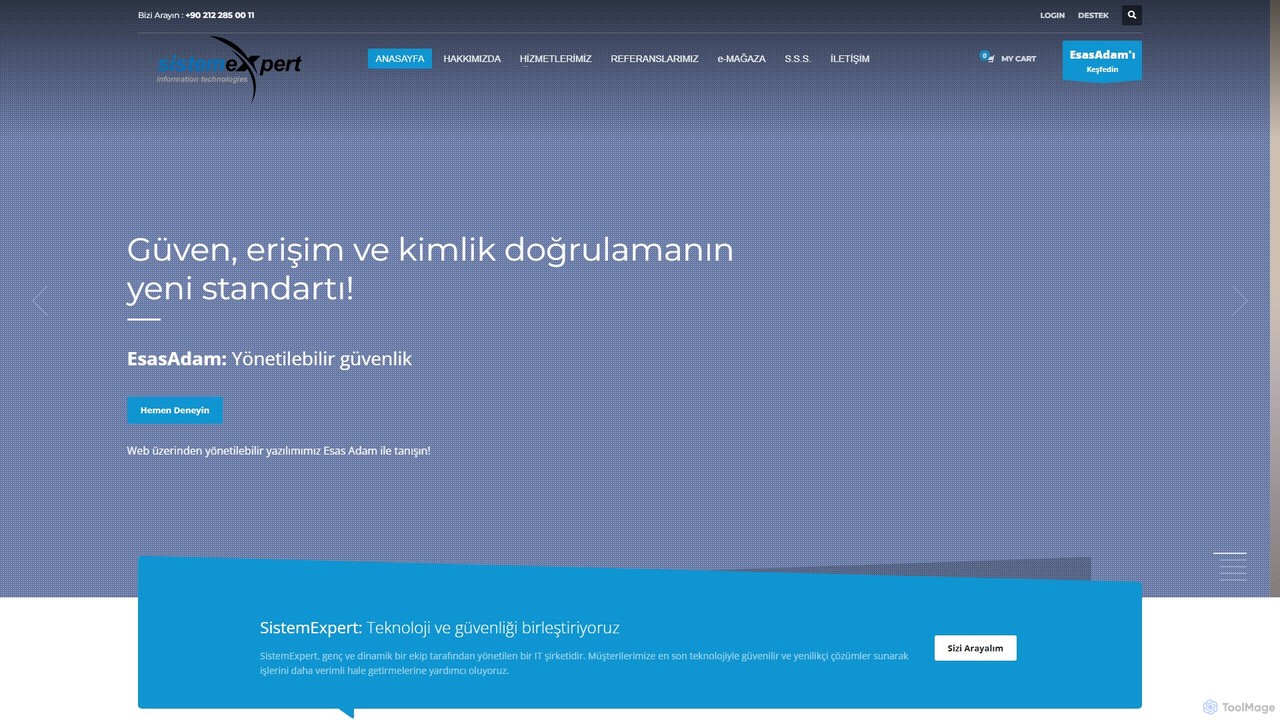
Sistem Expert

Sistem Expert

Sistem Expert provides integrated IT and security solutions, specializing in AI-powered biometric access control. They offer comprehensive systems …

3.0K

About Facility Management

AI-powered Facility Management tools are specialized platforms that leverage artificial intelligence to optimize the operation, maintenance, and management of buildings and infrastructure. These systems utilize machine learning, IoT data, and predictive analytics to enhance efficiency, reduce operational costs, and improve the overall occupant experience. They provide a centralized, intelligent approach to managing assets, spaces, and services, transforming reactive maintenance into proactive, data-driven strategies.

Core Features

  • Predictive Maintenance: AI algorithms analyze sensor data and historical performance to forecast equipment failures, enabling proactive repairs and minimizing downtime.
  • Space Optimization: Tools use occupancy data and AI to suggest optimal space utilization, improving layout efficiency and resource allocation.
  • Energy Management: AI monitors and adjusts HVAC, lighting, and other systems in real-time to reduce energy consumption and operational costs.
  • Asset Tracking & Management: Digital twins and AI-driven databases provide comprehensive oversight of all facility assets, from acquisition to disposal.
  • Work Order Automation: AI streamlines the creation, assignment, and tracking of maintenance requests, improving response times and service delivery.

Applicable Scenarios

These tools are indispensable for commercial real estate firms managing large portfolios, industrial facilities optimizing complex machinery, and corporate campuses seeking to enhance employee comfort and resource efficiency. They are also vital for public infrastructure management, ensuring the longevity and optimal performance of critical assets.

How to Choose

When selecting an AI Facility Management solution, consider its integration capabilities with existing systems (BMS, ERP), the depth of its predictive analytics, scalability for future growth, and the intuitiveness of its user interface. Evaluate its specific modules for energy, space, and asset management, ensuring they align with your organization's primary operational challenges and sustainability goals.

Facility ManagementUse Cases

1

Optimizing Energy Consumption in Commercial Buildings

Facility managers in commercial real estate utilize AI-powered tools to analyze real-time sensor data from HVAC systems, lighting, and other utilities. The AI identifies inefficiencies, predicts peak demand, and automatically adjusts settings to reduce energy waste. This proactive approach can lead to significant reductions in utility bills, often by 15-25%, and contributes to achieving sustainability goals by minimizing the carbon footprint of large buildings.

2

Automating Predictive Maintenance for Industrial Equipment

In manufacturing plants, maintenance teams leverage AI facility management tools to monitor the health of critical industrial machinery. By collecting data from vibration sensors, temperature gauges, and operational logs, the AI predicts potential equipment failures before they occur. This allows for scheduled, proactive maintenance, significantly reducing unexpected downtime and costly emergency repairs, potentially extending asset lifespan by 20%.

3

Optimizing Space Utilization in Corporate Offices

Corporate facility managers employ AI tools to analyze real-time occupancy data from sensors and access control systems. The AI identifies underutilized areas, peak usage times, and patterns of movement, providing insights to optimize office layouts, reconfigure workspaces, and improve employee flow. This leads to more efficient use of expensive office real estate, potentially reducing space-related costs by 10-15% and enhancing employee collaboration and satisfaction.

4

Enhancing Occupant Experience in Smart Buildings

Building operators use AI facility management systems to create a more comfortable and responsive environment for occupants. AI can personalize climate control based on individual preferences, optimize lighting for natural light availability, and even predict elevator demand to minimize wait times. This leads to higher occupant satisfaction, improved productivity, and a more attractive building for tenants, potentially increasing tenant retention rates by 5-10%.

5

Streamlining Work Order Management for Maintenance Teams

Maintenance teams in large facilities utilize AI-driven work order systems to automate and optimize their daily tasks. When an issue is reported (e.g., a leaky faucet), the AI automatically creates a work order, assigns it to the most suitable technician based on skill and location, and tracks its progress. This reduces manual administrative burden, improves response times by up to 30%, and ensures that maintenance issues are resolved efficiently, enhancing operational continuity.

6

Centralized Asset Management for Multi-Site Organizations

For organizations with multiple facilities, AI-powered facility management provides a unified platform for comprehensive asset tracking and management across all locations. The AI creates digital twins of assets, monitors their condition, tracks depreciation, and manages their lifecycle from procurement to disposal. This centralized visibility ensures consistent asset performance, simplifies compliance, and enables strategic capital planning, leading to a 10-20% improvement in asset utilization and cost control.

Facility ManagementFrequently Asked Questions