ToolMage
Sign in

Best 8 Fleet Management AI tools for Business

Popular Fleet Management AI tools in Business include Netradyne, Yassir, Tracking, Tenderd, Transmetrics, RideAI, naav, and Pathway, helping you work more efficiently.

Yassir
Freemium

Yassir

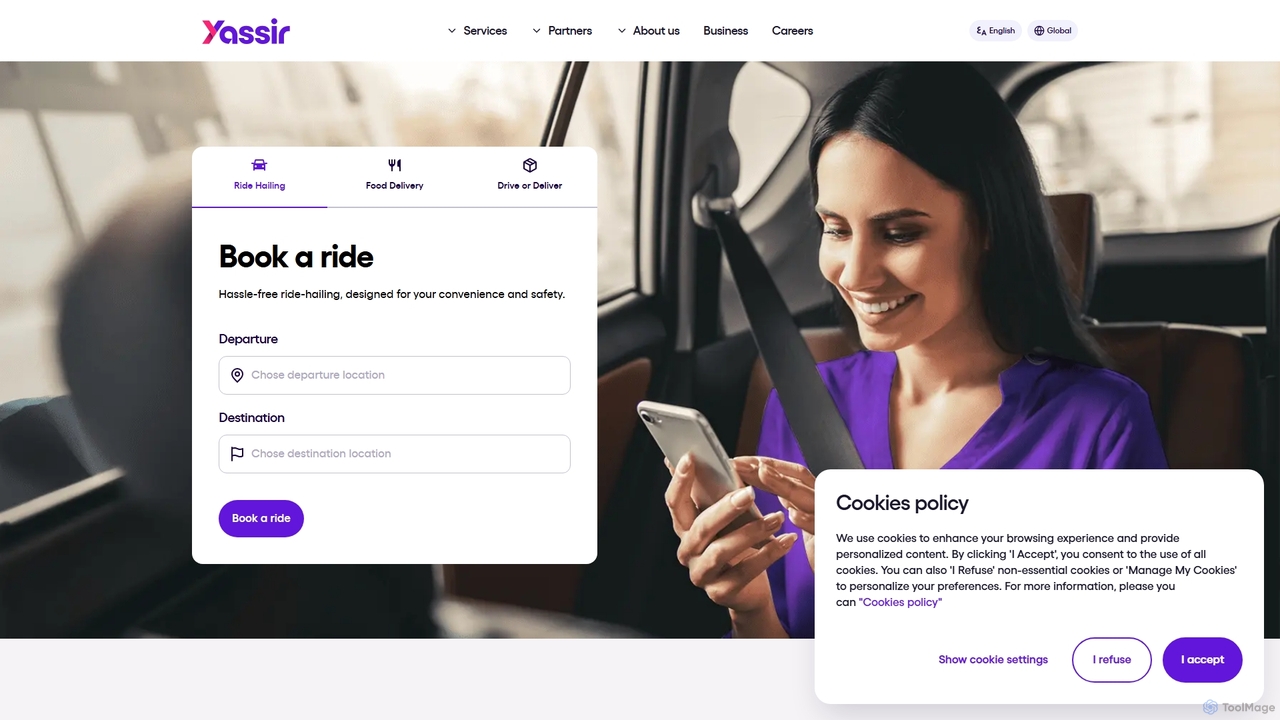
Yassir is an all-in-one super app providing on-demand services including ride-hailing, food and grocery delivery, and financial services. Leveraging AI for logistics optimization, dynamic pricing, and personalized recommendations, Yassir aims to simplify daily life for millions of users across Africa and beyond. It also offers income opportunities for drivers and delivery partners, and B2B solutions for corporate transportation management.

Fleet Management
Visits 281.3KFavorites 112Likes 121
Tenderd

Tenderd

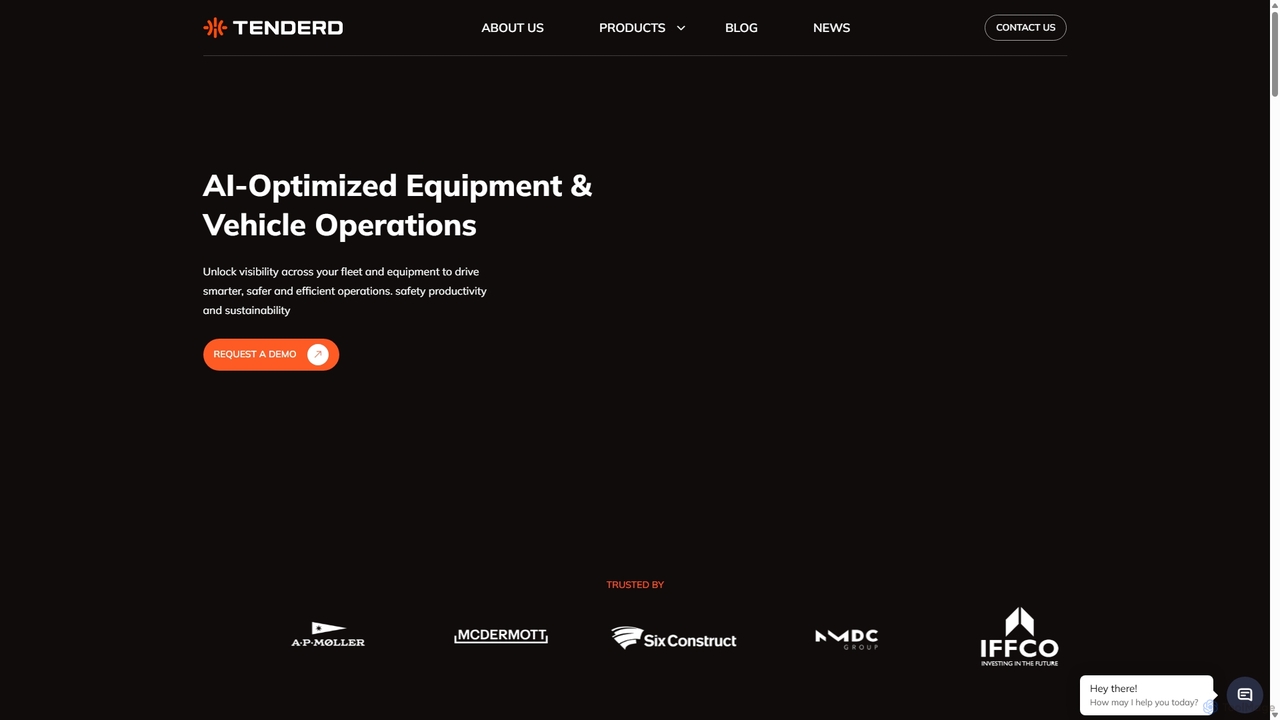
Tenderd is an AI-powered platform for heavy equipment and fleet management. It provides total operational visibility, helping industries like construction, logistics, and energy optimize productivity, enhance safety, and improve sustainability. It uses real-time data and advanced analytics to reduce costs, cut emissions, and streamline workflows.

Business Intelligence
Visits 7.1KFavorites 142Likes 134
RideAI
Freemium

RideAI

RideAI is an intelligent platform for transportation logistics and fleet management. It uses AI to provide real-time route optimization, demand forecasting, and predictive maintenance, helping businesses in delivery, ride-sharing, and logistics reduce costs, improve efficiency, and enhance customer satisfaction.

Fleet Management
Visits 6.2KFavorites 127Likes 104
Tracking
Paid

Tracking

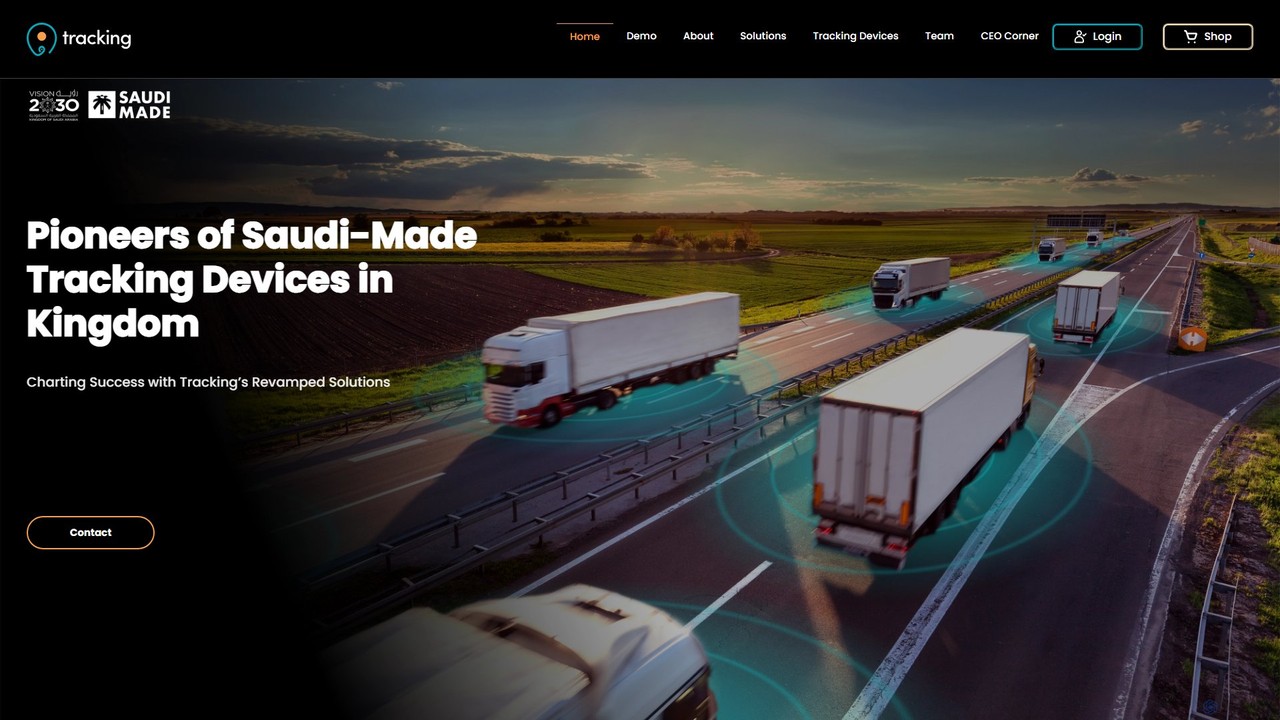
Tracking is a specialized B2B technology provider based in Saudi Arabia, offering comprehensive GPS tracking and fleet management solutions. It delivers customized systems for various industries, including logistics, car rentals, oil & gas, and waste management. The platform enhances operational efficiency, improves asset security, and promotes driver safety through real-time monitoring, advanced analytics, and specialized hardware like dashcams and sensors.

Fleet Management
Visits 9.3KFavorites 145Likes 158
Netradyne
Paid

Netradyne

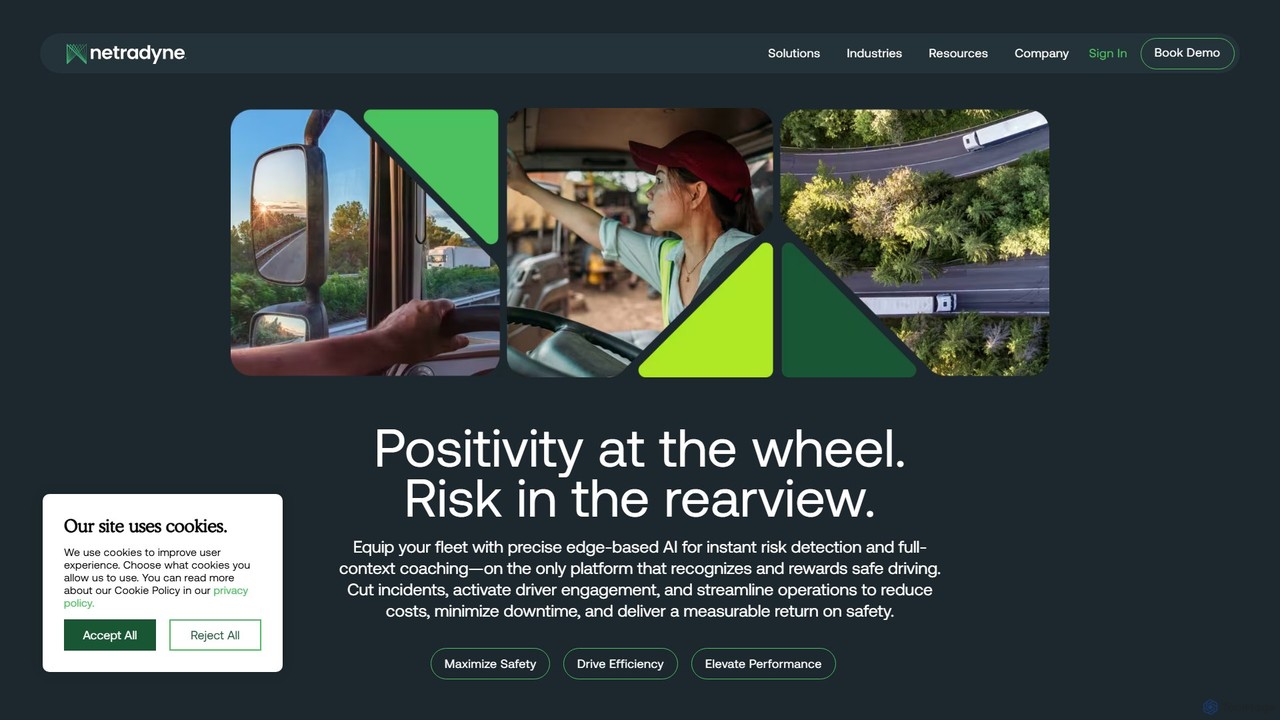
Netradyne is an AI-powered fleet safety and management platform featuring the Driver•i camera system. It analyzes 100% of drive time to provide real-time in-cab alerts, driver coaching, and comprehensive video data. The platform helps reduce risk, exonerate drivers, improve safety culture through positive reinforcement, and enhance overall operational efficiency for commercial fleets.

Compliance
Visits 601.8KFavorites 155Likes 133
naav
Freemium

naav

naav is an AI-powered route planning and logistics optimization platform for businesses. It intelligently calculates the most efficient multi-stop routes for delivery, sales, and service fleets, helping to save significant time, fuel, and operational costs while improving customer satisfaction.

Fleet Management
Visits 5.6KFavorites 136Likes 159
Transmetrics
Paid

Transmetrics

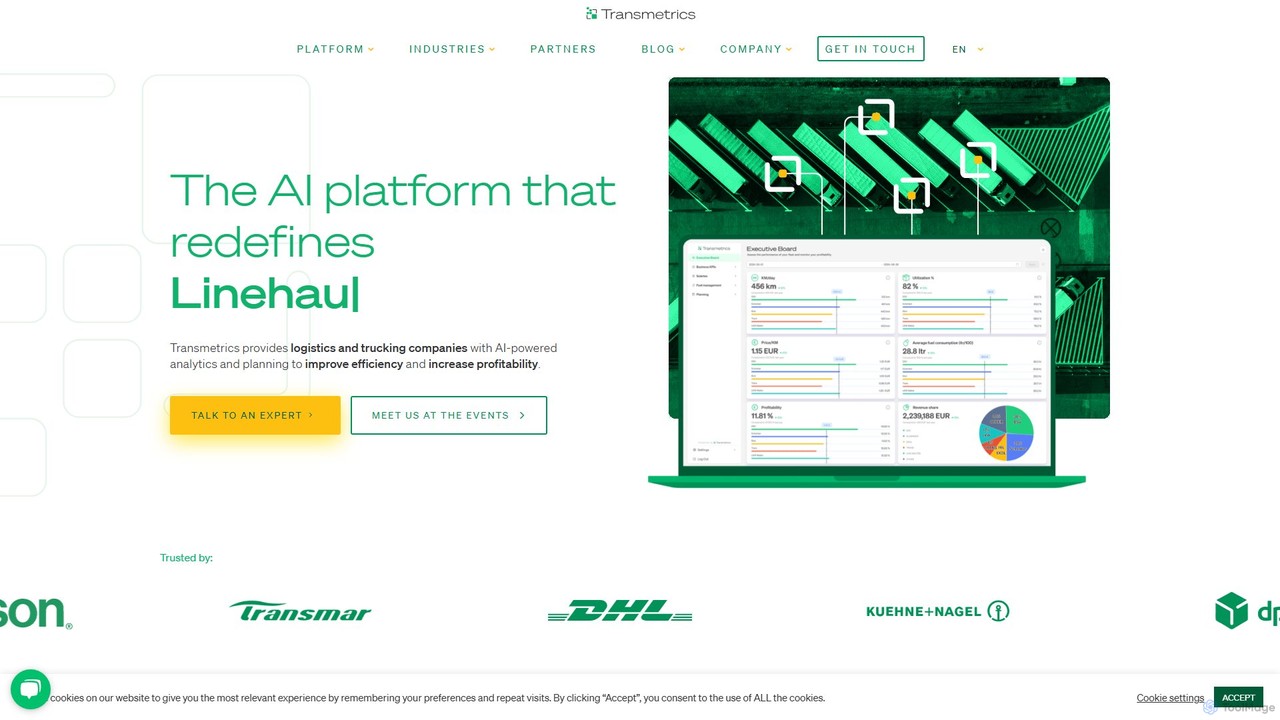
Transmetrics is an AI-powered logistics platform designed to redefine the trucking and shipping industries. It leverages predictive analytics, big data, and generative AI to help companies optimize fleet management, reduce operational costs, increase profitability, and enhance overall supply chain efficiency through data-driven insights and automation.

Fleet Management
Visits 6.9KFavorites 150Likes 158
Pathway
Paid

Pathway

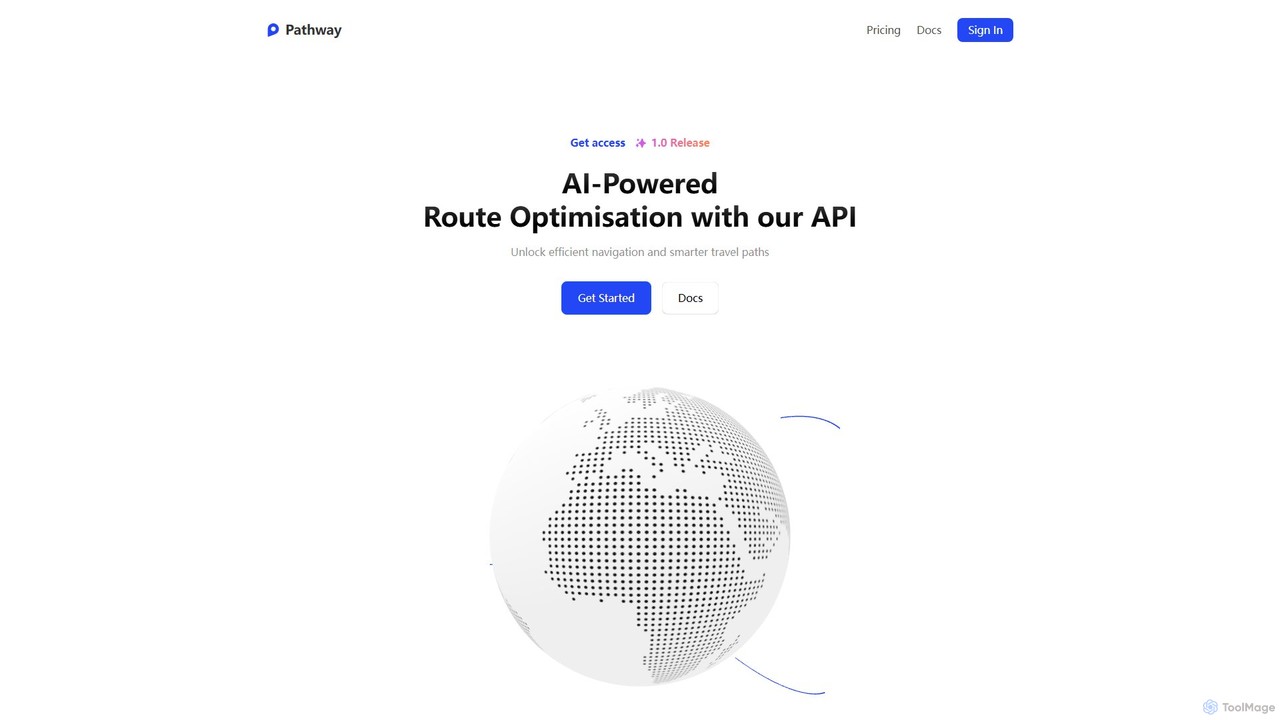
Pathway offers an AI-powered route optimization API designed for businesses to create the most efficient travel paths. It helps logistics, ride-sharing, and service industries save time and money by intelligently planning multi-stop routes, considering real-time traffic and other constraints.

Fleet Management
Visits 5.5KFavorites 132Likes 125

About Fleet Management

Fleet Management tools are AI-powered solutions designed to optimize the operation, maintenance, and strategic planning of vehicle fleets. These systems leverage advanced data analytics, machine learning, and IoT sensor data to provide real-time insights into vehicle performance, driver behavior, and logistical efficiency. They help businesses reduce operational costs, enhance safety, improve asset utilization, and ensure regulatory compliance across their entire fleet.

Core Features

  • Real-time Tracking & Monitoring: Provides live location data, route history, and operational status of all vehicles.
  • Predictive Maintenance: Uses AI to forecast potential equipment failures, scheduling maintenance proactively to minimize downtime.
  • Route Optimization: Algorithms analyze traffic, weather, and delivery schedules to suggest the most efficient routes.
  • Driver Behavior Analysis: Monitors driving patterns, identifies risky behaviors, and offers insights for safety training.
  • Fuel Management: Tracks fuel consumption, identifies inefficiencies, and helps reduce overall fuel costs.

Use Cases

Businesses across various sectors, from logistics and transportation to field service and public utilities, utilize AI-driven fleet management. These tools are crucial for operations managers needing to oversee hundreds of vehicles, dispatchers optimizing daily routes, and finance teams aiming to control operational expenditures and extend asset lifespans.

How to Choose

When selecting a fleet management solution, consider the scale of your fleet, specific operational needs (e.g., long-haul, last-mile delivery, heavy equipment), and integration capabilities with existing ERP or logistics systems. Evaluate features like real-time data accuracy, predictive analytics depth, customization options for reporting, and the vendor's support for compliance and security standards. Scalability and user-friendliness for dispatchers and drivers are also critical.

Fleet Management use cases

1

Optimizing Delivery Routes for E-commerce Logistics

E-commerce logistics companies use AI fleet management to analyze real-time traffic, weather, and delivery schedules. The system automatically generates the most efficient routes for hundreds of delivery vehicles, minimizing travel time and fuel consumption, ensuring timely deliveries, and reducing operational costs by up to 15%.

2

Proactive Maintenance Scheduling for Heavy Equipment Fleets

Construction or mining companies with large fleets of heavy machinery leverage predictive maintenance features. AI analyzes sensor data from engines, tires, and hydraulic systems to detect early signs of wear or malfunction, scheduling maintenance before breakdowns occur. This prevents costly downtime and extends the lifespan of expensive assets.

3

Enhancing Driver Safety and Compliance in Transportation

Long-haul trucking companies implement AI fleet management to monitor driver behavior, including speeding, harsh braking, and fatigue. The system provides real-time alerts and generates performance reports, enabling targeted training programs that reduce accident rates by 20% and ensure compliance with safety regulations.

4

Managing Field Service Technician Vehicles Efficiently

Utility or HVAC service providers use these tools to dispatch field technicians. The system assigns jobs based on technician location, skill set, and vehicle availability, optimizing service routes and minimizing response times. This improves customer satisfaction and allows technicians to complete more service calls daily.

5

Tracking Asset Utilization and Preventing Theft for Rental Fleets

Vehicle rental companies utilize GPS tracking and geofencing capabilities to monitor the location and usage of their fleet. This helps prevent unauthorized use or theft, ensures vehicles are returned on time, and provides data on asset utilization to optimize inventory and maintenance schedules.

6

Automating Fuel Consumption Monitoring and Cost Reduction

Any business with a significant vehicle fleet can use AI to monitor fuel consumption patterns across individual vehicles and the entire fleet. The system identifies inefficient driving habits or vehicle issues contributing to excessive fuel use, providing actionable insights to reduce fuel costs by 10-20% annually.

Fleet Management FAQ

What are AI-powered Fleet Management tools?

AI-powered Fleet Management tools are software solutions that use artificial intelligence, machine learning, and data analytics to automate and optimize the complex tasks involved in managing a fleet of vehicles. They go beyond basic GPS tracking to offer predictive insights, intelligent route planning, and automated reporting, transforming raw data into actionable strategies for efficiency and cost savings.

How do AI Fleet Management solutions differ from traditional GPS tracking systems?

While traditional GPS tracking systems primarily provide real-time location data and basic route history, AI Fleet Management solutions offer a much deeper level of analysis and automation. AI systems integrate GPS data with other telematics, sensor, and operational data to predict maintenance needs, optimize routes dynamically, analyze driver behavior for safety, and automate compliance reporting, providing comprehensive operational intelligence.

What are the key benefits of implementing AI in Fleet Management?

Implementing AI in fleet management brings several key benefits, including significant reductions in operational costs through optimized routes and fuel efficiency, enhanced vehicle uptime due to predictive maintenance, improved driver safety through behavior monitoring, and better asset utilization. It also streamlines administrative tasks, ensures regulatory compliance, and provides data-driven insights for strategic decision-making.

Who typically uses AI Fleet Management tools?

AI Fleet Management tools are primarily used by businesses that operate a fleet of vehicles, regardless of size or industry. This includes logistics and transportation companies, field service providers, construction firms, public utility departments, rental car agencies, and any organization managing a significant number of commercial vehicles, from small vans to heavy trucks and specialized equipment.

What factors should I consider when choosing an AI Fleet Management system?

When selecting an AI fleet management system, consider your fleet size and type, specific operational challenges (e.g., last-mile delivery, long-haul, heavy equipment), and budget. Key features to evaluate include real-time tracking accuracy, depth of predictive analytics, route optimization capabilities, driver safety monitoring, fuel management tools, and integration with existing business systems. Also, assess the vendor's support, scalability, and data security protocols.