AI Lab
AI Lab is a no-code visual workspace for building machine learning models and data science pipelines. It enables …
AI Lab is a no-code visual workspace for building machine learning models and data science pipelines. It enables users of all technical levels to create, train, and deploy AI applications through an intuitive drag-and-drop interface, accelerating development and making AI accessible.
Alemia
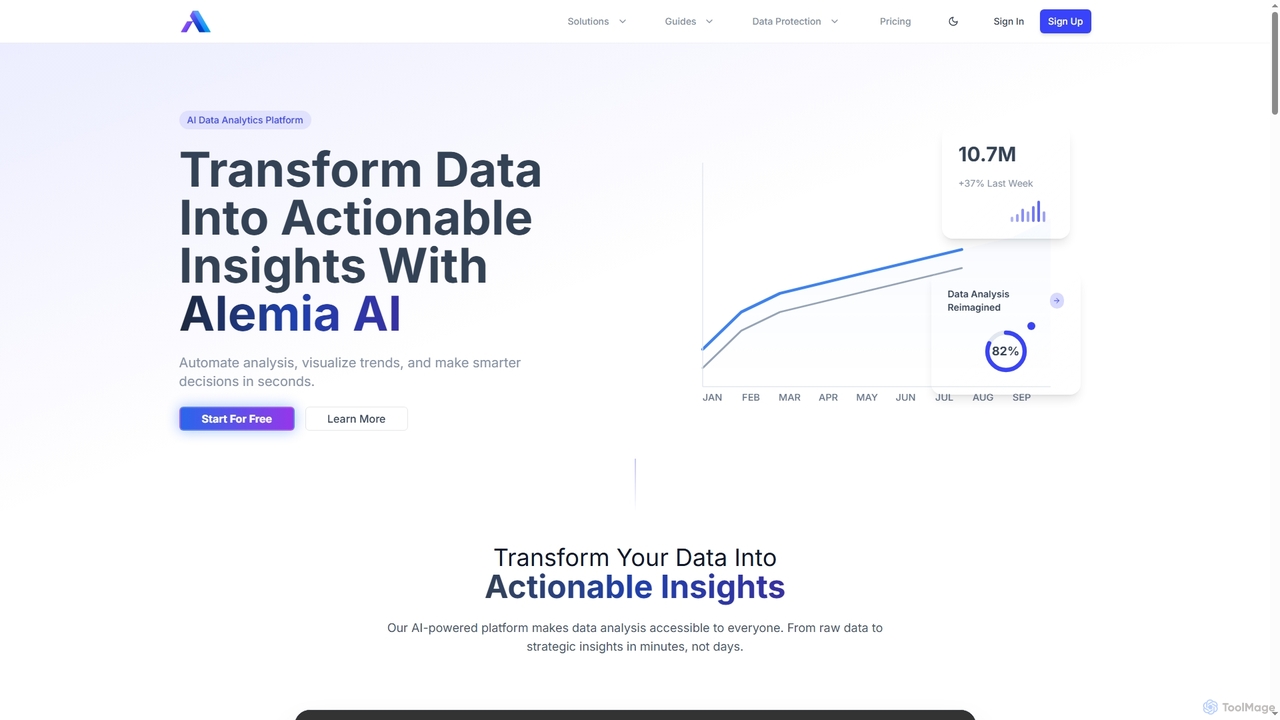
Alemia is an AI-powered data analytics platform that transforms raw data into actionable insights, visualizations, and reports. It …
Alemia is an AI-powered data analytics platform that transforms raw data into actionable insights, visualizations, and reports. It enables users to ask questions in plain English and receive instant, intelligent analysis, making data-driven decision-making accessible to everyone without requiring technical skills.
Asknostradamus
AskNostradamus is an AI-powered predictive analytics platform that transforms complex data into actionable future insights. By leveraging advanced …
AskNostradamus is an AI-powered predictive analytics platform that transforms complex data into actionable future insights. By leveraging advanced machine learning, it allows users to ask natural language questions about market trends, business forecasts, and technological shifts. Get data-driven predictions, model 'what-if' scenarios, and gain a competitive edge by anticipating future changes with confidence and clarity. Ideal for strategists, analysts, and decision-makers.
Assisty
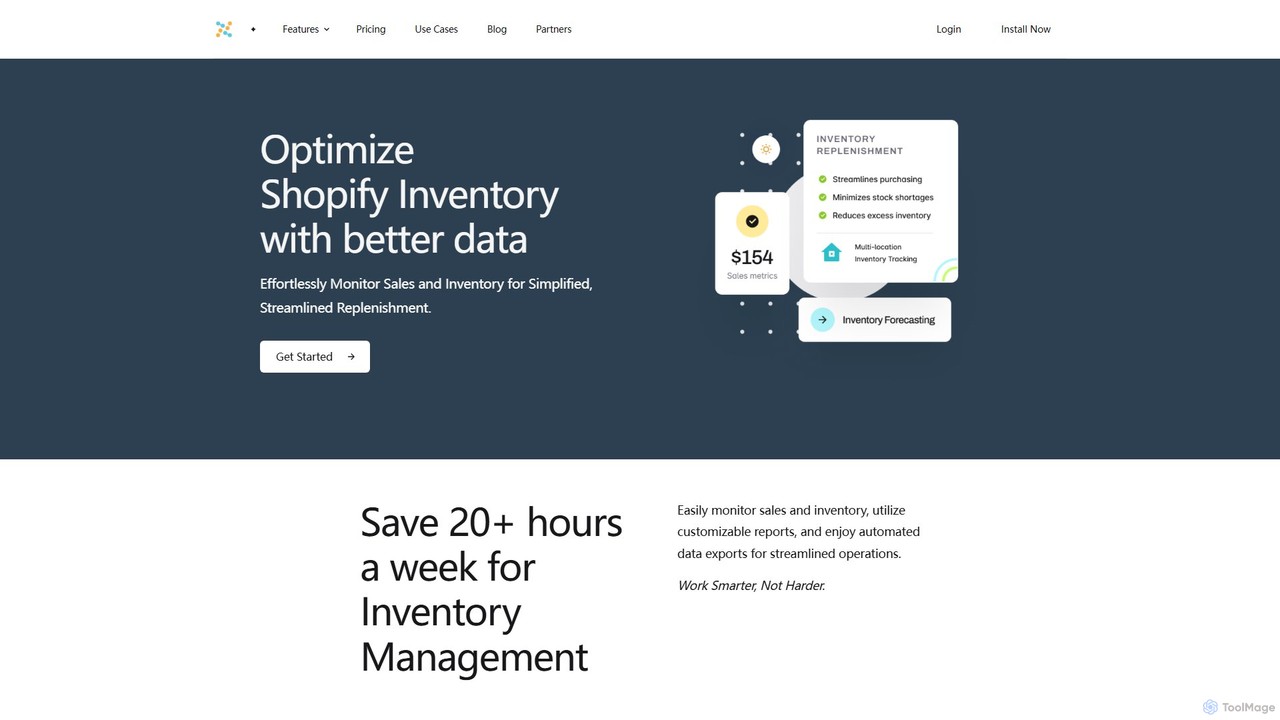
Assisty is an AI-powered inventory management and forecasting application for Shopify merchants. It helps businesses optimize stock levels, …
Assisty is an AI-powered inventory management and forecasting application for Shopify merchants. It helps businesses optimize stock levels, automate replenishment, and make data-driven decisions to prevent stockouts and overstocking, ultimately improving efficiency and profitability.
Prediko
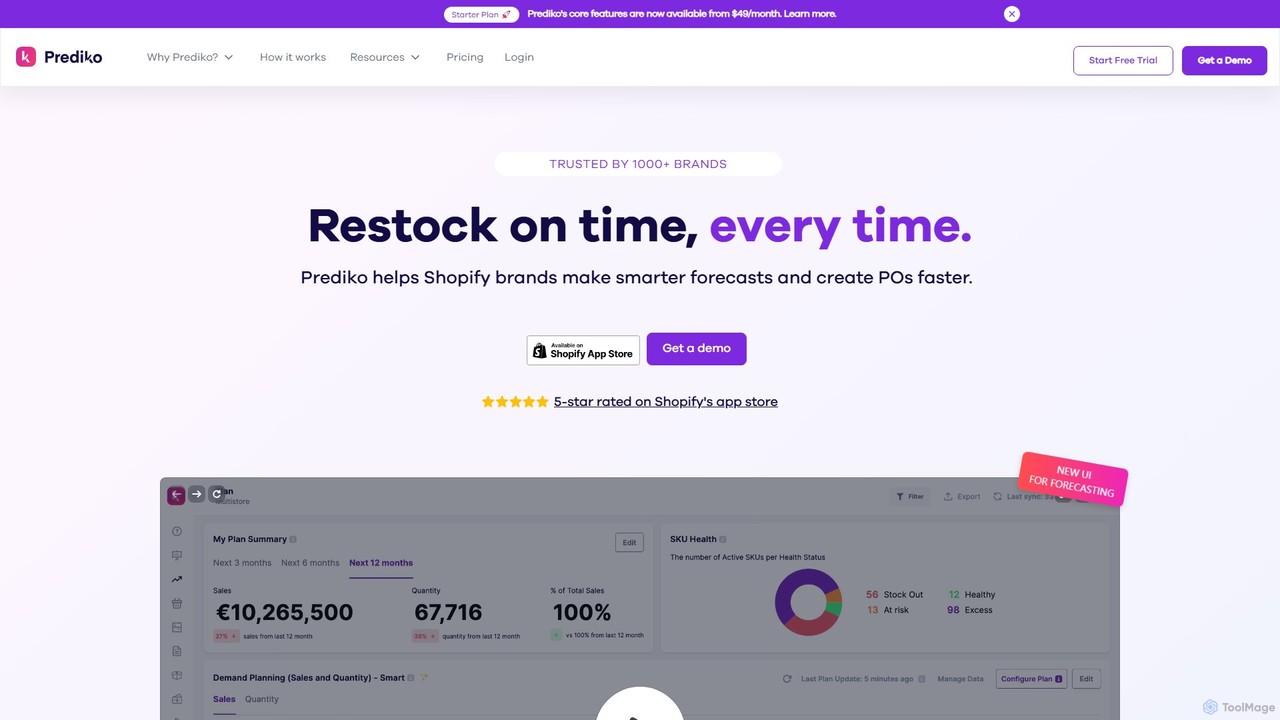
Prediko is an AI-powered inventory management and planning platform designed for Shopify brands. It uses AI to provide …
Prediko is an AI-powered inventory management and planning platform designed for Shopify brands. It uses AI to provide accurate demand forecasting, supply planning, and purchase order management. The tool helps e-commerce businesses prevent stockouts, reduce overstock, and optimize cash flow, ultimately saving time and increasing revenue.
Lineup.ai
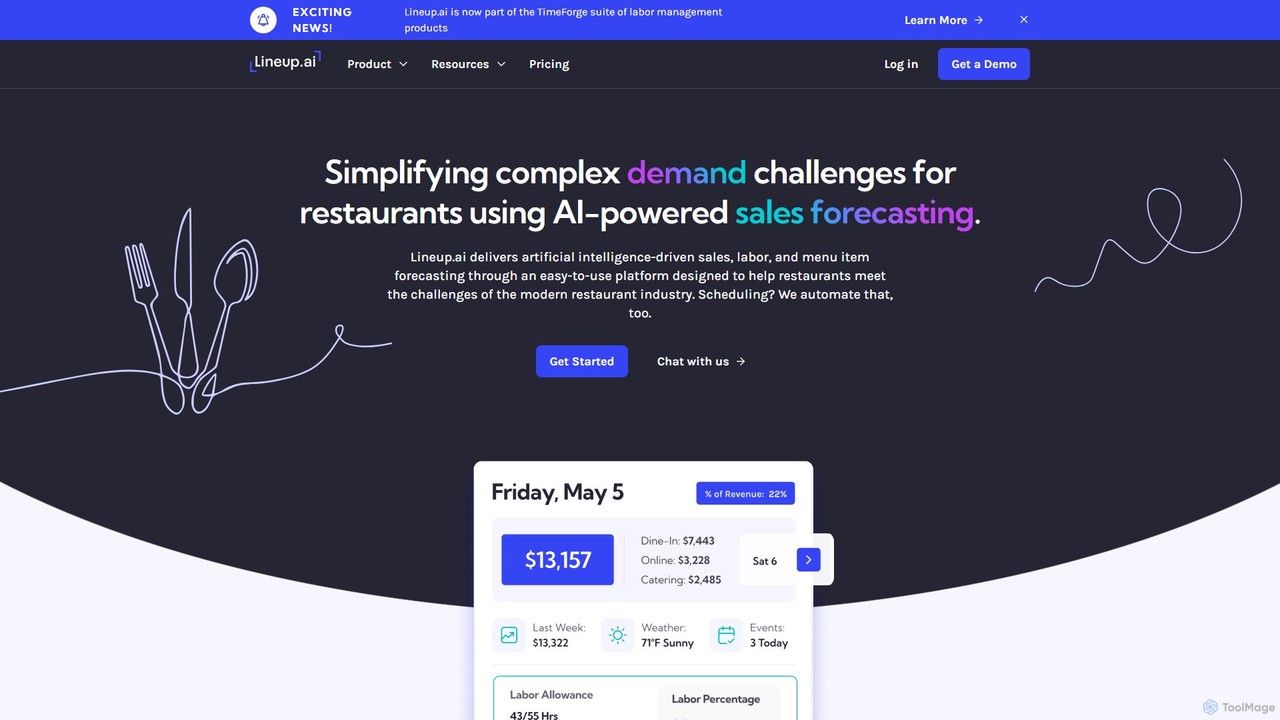
Lineup.ai is an AI-powered forecasting and scheduling platform for the restaurant industry. It delivers highly accurate sales, labor, …
Lineup.ai is an AI-powered forecasting and scheduling platform for the restaurant industry. It delivers highly accurate sales, labor, and menu item forecasts by analyzing historical data, weather, and local events. The platform automates scheduling, optimizes labor costs, reduces food waste, and provides actionable analytics to improve profitability and operational efficiency for restaurants of any size.
ASK BOSCO®
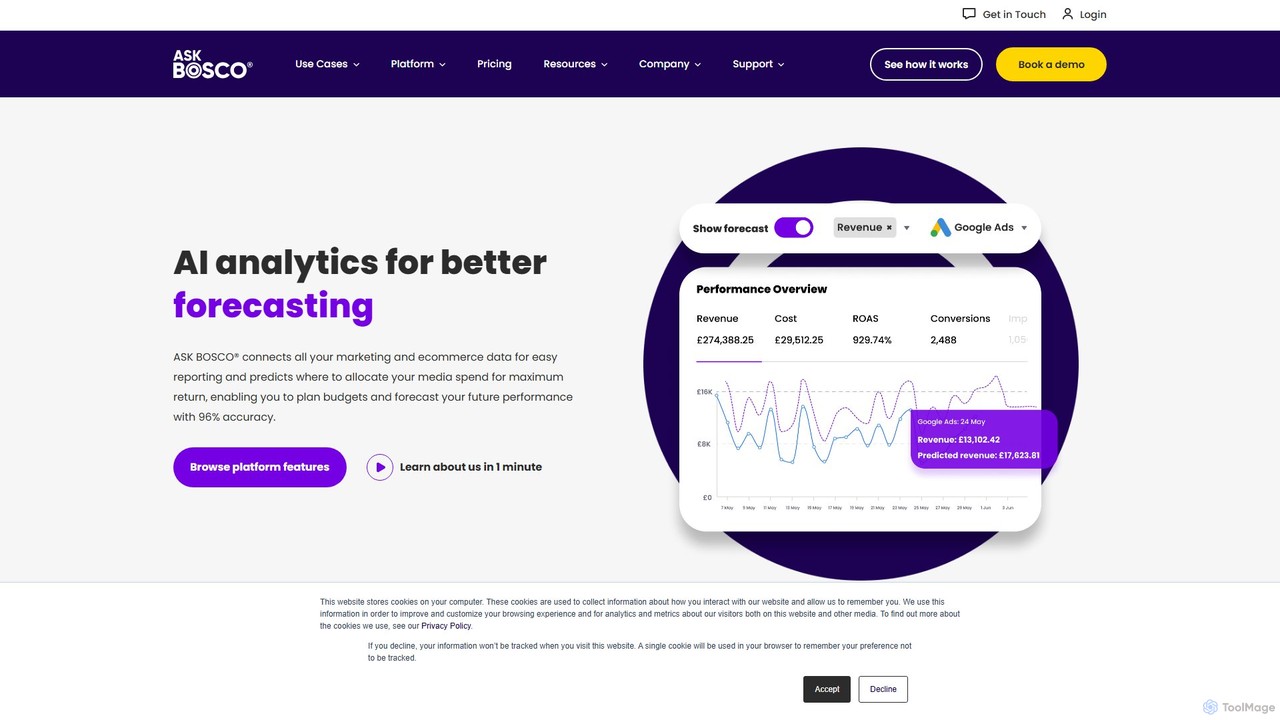
ASK BOSCO® is an AI-powered analytics platform for agencies and retailers, designed for advanced reporting, forecasting, and competitor …
ASK BOSCO® is an AI-powered analytics platform for agencies and retailers, designed for advanced reporting, forecasting, and competitor benchmarking. It connects all your marketing and e-commerce data to predict optimal media spend allocation, enabling you to plan budgets and forecast future performance with up to 96% accuracy. Centralize data, automate reports, and make smarter, data-driven decisions to maximize your return on investment.
FutureSearch
FutureSearch is an advanced AI research and forecasting platform that provides unbiased, in-depth answers to complex questions. It …
FutureSearch is an advanced AI research and forecasting platform that provides unbiased, in-depth answers to complex questions. It combines AI-driven analysis with expert human judgment to deliver high-accuracy intelligence for investors, researchers, and enterprises on topics like market trends, equity research, and geopolitical events.
About Forecasting
AI Forecasting tools are a class of business software that analyze historical and real-time data to predict future trends, outcomes, and events. These tools leverage advanced machine learning algorithms, such as time-series analysis and neural networks, to identify complex patterns that traditional methods might miss. This enables organizations to make proactive, data-driven decisions regarding sales, inventory, financial planning, and resource allocation. By automating the prediction process, they provide more accurate and dynamic forecasts than manual spreadsheet-based approaches.
Core Features
- Time-Series Analysis: Analyzes sequential data points to identify trends, seasonality, and cyclical patterns for accurate future projections.
- Predictive Modeling: Builds, validates, and deploys custom machine learning models to forecast specific business metrics based on multiple variables.
- Scenario Simulation: Allows users to model various "what-if" scenarios to understand the potential impact of different business decisions or market changes.
- Anomaly Detection: Automatically identifies unusual data points or deviations from expected patterns that could significantly affect future outcomes.
- Data Integration: Connects with diverse data sources like CRM, ERP, and market data APIs to create a comprehensive basis for analysis.
Use Cases
AI Forecasting tools are widely used by financial analysts, supply chain managers, marketing strategists, and operations leaders. They are critical in industries such as retail for demand planning, finance for revenue projection, manufacturing for production scheduling, and energy for load forecasting. Any business function that depends on accurate future insights can benefit.
How to Choose
When selecting a tool, consider its data integration capabilities to ensure it works with your existing systems. Evaluate the range and customizability of its predictive models for your specific industry needs. Assess the user interface to determine if it suits your team's technical skill level. Finally, look for features that provide explainability, helping you understand the reasoning behind the forecasts.
ForecastingUse Cases
Predicting Quarterly Sales Revenue
A sales manager uses an AI forecasting tool to analyze historical sales data, market trends, and marketing campaign performance. The tool generates a dynamic forecast for the next quarter, broken down by product line and region. This replaces manual spreadsheet guesswork, enabling the team to set realistic targets, optimize resource allocation, and identify potential revenue gaps proactively.
Optimizing Retail Inventory Levels
A supply chain planner for an e-commerce company uses a forecasting tool to predict product demand. By analyzing past sales, web traffic, and external factors like holidays, the tool forecasts demand for each SKU. This allows the company to maintain optimal stock levels, reducing both stockouts that lead to lost sales and overstocking costs that tie up capital.
Automating Financial Budgeting and Planning
A finance team uses an AI forecasting tool to project future cash flow, revenue, and expenses. The tool integrates with accounting software to create dynamic financial models that update automatically as new data becomes available. This enables more accurate budgeting, helps leadership make informed decisions about investments, and reduces the manual effort required for financial planning cycles.
Proactively Reducing Customer Churn
A customer success manager at a SaaS company uses a forecasting tool to identify customers at risk of churning. The model analyzes usage patterns, support ticket history, and subscription data to generate a churn probability score for each account. This allows the team to intervene with targeted retention campaigns and personalized support before the customer decides to leave, improving overall retention rates.
Forecasting Energy Demand for Utilities
An operations manager at a utility company uses forecasting tools to predict electricity demand. The model considers historical consumption, weather forecasts, economic indicators, and time of day. Accurate predictions help optimize power generation, manage the grid efficiently, and prevent outages during peak demand periods, ensuring a stable supply and reducing operational costs.
Predicting Website Traffic for Resource Allocation
A digital marketing team uses a forecasting tool to predict website traffic for an upcoming product launch. By analyzing historical traffic data, SEO trends, and planned marketing activities, the tool estimates daily visitor numbers. This helps the IT team ensure server capacity is sufficient to handle the expected load, preventing site crashes and ensuring a smooth user experience during a critical period.