ToolMage
Sign in

Best 1 Fraud Detection AI tools for Business

Popular Fraud Detection AI tools in Business include Aeropay, helping you work more efficiently.

Aeropay
Paid

Aeropay

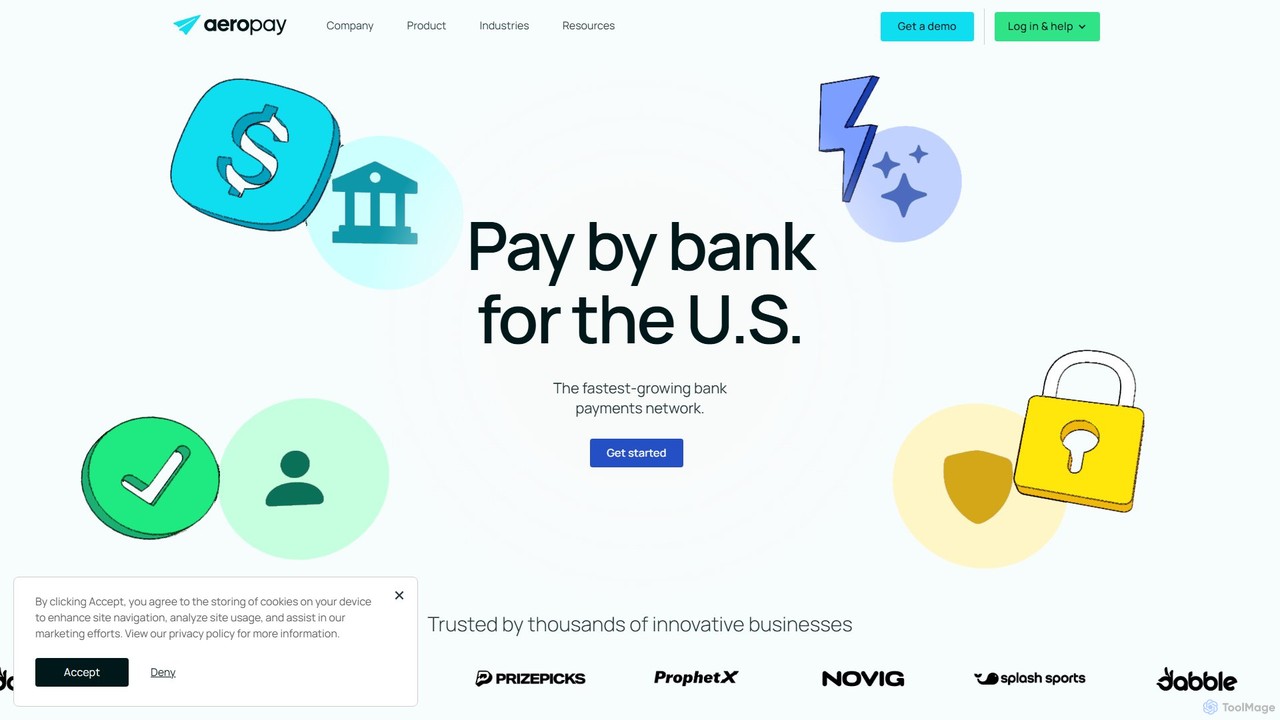
Aeropay is an AI-powered pay-by-bank platform for US businesses, offering direct bank-to-bank payments (ACH, RTP, FedNow). It leverages AI for real-time risk assessment and fraud prevention, achieving over 90% approval rates and reducing transaction costs by up to 50%. Features include guaranteed ACH, automated payment recovery, and seamless bank linking to enhance security, increase conversion, and accelerate cash flow.

Fraud Detection
Visits 164.5KFavorites 148Likes 136

About Fraud Detection

AI Fraud Detection tools are specialized systems that use machine learning and data analysis to identify and prevent fraudulent activities in real-time. These tools analyze vast datasets, including transaction patterns, user behavior, and device information, to detect anomalies that signal potential fraud. They are crucial for businesses in finance, e-commerce, and insurance to minimize financial losses, protect customer accounts, and maintain regulatory compliance. Unlike traditional rule-based systems, AI-powered solutions can adapt to new fraud tactics, offering more dynamic and predictive protection.

Core Features

  • Real-time Anomaly Detection: Instantly identifies unusual patterns and outliers in transaction or user behavior.
  • Behavioral Biometrics: Analyzes unique user interaction patterns like typing speed or mouse movements to verify identity.
  • Predictive Risk Scoring: Assigns a risk score to each transaction or user action based on predictive models.
  • Network Analysis: Maps relationships between accounts, devices, and transactions to uncover sophisticated fraud rings.

Applicable Scenarios

These tools are primarily used in sectors with high transaction volumes, such as financial services for credit card fraud, e-commerce for payment fraud and account takeovers, and insurance for claims fraud. They empower risk management teams and security analysts to automate the detection process and respond to threats more effectively.

Selection Criteria

When choosing a tool, consider its detection accuracy (false positive/negative rates), integration capabilities with existing systems like payment gateways or CRMs, scalability to handle your transaction volume, and compliance with industry regulations such as PCI DSS. Also, evaluate the level of customization available for rules and models.

Fraud Detection use cases

1

E-commerce Payment Fraud Prevention

An online retailer's risk management team uses an AI fraud detection tool to analyze customer transactions in real-time. The system cross-references data points like IP address, device fingerprint, shipping/billing address consistency, and purchase history. When it flags an order with multiple high-risk indicators, such as a new account making a large purchase shipped to a different country, it automatically places the order on hold for manual review. This prevents fraudulent chargebacks and protects revenue without adding friction for legitimate customers.

2

Detecting Account Takeover (ATO) in Banking

A financial institution's security team deploys an AI system to monitor user login activity. The tool analyzes behavioral biometrics like typing cadence and mouse movements, alongside contextual data like device ID and geographic location. If a login attempt from an unrecognized device in a foreign country exhibits unusual behavioral patterns, the system immediately triggers a multi-factor authentication challenge or temporarily blocks the account. This proactive measure prevents unauthorized access and protects customer funds from theft.

3

Identifying Insurance Claims Fraud

An insurance company's claims department uses an AI tool to scan and analyze submitted claims documents. The system identifies red flags such as inconsistencies in accident descriptions, altered medical records, or connections to known fraudulent networks of doctors and lawyers. By assigning a risk score to each claim, it allows investigators to prioritize their efforts on the most suspicious cases, significantly increasing the detection rate of fraudulent claims and saving the company millions in illegitimate payouts.

4

Preventing Ad Fraud in Digital Marketing

A digital marketing agency uses an AI fraud detection platform to monitor its clients' ad campaigns. The tool analyzes traffic sources in real-time, identifying non-human behavior like click farms and botnets that generate fake impressions and clicks. It automatically blocks these fraudulent sources, ensuring that the ad budget is spent on reaching genuine potential customers. This improves campaign ROI, provides accurate performance metrics, and protects the agency's reputation with its clients.

5

Combating Friendly Fraud (Chargeback Abuse)

A subscription-based service provider uses an AI tool to differentiate between legitimate chargebacks and 'friendly fraud'—where a customer disputes a valid charge. The system analyzes a user's entire history, including service usage, login patterns, and past support interactions. When a chargeback is filed, the tool compiles a comprehensive evidence report. This report can be submitted to payment processors to dispute the chargeback, helping the business recover revenue lost to this increasingly common form of abuse.

6

Detecting Internal Fraud in Enterprises

A large corporation's internal audit team implements an AI system to monitor employee expense reports and procurement activities. The tool flags anomalies that deviate from normal patterns, such as duplicate invoices from a vendor, unusually high expense claims from an individual, or payments to unapproved suppliers. By continuously analyzing internal financial data, the system helps detect potential employee misconduct or collusion early, safeguarding company assets and ensuring compliance with internal policies.

Fraud Detection FAQ

What is AI Fraud Detection?

AI Fraud Detection is a category of software that uses machine learning, data analysis, and behavioral analytics to automatically identify and prevent fraudulent activities. Unlike static rule-based systems that only catch known fraud types, AI models learn from vast amounts of data to detect new, evolving, and complex fraud patterns in real-time. This makes them highly effective in dynamic environments like online finance and e-commerce.

How to choose the right AI Fraud Detection tool?

When selecting an AI Fraud Detection tool, consider these key factors:

  • Detection Accuracy: Evaluate its false positive and false negative rates. A good balance is crucial to avoid blocking legitimate users while catching fraudsters.
  • Integration Capabilities: Ensure it can seamlessly connect with your existing platforms, such as your payment gateway, CRM, or e-commerce platform.
  • Scalability: The tool must be able to handle your current and future transaction volume without performance degradation.
  • Customization: Look for the ability to tailor rules, models, and risk thresholds to your specific business needs and risk appetite.
What's the difference between AI Fraud Detection and traditional rule-based systems?

The primary difference lies in adaptability and intelligence. Traditional systems use a fixed set of 'if-then' rules (e.g., 'if transaction amount > $1000, flag it'). They are rigid, easy for fraudsters to bypass, and cannot detect new fraud types. AI Fraud Detection systems use machine learning to analyze complex patterns and relationships in data. They can identify subtle anomalies, adapt to new fraud tactics automatically, and reduce the number of false positives, leading to more accurate and effective fraud prevention.

What are the main types of fraud these tools can detect?

AI Fraud Detection tools are versatile and can be trained to identify a wide range of fraudulent activities. Common types include:

  • Payment Fraud: Unauthorized use of stolen credit card information or other payment details.
  • Account Takeover (ATO): Gaining unauthorized access to a legitimate user's account.
  • Identity Theft & Synthetic Identity Fraud: Using stolen or fabricated personal information to create new, fraudulent accounts.
  • Friendly Fraud: Illegitimate chargebacks initiated by a legitimate customer for a valid purchase.
  • Insurance Claims Fraud: Submitting false or exaggerated insurance claims.
Who typically uses AI Fraud Detection tools?

These tools are essential for roles and industries that handle high-volume transactions and sensitive data. Key users include risk managers, fraud analysts, and security teams in sectors like e-commerce, banking and financial services (FinTech), insurance, gaming, and online travel agencies. They help automate manual review processes, reduce financial losses from fraud, and ensure a secure environment for legitimate customers.