AI Freelance Tools are integrated platforms designed to help independent professionals manage their entire business workflow. These tools leverage AI to automate administrative tasks such as proposal generation, time tracking, invoicing, and expense management. This allows freelancers to minimize time spent on non-billable activities and focus on delivering high-quality work for their clients. By centralizing project management, client communication, and financial oversight, these tools provide a comprehensive solution for running a solo business efficiently.
Core Features
- AI Proposal & Contract Generation: Automatically creates customized proposals and legally sound contracts from templates and client data.
- Automated Time Tracking: Intelligently tracks time spent on projects and tasks, often linking directly to invoices for accurate billing.
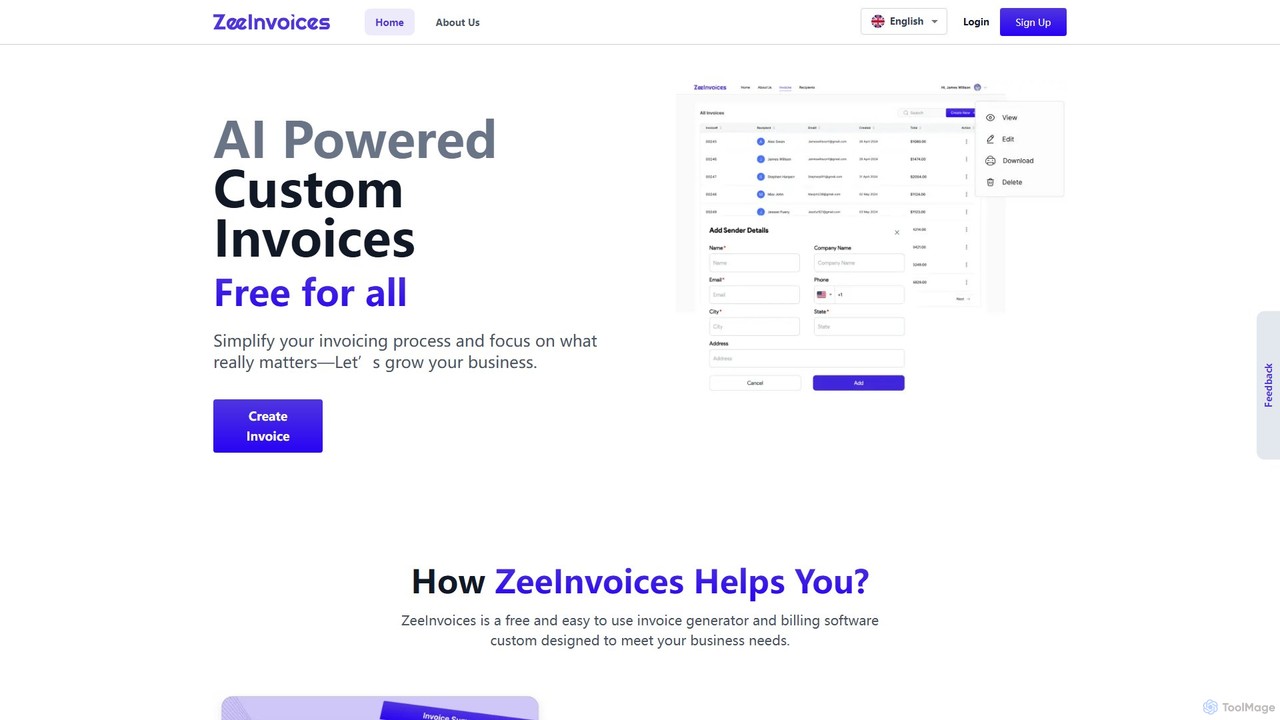
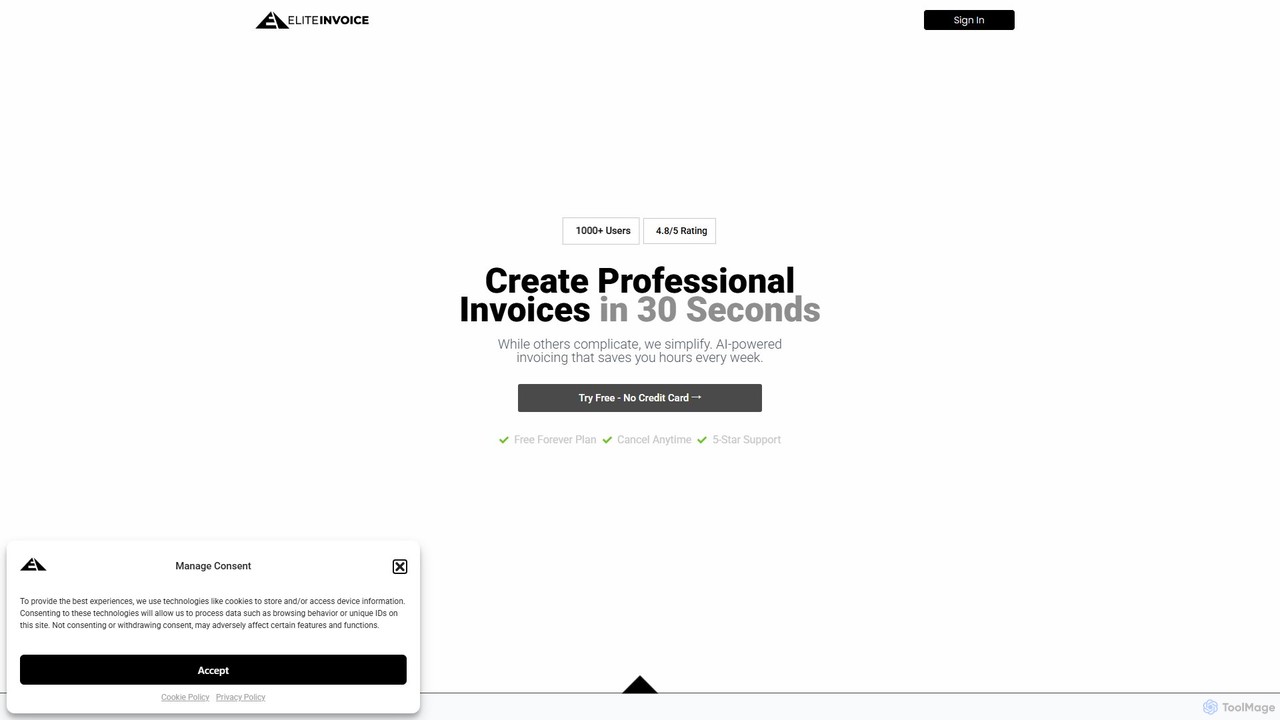
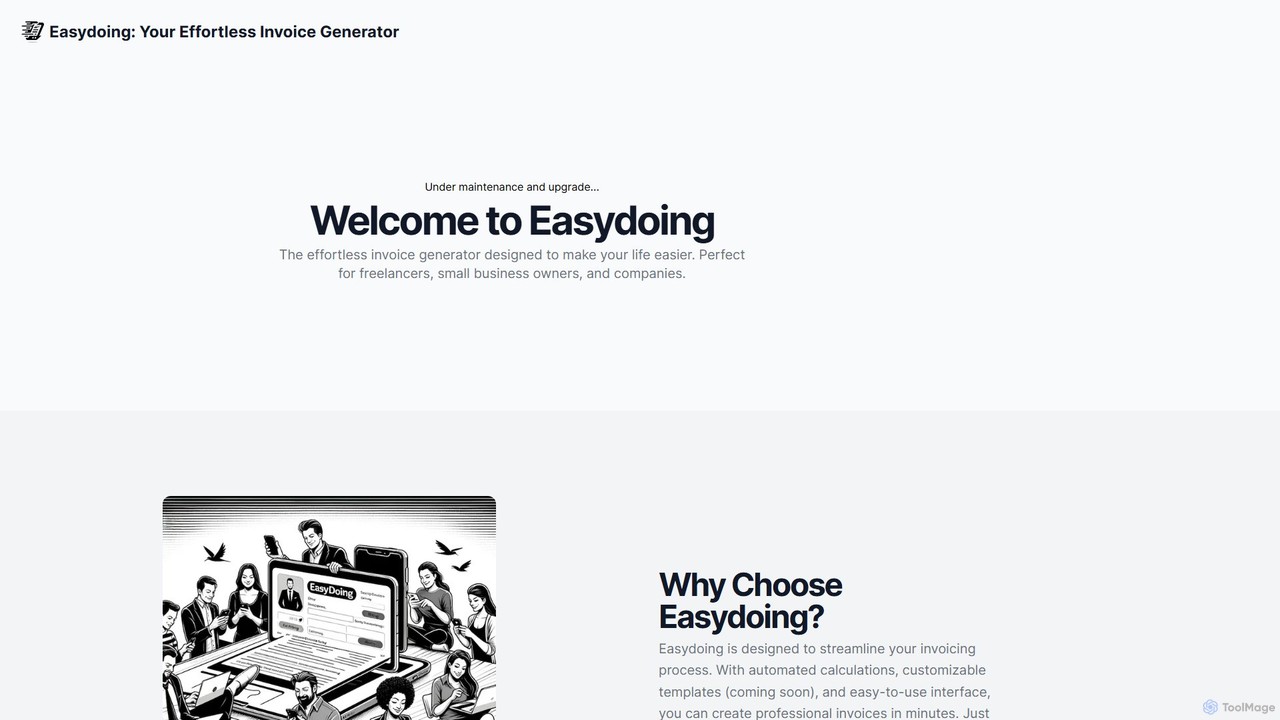
- Smart Invoicing & Payment Processing: Generates and sends invoices automatically, tracks payment status, and integrates with payment gateways.
- Integrated Client Management (CRM): Provides a central database to manage client information, communication history, and project status.
- Expense & Income Reporting: Uses AI to categorize expenses, track income streams, and generate financial reports for tax purposes.
Use Cases
These tools are ideal for a wide range of independent professionals, including freelance designers, developers, writers, consultants, and virtual assistants. They are particularly valuable for those managing multiple clients and projects simultaneously, helping to maintain organization and ensure timely payments. Whether you're starting out or scaling your freelance business, these platforms provide the structure needed for sustainable growth.
How to Choose
When selecting an AI Freelance Tool, consider the specific needs of your business. Evaluate the scope of features—do you need robust project management or is simple invoicing sufficient? Check for integrations with essential tools like payment gateways (Stripe, PayPal) and calendar apps. Assess the pricing model, whether it's a flat monthly fee or a percentage of transactions. Finally, consider the user interface and ease of use to ensure it fits seamlessly into your daily workflow.