ToolMage
Sign in

Best 5 Fundraising AI tools for Business

Popular Fundraising AI tools in Business include AngelList, PitchBob, Pilea, aloangels, and VC Hunt, helping you work more efficiently.

Pilea
Freemium

Pilea

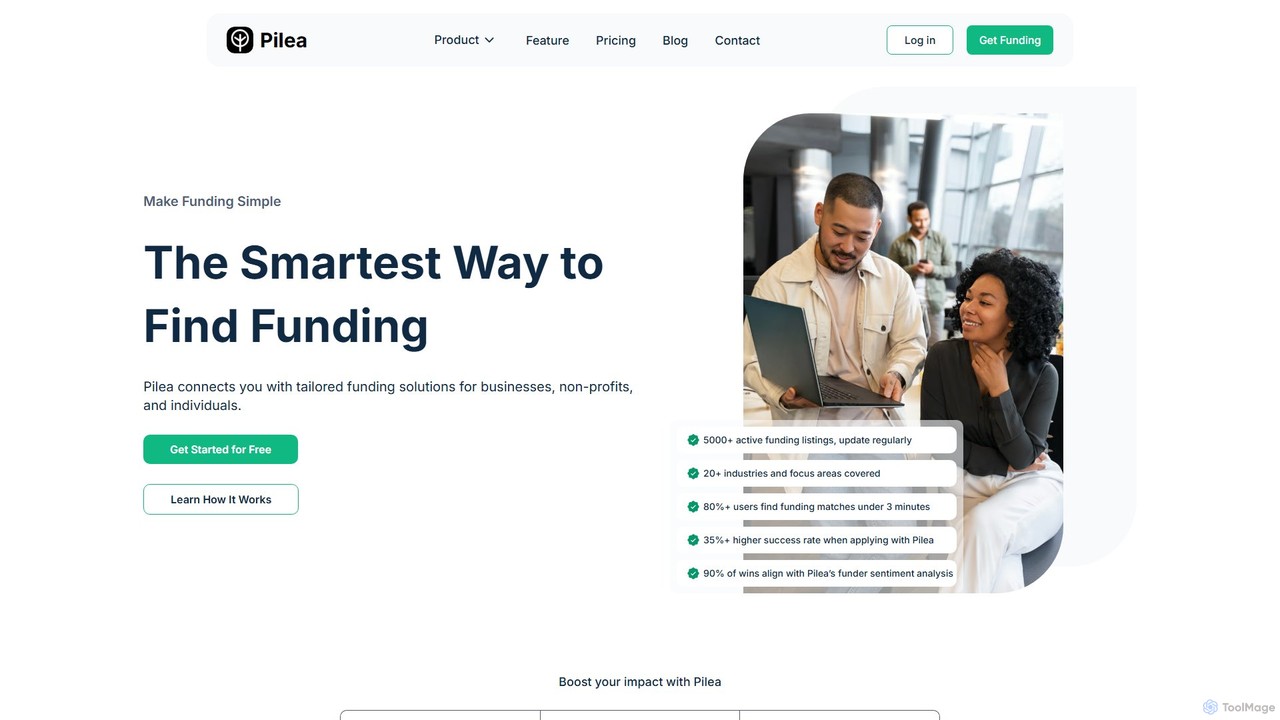
Pilea is an AI-powered platform that simplifies the funding process for businesses, non-profits, and individuals. It features an extensive database of grants and investments, AI-driven funder sentiment analysis to improve application success, and an AI writing assistant, Pilea Pen, to draft compelling proposals. Users can search, track, and manage all their funding applications in one centralized, collaborative workspace, aiming to find funding 3x faster and with a higher success rate.

Fundraising
Visits 6.4KFavorites 116Likes 125
aloangels
Freemium

aloangels

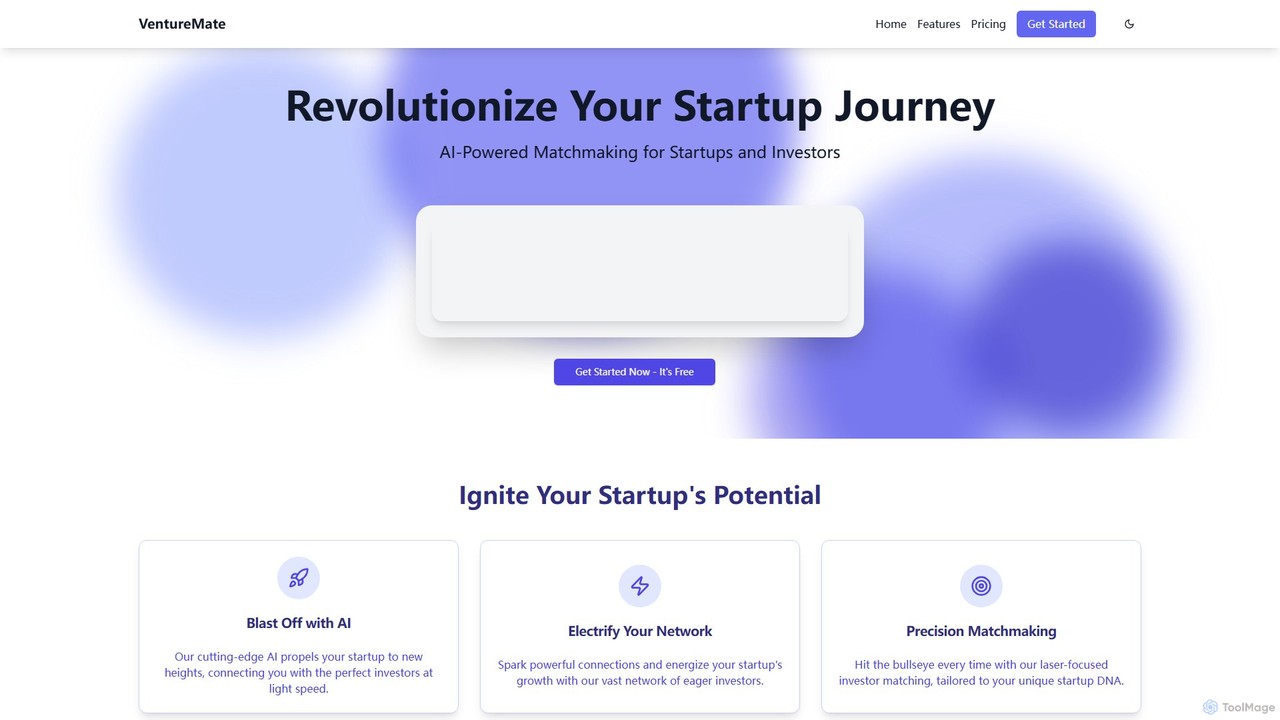
aloangels is an AI-powered platform designed to revolutionize the fundraising process for startups. It intelligently connects entrepreneurs with the most suitable investors from its vast network. By analyzing a startup's unique DNA, the platform provides a curated list of potential investors, complete with an "Investment Likelihood Score" to help founders prioritize their efforts and accelerate their growth journey.

Fundraising
Visits 5.8KFavorites 189Likes 170
PitchBob
Freemium

PitchBob

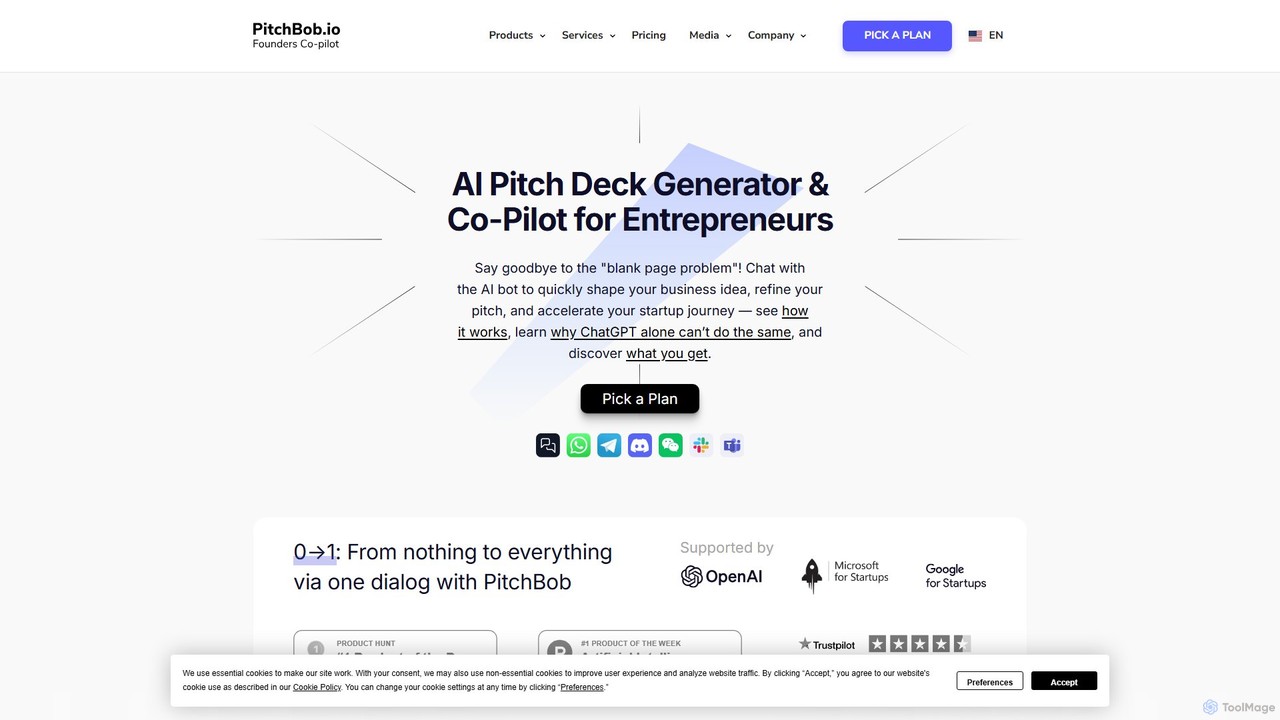
PitchBob is an AI-powered co-pilot for entrepreneurs and startups. It simplifies the creation of professional pitch decks, one-pagers, and other fundraising documents through a guided, conversational process. Get VC-style coaching and data-driven feedback to articulate your business idea effectively and impress investors.

Fundraising
Visits 68.7KFavorites 185Likes 168
AngelList
Paid

AngelList

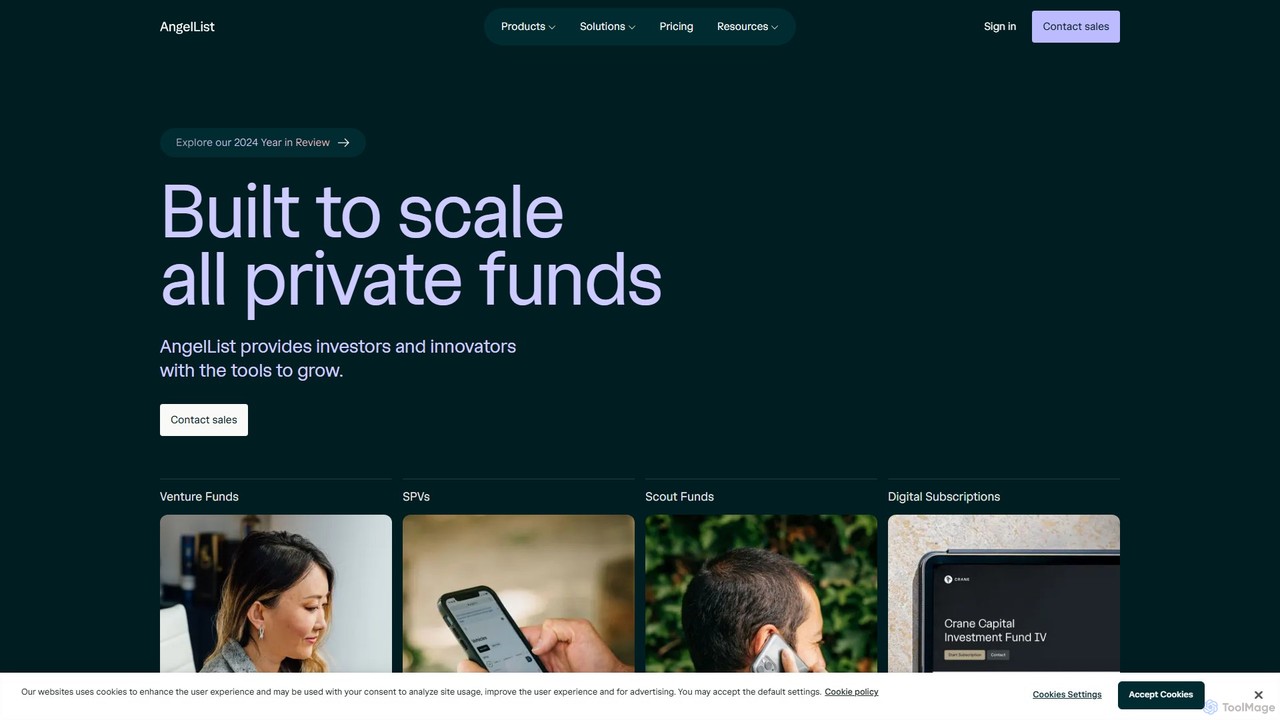
AngelList is a comprehensive platform building the infrastructure for the startup economy. It connects founders with investors, provides tools for fundraising and cap table management, and offers a full-service solution for launching and managing venture funds, syndicates, and rolling funds. It's an essential ecosystem for building, leading, and investing in technology companies.

Fundraising
Visits 618.4KFavorites 146Likes 142
VC Hunt
Freemium

VC Hunt

VC Hunt is a powerful database and discovery platform designed to connect startup founders with venture capitalists, funds, and investors. It streamlines the fundraising process by providing comprehensive, searchable data on investors and funds, helping founders find the right financial partners.

Fundraising
Visits 5.6KFavorites 136Likes 140

About Fundraising

Fundraising AI tools are specialized platforms that leverage artificial intelligence to optimize and streamline the entire fundraising process for non-profits, charities, and social enterprises. These tools utilize machine learning to analyze donor data, predict giving behavior, and personalize outreach strategies. They empower organizations to identify high-potential donors, manage campaigns more effectively, and ultimately secure more funding with greater efficiency. By automating repetitive tasks and providing data-driven insights, Fundraising AI enhances donor engagement and maximizes philanthropic impact within the broader business context.

Core Features

  • Donor Prospecting & Segmentation: Identifies potential high-value donors and segments existing ones based on demographics, giving history, and engagement patterns.
  • Personalized Outreach Automation: Crafts and automates highly personalized communication (emails, messages) to donors, improving engagement and response rates.
  • Campaign Performance Prediction: Uses historical data to forecast the success of fundraising campaigns and suggest optimizations for better outcomes.
  • Grant Writing Assistance: Aids in researching relevant grant opportunities and generating drafts or sections of grant proposals, saving significant time.
  • Impact Reporting & Analytics: Provides comprehensive dashboards and reports on fundraising performance, donor retention, and campaign ROI, offering actionable insights.

Use Cases

Non-profit organizations use these tools to identify new major gift prospects, while universities leverage them to re-engage alumni for endowment campaigns. Small charities can automate personalized thank-you notes and annual appeals, significantly reducing administrative burden and increasing donor loyalty.

How to Choose

When selecting Fundraising AI tools, consider the specific needs of your organization, such as donor volume, campaign complexity, and budget. Evaluate features like integration with existing CRM systems, the accuracy of predictive analytics, and the level of customization offered for communication. Prioritize tools with strong data security and compliance features, alongside user-friendly interfaces that require minimal technical expertise.

Fundraising use cases

1

Identifying High-Potential Major Donors

For large non-profits and university advancement offices, AI tools analyze vast databases of alumni, past donors, and public records to identify individuals with the highest propensity and capacity to give major gifts. By processing demographic data, wealth indicators, philanthropic history, and engagement patterns, the AI generates prioritized lists of prospects, allowing fundraising teams to focus their efforts on individuals most likely to contribute significantly, thereby optimizing resource allocation and increasing major gift revenue.

2

Automating Personalized Donor Engagement

Small to medium-sized charities often struggle with limited staff to maintain personalized relationships with all donors. AI-powered fundraising platforms can automate the creation and scheduling of personalized emails, thank-you notes, and campaign updates based on a donor's giving history, interests, and engagement level. This ensures consistent, relevant communication that strengthens donor loyalty and encourages repeat giving, without requiring extensive manual effort from staff.

3

Optimizing Fundraising Campaign Performance

Marketing and fundraising managers can leverage AI to predict the success of upcoming campaigns and optimize their strategies in real-time. By analyzing historical campaign data, donor response rates, and external factors, AI tools can recommend the best channels, messaging, and timing for appeals. This allows organizations to dynamically adjust their outreach, allocate budget more effectively, and achieve higher conversion rates for their fundraising initiatives.

4

Streamlining Grant Research and Application

Grant writers and development officers face the challenge of finding suitable grant opportunities and drafting compelling proposals. AI tools can rapidly scan vast databases of foundations and government grants, matching them with the non-profit's mission, projects, and eligibility criteria. Furthermore, some AI can assist in generating initial drafts of common sections of grant applications, such as organizational background or project descriptions, significantly reducing research and writing time.

5

Predicting Donor Churn and Re-engagement

Non-profits often experience donor attrition, which can be costly. AI models analyze donor behavior patterns to identify individuals at risk of lapsing their donations. Based on these predictions, the AI can trigger targeted re-engagement campaigns, offering personalized appeals or impact reports designed to rekindle their interest and commitment. This proactive approach helps organizations retain valuable donors and maintain a stable funding base.

6

Enhancing Fundraising Event Management

Event planners for fundraising galas or charity runs can use AI to optimize various aspects of event management. This includes predicting attendance rates, personalizing invitations to maximize RSVPs, and even suggesting optimal seating arrangements or auction item pricing based on guest profiles and past event data. AI can also automate follow-up communications post-event, ensuring timely thank-yous and impact reports to attendees and sponsors.

Fundraising FAQ

What are Fundraising AI tools?

Fundraising AI tools are software solutions that use artificial intelligence, primarily machine learning and natural language processing, to enhance and automate various aspects of the fundraising process. They help non-profits and charities identify potential donors, personalize communications, optimize campaigns, and manage donor relationships more efficiently, ultimately aiming to increase donations and operational effectiveness.

How do AI tools help in donor prospecting?

AI tools assist in donor prospecting by analyzing vast amounts of data, including demographic information, wealth indicators, past giving history, and online engagement. They use predictive analytics to identify individuals or organizations with the highest likelihood and capacity to donate, segmenting them into targeted groups. This allows fundraising teams to focus their outreach on the most promising prospects, improving the efficiency and success rate of their efforts.

What's the difference between traditional fundraising software and AI-powered fundraising tools?

Traditional fundraising software primarily focuses on managing donor data, processing donations, and basic campaign tracking. AI-powered fundraising tools, while often including these functions, go a step further by using AI to analyze data, predict outcomes, and automate intelligent actions. For example, AI can predict donor churn, personalize outreach content, or recommend optimal campaign strategies, capabilities not typically found in standard CRM or donation management systems.

Can AI help with grant writing and applications?

Yes, AI can significantly assist with grant writing and applications. These tools can help identify relevant grant opportunities by matching an organization's mission and projects with funder criteria. Some AI platforms can also generate initial drafts for sections of grant proposals, summarize research, or even refine language for clarity and impact, thereby streamlining the often time-consuming process of securing grant funding.

What are the key considerations when choosing a Fundraising AI tool?

When selecting a Fundraising AI tool, consider its core functionalities, such as donor prospecting, campaign optimization, and communication automation, ensuring they align with your organization's specific needs. Evaluate its integration capabilities with existing CRM and accounting systems, the accuracy and transparency of its AI models, and its data security and privacy compliance. User-friendliness, scalability, and pricing structure are also crucial factors to ensure long-term value and adoption.