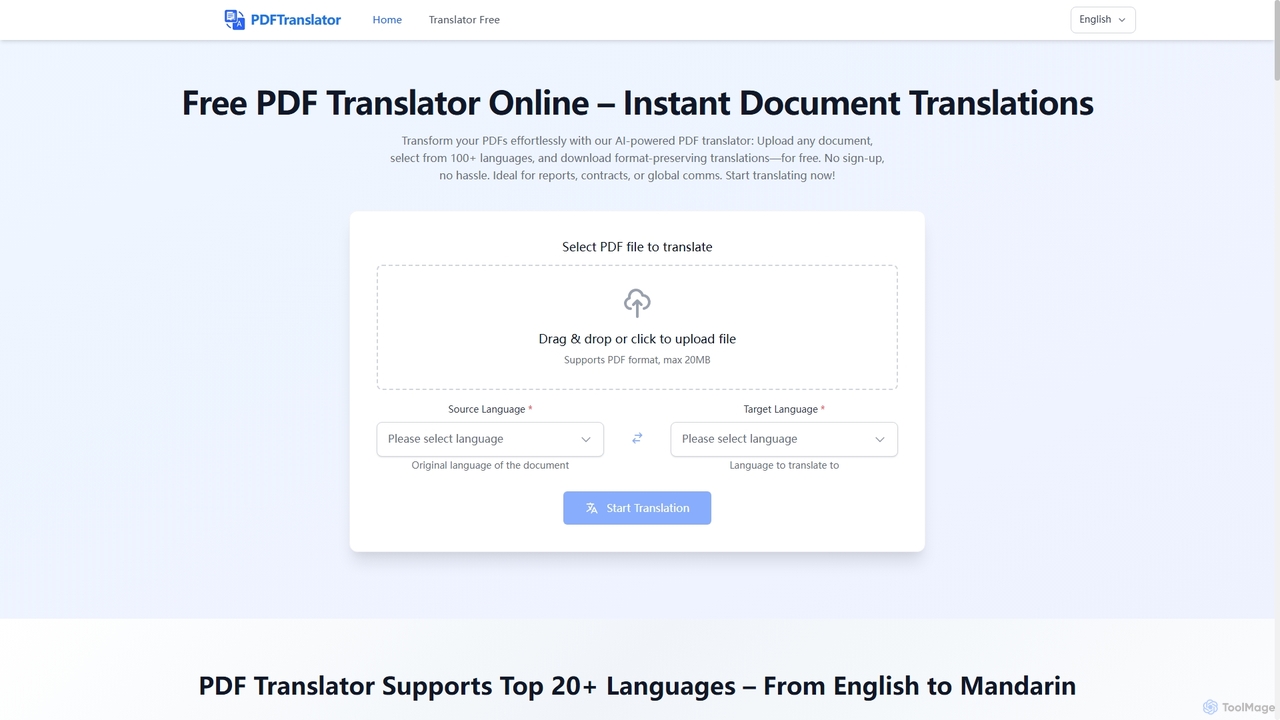
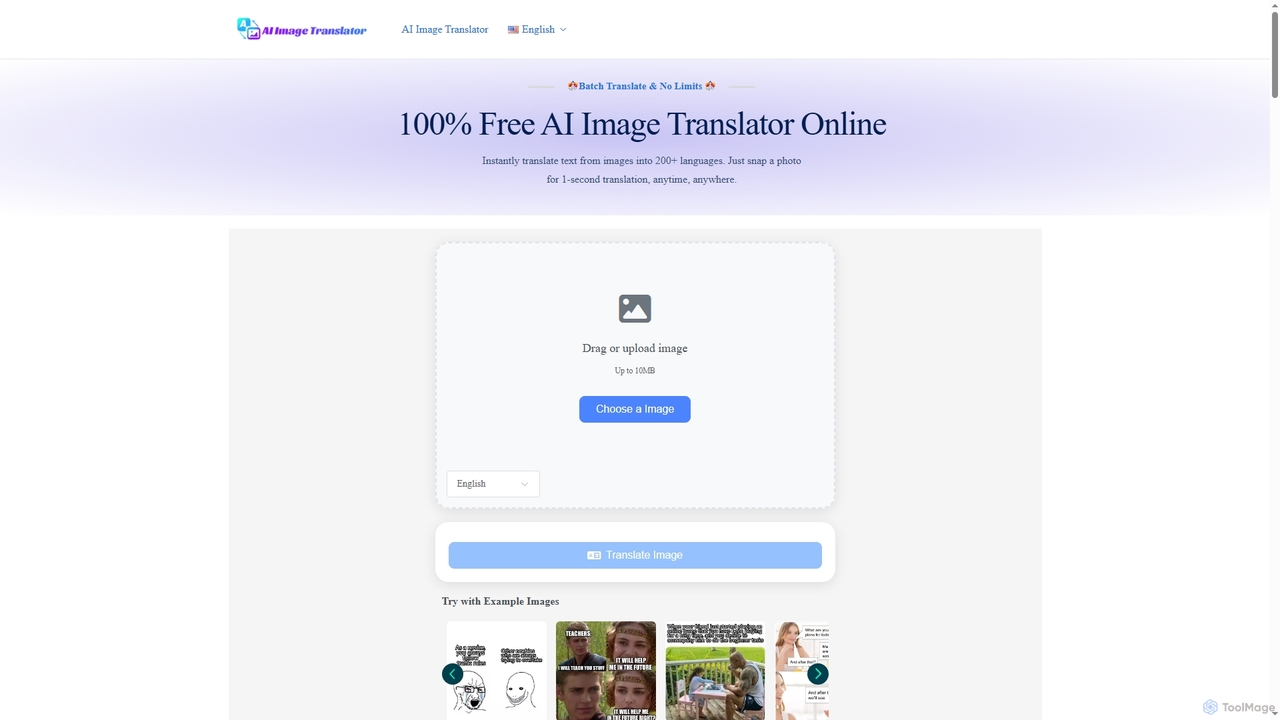
Global Communication AI tools are a category of AI-powered solutions designed to break down language barriers and facilitate seamless interaction across diverse cultures and geographies. Leveraging advanced natural language processing (NLP), machine translation, and cultural intelligence, these tools enable businesses to communicate effectively with international clients, partners, and employees. They are crucial for expanding global reach, fostering cross-border collaboration, and ensuring consistent messaging in a multilingual world, making them an indispensable asset within the broader Business AI landscape.
Core Features
- Real-time Multilingual Translation: Instantly translates text, speech, and video calls between numerous languages, enabling fluid cross-cultural dialogues.
- AI-powered Content Localization: Adapts marketing materials, website content, and product descriptions to specific cultural and linguistic contexts beyond mere translation.
- Cross-cultural Communication Analysis: Identifies and interprets cultural nuances, sentiment, and communication styles to prevent misunderstandings and enhance engagement.
- Global Customer Support Automation: Deploys AI chatbots and virtual assistants capable of interacting with customers in their native languages 24/7.
- Multilingual Sentiment and Feedback Analysis: Processes and analyzes customer reviews, social media comments, and surveys from various languages to extract actionable insights.
Applicable Scenarios
These tools are vital for international sales teams conducting pitches in foreign markets, global HR departments onboarding diverse talent, and marketing teams launching campaigns across multiple regions. They streamline operations for companies with distributed international workforces and enhance customer engagement for businesses serving a global clientele.
How to Choose
When selecting Global Communication AI tools, prioritize solutions offering high accuracy in target languages, robust integration with existing communication platforms (e.g., CRM, video conferencing), and strong data security measures. Consider the breadth of language support, the ability to handle cultural nuances, and scalability to meet future global expansion needs.