Business Best in category 1 results Global Operations AI Tool

Popular AI tools in the Global Operations field of Business include LanguageIO, etc., helping you quickly improve efficiency.

LanguageIO

LanguageIO

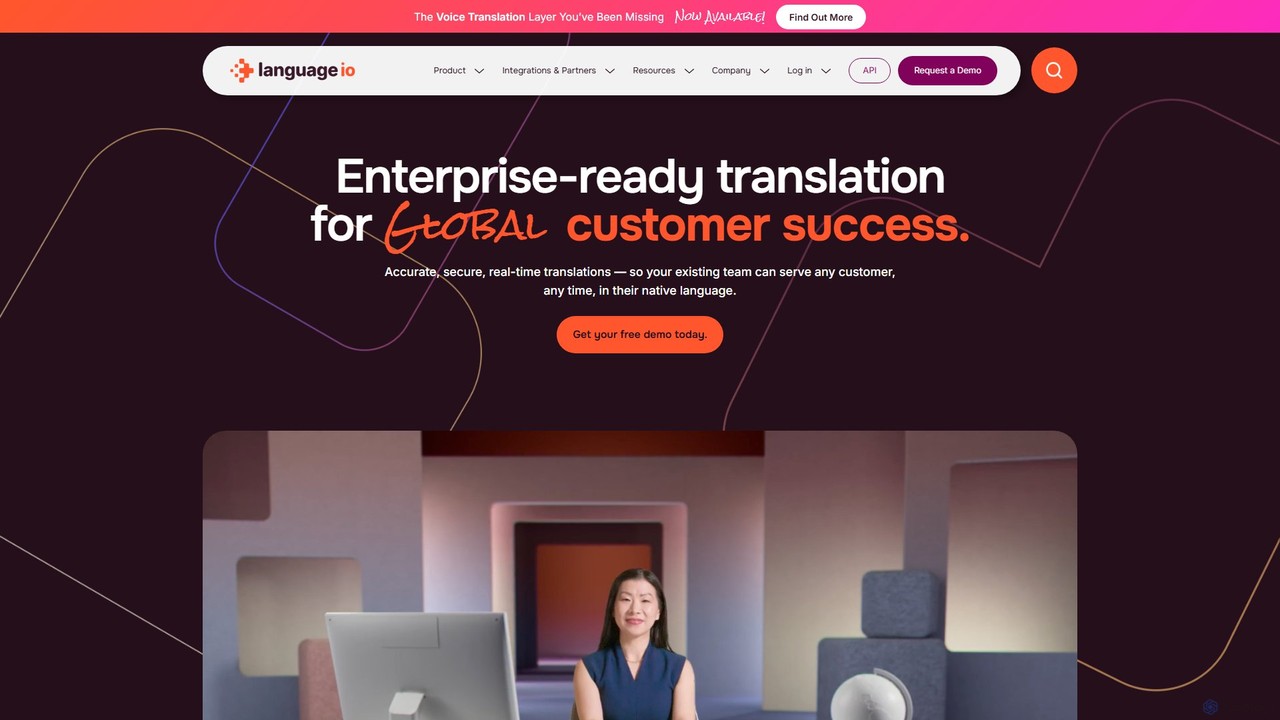
LanguageIO is an enterprise-grade AI translation platform for global customer support. It provides real-time, secure, and accurate translations …

14.9K

About Global Operations

Global Operations AI tools are designed to streamline and optimize business processes that span multiple countries and regions. These tools leverage artificial intelligence for advanced data analysis, automation, and predictive modeling to manage the complexities of international trade, logistics, and compliance. They enable businesses to enhance efficiency, reduce costs, and navigate diverse regulatory landscapes, facilitating seamless expansion and management in global markets.

Core Features

  • Cross-Border Logistics Optimization: Automates route planning, customs documentation, and freight management for international shipments.
  • Multi-Language Communication & Localization: Provides AI-powered translation, content adaptation, and localized customer support.
  • Global Compliance Monitoring: Tracks and alerts businesses to changes in international laws, trade regulations, and tax requirements.
  • International Supply Chain Visibility: Offers real-time tracking and predictive analytics for goods moving across global networks.
  • Automated International Customer Support: Deploys AI chatbots and virtual assistants capable of handling queries in multiple languages.

Applicable Scenarios

E-commerce companies managing international sales, multinational corporations with complex supply chains, and logistics providers handling cross-border freight heavily rely on these tools. They are crucial for businesses aiming to standardize operations, ensure regulatory adherence, and deliver consistent service quality across diverse geographical markets.

How to Choose

When selecting Global Operations AI tools, consider their scalability to match your international growth, integration capabilities with existing ERP and CRM systems, and the breadth of language and regional compliance support. Evaluate data security protocols, the accuracy of predictive analytics, and the cost-effectiveness of automation features to ensure a robust and adaptable solution.

Global OperationsUse Cases

1

Automated Cross-Border Customs Documentation

E-commerce businesses and logistics providers utilize AI to automatically generate, verify, and submit customs declarations and necessary paperwork for international shipments. This significantly reduces manual errors, accelerates customs clearance processes, and ensures compliance with varying import/export regulations across different countries, minimizing delays and potential fines.

2

Real-time Global Supply Chain Risk Mitigation

Multinational manufacturers and retailers employ AI to monitor their entire international supply chain in real-time. By analyzing vast datasets including weather patterns, geopolitical events, port congestion, and supplier performance, AI predicts potential disruptions and suggests alternative routes or sourcing options, ensuring business continuity and reducing inventory holding costs.

3

Multi-Language AI Customer Support Deployment

Global service companies deploy AI-powered chatbots and virtual assistants that can interact with customers in their native languages across different time zones. These tools handle common inquiries, provide instant support, and intelligently route complex issues to human agents, drastically improving customer satisfaction and reducing operational costs for international support centers.

4

Localized Marketing Content Adaptation

International marketing teams leverage AI to rapidly adapt marketing campaigns, product descriptions, and advertising copy for specific regional markets. AI ensures not only linguistic accuracy but also cultural relevance, tone, and local SEO optimization, allowing brands to resonate more effectively with diverse global audiences and accelerate market entry.

5

Proactive International Regulatory Compliance Monitoring

Financial institutions, pharmaceutical companies, and other highly regulated global enterprises use AI to continuously scan and interpret changes in international laws, trade agreements, and industry-specific regulations. The AI system provides proactive alerts and insights, helping organizations to maintain compliance across all operating jurisdictions and avoid costly penalties.

6

Optimized Global Freight and Route Planning

Shipping and logistics firms utilize AI to analyze complex variables such as fuel prices, traffic conditions, port capacities, customs processing times, and geopolitical factors to determine the most efficient and cost-effective international shipping routes. This optimization leads to reduced transit times, lower operational expenses, and improved delivery reliability for global cargo.

Global OperationsFrequently Asked Questions