ToolMage
Sign in

Best 2 Global Teams AI tools for Business

Popular Global Teams AI tools in Business include Sanas and Langfinity, helping you work more efficiently.

Langfinity
Freemium

Langfinity

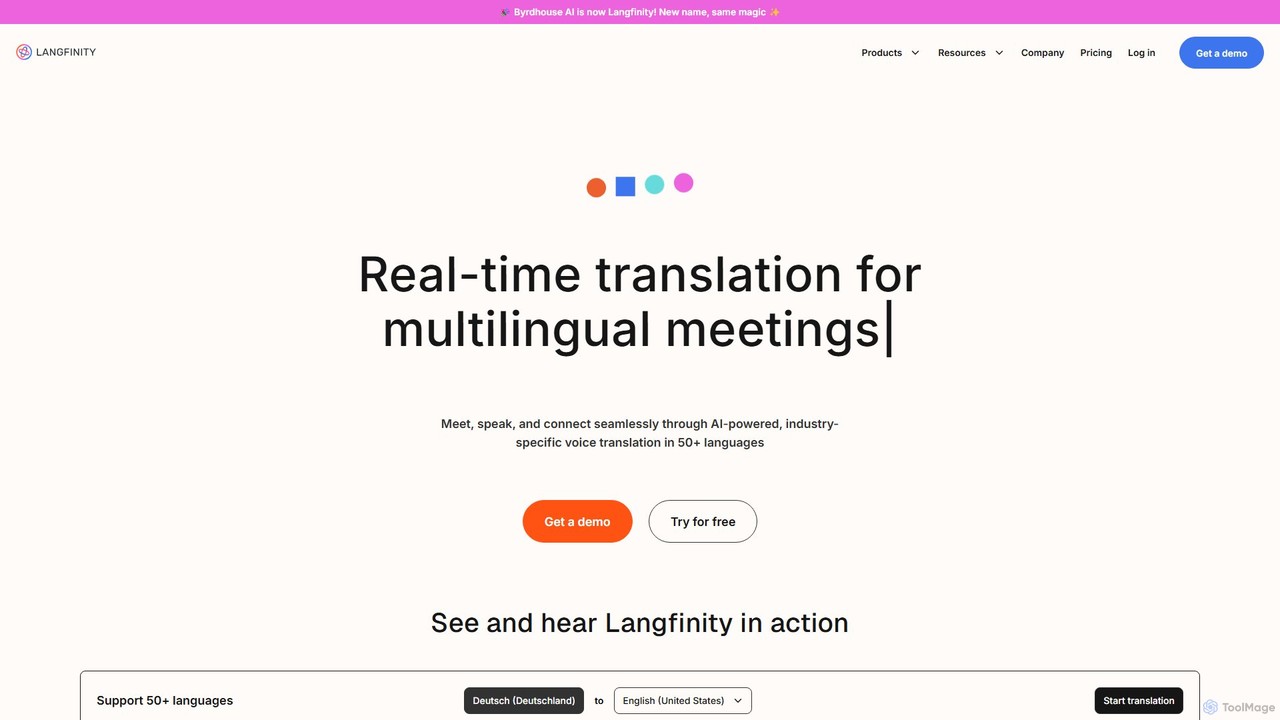
Langfinity (formerly Byrdhouse AI) is an AI-powered platform providing real-time voice and text translation for multilingual meetings. Supporting over 50 languages, it features natural-sounding voice avatars, industry-specific terminology, and seamless integration with platforms like Zoom and Teams. It's designed to break down language barriers in global communication for businesses, events, and organizations.

Global Teams
Visits 13KFavorites 122Likes 128
Sanas

Sanas

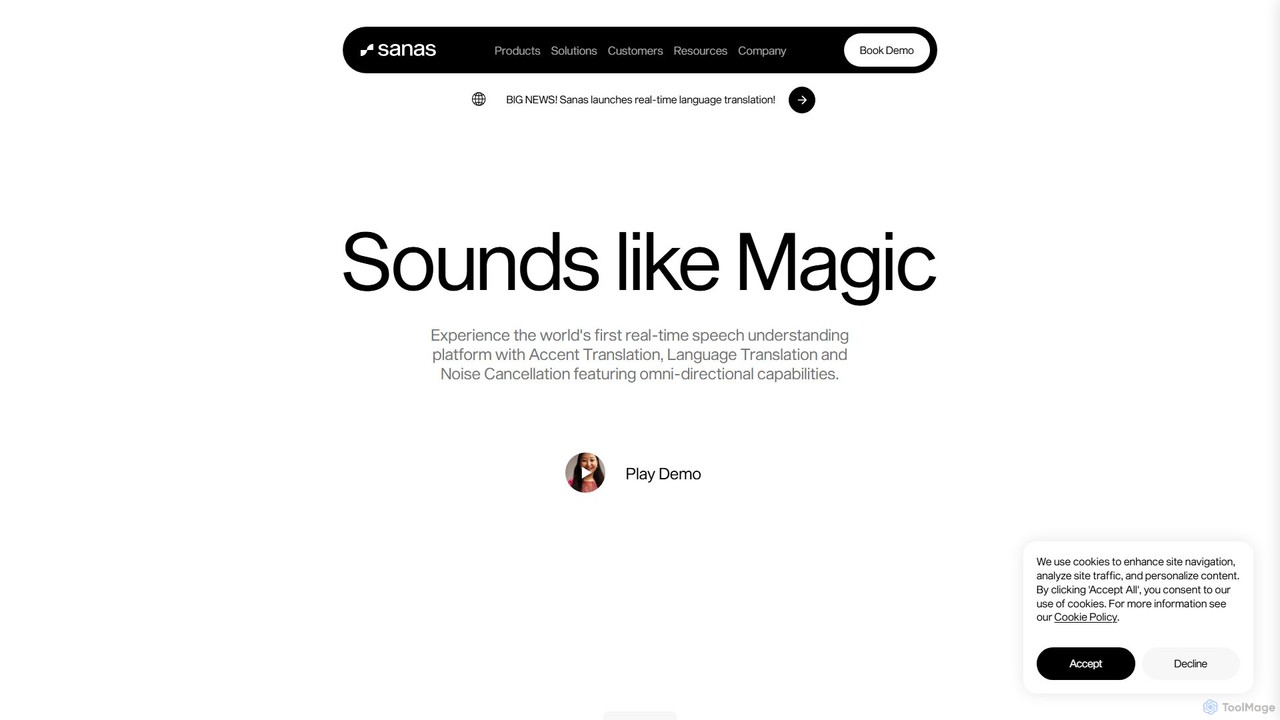
Sanas is a real-time speech understanding AI platform that offers accent translation, language translation, and omni-directional noise cancellation. It's designed for contact centers and enterprises to break down communication barriers, improve customer satisfaction (CSAT), and enhance operational efficiency by ensuring crystal-clear conversations.

Global Teams
Visits 58KFavorites 112Likes 109

About Global Teams

Global Teams tools are AI-powered platforms designed to streamline collaboration and management for internationally distributed workforces. They leverage technologies like real-time translation, intelligent scheduling, and cross-cultural communication analysis to bridge geographical, linguistic, and cultural gaps. These tools are essential for multinational corporations and remote-first companies to enhance communication efficiency, ensure operational consistency, and foster a unified team culture. By automating complex logistical tasks, they enable teams to focus on strategic goals rather than administrative hurdles.

Core Features

  • Real-Time Translation: Instantly translates chat messages, documents, and meeting audio to eliminate language barriers.
  • Intelligent Time Zone Scheduling: Automatically finds and suggests optimal meeting times for team members across the globe.
  • Cross-Cultural Communication Analysis: Provides AI-driven insights and suggestions to improve understanding in multicultural interactions.
  • Multilingual Knowledge Management: Creates a centralized, searchable knowledge base that is accessible in multiple languages.
  • Global HR & Compliance Automation: Assists in managing payroll, contracts, and legal compliance according to different countries' regulations.

Use Cases

These tools are primarily used by multinational corporations, tech companies with distributed engineering teams, and global consulting firms. For example, a project manager can coordinate a product launch across teams in North America, Europe, and Asia, ensuring seamless communication and synchronized timelines with automated translation and scheduling.

How to Choose

When selecting a Global Teams tool, consider the scope of its translation services (language support and accuracy), integration capabilities with existing project management software (like Jira or Asana), the sophistication of its scheduling features, and its data security protocols for handling sensitive employee information across borders.

Global Teams use cases

1

Coordinate a Multilingual Project Kick-off Meeting

A project manager at a global software company needs to align teams from Japan, Germany, and Brazil. Using a Global Teams tool, they schedule the meeting with an AI assistant that finds the least disruptive time for all. During the video call, real-time translated captions allow everyone to participate in their native language. The AI also generates a multilingual meeting summary and action items, ensuring everyone is on the same page from day one without language or time zone barriers.

2

Create a Unified Multilingual Sales Knowledge Base

A multinational's Head of Sales wants to ensure all regional teams use consistent messaging. They use a Global Teams platform to build a central knowledge base. When a new product brief is uploaded in English, the AI automatically translates and localizes it for the Spanish, French, and Mandarin-speaking teams. This eliminates version control issues and reduces the time-to-market for global sales campaigns by providing instant access to accurate, localized materials.

3

Automate Onboarding for International Hires

An HR manager in a remote-first company is onboarding new employees from India, Poland, and Argentina. The AI tool automates the process by providing localized employment contracts, explaining country-specific benefits in the employee's native language, and scheduling orientation sessions that respect different time zones. This creates a consistent and welcoming onboarding experience, reducing administrative workload and ensuring compliance from day one.

4

Improve Cross-Cultural Communication in a Team

A team lead notices friction between American and South Korean team members due to different communication styles (direct vs. indirect). A Global Teams tool with cultural analysis capabilities scans team chats (with consent) and provides private, constructive feedback to individuals. For example, it might suggest a more indirect phrasing for a US team member when communicating with a Korean colleague, fostering mutual understanding and reducing conflict before it escalates.

5

Manage Global Payroll and Compliance Efficiently

A finance department in a company with employees in 15+ countries struggles with varying labor laws and tax regulations. They implement an AI-powered Global Teams platform specializing in HR. The system automatically calculates salaries, tax withholdings, and benefits according to each country's laws, generates compliant contracts, and flags potential legal risks. This significantly reduces administrative overhead and ensures legal adherence across all locations.

6

Facilitate Asynchronous Global Product Development

A distributed product development team spread across San Francisco, London, and Singapore needs to collaborate without constant meetings. They use a platform that integrates project management with communication. A developer in Singapore can post an update in a project channel at the end of their day. The AI summarizes the key points and translates them, so the London team can immediately pick up the work when they start their day, creating a 24-hour productive cycle without burnout.

Global Teams FAQ

What are AI Global Teams tools?

AI Global Teams tools are software platforms designed to solve the challenges of managing and collaborating with internationally distributed workforces. Their core purpose is to overcome barriers related to language, time zones, and culture. Key features often include real-time translation for communication, intelligent meeting scheduling across different regions, and AI-driven insights to improve cross-cultural understanding.

How do I choose the right Global Teams tool?

To choose the right tool, evaluate these factors:

  • Communication Features: Assess the quality and number of languages supported for real-time translation.
  • Integration: Ensure it connects smoothly with your existing tools like Slack, Microsoft Teams, or your HRIS.
  • HR & Compliance: If you need payroll or legal support, check its capabilities for the specific countries you operate in.
  • Scalability: Consider if the tool can grow with your team, both in number of users and geographical locations.
What's the difference between Global Teams tools and standard Project Management tools?

Standard Project Management tools (like Asana or Trello) focus on task tracking, deadlines, and resource allocation. Global Teams tools are specifically designed for the interpersonal and logistical challenges of international work. While a PM tool tracks what needs to be done, a Global Teams tool helps how it gets done by providing real-time translation, time zone coordination, and cultural communication support, which are features typically absent in standard PM software.

Who benefits most from using Global Teams tools?

These tools are most beneficial for organizations with geographically dispersed teams. This includes:

  • Multinational Corporations: To standardize operations and communication across global offices.
  • Remote-First Companies: To build a cohesive culture and efficient workflows without a central office.
  • Project Managers: To coordinate complex projects with international stakeholders.
  • HR Departments: To manage global hiring, onboarding, payroll, and compliance seamlessly.
How does AI specifically help in managing global teams?

AI plays several critical roles. It powers natural language processing (NLP) for accurate real-time translation in chats and meetings. Machine learning algorithms analyze calendars to suggest optimal meeting times across multiple time zones. AI can also analyze communication patterns to offer insights on cultural nuances, helping to prevent misunderstandings. In HR functions, AI automates the processing of complex, country-specific payroll and compliance rules, reducing manual error.