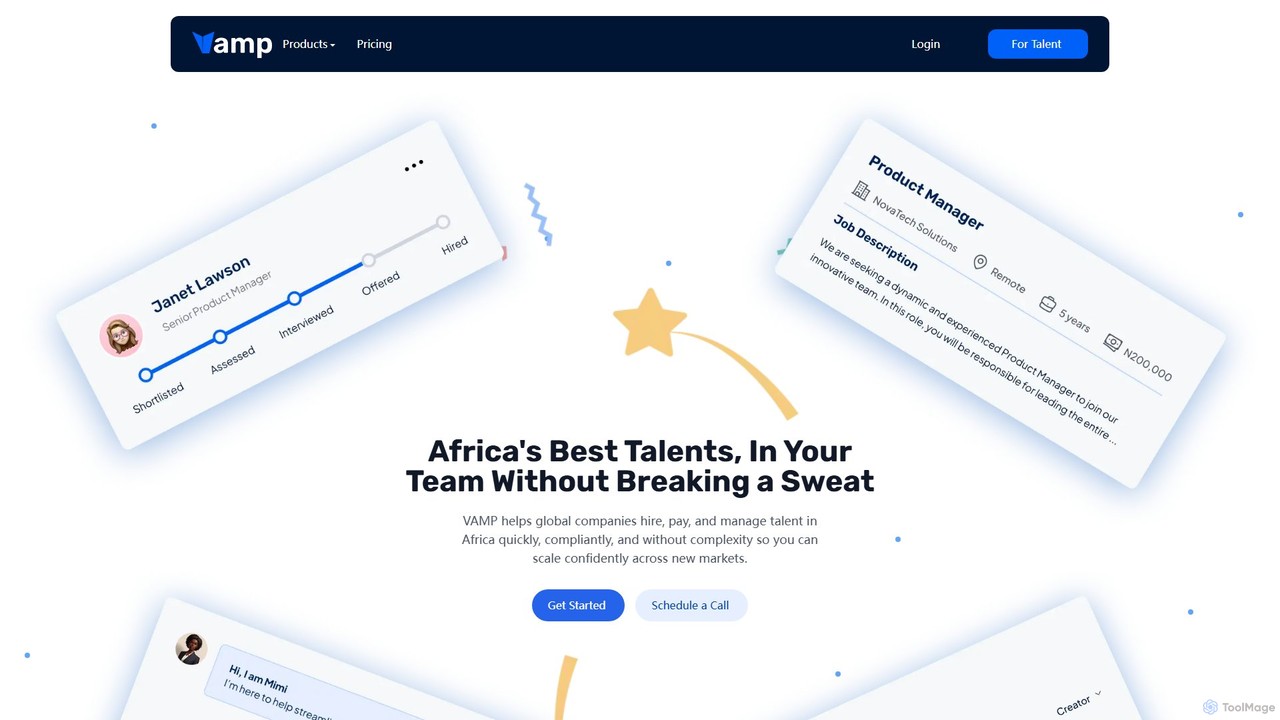
Global Workforce Management tools are AI-driven platforms designed to centralize and automate the complexities of managing an international team. These systems leverage AI to handle multi-country payroll, ensure local labor law compliance, and streamline cross-border onboarding. They enable businesses to hire, pay, and manage talent worldwide efficiently, reducing administrative burdens and mitigating legal risks associated with global expansion. This allows companies to access a global talent pool without the need to establish local legal entities.
Core Features
- Global Payroll & Compliance: Automates salary calculations in multiple currencies, tax withholding, and ensures adherence to local employment regulations.
- Employer of Record (EOR) Services: Legally employs team members on a company's behalf in countries where it doesn't have an entity, handling all HR legal responsibilities.
- International Onboarding: Generates locally compliant employment contracts and automates the collection of necessary documents for new hires across different countries.
- Benefits Administration: Manages and administers statutory and supplementary benefits (health insurance, pensions) according to local standards and expectations.
- Unified HR Data & Analytics: Consolidates employee data from all locations into a single dashboard for comprehensive reporting and strategic workforce planning.
Use Cases
These tools are essential for technology startups, remote-first companies, and multinational corporations expanding their global footprint. They are used by HR departments, finance teams, and legal departments to manage distributed workforces, hire international contractors, and ensure consistent and compliant HR practices across all operational regions.
How to Choose
When selecting a Global Workforce Management tool, consider its country coverage and whether it offers direct Employer of Record (EOR) entities or relies on partners. Evaluate its integration capabilities with your existing accounting and HRIS software. Scrutinize the pricing model for transparency, including foreign exchange rates, management fees, and any additional costs for off-boarding or supplementary services.