Canary Technologies
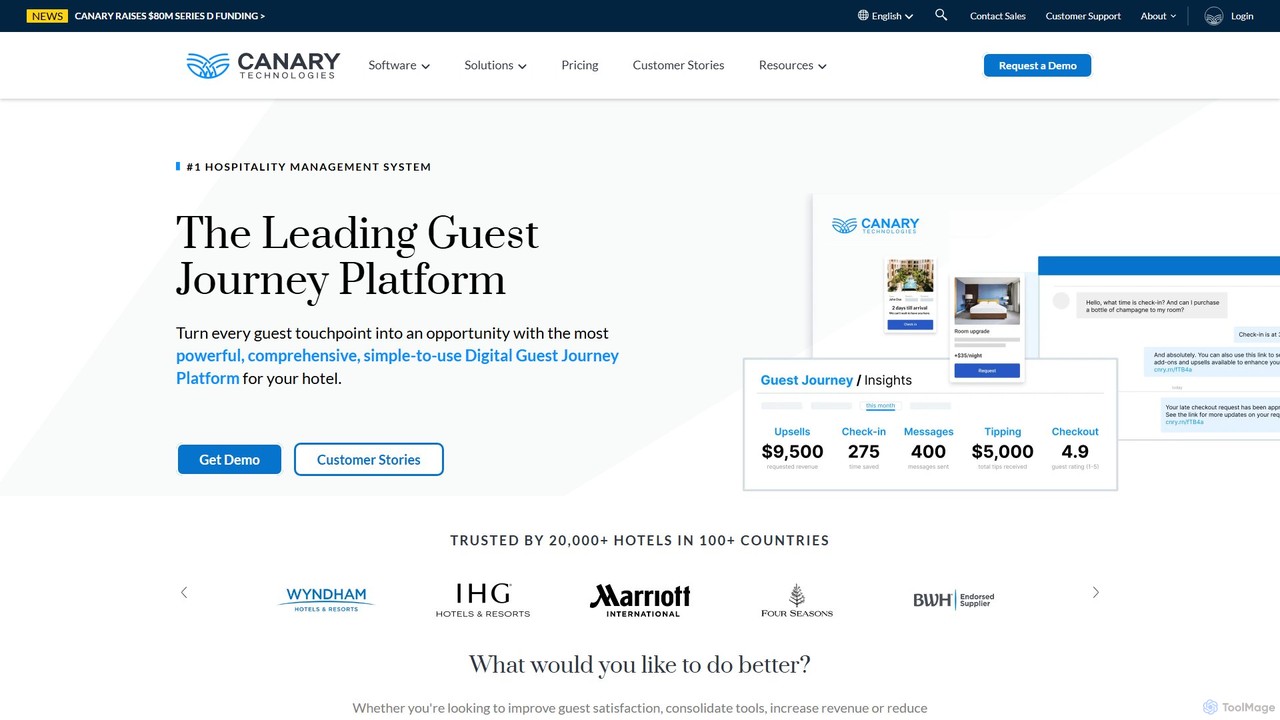
Canary Technologies is the #1 AI-powered hospitality management platform, designed to enhance the entire guest journey. It helps …
Canary Technologies is the #1 AI-powered hospitality management platform, designed to enhance the entire guest journey. It helps hotels increase revenue, streamline operations, reduce chargebacks, and deliver unforgettable guest experiences through a unified, easy-to-use system.
Stayflexi
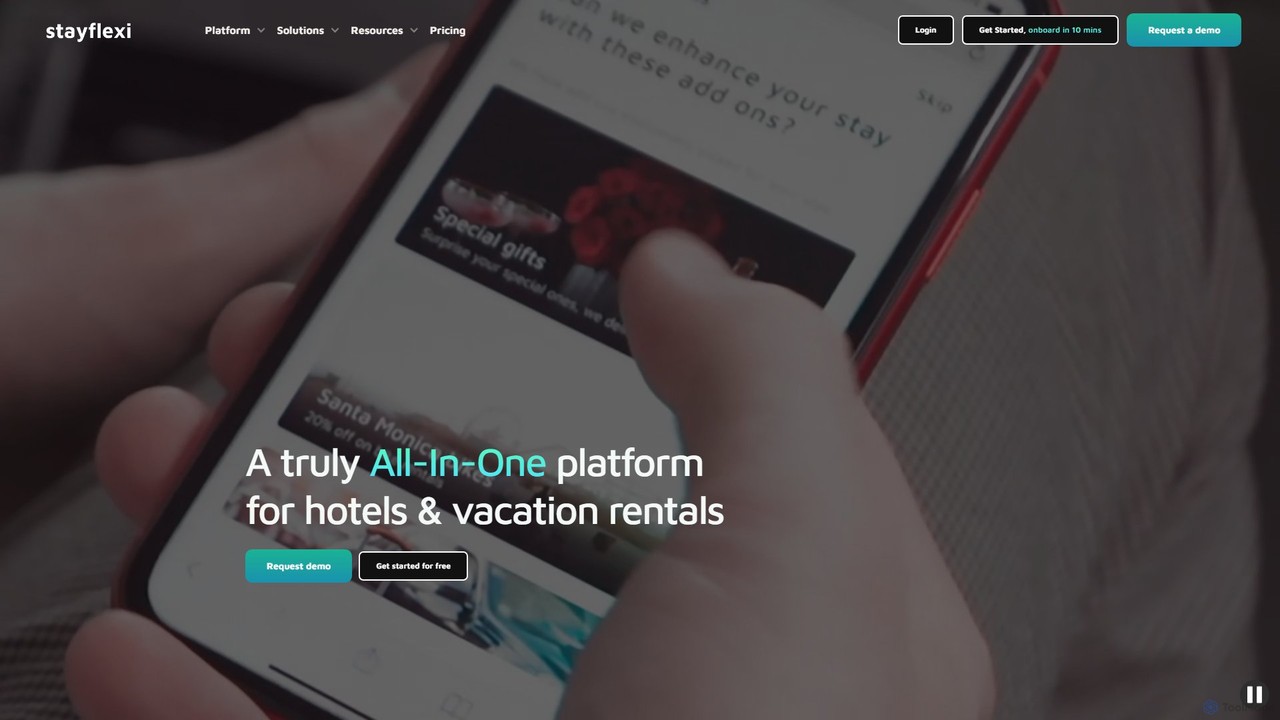
Stayflexi is an all-in-one, cloud-based platform for hotels and vacation rentals, designed to automate operations and maximize revenue. …
Stayflexi is an all-in-one, cloud-based platform for hotels and vacation rentals, designed to automate operations and maximize revenue. It combines a Property Management System (PMS), Channel Manager, and Booking Engine into a single, seamless solution, catering to various property types from hotels to campsites.
About Hospitality
AI Hospitality tools are specialized software designed to enhance guest experiences and streamline operations within the hotel, restaurant, and travel sectors. These platforms utilize artificial intelligence, including machine learning and natural language processing, to automate tasks like booking, customer service, and revenue management. By analyzing vast amounts of data, they provide actionable insights that help businesses personalize services, optimize pricing, and improve overall efficiency. This technology empowers hospitality providers to deliver superior service while maximizing profitability in a competitive market.
Core Features
- AI-Powered Chatbots & Concierge: Provides 24/7 automated responses to guest inquiries, handles reservations, and offers personalized recommendations.
- Dynamic Pricing Engine: Automatically adjusts room rates and service prices based on real-time demand, competitor activity, and market trends.
- Guest Sentiment Analysis: Processes customer reviews and feedback from multiple sources to identify service strengths and weaknesses.
- Predictive Analytics for Operations: Forecasts occupancy, dining demand, and maintenance needs to optimize staffing, inventory, and resource allocation.
- Personalization Engine: Tailors marketing messages, offers, and on-site experiences to individual guest profiles and past behavior.
Use Cases
These tools are widely used by hotels, resorts, restaurant chains, online travel agencies (OTAs), and cruise lines. For example, a boutique hotel can use an AI chatbot to manage bookings and answer FAQs, freeing up front-desk staff. A large resort can leverage dynamic pricing to maximize revenue during peak season, while a restaurant group can use sentiment analysis to maintain brand consistency and service quality across all locations.
How to Choose
When selecting an AI Hospitality tool, first consider its integration capabilities with your existing Property Management System (PMS) or CRM. Evaluate the specific AI features offered and ensure they align with your primary goals, whether it's revenue optimization or guest service automation. Assess the tool's scalability to grow with your business and inquire about the level of data security and compliance with regulations like GDPR. Finally, compare pricing models to find a solution that fits your budget.

HospitalityUse Cases
Automate Guest Bookings and Inquiries 24/7
A hotel manager for a busy city-center property needs to handle a constant flow of booking inquiries and guest questions, even outside of reception hours. By implementing an AI-powered chatbot on the hotel's website and social media channels, they can provide instant, 24/7 support. The chatbot answers frequently asked questions about amenities, check-in times, and local attractions. It can also process direct bookings, check room availability in real-time, and even handle simple modification requests, significantly reducing the workload on front-desk staff and capturing bookings that might otherwise be lost overnight.
Personalize Guest Stays with AI-Driven Recommendations
A luxury resort aims to create a unique and memorable experience for every guest. Using an AI personalization engine connected to their CRM, they analyze guest data, including past stays, dining preferences, and booking history. Upon a repeat guest's arrival, the system can automatically suggest their favorite type of wine, recommend activities based on previous interests, and adjust room settings like temperature and lighting to their liking. This level of proactive personalization enhances guest satisfaction, fosters loyalty, and encourages positive reviews and repeat business.
Maximize Revenue with Dynamic Room Pricing
A revenue manager for a hotel chain is tasked with optimizing occupancy and profit across multiple properties. They use an AI-driven revenue management system that continuously analyzes market data, including competitor rates, flight bookings, local events, and historical demand patterns. The system automatically adjusts room prices in real-time to capitalize on high-demand periods and stimulate bookings during slow times. This data-driven approach moves beyond static seasonal pricing, enabling the hotel to maximize its revenue per available room (RevPAR) throughout the year.
Optimize Restaurant Staffing and Inventory
The owner of a popular restaurant group struggles with fluctuating customer traffic, leading to either overstaffing or long wait times, as well as food waste. By adopting an AI tool with predictive analytics, they can forecast daily and even hourly customer demand with high accuracy. The system analyzes historical sales data, reservations, weather patterns, and local events. Based on these predictions, the manager can create optimal staff schedules, pre-order the right amount of fresh ingredients, and streamline kitchen prep, resulting in reduced labor costs, minimized waste, and a smoother dining experience for customers.
Improve Service Quality via Sentiment Analysis
A customer experience director for a global hotel brand needs to monitor service quality across hundreds of locations. Manually reading thousands of online reviews is impossible. They deploy an AI sentiment analysis tool that aggregates and analyzes feedback from TripAdvisor, Google Reviews, OTAs, and social media. The platform automatically identifies recurring themes, such as "slow check-in" or "excellent breakfast," and flags urgent issues. This allows management to quickly pinpoint systemic problems, recognize high-performing staff, and make targeted improvements to elevate the guest experience brand-wide.
Implement Proactive Property Maintenance
A facilities manager at a large resort is responsible for ensuring all equipment, from HVAC systems to pool pumps, operates without failure. Guest complaints due to equipment breakdowns are costly and damage the resort's reputation. They use an AI-powered predictive maintenance platform that connects to sensors on critical machinery. The AI analyzes performance data to detect subtle anomalies that precede a failure. It then automatically creates a work order for the maintenance team to address the issue proactively, preventing unexpected downtime, reducing emergency repair costs, and ensuring a comfortable stay for all guests.