International Business AI tools are specialized artificial intelligence solutions designed to streamline and optimize operations for companies engaged in global trade and cross-border activities. These tools leverage advanced AI, machine learning, and natural language processing to analyze vast datasets, automate complex international processes, and provide strategic insights. They empower businesses to overcome geographical, linguistic, and regulatory barriers, facilitating efficient market entry, global supply chain management, and enhanced international customer engagement.
Core Features
- Global Market Analysis: AI-driven insights into market trends, consumer behavior, and competitive landscapes across different countries.
- Cross-Border Logistics Optimization: Predictive analytics for shipping routes, customs clearance, inventory management, and demand forecasting in global supply chains.
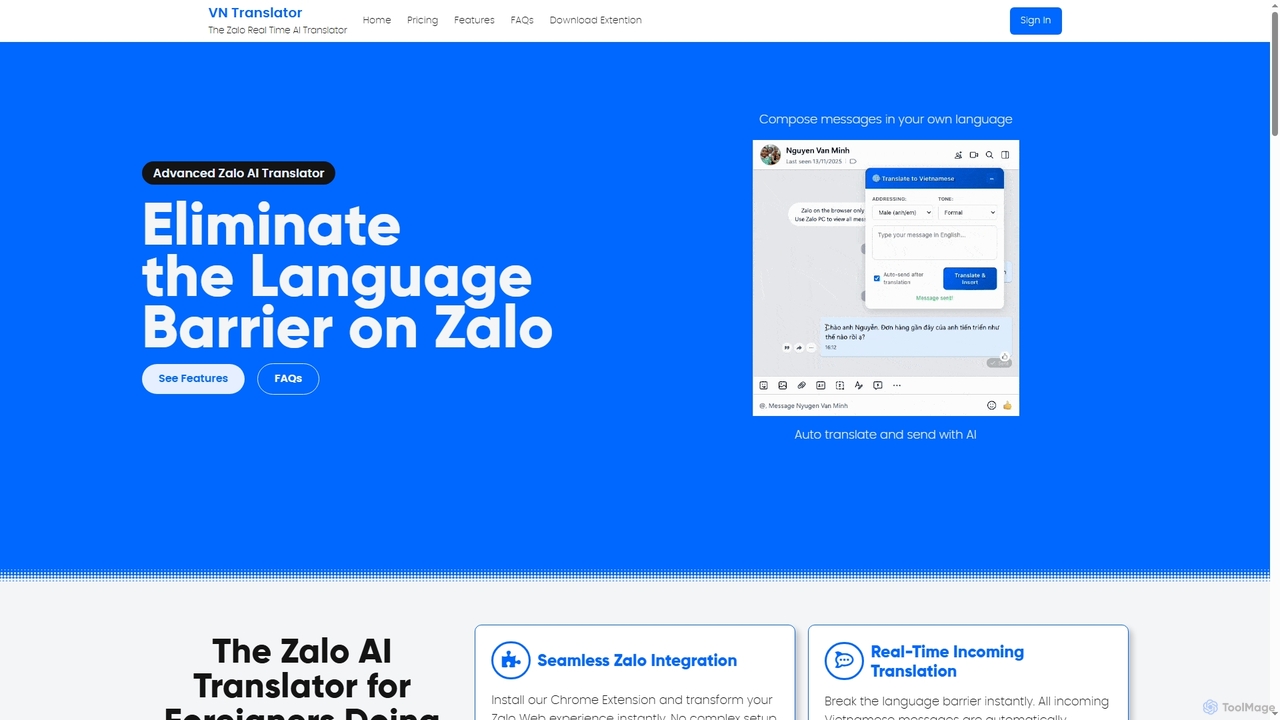
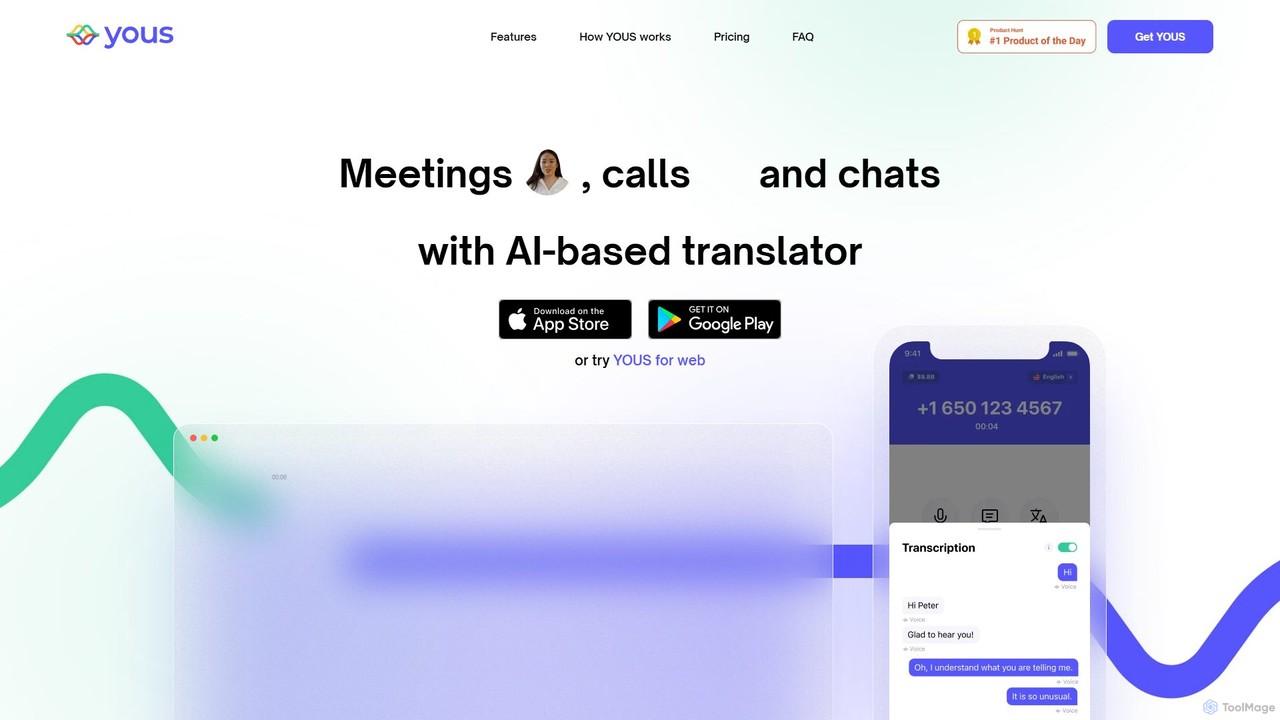
- Multilingual Communication & Localization: AI-powered translation, content localization, and cross-cultural communication support for international teams and customers.
- International Compliance & Risk Management: Automated monitoring of trade regulations, tariffs, sanctions, and geopolitical risks to ensure adherence and minimize exposure.
- Foreign Exchange & Payment Management: AI-assisted tools for currency conversion, hedging strategies, and secure cross-border payment processing.
Use Cases
These tools are invaluable for multinational corporations, import/export businesses, e-commerce platforms expanding globally, and any enterprise managing international operations. They are used by global sales teams for market penetration strategies, logistics managers for optimizing international freight, and legal departments for ensuring compliance with diverse international laws.
How to Choose
When selecting International Business AI tools, consider the specific global challenges you aim to address, such as market research, supply chain, or compliance. Evaluate the tool's data sources and analytical depth, its integration capabilities with existing ERP or CRM systems, and its multilingual support. Assess the level of automation offered and its adaptability to evolving international regulations and market dynamics.