ToolMage
Sign in

Best 2 Launch Tools for Business

Popular Launch Tools in Business include SubmitDirs and Launch Forge Nine, helping you work more efficiently.

Launch Forge Nine

Launch Forge Nine

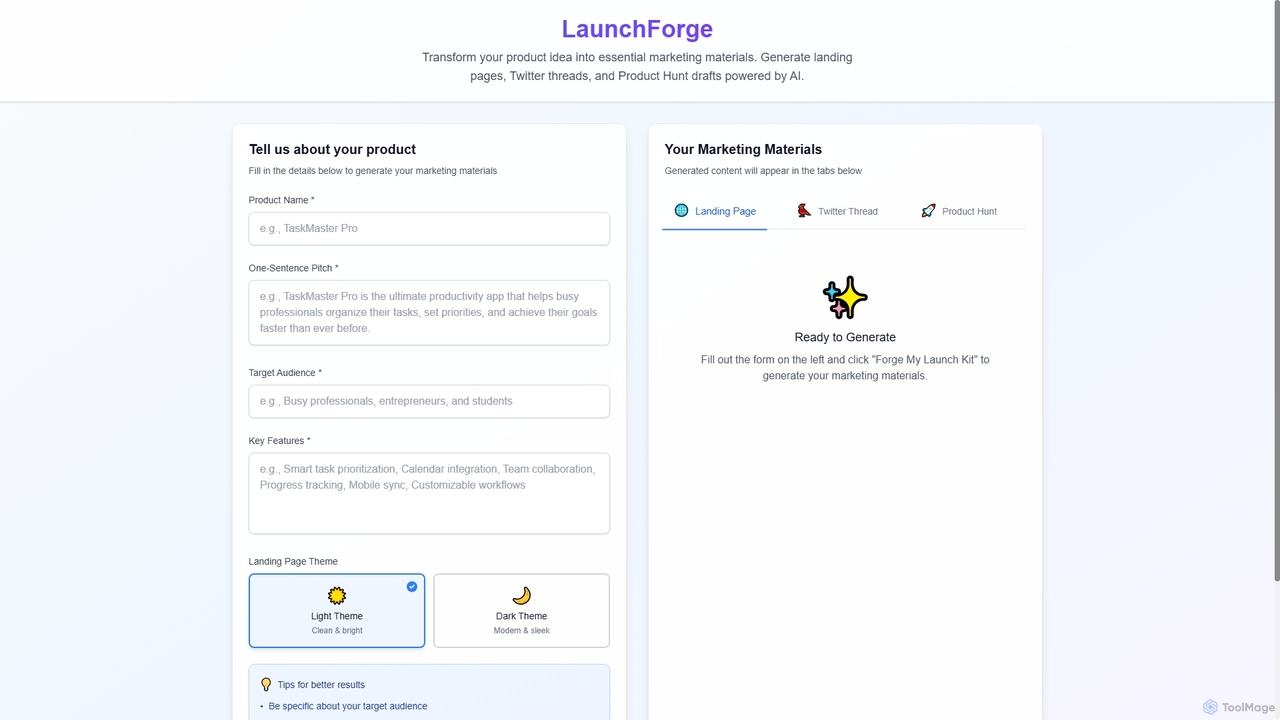
Launch Forge Nine is an AI-powered tool designed to rapidly generate comprehensive marketing materials for new products. It streamlines the launch process by creating landing pages, Twitter threads, and Product Hunt listings from a few key inputs, helping founders and marketers quickly prepare for their product debut.

Launch Tools
Visits 5KFavorites 88Likes 114
SubmitDirs
Paid

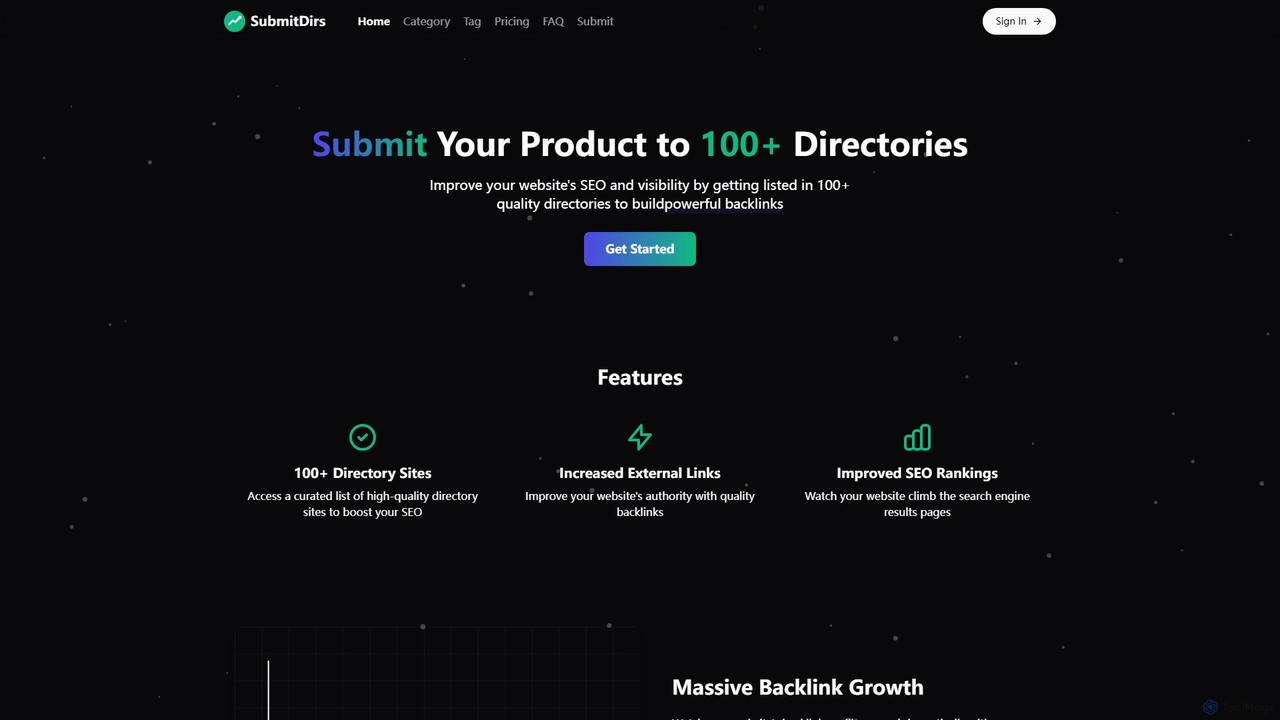
SubmitDirs

A manual submission service that lists your product on over 100 high-quality, high-DR directories to build powerful backlinks, boost SEO, and increase online visibility. Save 50+ hours of manual work and watch your domain authority and traffic grow.

Launch Tools
Visits 5.8KFavorites 122Likes 133

About Launch Tools

AI Launch Tools are a specialized category of business software designed to streamline and optimize the process of bringing a new product, service, or venture to market. These tools leverage AI for tasks like market analysis, audience identification, and generating launch-specific marketing assets. Their primary value lies in accelerating time-to-market, validating ideas with minimal resources, and maximizing the impact of a launch campaign. By automating key pre-launch and launch-day activities, they enable teams to focus on strategy and user feedback.

Core Features

  • Market Opportunity Analysis: Uses AI to analyze market trends, competitor positioning, and target audience data to identify strategic launch windows.
  • Launch Asset Generation: Automatically creates essential marketing materials such as landing pages, ad copy, social media posts, and press releases.
  • Waitlist & Pre-launch Management: Manages early-adopter sign-ups, referral programs, and automated email sequences to build anticipation.
  • Initial Traction Analytics: Gathers and analyzes early user feedback, social media sentiment, and engagement metrics immediately following the launch.

Use Cases

These tools are particularly valuable for startups, product managers, and marketing teams. Common scenarios include launching a new SaaS application, kicking off a crowdfunding campaign, testing a product idea with a 'coming soon' page, or announcing a major feature update to an existing user base.

How to Choose

When selecting an AI Launch Tool, consider the scope of its features—does it cover idea validation, asset creation, and post-launch analysis? Evaluate its integration capabilities with your existing marketing stack (e.g., email platforms, CRM). Also, assess the quality of the AI-generated content and the depth of its analytics to ensure it meets your strategic needs.

Featured tool rankings

Launch Tools use cases

1

Launching a New SaaS Product

A startup founder needs to launch their new SaaS platform efficiently. They use an AI Launch Tool to analyze the competitive landscape and identify a unique market position. The tool then generates a high-converting landing page with a waitlist form and creates a series of social media posts to announce the upcoming launch. This automates the initial marketing asset creation, allowing the founder to focus on product development and engaging with early adopters who sign up.

2

Validating a Product Idea with a Landing Page

An entrepreneur has a new product idea but wants to gauge market interest before investing in development. Using an AI Launch Tool, they generate a professional 'Coming Soon' landing page in minutes. The page clearly explains the product's value proposition and includes a form to collect email addresses from interested visitors. By analyzing the sign-up rate and feedback, the entrepreneur can make a data-driven decision on whether to proceed with building the product.

3

Building Hype for a Mobile App Launch

A mobile app developer is preparing to launch their new app. To build a user base before the official release, they use an AI Launch Tool to set up a pre-launch campaign. The tool helps create a viral referral system where users on the waitlist get early access by inviting friends. It also automates email updates to keep the waitlisted users engaged with sneak peeks and development news, ensuring a strong user influx on launch day.

4

Generating Press Materials for a Crowdfunding Campaign

A creator is launching a Kickstarter campaign for an innovative gadget. To maximize media coverage, they use an AI Launch Tool to generate a professional press kit. The tool drafts a compelling press release, creates tailored email pitches for different tech journalists, and suggests relevant media outlets to contact. This saves the creator dozens of hours, allowing them to focus on the campaign video and engaging with potential backers directly.

5

Announcing a Major Feature Update

A product manager at an established software company needs to announce a significant new feature. They use an AI Launch Tool to coordinate the communication strategy. The tool helps draft a blog post explaining the feature's benefits, generates in-app notification copy, and creates a series of social media updates to be scheduled over the launch week. This ensures a consistent and well-timed message across all channels, maximizing user adoption of the new feature.

6

Analyzing Initial User Feedback Post-Launch

After launching a new service, a marketing team is flooded with feedback from social media, app store reviews, and support tickets. They use the analytics feature of their AI Launch Tool to consolidate and analyze this feedback. The AI categorizes comments by sentiment (positive, negative, neutral) and identifies recurring themes, such as feature requests or usability issues. This provides the team with immediate, actionable insights to prioritize the first product update and improve user satisfaction.

Launch Tools FAQ

What are AI Launch Tools?

AI Launch Tools are specialized software that use artificial intelligence to automate and optimize the tasks involved in bringing a new product or service to market. They focus specifically on the pre-launch and launch phases of a business initiative. Key functions often include generating marketing copy, creating landing pages, managing waitlists, and analyzing initial market reception. Their goal is to make launches faster, more data-driven, and less resource-intensive.

How to choose the right AI Launch Tool?

To choose the right tool, consider these factors:

  • Scope of Features: Does the tool cover your entire launch process, from idea validation and asset creation to waitlist management and post-launch analytics?
  • Integration: Can it connect with your existing tools, such as your email marketing platform, CRM, or social media schedulers?
  • Quality of Output: Evaluate the quality of the AI-generated content (e.g., landing pages, copy). Does it align with your brand voice and require minimal editing?
  • Ease of Use: Is the interface intuitive for non-technical users, allowing you to set up a launch campaign quickly?
What's the difference between AI Launch Tools and general Marketing Automation tools?

The main difference is focus. General Marketing Automation tools are broad platforms designed to manage the entire customer lifecycle, including lead nurturing, customer retention, and upselling. AI Launch Tools are highly specialized for the specific, time-sensitive period before and during a product launch. They excel at tasks like idea validation, creating pre-launch buzz, and managing waitlists, which are often not core features of general marketing automation platforms.

What key features should I look for in an AI Launch Tool?

Look for a combination of creative, management, and analytical features. Essential features include:

  • AI Content Generation: For creating landing page copy, headlines, social media posts, and emails.
  • Landing Page Builder: An easy-to-use editor to quickly build and publish 'coming soon' or waitlist pages.
  • Waitlist & Referral Management: Tools to capture leads, manage a waitlist, and run viral referral campaigns.
  • Automated Communication: The ability to set up email sequences to keep your pre-launch audience engaged.
  • Analytics Dashboard: To track key metrics like sign-ups, referral rates, and post-launch user sentiment.
Who can benefit from using AI Launch Tools?

A wide range of users can benefit, especially those with limited time and resources. Key beneficiaries include:

  • Startups and Entrepreneurs: For quickly validating ideas, building an initial audience, and launching with a professional appearance on a lean budget.
  • Product Managers: To streamline the launch of new products or features, coordinate marketing efforts, and gather initial user feedback efficiently.
  • Indie Developers and Creators: To manage pre-launch campaigns for apps, games, or creative projects without needing a large marketing team.
  • Marketing Teams: To automate the creation of launch assets and analyze campaign performance, freeing up time for strategic planning.