ToolMage
Sign in

Best 33 Lead Generation AI tools for Business

Popular Lead Generation AI tools in Business include Intercom, Attio, Inven, Topline Pro, SamSearch, Molin, Kumo, Voolt, Plotzy, and HireBase, helping you work more efficiently.

Inven
Paid

Inven

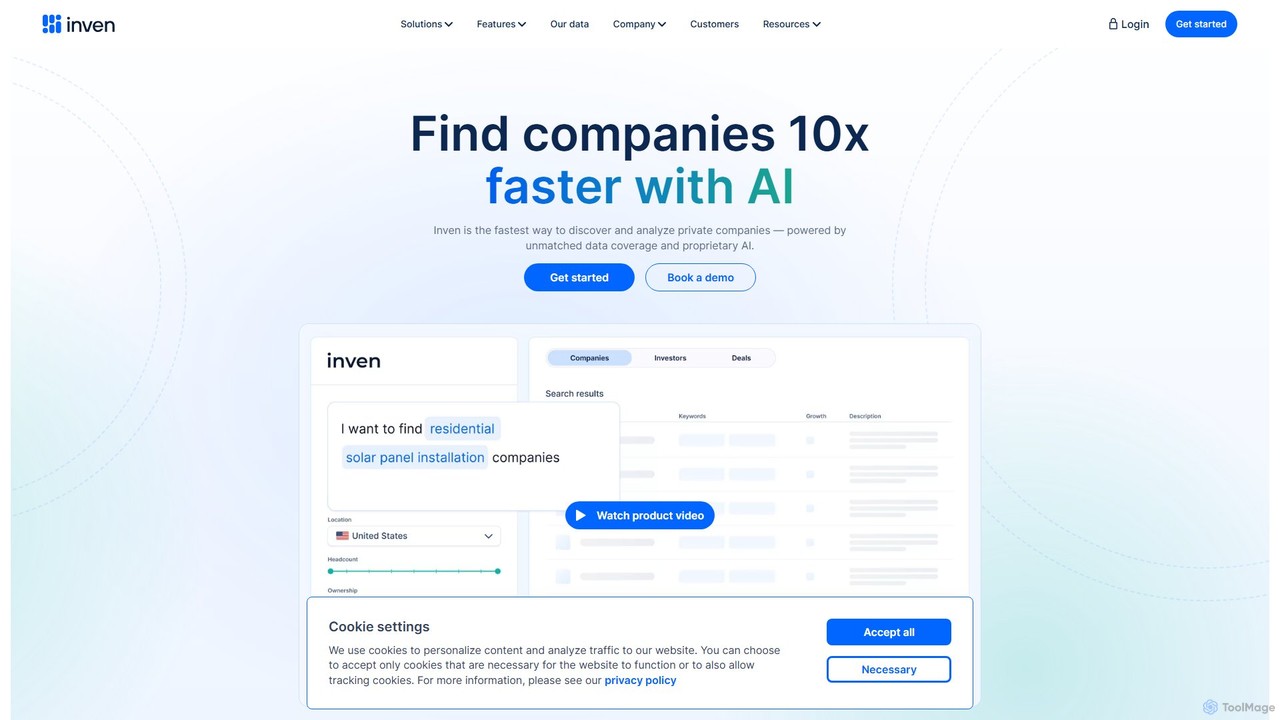
Inven is an AI-powered platform for M&A professionals, investment bankers, and private equity firms, designed to find M&A targets 10x faster. It leverages AI and NLP to scan millions of data sources, providing a comprehensive company database, advanced search, and real-time alerts to streamline deal sourcing, enhance market research, and provide a significant competitive advantage.

Lead Generation
Visits 93.3KFavorites 126Likes 128
Webapi.ai
Freemium

Webapi.ai

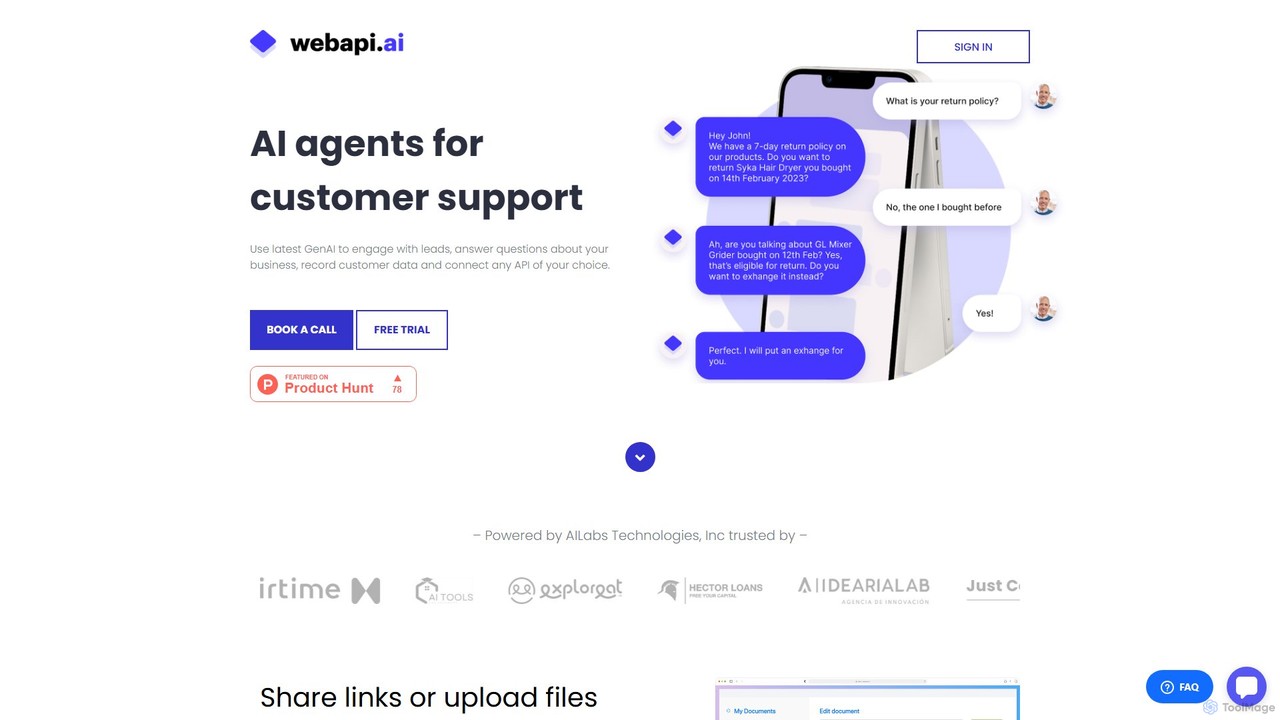
Webapi.ai offers advanced AI agents for automated customer support. Powered by leading models like GPT-4o and Llama3.2, it allows businesses to build intelligent chatbots trained on their own knowledge base. This provides instant, 24/7 responses, reduces support costs, and improves customer satisfaction through a scalable, easy-to-use platform.

Lead Generation
Visits 5.8KFavorites 130Likes 154
Roe AI
Freemium

Roe AI

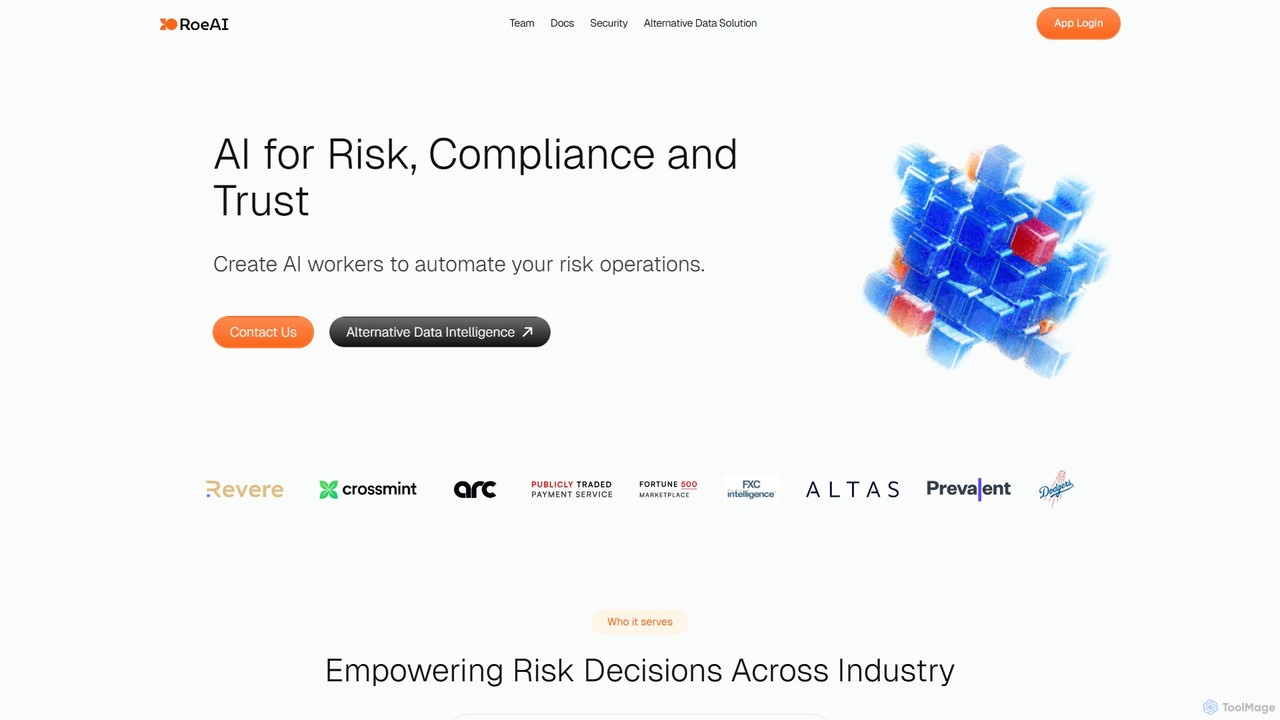
Roe AI is a platform that deploys AI agents to automate risk, compliance, and trust operations, specializing in perpetual Know Your Business (KYB) for SMBs. It also functions as an AI query engine for alternative data, transforming web content into structured insights for GTM teams, lead enrichment, and competitive analysis.

Lead Generation
Visits 6.8KFavorites 142Likes 141
Plotzy
Paid

Plotzy

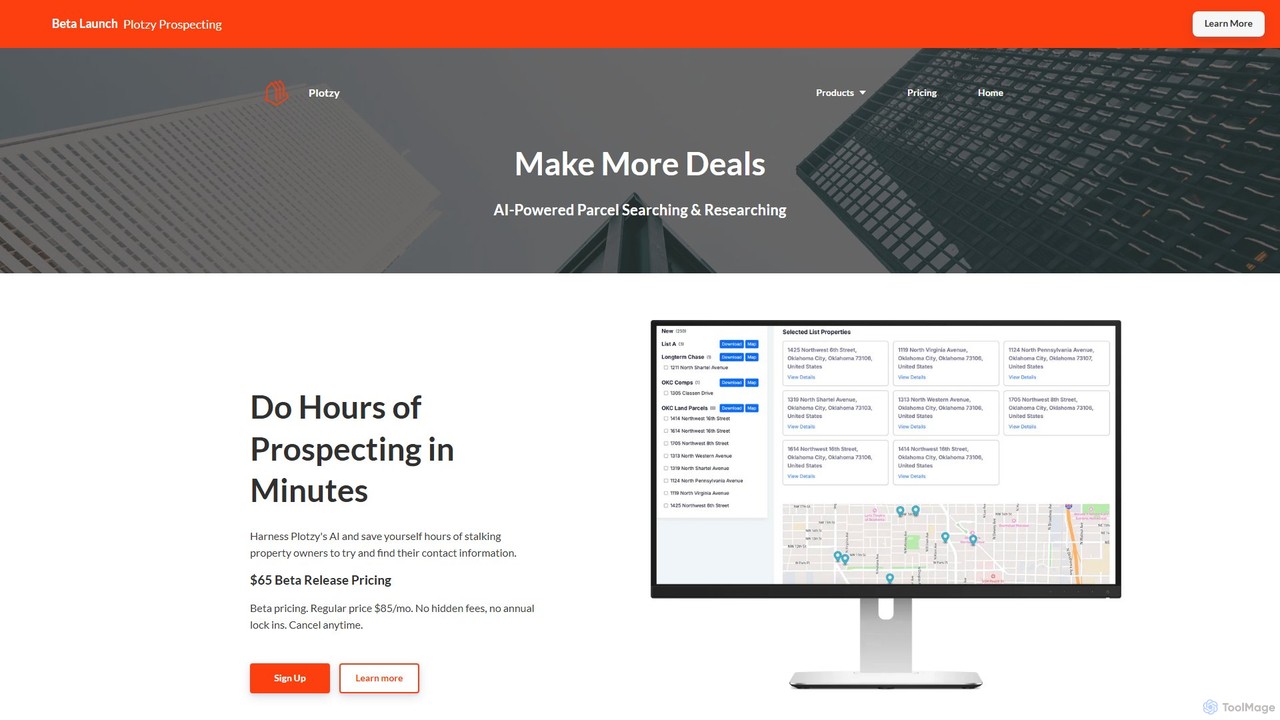
Plotzy is an AI-powered platform designed for real estate professionals to streamline parcel and zoning research. It provides comprehensive property data, owner contact information, and instant AI-driven zoning analysis. This tool helps brokers, developers, and investors find off-market deals, verify permitted uses, and accelerate the entire property acquisition process from prospecting to closing.

Lead Generation
Visits 11.3KFavorites 148Likes 147
Caseflood.ai
Paid

Caseflood.ai

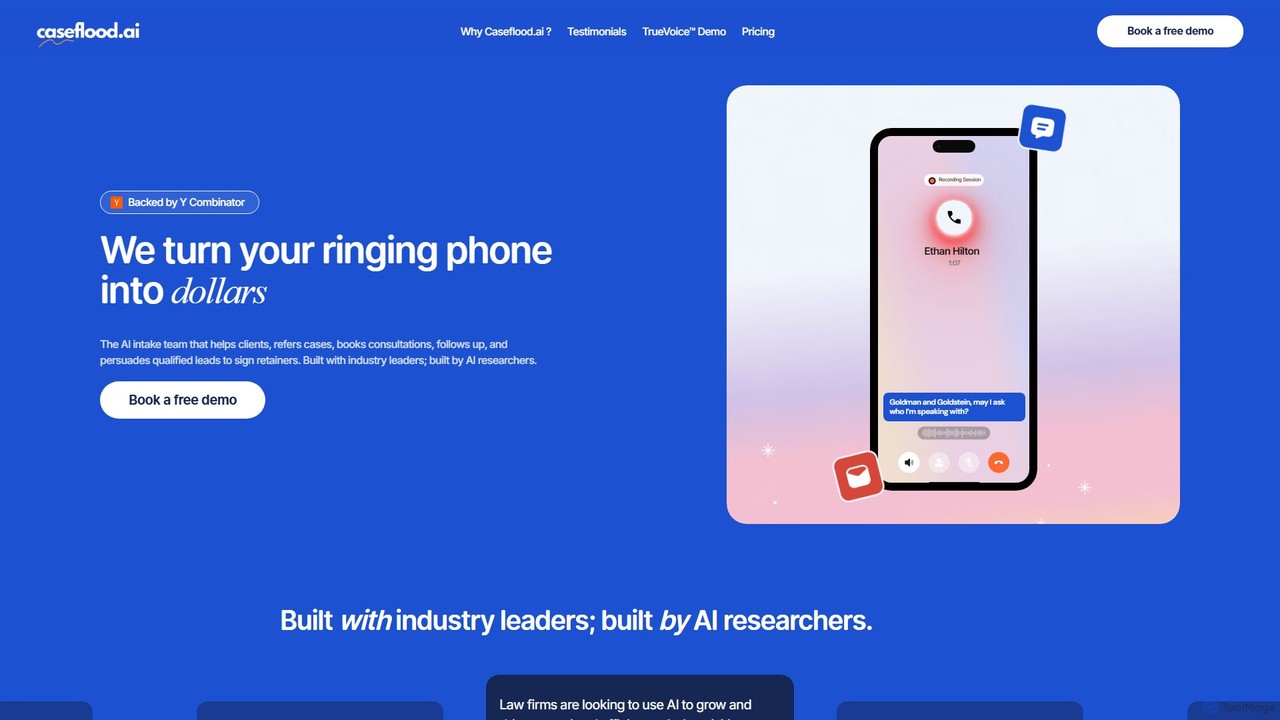
Caseflood.ai is an AI-powered intake team for law firms. It operates 24/7 to answer calls, qualify leads, book consultations, and sign retainers. It helps firms convert more leads into clients, generate referral revenue, and improve operational efficiency without missing a single call.

Lead Generation
Visits 8.3KFavorites 123Likes 127
Bidify
Paid

Bidify

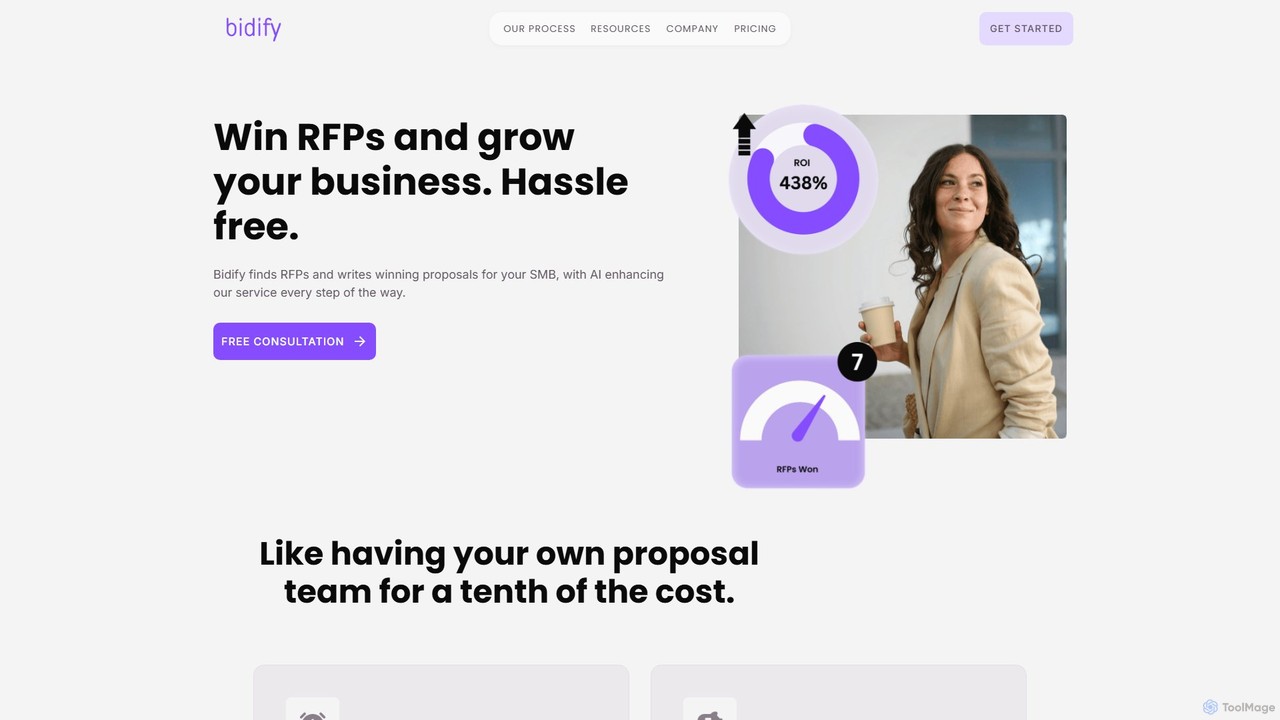
Bidify is a full-service solution combining AI technology and human experts to help businesses win more RFPs. It acts as an outsourced proposal team, handling the entire process from finding relevant bids to crafting and submitting winning proposals, saving time and increasing ROI.

Lead Generation
Visits 5.9KFavorites 162Likes 160
Benjamin Crozat
Paid

Benjamin Crozat

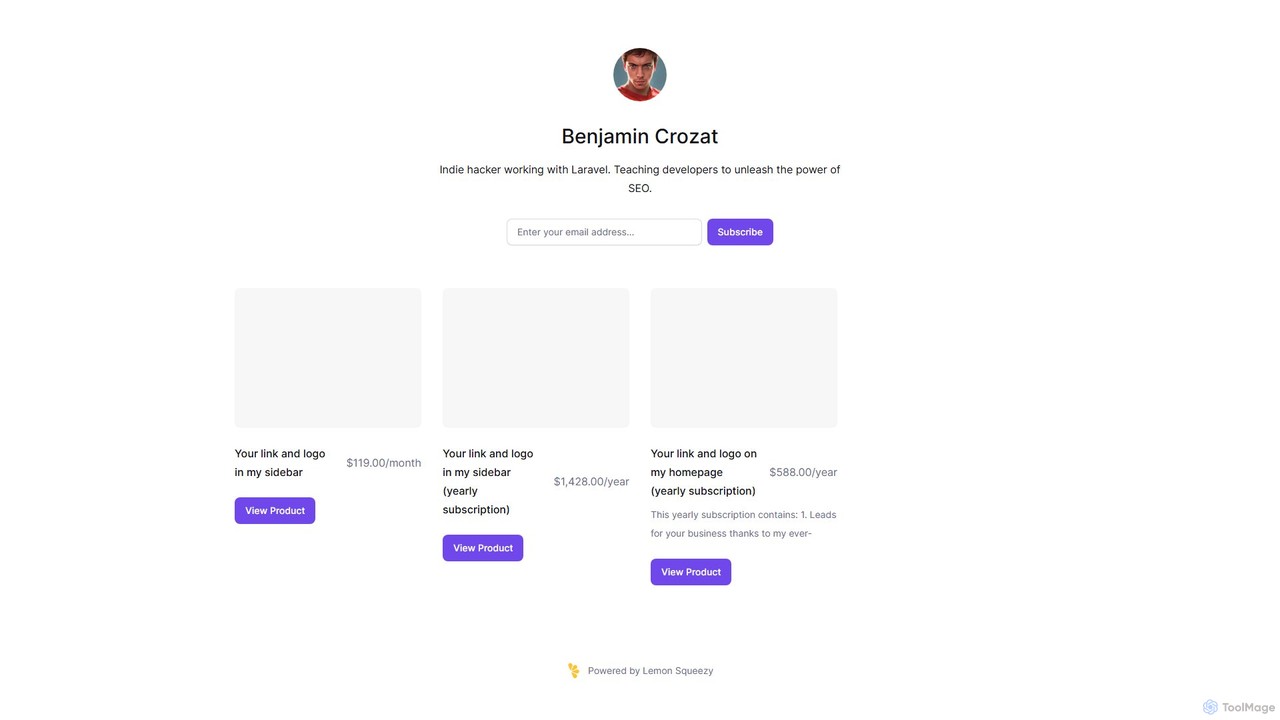
A premium advertising service offered by Benjamin Crozat, allowing businesses to place their link and logo on his high-traffic website. This service is designed to generate qualified leads, enhance brand visibility, and provide a valuable SEO backlink to improve search engine rankings.

Lead Generation
Visits 6KFavorites 134Likes 141
PhantomFlow
Freemium

PhantomFlow

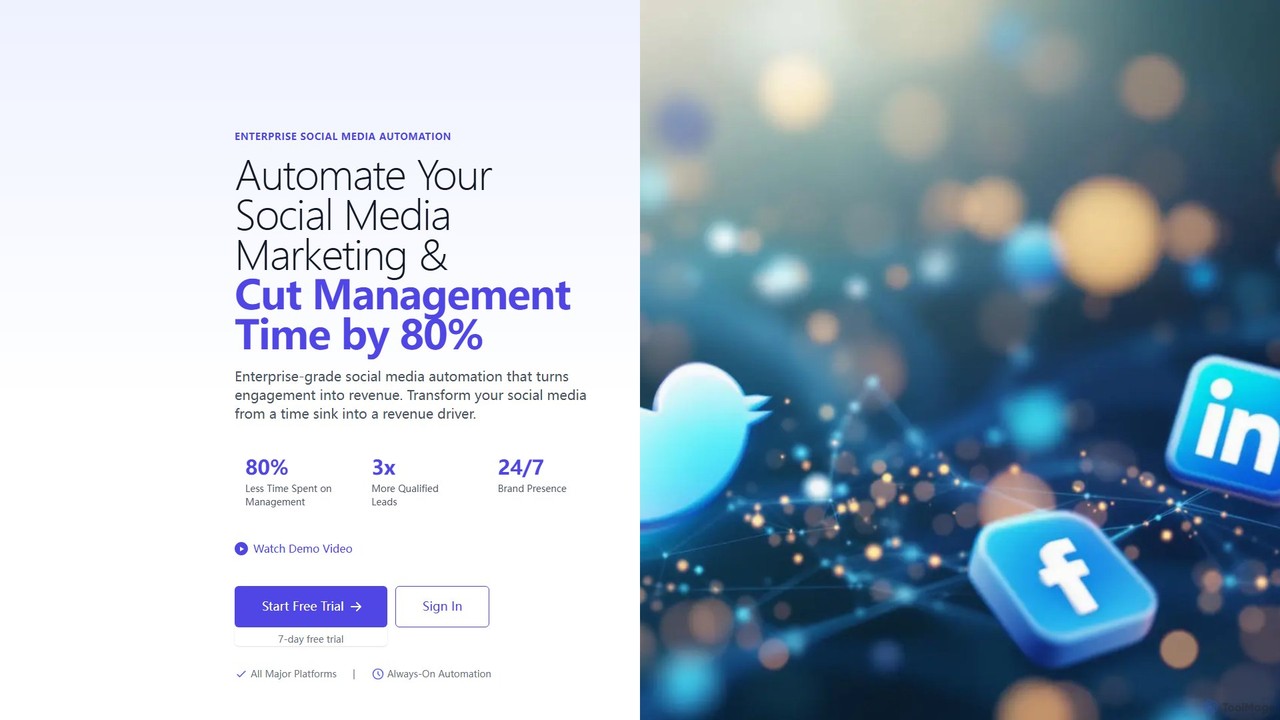
PhantomFlow is an enterprise-grade social media automation platform powered by AI. It helps businesses grow their brand by automating content creation, scheduling, and engagement across major platforms, aiming to reduce management time by 80% and convert social media activity into measurable revenue.

Lead Generation
Visits 6.7KFavorites 163Likes 168
Voolt
Paid

Voolt

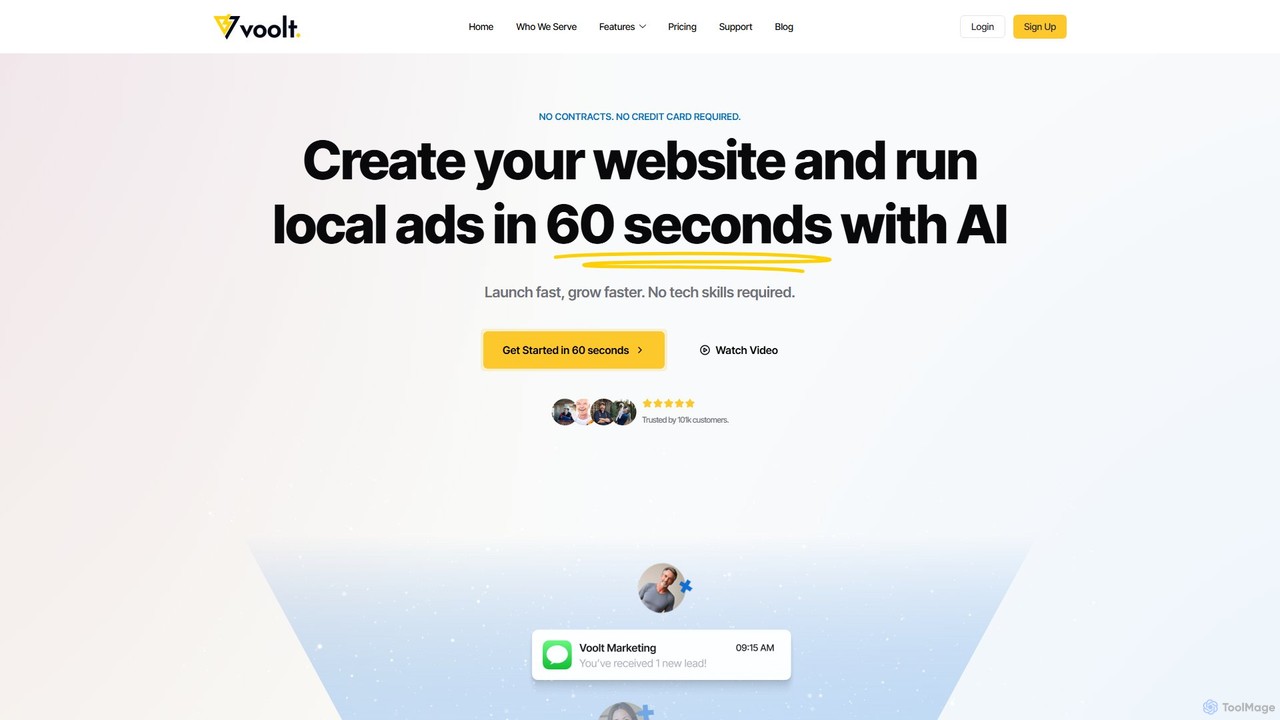
Voolt is an AI-powered platform designed for small businesses, offering automated advertising campaigns on Google and Meta, along with a rapid AI website builder. It simplifies digital marketing, automates lead generation, and helps businesses grow their online presence without needing expert knowledge or large budgets.

Lead Generation
Visits 17.3KFavorites 159Likes 146

About Lead Generation

AI Lead Generation tools are a class of software that automates and enhances the process of identifying, qualifying, and engaging potential customers. These tools leverage machine learning and data mining to analyze vast datasets, predict high-quality leads, and personalize outreach at scale. They are essential for sales and marketing teams to build a robust sales pipeline, improve conversion rates, and accelerate revenue growth. Unlike manual prospecting, they provide data-driven insights that allow teams to focus on building relationships rather than on repetitive data collection.

Core Features

  • Prospect Identification & Scoring: Uses AI to find contacts matching your Ideal Customer Profile (ICP) and ranks them based on their likelihood to convert.
  • Contact Data Enrichment: Automatically finds, verifies, and appends missing contact information like emails, phone numbers, and job titles to your records.
  • Automated Outreach Sequencing: Creates and manages multi-channel outreach campaigns (email, social media) with personalized, AI-generated messaging.
  • Buyer Intent Analysis: Monitors online signals, such as website visits or content downloads, to identify prospects actively researching solutions like yours.

Use Cases

These tools are primarily used by B2B sales development representatives (SDRs), account executives, and marketing managers. Industries like SaaS, professional services, and technology rely heavily on them to generate a consistent flow of qualified leads. They are also valuable for startups seeking to quickly build a customer base and for enterprises aiming to optimize their sales processes.

How to Choose

When selecting an AI Lead Generation tool, consider the quality and source of its data, as accuracy is paramount. Evaluate its integration capabilities with your existing CRM (e.g., Salesforce, HubSpot). Assess the flexibility in defining your Ideal Customer Profile (ICP) and the tool's compliance with data privacy regulations like GDPR and CCPA. Finally, compare pricing models, which may be based on user seats, data credits, or successful leads.

Featured tool rankings

Lead Generation use cases

1

Automating B2B Sales Prospecting

A Sales Development Representative (SDR) at a SaaS company needs to find 50 new qualified leads daily. Instead of manually searching LinkedIn or company directories, the SDR defines their Ideal Customer Profile (ICP) in the AI tool based on industry, company size, and technology used. The tool then scans millions of public sources to generate a verified list of decision-makers who fit the criteria, complete with email addresses and phone numbers. This reduces prospecting time from hours to minutes, allowing the SDR to focus on personalized outreach and booking meetings, ultimately increasing their pipeline contribution.

2

Enriching CRM Data for Targeted Campaigns

A marketing manager notices that their email campaigns have low engagement due to outdated or incomplete contact information in their CRM. They integrate an AI lead generation tool with their CRM. The tool automatically scans the existing database, enriches records by adding current job titles and verified email addresses, and flags contacts who have moved to new companies. With this clean and updated data, the manager can create highly segmented campaigns targeting specific roles or industries, resulting in a significant increase in open rates and lead quality.

3

Identifying High-Intent Buyers with Data Signals

An Account Executive wants to prioritize their outreach to accounts most likely to buy. They use an AI tool that tracks buyer intent signals across the web. The tool alerts the AE when a target account visits their pricing page, when their executives engage with a competitor's content on social media, or when the company posts a job opening for a role that would use their product. These signals indicate active interest, allowing the AE to time their outreach perfectly with a relevant message, significantly increasing the chances of securing a meeting with an in-market buyer.

4

Scaling Personalized Email Outreach

A startup founder needs to contact hundreds of potential investors and early adopters but lacks the time to write a unique email for each one. Using an AI lead generation tool, they upload a list of prospects. The tool's AI analyzes each prospect's LinkedIn profile and recent company news to generate personalized opening lines, such as congratulating them on a recent funding round or mentioning a shared connection. It then inserts these lines into a pre-written template and automates a multi-step follow-up sequence. This approach achieves a much higher reply rate than generic templates, leading to more productive conversations.

5

Building Targeted Lists for Events and Webinars

An event marketer is tasked with driving registrations for a highly specialized industry webinar. Instead of buying a generic marketing list, they use an AI lead generation tool to build a precise audience. They can filter for professionals by job title, industry, specific skills listed on their profiles, and even past attendance at similar events. The tool generates a clean list with verified business emails. This allows the marketer to send highly relevant invitations, resulting in a higher registration rate and ensuring the audience consists of genuinely interested and qualified participants.

6

Finding Leads from Public Tenders and RFPs

A business development manager at a government contracting firm needs to monitor thousands of public procurement websites for new opportunities. Manually checking these sites is inefficient. They configure an AI lead generation tool to scan these portals daily for keywords related to their services (e.g., "cybersecurity audit," "cloud migration services"). The tool automatically identifies relevant tenders and Requests for Proposals (RFPs), extracts key details, and finds the contact information for the procurement officers involved. This automates a critical but time-consuming task, ensuring they never miss a potential high-value contract.

Lead Generation FAQ

What are AI Lead Generation tools?

AI Lead Generation tools are software applications that use artificial intelligence to automate and improve the process of finding and qualifying potential customers. They analyze large datasets to identify prospects that match an ideal customer profile, enrich contact data with verified information, and often score leads based on their likelihood to convert. Unlike manual methods, they provide speed, scale, and data-driven accuracy to sales and marketing efforts.

How to choose the right AI Lead Generation tool?

To choose the right tool, consider these key factors:

  • Data Quality: Assess the accuracy, coverage, and freshness of the contact and company data provided.
  • Integration: Ensure it integrates smoothly with your existing CRM and marketing automation platforms to avoid manual data entry.
  • ICP Customization: Check how precisely you can define your Ideal Customer Profile (ICP) to get relevant leads.
  • Compliance: Verify that the tool complies with data privacy regulations like GDPR and CCPA.
  • Features: Compare features like lead scoring, intent data analysis, and outreach automation to match your team's workflow.
What's the difference between AI Lead Generation and a CRM?

The primary difference lies in their core function. An AI Lead Generation tool is designed for prospecting—finding and qualifying *new* potential customers to add to your pipeline. A CRM (Customer Relationship Management) tool is designed for managing relationships with *existing* contacts, leads, and customers. Lead generation tools feed new leads into the CRM, where the sales team then manages the relationship and sales process. They are complementary, not interchangeable.

Is the data from AI Lead Generation tools compliant with privacy laws?

Reputable AI Lead Generation tools prioritize compliance with data privacy laws like GDPR in Europe and CCPA in California. They typically source their data from publicly available information, such as company websites, press releases, and professional social networks, which is generally permissible for B2B marketing. However, it is crucial to verify a specific tool's data sourcing policies and compliance statements before using it to ensure you adhere to all legal requirements in your region.

Who can benefit from using AI Lead Generation tools?

A wide range of business professionals can benefit from these tools. The primary users are B2B sales and marketing teams, including:

  • Sales Development Representatives (SDRs): To automate prospecting and build lists of qualified leads.
  • Account Executives (AEs): To identify high-intent accounts and find key decision-makers.
  • Marketing Managers: To enrich databases for targeted campaigns and build audiences for events.
  • Startup Founders: To quickly build an initial customer base and reach out to investors.
  • Business Development Managers: To identify new market opportunities and strategic partnerships.