ToolMage
Sign in

Best 1 Learning And Development AI tools for Business

Popular Learning And Development AI tools in Business include Courseau, helping you work more efficiently.

Courseau
Freemium

Courseau

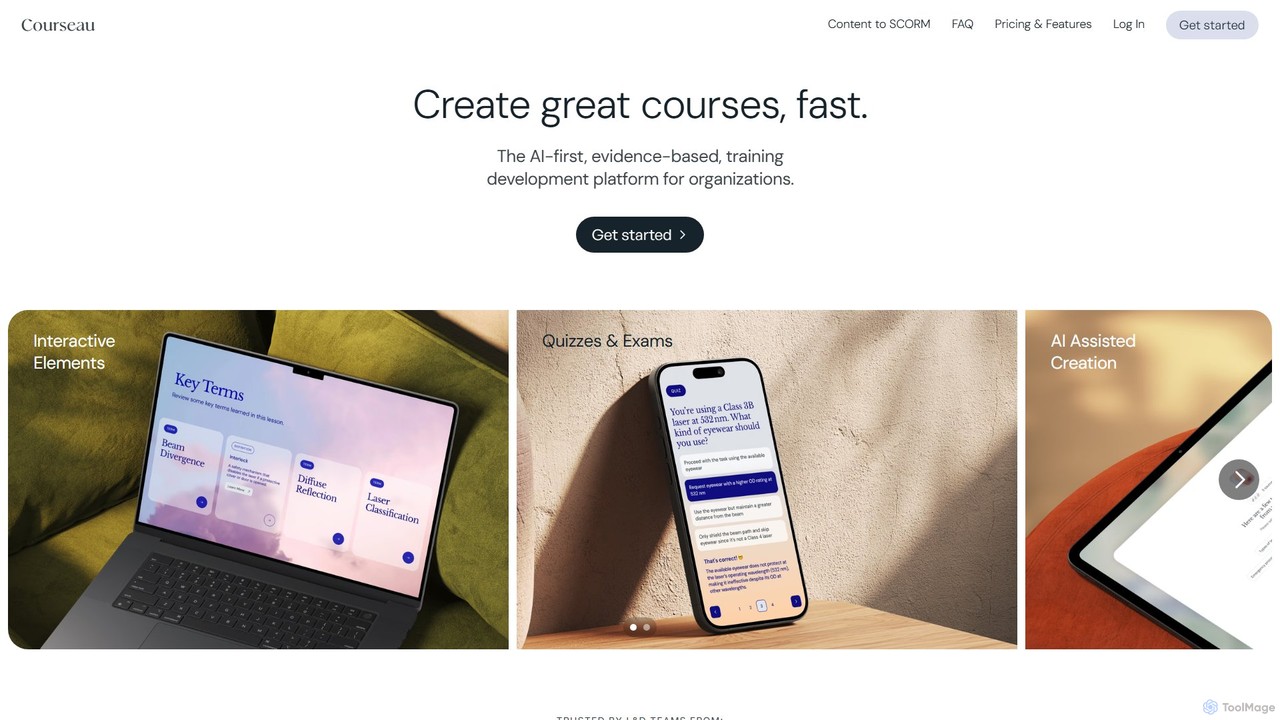
Courseau is an AI-first training development platform designed for organizations. It enables anyone, regardless of design experience, to rapidly create engaging, evidence-based courses from existing content like documents, videos, or audio files. It automates the creation of slides, quizzes, and narration, significantly reducing development time and costs.

Learning And Development
Visits 5.7KFavorites 138Likes 135

About Learning And Development

AI Learning and Development tools are a class of software designed to personalize and automate corporate training and employee skill enhancement. They leverage machine learning to analyze employee performance, identify skill gaps, and recommend tailored learning content. This approach helps organizations build a more agile and competent workforce, improve employee engagement, and accelerate career growth. Unlike traditional platforms, these AI tools can dynamically adapt learning paths in real-time based on individual progress and business objectives.

Core Features

  • Personalized Learning Paths: AI generates unique training plans for each employee based on their role, existing skills, and career goals.
  • Automated Content Creation: Automatically generates training materials like quizzes, summaries, and video scripts from existing corporate documents.
  • Skill Gap Analysis: Intelligently identifies discrepancies between an employee's current skills and the competencies required for future roles.
  • Predictive Performance Analytics: Provides data-driven insights into training effectiveness, learner engagement, and future performance indicators.

Applicable Scenarios

These tools are primarily used by HR departments, L&D managers, and corporate trainers in mid-to-large enterprises. They are particularly valuable in fast-changing industries like tech, finance, and healthcare for continuous upskilling, new hire onboarding, and leadership development programs.

Selection Criteria

When choosing a tool, consider its integration capabilities with your existing HRIS or LMS, the quality and breadth of its content library, the sophistication of its personalization algorithms, and the depth of its analytics and reporting features. Scalability to support your organization's growth is also a critical factor.

Featured tool rankings

Learning And Development use cases

1

Automated Onboarding for New Hires

An HR manager at a growing tech company uses an AI L&D platform to streamline the onboarding process. For each new software engineer, the system automatically assigns a personalized 90-day learning path. This path includes modules on the company's coding standards, security protocols, and project management tools, tailored to their specific team. The AI monitors progress, identifies areas where the new hire is struggling, and suggests supplementary resources or mentor check-ins, reducing ramp-up time by 30%.

2

Upskilling Workforce for Digital Transformation

A manufacturing firm identifies a need to upskill its workforce for Industry 4.0. The L&D department uses an AI tool to analyze current job roles and predict future skill requirements, such as data analytics and IoT device management. The platform then creates targeted upskilling programs for employees in at-risk roles. It delivers micro-learning modules via mobile devices, allowing factory floor workers to learn during downtime, ensuring a smooth transition and retaining valuable institutional knowledge.

3

Developing Future Leaders with AI Coaching

A global consulting firm implements an AI-powered leadership development program for high-potential managers. The platform analyzes communication patterns (from anonymized emails and chat logs) to identify areas for improvement, such as clarity or empathy. It then provides personalized coaching through a chatbot, offering real-time feedback, role-playing scenarios for difficult conversations, and curated articles on leadership strategies. This scalable approach provides consistent coaching to managers across different continents.

4

Generating Dynamic Sales Training Content

A sales director for a SaaS company uses an AI L&D tool to keep their team's product knowledge sharp. Whenever the product is updated, the director uploads the release notes to the AI platform. The tool automatically generates new micro-learning modules, updates the product knowledge base, and creates interactive quizzes and role-playing scenarios based on the new features. This ensures the entire sales team is consistently and quickly brought up to speed, reducing the training content creation time by over 75%.

5

Managing Compliance and Certification Training

In a highly regulated industry like finance, a compliance officer uses an AI L&D platform to manage mandatory annual training. The system automatically enrolls employees in required courses based on their roles, tracks completion rates in real-time, and sends intelligent reminders. For those who fail an assessment, the AI assigns remedial modules focused specifically on their weak areas. This automates a complex administrative task, ensures 100% compliance, and creates a clear audit trail for regulators.

6

Personalized Soft Skills Coaching at Scale

A large customer service center aims to improve agent empathy and problem-solving skills. They deploy an AI L&D tool that provides a virtual role-playing partner for agents to practice difficult customer conversations. The AI simulates various customer personas and scenarios, providing instant, private feedback on the agent's tone, word choice, and resolution effectiveness. This allows hundreds of agents to receive personalized coaching simultaneously, leading to a measurable increase in customer satisfaction scores.

Learning And Development FAQ

What are AI Learning and Development tools?

AI Learning and Development (L&D) tools are software platforms that use artificial intelligence to create personalized, adaptive, and efficient corporate training experiences. Unlike traditional systems that offer a one-size-fits-all curriculum, AI L&D tools analyze individual employee data—such as role, performance, and career goals—to recommend specific content, identify skill gaps, and even generate new training materials automatically. Their primary goal is to make corporate learning more effective, engaging, and aligned with business objectives.

How do I choose the right AI L&D tool for my company?

Choosing the right tool depends on your specific needs. Consider these key factors:

  • Integration: Does it integrate smoothly with your existing systems like HRIS, LMS, or communication platforms (e.g., Slack, Teams)?
  • Content: Does it offer a robust library of relevant content, or does it excel at creating custom content from your internal documents?
  • Personalization Engine: How sophisticated is the AI? Can it create truly individualized learning paths based on multiple data points?
  • Analytics and Reporting: Does it provide actionable insights into skill development, training ROI, and employee engagement?
  • User Experience: Is the platform intuitive and engaging for both learners and administrators?
What's the difference between an AI L&D platform and a traditional LMS?

A traditional Learning Management System (LMS) is primarily a system of record. It's used to host, deliver, and track completion of pre-made courses. It's often a passive, library-like experience. An AI L&D platform, on the other hand, is a dynamic system of engagement. It proactively recommends content, personalizes learning paths in real-time, identifies skill gaps, and can even create content. The key difference is the shift from a static content repository (LMS) to an intelligent, adaptive learning partner (AI L&D).

What are the main benefits of using AI in corporate training?

The primary benefits of integrating AI into corporate L&D include:

  • Increased Engagement: Personalized content that is relevant to an employee's specific role and goals is far more engaging than generic courses.
  • Improved Efficiency: AI automates administrative tasks like course assignment and progress tracking, freeing up L&D professionals to focus on strategy.
  • Higher ROI: By targeting specific skill gaps that align with business needs, training becomes more impactful and delivers a better return on investment.
  • Scalability: AI allows for personalized coaching and development to be delivered to thousands of employees simultaneously, something that is not feasible with human trainers alone.
Can AI L&D tools create training content automatically?

Yes, many advanced AI Learning and Development tools have content generation capabilities. They can take existing company resources—such as technical documentation, product manuals, internal wikis, or even recorded meetings—and automatically transform them into structured learning materials. This can include creating course outlines, writing summaries, generating quiz questions, and even producing scripts for training videos. This feature significantly reduces the time and effort required from instructional designers and subject matter experts to create new training programs.