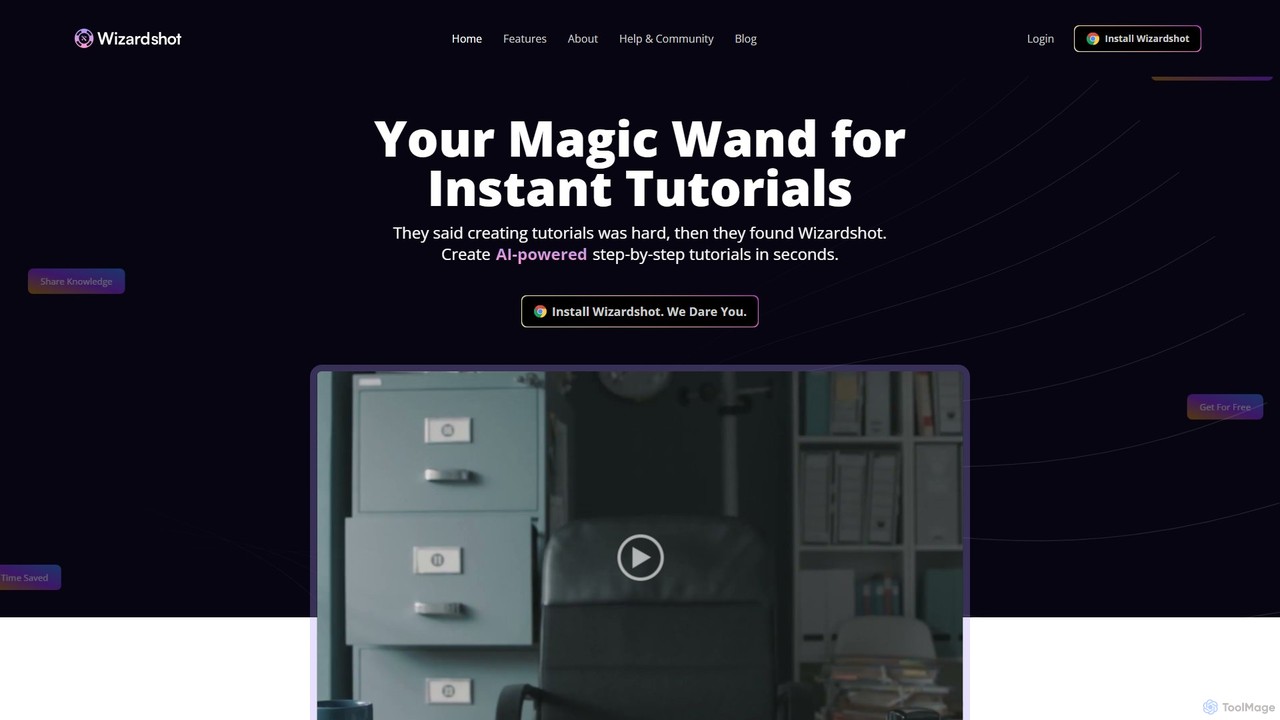
AI Onboarding tools are specialized platforms that leverage artificial intelligence to automate and personalize the process of integrating new employees, customers, or users. These tools utilize machine learning and natural language processing to deliver tailored content, provide instant support, and track progress, significantly enhancing the initial experience. They aim to improve user adoption, accelerate employee time-to-productivity, and ensure a consistent, engaging introduction to any system or organization.
Core Features
- Personalized Learning Paths: Dynamically adjusts training content and tasks based on individual roles, knowledge levels, and progress.
- Automated Task Management: Assigns, tracks, and reminds users about essential onboarding tasks, from paperwork to training modules.
- AI Chatbots & Virtual Assistants: Provides immediate answers to frequently asked questions and offers guided support throughout the onboarding journey.
- Content Recommendation Engine: Suggests relevant resources, documents, and training materials to users based on their needs and interactions.
- Performance Analytics & Insights: Monitors engagement, completion rates, and identifies bottlenecks to optimize the onboarding process.
Applicable Scenarios
AI Onboarding tools are invaluable across various sectors. HR departments use them to streamline new employee orientation, automating administrative tasks and delivering personalized training. Product teams deploy them to guide new customers through complex software features, ensuring faster product adoption. Additionally, they assist in integrating new partners or vendors by automating compliance checks and resource sharing.
How to Choose
When selecting an AI Onboarding tool, prioritize its integration capabilities with existing HRIS, CRM, or LMS systems to ensure seamless data flow. Evaluate the level of customization and personalization offered, allowing for tailored experiences across different user segments. Consider the sophistication of its AI features, such as NLP for chatbots and advanced analytics. Finally, assess the user-friendliness of both the administrator interface and the new user experience.