ToolMage
Sign in

Best 39 Operations Management AI tools for Business

Popular Operations Management AI tools in Business include OPAX.ai, ropuz, Instawork, Tomorrow.io, Coursedog, Tractian, hibambi, Checkbox, Teambridge, and Asti Infotech, helping you work more efficiently.

VoyagerAid
Paid

VoyagerAid

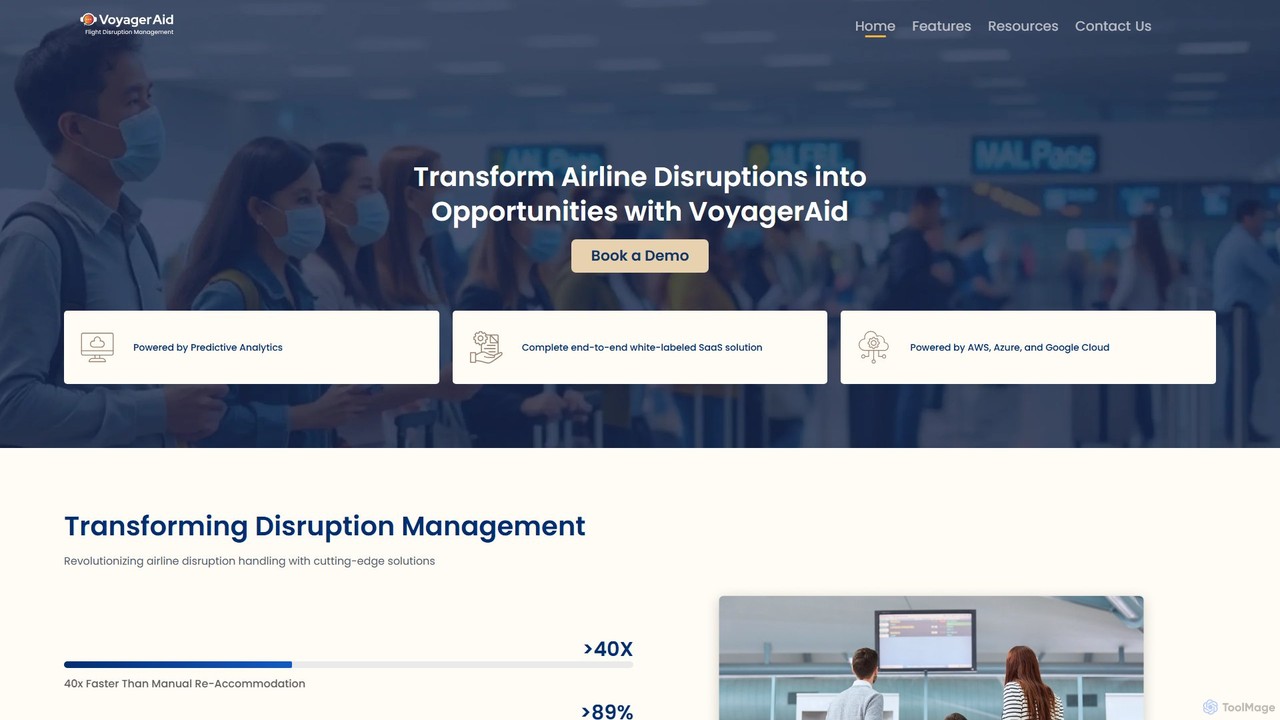
VoyagerAid is an AI-powered airline disruption management system for airlines of all sizes. It uses predictive analytics to anticipate flight disruptions, automates passenger rebooking and communication, and streamlines compensation. The platform aims to reduce operational costs, enhance passenger satisfaction, and turn potential crises into opportunities for improved customer loyalty.

Operations Management
Visits 7.7KFavorites 146Likes 123
Instawork
Paid

Instawork

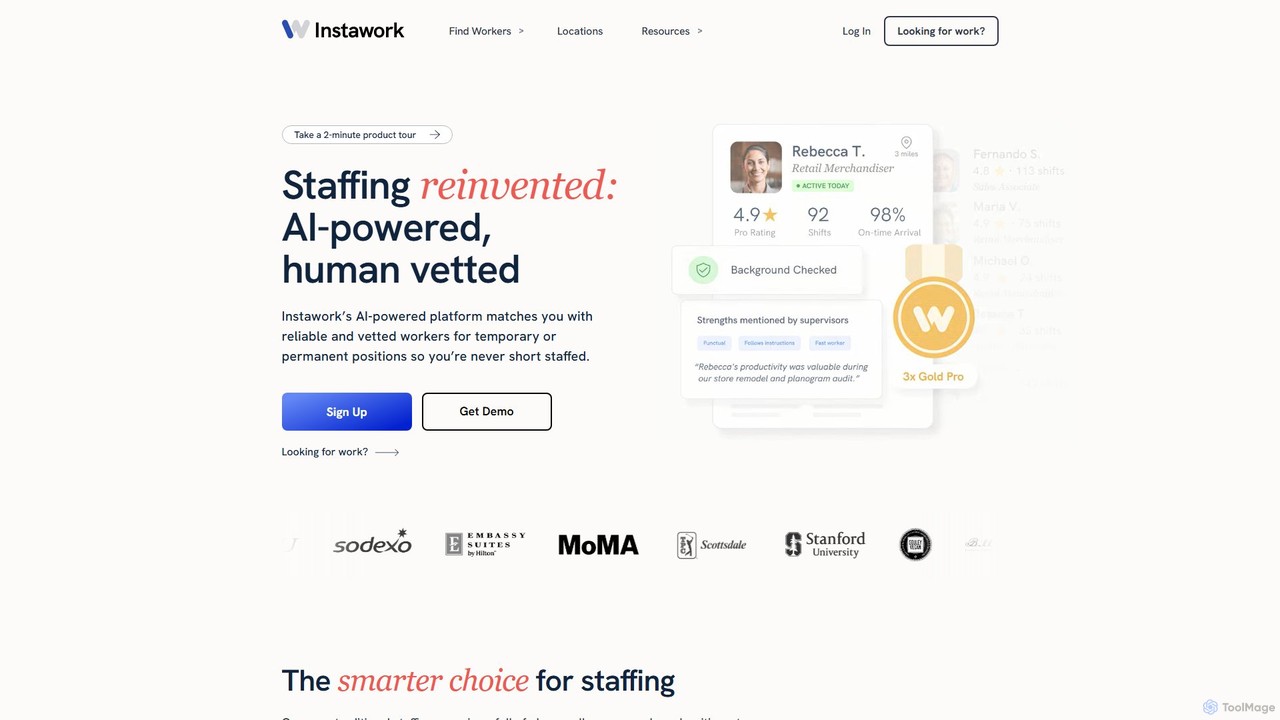
Instawork is an AI-powered staffing platform that connects businesses with a network of reliable, vetted hourly workers. It streamlines the hiring process for temporary, long-term, and permanent roles across industries like hospitality, warehousing, and retail, filling shifts in under 24 hours.

Operations Management
Visits 616.9KFavorites 143Likes 148
qbyte
Paid

qbyte

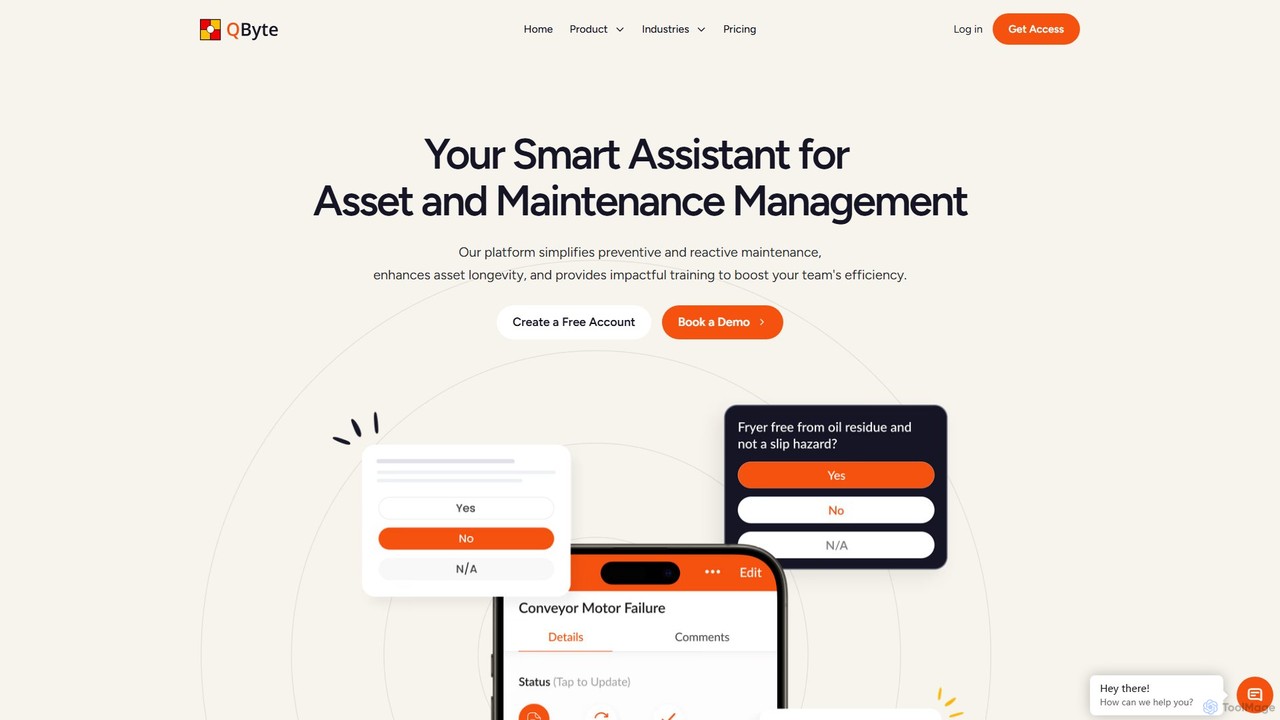
QByte is an AI-powered smart assistant for asset and maintenance management. It centralizes operations, including work orders, asset tracking, preventive maintenance, and team training. Designed for industries like manufacturing and facility management, QByte uses AI insights to reduce downtime, enhance safety, and boost productivity. The platform streamlines workflows, extends asset life, and provides actionable reports to optimize maintenance strategies and reduce costs.

Operations Management
Visits 5.8KFavorites 136Likes 135
Tomorrow.io
Freemium

Tomorrow.io

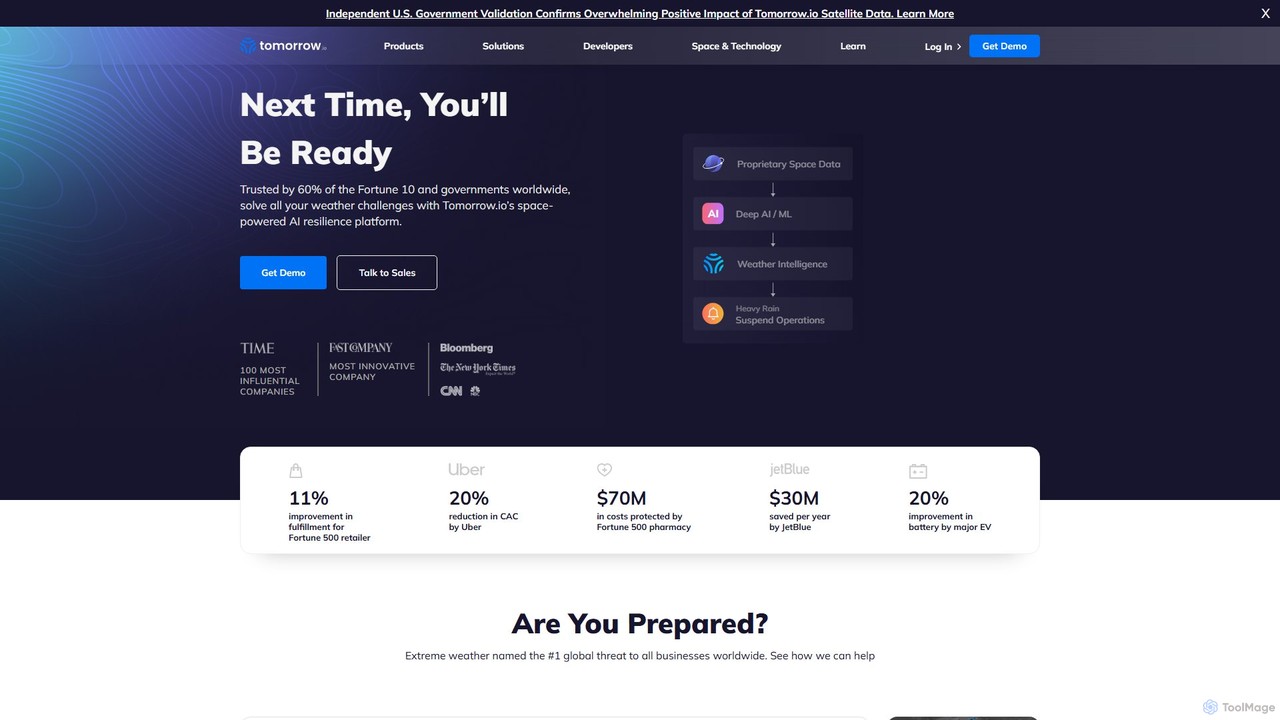
Tomorrow.io is a leading weather intelligence and climate resilience platform. Leveraging proprietary space-based data and advanced AI/ML models, it provides hyper-accurate weather forecasts and actionable insights to help businesses and governments mitigate risks, optimize operations, and adapt to the impacts of extreme weather. The platform offers industry-specific solutions and a powerful, LLM-ready weather API for seamless integration.

Operations Management
Visits 385.1KFavorites 174Likes 172
ropuz
Freemium

ropuz

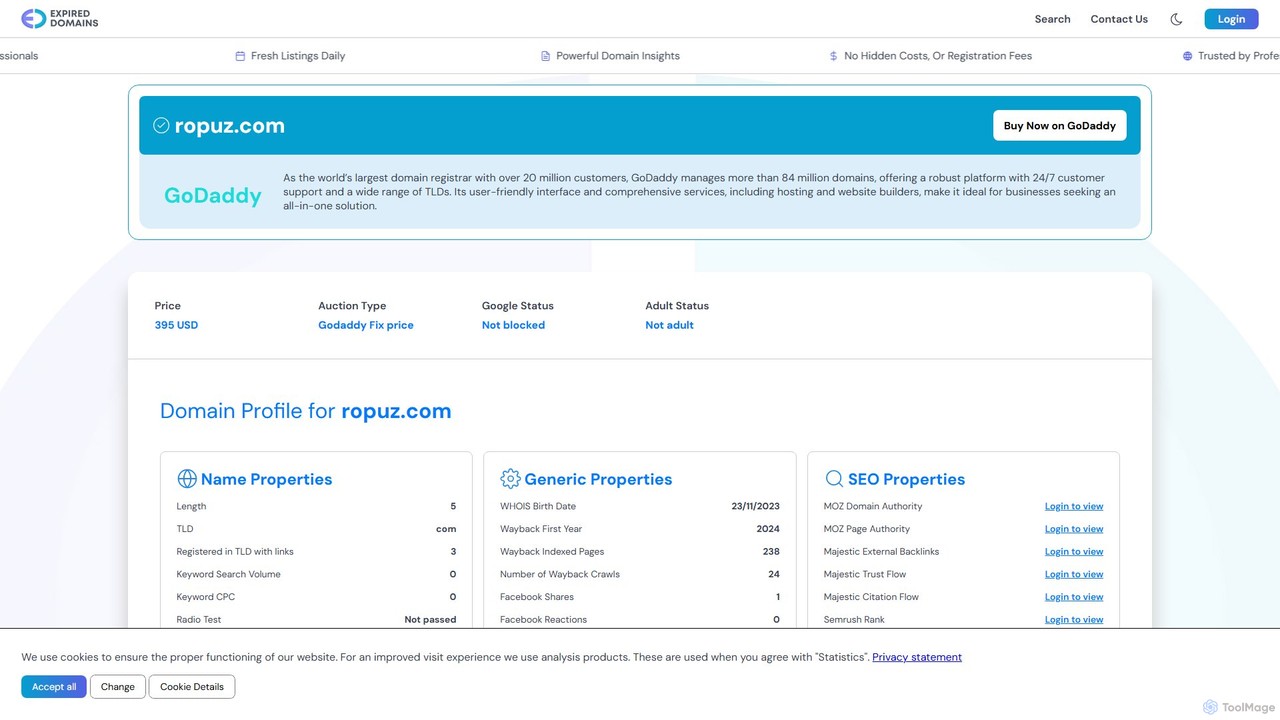
ropuz is an AI-powered decision intelligence platform that helps businesses solve complex operational puzzles. It uses advanced algorithms to optimize logistics, workforce scheduling, and supply chain management, turning intricate challenges into actionable, efficient solutions.

Operations Management
Visits 1.8MFavorites 133Likes 149
Olive
Freemium

Olive

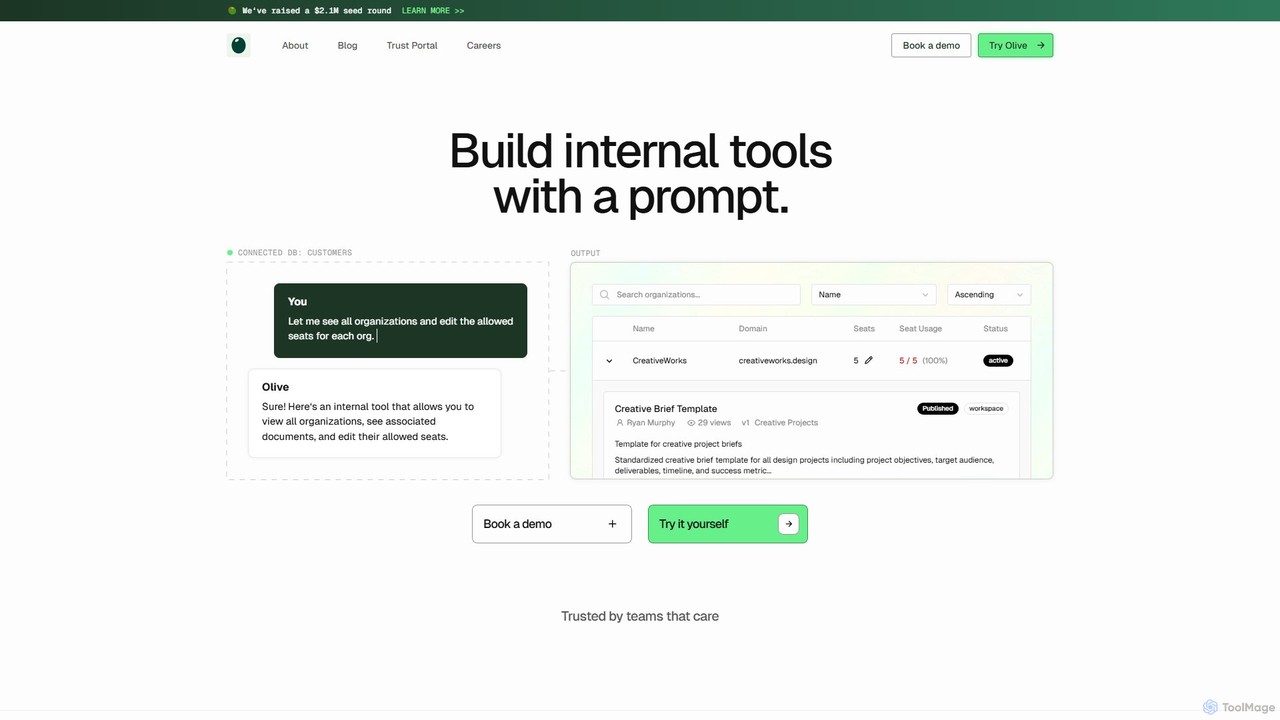
Olive is an AI-powered platform that enables teams to build and deploy internal tools, dashboards, and admin panels using simple natural language prompts. By securely connecting to your database, Olive understands your data schema and generates production-ready applications in minutes, freeing up engineering resources to focus on core product development.

Operations Management
Visits 5.8KFavorites 165Likes 154
Teambridge
Paid

Teambridge

Teambridge is a modern, composable workforce management platform designed for businesses with hourly or distributed staff. It offers highly customizable modules for hiring, scheduling, time tracking, and payroll, along with a no-code automation builder and a custom-branded mobile app for employees. It integrates seamlessly with existing systems to streamline operations and enhance efficiency.

Operations Management
Visits 36.8KFavorites 125Likes 129
ModernLoop
Paid

ModernLoop

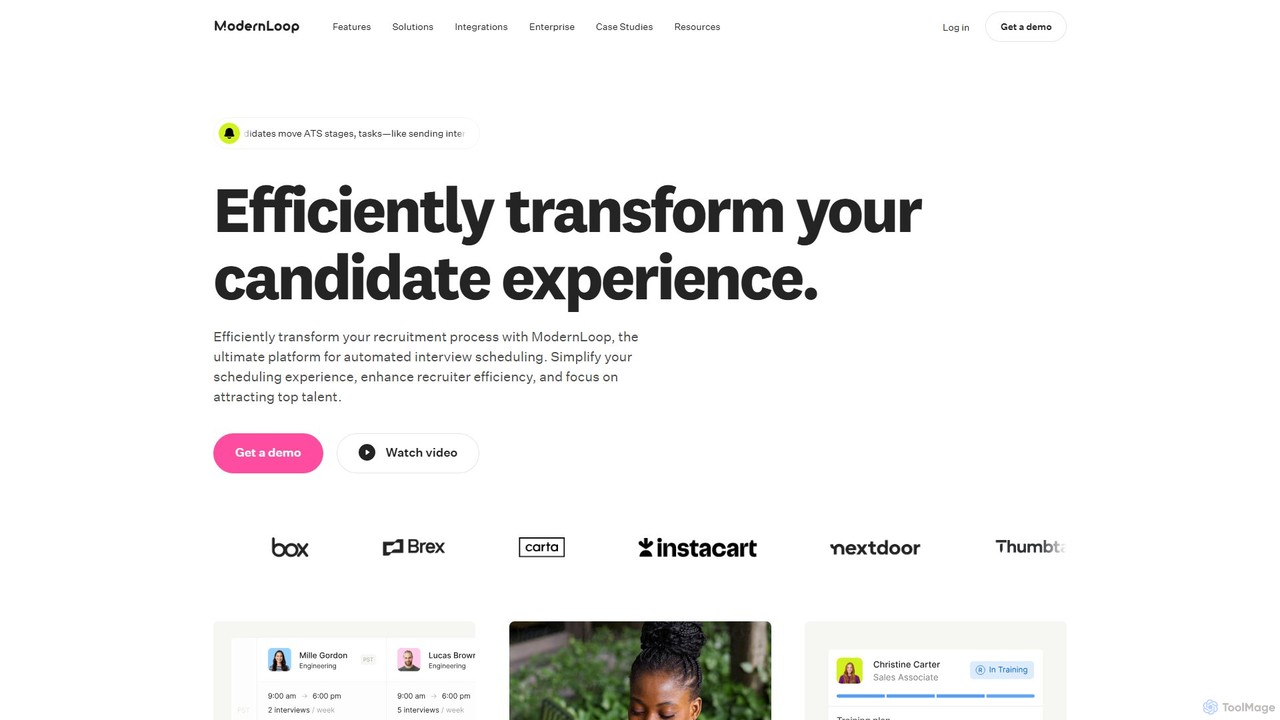
ModernLoop is a recruitment operations platform that automates interview scheduling to enhance efficiency and candidate experience. It integrates with your ATS to eliminate manual tasks, intelligently balance interviewer workloads, and provide data-driven insights, allowing recruiting teams to scale hiring efforts and attract top talent faster.

Operations Management
Visits 14.8KFavorites 165Likes 153
Coursedog
Paid

Coursedog

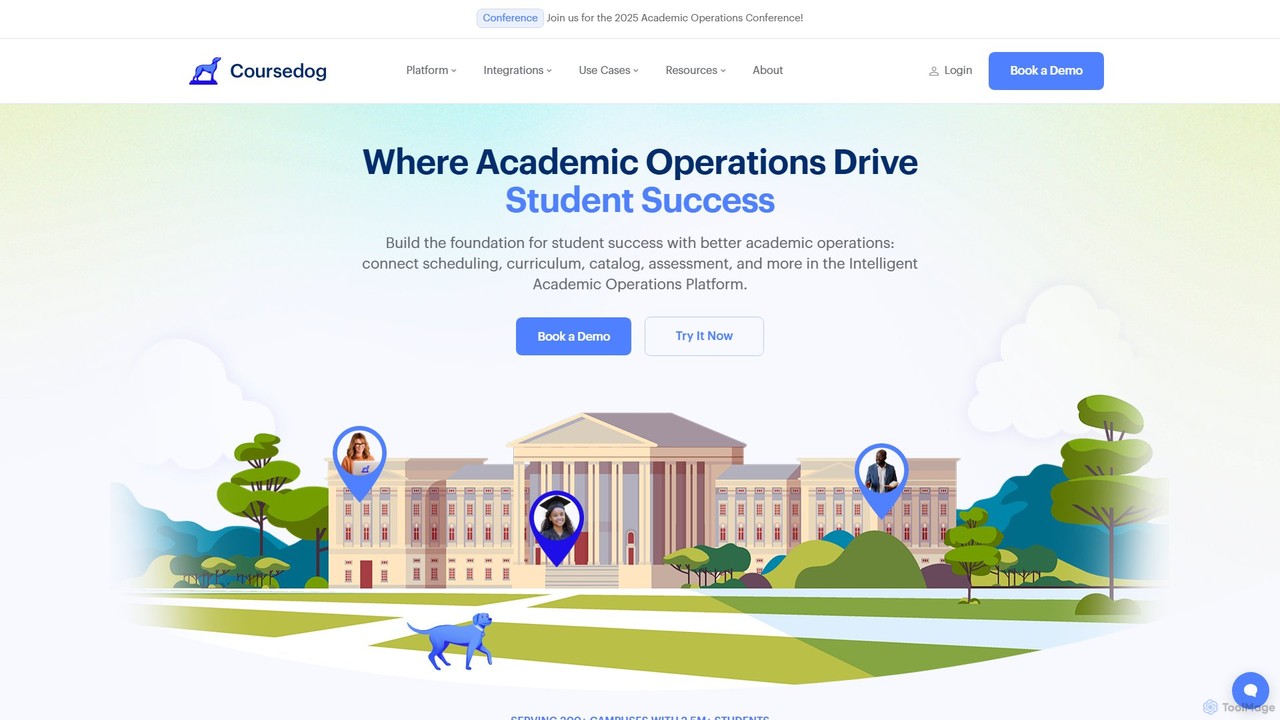
Coursedog is an intelligent, integrated academic operations platform for higher education institutions. It unifies and streamlines critical processes like scheduling, curriculum management, catalog creation, and assessment. By providing a single source of truth and powerful analytics, Coursedog helps universities improve operational efficiency, make data-driven decisions, and ultimately drive student success by removing barriers to on-time graduation.

Operations Management
Visits 319.1KFavorites 147Likes 145
Lineup.ai
Paid

Lineup.ai

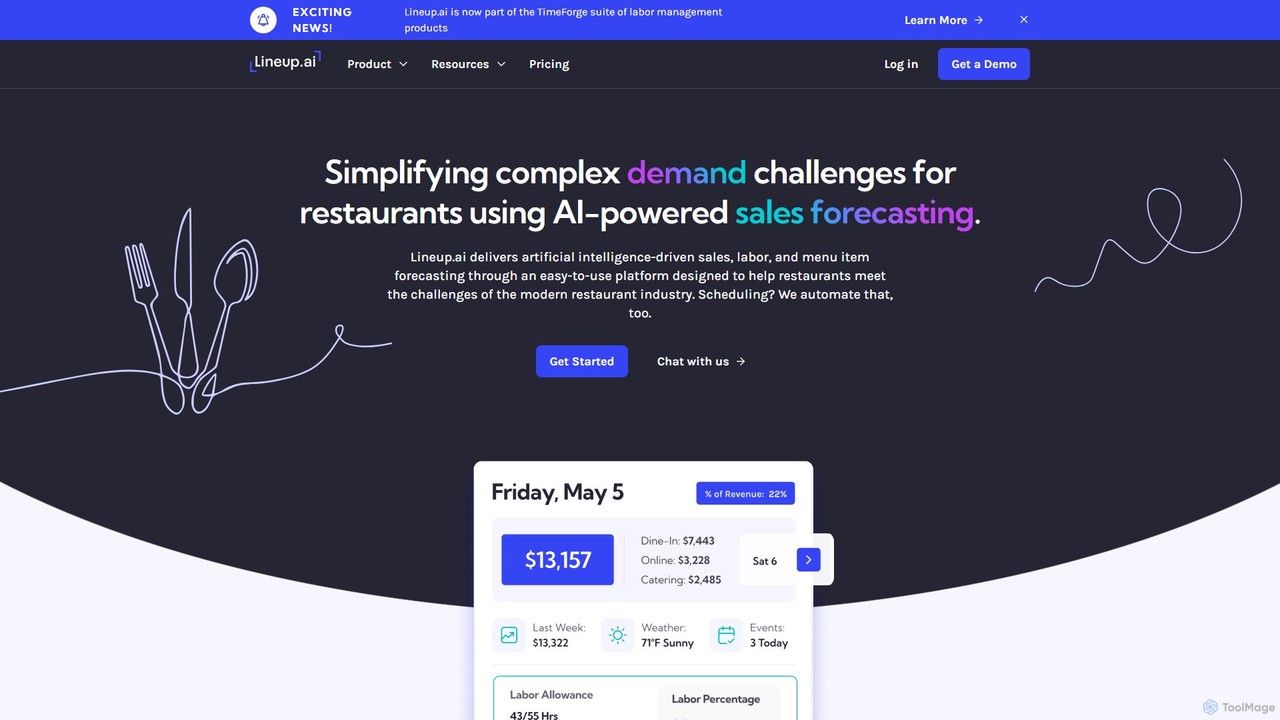
Lineup.ai is an AI-powered forecasting and scheduling platform for the restaurant industry. It delivers highly accurate sales, labor, and menu item forecasts by analyzing historical data, weather, and local events. The platform automates scheduling, optimizes labor costs, reduces food waste, and provides actionable analytics to improve profitability and operational efficiency for restaurants of any size.

Forecasting
Visits 9.2KFavorites 152Likes 137
bizmagnets
Paid

bizmagnets

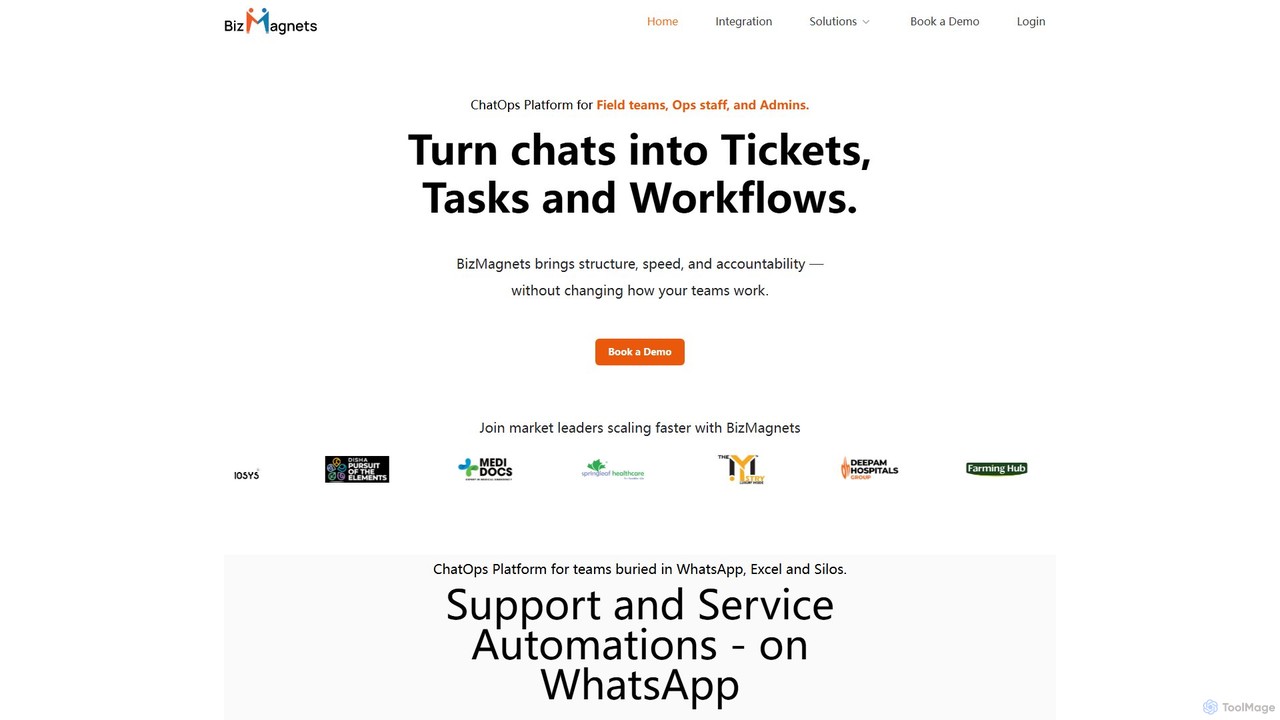
BizMagnets is a ChatOps platform that transforms WhatsApp conversations into structured, trackable actions. It enables teams to convert chats into tickets, tasks, and automated workflows, streamlining operations, customer support, and field service management directly within WhatsApp without needing to switch applications.

Operations Management
Visits 6.6KFavorites 135Likes 129
Checkbox
Paid

Checkbox

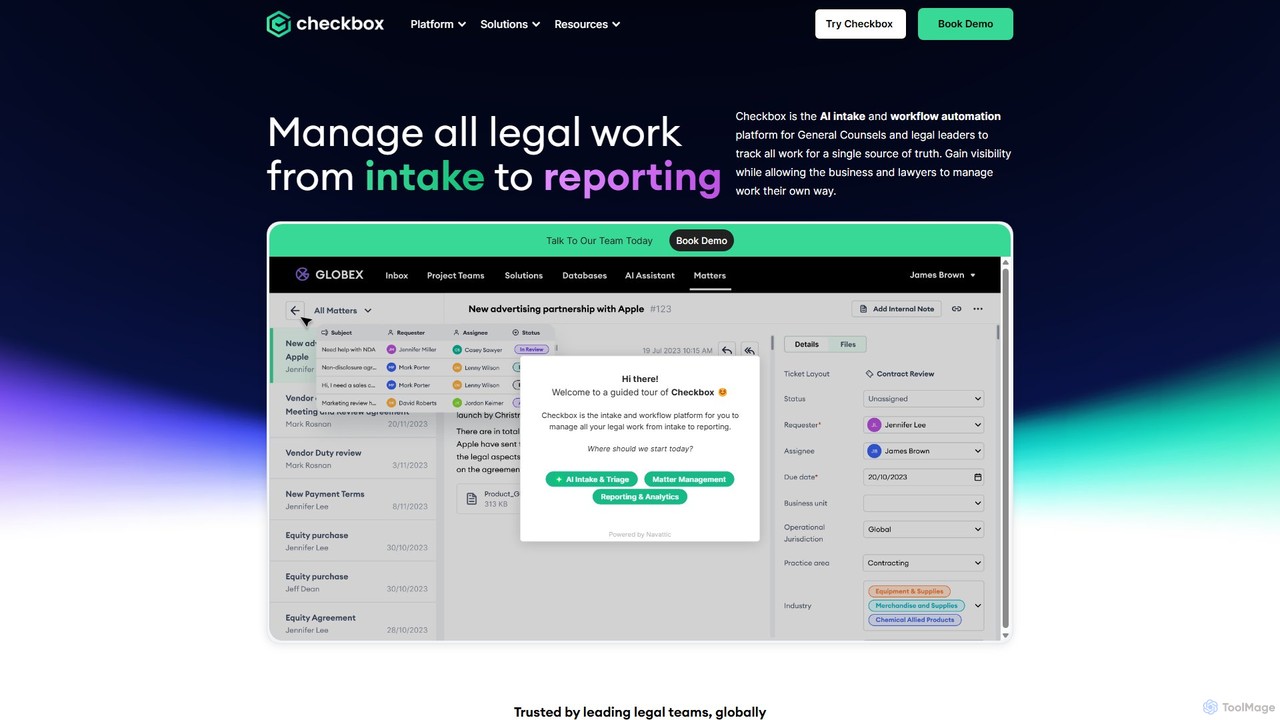
Checkbox is an AI-powered, no-code platform designed for legal teams to automate intake, triage, and workflows. It centralizes all legal requests from channels like email, Slack, and Salesforce into a single service hub. By automating repetitive tasks and providing comprehensive matter management and reporting, Checkbox empowers legal departments to increase efficiency, gain full visibility over their work, and focus on high-impact strategic initiatives.

Operations Management
Visits 42.2KFavorites 154Likes 150
Manaflow
Paid

Manaflow

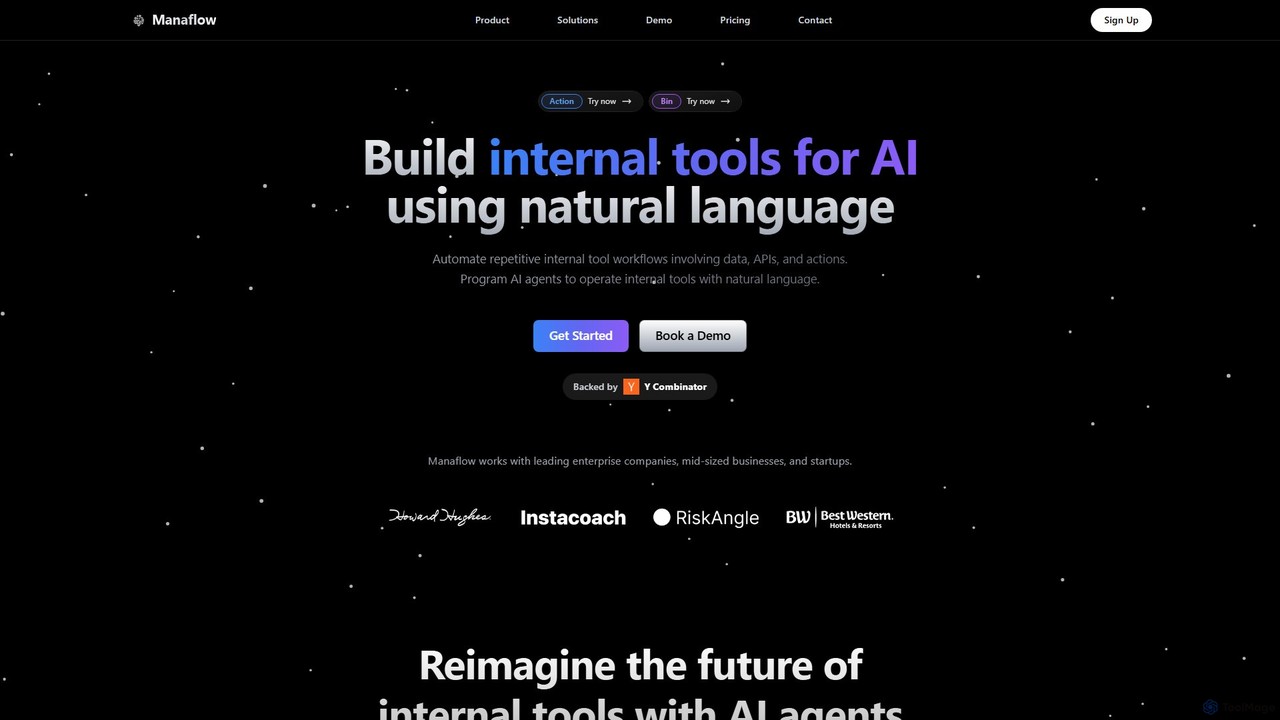
Manaflow is a no-code platform that enables businesses to build internal tools and automate complex workflows using natural language. Program AI agents to operate tools, connect to data sources and APIs, and streamline operations in sales, research, and more, freeing up valuable engineering resources.

Operations Management
Visits 6.6KFavorites 148Likes 169
PatientIntake
Paid

PatientIntake

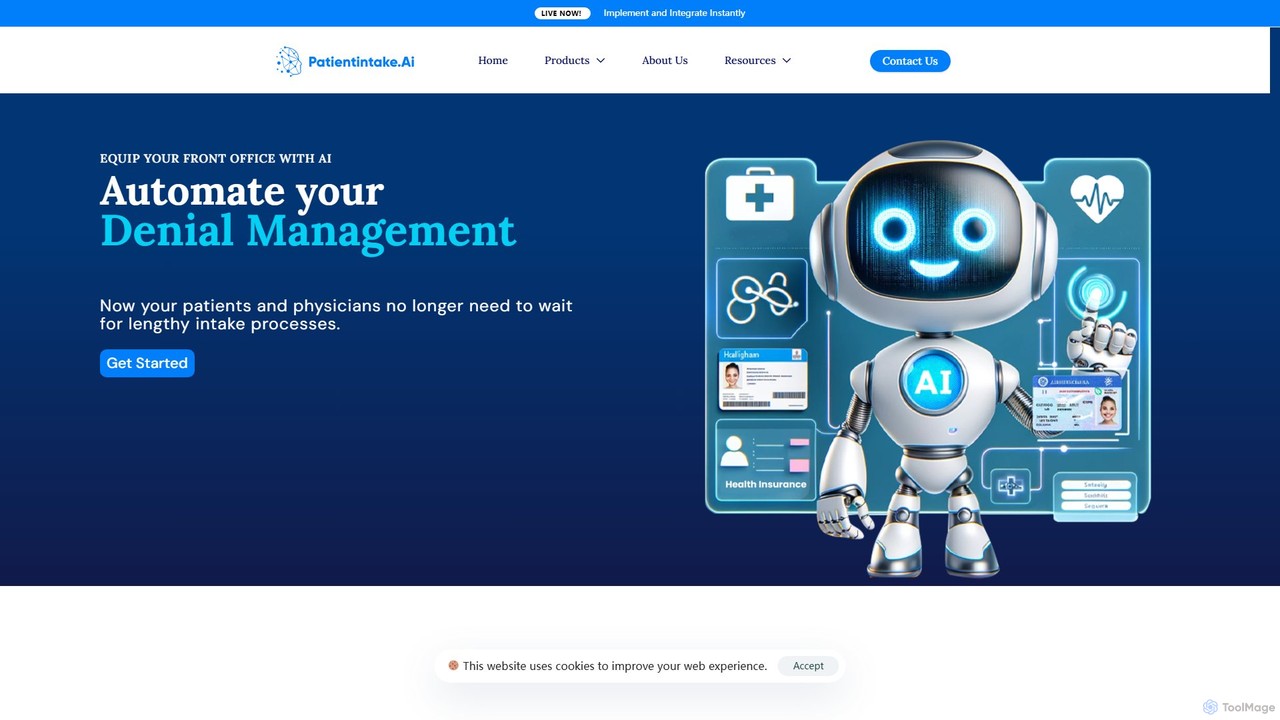
PatientIntake is an AI-powered suite designed for healthcare organizations to automate and streamline front office operations. It automates patient scheduling, insurance card capture, real-time insurance verification, and denial management. This enhances efficiency, reduces administrative errors, improves patient experience, and accelerates the revenue cycle.

Operations Management
Visits 5.9KFavorites 117Likes 109
livepatrol
Paid

livepatrol

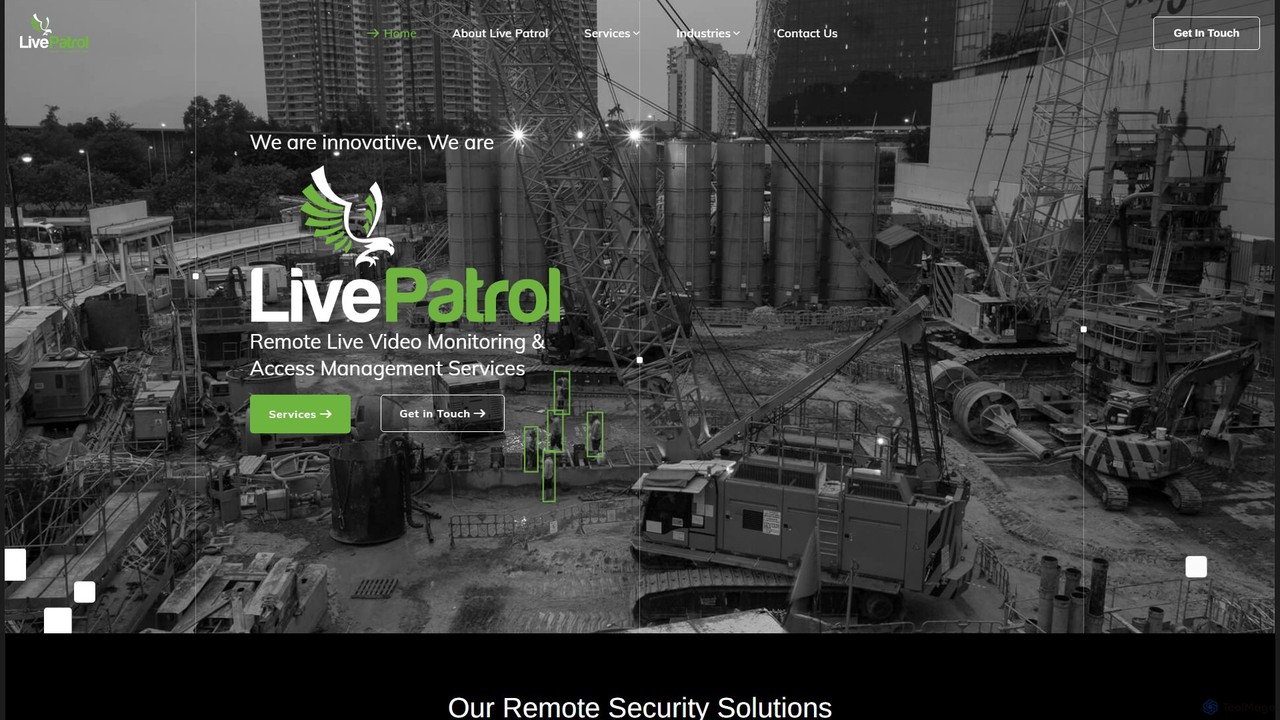
Live Patrol offers AI-powered live video monitoring and remote security solutions. It combines advanced AI for real-time threat detection with 24/7 human oversight to protect properties. Services include remote access control, virtual concierge, and detailed reporting, tailored for industries like construction, retail, and property management to prevent crime and reduce costs.

Operations Management
Visits 19.6KFavorites 126Likes 134

About Operations Management

Operations Management AI tools are a category of artificial intelligence solutions designed to optimize and automate an organization's core operational processes. These tools leverage machine learning, predictive analytics, and automation to enhance efficiency, reduce costs, and improve decision-making across various business functions. They provide data-driven insights and intelligent automation to streamline workflows, from supply chain and logistics to resource planning and quality control, ensuring resilient and agile business operations.

Core Features

  • Predictive Analytics: Forecast demand, equipment failures, and operational bottlenecks to enable proactive decision-making.
  • Process Automation: Automate repetitive tasks and complex workflows, such as order processing, inventory management, and scheduling.
  • Resource Optimization: Intelligently allocate human, material, and financial resources for maximum efficiency and cost-effectiveness.
  • Supply Chain Intelligence: Provide real-time visibility and optimization for logistics, inventory, and supplier management.
  • Quality Control & Anomaly Detection: Identify defects, deviations, and operational anomalies using computer vision or sensor data.

Applicable Scenarios

These AI tools are crucial for manufacturing, logistics, retail, and service industries. Operations managers use them to gain real-time insights into production lines, supply chain performance, and resource utilization. For instance, a manufacturing plant can use AI for predictive maintenance to minimize downtime, while a retail chain can optimize inventory levels and delivery routes.

How to Choose

When selecting Operations Management AI tools, consider the specific operational challenges you aim to solve, such as supply chain bottlenecks or resource allocation inefficiencies. Evaluate the tool's integration capabilities with existing ERP or CRM systems, its scalability to handle growing data volumes, and the level of customization offered. Also, assess the vendor's expertise in your industry and the clarity of their data privacy and security policies.

Featured tool rankings

Operations Management use cases

1

Optimizing Supply Chain Logistics

Logistics companies leverage AI to analyze historical data, real-time weather patterns, and traffic conditions to predict optimal delivery routes and schedules. This intelligent optimization reduces fuel costs, minimizes delivery times, and enhances overall operational efficiency, ensuring goods reach their destinations faster and more reliably.

2

Predictive Maintenance for Manufacturing Equipment

Manufacturing plants deploy AI to continuously monitor sensor data from critical machinery. By analyzing patterns and anomalies, AI predicts potential equipment failures before they occur, enabling maintenance teams to perform proactive repairs. This minimizes costly production downtime, extends asset lifespan, and ensures continuous operational flow.

3

Automating Inventory Management

Retailers and e-commerce businesses utilize AI to forecast demand fluctuations with high accuracy, automatically triggering reorders and optimizing warehouse layouts. This prevents costly overstocking or frustrating stockouts, significantly improving inventory turnover rates and ensuring product availability to meet customer expectations efficiently.

4

Enhancing Quality Control in Production

Manufacturers integrate AI-powered computer vision systems into their assembly lines to inspect products for defects at high speed and accuracy. These systems can identify minute flaws, deviations from specifications, or anomalies that human eyes might miss, significantly improving overall product quality, reducing waste, and ensuring compliance with standards.

5

Intelligent Resource Allocation for Service Teams

Service businesses, such as IT support or field service providers, employ AI to intelligently assign technicians or field agents to tasks. The AI considers factors like skill sets, geographical location, urgency of the request, and historical performance to optimize workload distribution, minimize travel time, and significantly improve service response times and customer satisfaction.

6

Streamlining Business Process Automation (BPA)

Organizations leverage AI to automate complex, multi-step business processes that traditionally required significant manual intervention. This includes tasks like invoice processing, customer onboarding, claims handling, or data entry. AI-driven BPA reduces manual effort, minimizes human error rates, accelerates process completion, and frees up human resources for more strategic activities.

Operations Management FAQ

What are AI Operations Management tools?

AI Operations Management tools are software solutions that apply artificial intelligence, primarily machine learning and predictive analytics, to enhance and automate various business operations. They analyze vast datasets to identify patterns, forecast outcomes, and recommend actions, helping organizations improve efficiency, reduce costs, and make more informed decisions across areas like supply chain, logistics, and resource management.

How do AI tools improve supply chain management?

AI tools improve supply chain management by providing real-time visibility, accurate demand forecasting, and logistics optimization. They can predict potential disruptions, optimize inventory levels to prevent stockouts or overstocking, and identify the most efficient shipping routes. This leads to reduced operational costs, faster delivery times, and a more resilient and responsive supply chain, enhancing overall customer satisfaction.

What's the difference between traditional operations management and AI-powered operations management?

Traditional operations management relies heavily on historical data, manual analysis, and rule-based systems, often reacting to events. AI-powered operations management, however, uses machine learning to analyze complex, dynamic data, identify non-obvious patterns, and make predictive or prescriptive recommendations. This enables more proactive decision-making, adaptive process optimization, and automation beyond simple rule sets, leading to greater agility, efficiency, and resilience in the face of unforeseen challenges.

Which industries benefit most from Operations Management AI?

Industries with complex, data-rich operations and significant logistical challenges benefit most from Operations Management AI. This includes manufacturing (for predictive maintenance, quality control), logistics and transportation (for route optimization, fleet management), retail (for inventory management, demand forecasting), and even healthcare (for resource scheduling, patient flow optimization). Any sector seeking to enhance efficiency, reduce operational costs, and improve resilience can find substantial value.

What are the key benefits of implementing AI in operations?

Implementing AI in operations offers several key benefits. Firstly, it leads to significant cost reduction through optimized resource utilization, waste minimization, and predictive maintenance. Secondly, efficiency is greatly enhanced via process automation and data-driven insights. Thirdly, decision-making improves based on accurate forecasts and prescriptive recommendations. Additionally, it fosters greater operational agility, better quality control, and increased resilience against disruptions, ultimately boosting overall business performance and competitiveness.