Business Best in category 1 results Payment Processing AI Tool

Popular AI tools in the Payment Processing field of Business include Wave, etc., helping you quickly improve efficiency.

Wave

Wave

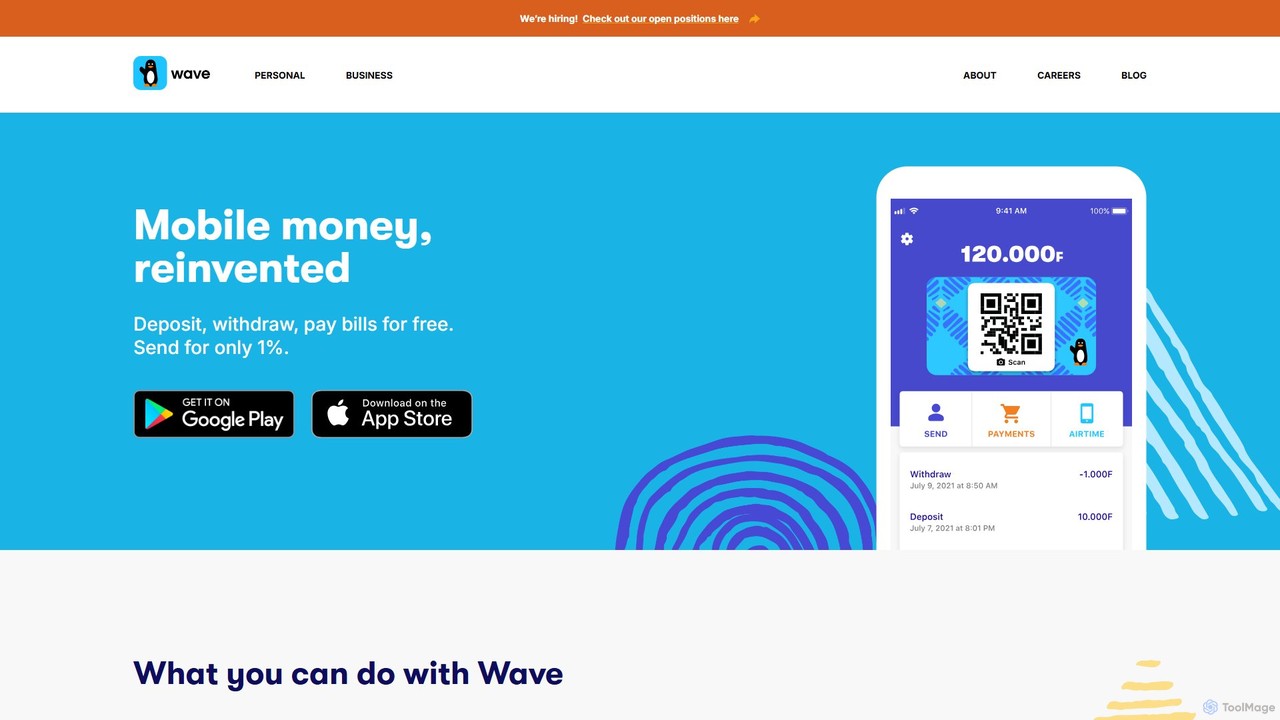
Wave is a revolutionary mobile money service designed for Africa, offering free deposits, withdrawals, and bill payments. It …

514.7K

About Payment Processing

Payment Processing AI tools are advanced solutions that leverage artificial intelligence to automate, secure, and optimize financial transactions. These tools utilize sophisticated machine learning algorithms to analyze vast amounts of payment data, detect anomalies, and streamline the entire payment lifecycle from initiation to settlement. By integrating AI, businesses can achieve enhanced operational efficiency, significantly reduce fraud risks, and provide improved, personalized customer payment experiences, making their financial operations more robust, intelligent, and adaptable to market changes.

Core Features

  • Real-time Fraud Detection: Employs AI patterns and behavioral analytics to identify and flag suspicious transactions instantly, minimizing financial losses.
  • Automated Reconciliation: Automatically matches payments with invoices, orders, and bank statements, drastically reducing manual effort and errors in accounting.
  • Dynamic Payment Routing: Intelligently selects the optimal payment gateway or method for each transaction based on real-time success rates, costs, and geographic factors.
  • Personalized Payment Experiences: Offers tailored payment options, intelligent reminders, and optimized checkout flows based on individual customer behavior and preferences.
  • Compliance & AML Support: Assists in continuous monitoring of transactions for Anti-Money Laundering (AML) compliance and adherence to various financial regulations.

Applicable Scenarios

Businesses across diverse sectors such as e-commerce, SaaS, fintech, and traditional retail extensively utilize AI payment processing to manage high volumes of transactions securely and efficiently. For instance, an online retailer can deploy these tools to proactively minimize chargebacks stemming from fraudulent purchases, thereby protecting revenue. Similarly, a SaaS provider can leverage AI to optimize subscription billing cycles, reduce failed payments, and improve customer retention. Furthermore, large financial institutions and banks increasingly integrate AI for enhanced regulatory compliance, robust risk management, and more accurate transaction monitoring.

How to Choose

When selecting an AI payment processing tool, it's crucial to consider several key factors. Evaluate its fraud detection capabilities, including the types of AI models used and their accuracy rates. Assess its integration capabilities with your existing business systems like CRM, ERP, and e-commerce platforms to ensure seamless data flow. Consider the range of supported payment methods, currencies, and its scalability to accommodate future transaction growth. Additionally, examine the level of automation offered for tasks such as reconciliation and reporting, along well as its specific compliance features for relevant industry regulations. Transparent pricing models, robust security protocols, and reliable customer support are also paramount for a successful long-term partnership.

Payment ProcessingUse Cases

1

Automated Real-time Fraud Prevention

An e-commerce manager faces constant threats from fraudulent transactions, leading to chargebacks and financial losses. By implementing an AI payment processing tool, the system automatically analyzes transaction patterns, user behavior, and device fingerprints in real-time. It identifies suspicious activities with high accuracy, blocking fraudulent payments before they are completed, thereby protecting revenue and reducing manual review efforts by up to 70%.

2

Optimizing Payment Gateway Routing

A global online service provider processes payments from various regions, often encountering varying success rates and fees across different payment gateways. An AI-powered payment processing solution dynamically routes each transaction through the most optimal gateway based on real-time performance data, cost efficiency, and regional regulations. This ensures higher transaction success rates, minimizes processing fees, and improves overall payment acceptance by 10-15%.

3

Streamlining Subscription Billing and Retention

A SaaS company struggles with involuntary churn due to failed subscription payments from expired cards or insufficient funds. An AI payment processing tool proactively manages recurring billing by predicting potential payment failures, sending smart reminders, and automatically retrying payments at optimal times. It can also suggest alternative payment methods, significantly reducing churn rates and improving customer lifetime value.

4

Enhancing Anti-Money Laundering (AML) Compliance

Financial institutions and fintech companies must adhere to strict AML regulations, requiring extensive transaction monitoring. AI payment processing tools leverage advanced analytics to detect unusual transaction volumes, suspicious counterparties, or patterns indicative of money laundering. This automates a significant portion of the compliance workload, providing alerts for human review and ensuring robust adherence to regulatory requirements, reducing compliance costs.

5

Personalizing Customer Checkout Experiences

An online retailer wants to improve conversion rates by offering a seamless and personalized checkout experience. An AI payment processing system analyzes customer purchase history, location, and device to present the most preferred and relevant payment methods first. It can also dynamically adjust currency options or offer localized payment plans, leading to a smoother checkout process and a measurable increase in conversion rates.

6

Automating Financial Reconciliation

A large enterprise with multiple sales channels and bank accounts spends considerable time manually reconciling transactions, leading to delays and errors. An AI payment processing tool automates the matching of incoming payments with corresponding invoices, orders, and bank statements across all systems. This drastically reduces the time spent on reconciliation, improves accuracy, and provides real-time visibility into cash flow, freeing up finance teams for strategic tasks.

Payment ProcessingFrequently Asked Questions