ToolMage
Sign in

Best 3 Payroll AI tools for Business

Popular Payroll AI tools in Business include BambooHR, Zimyo, and Workplus, helping you work more efficiently.

Workplus
Paid

Workplus

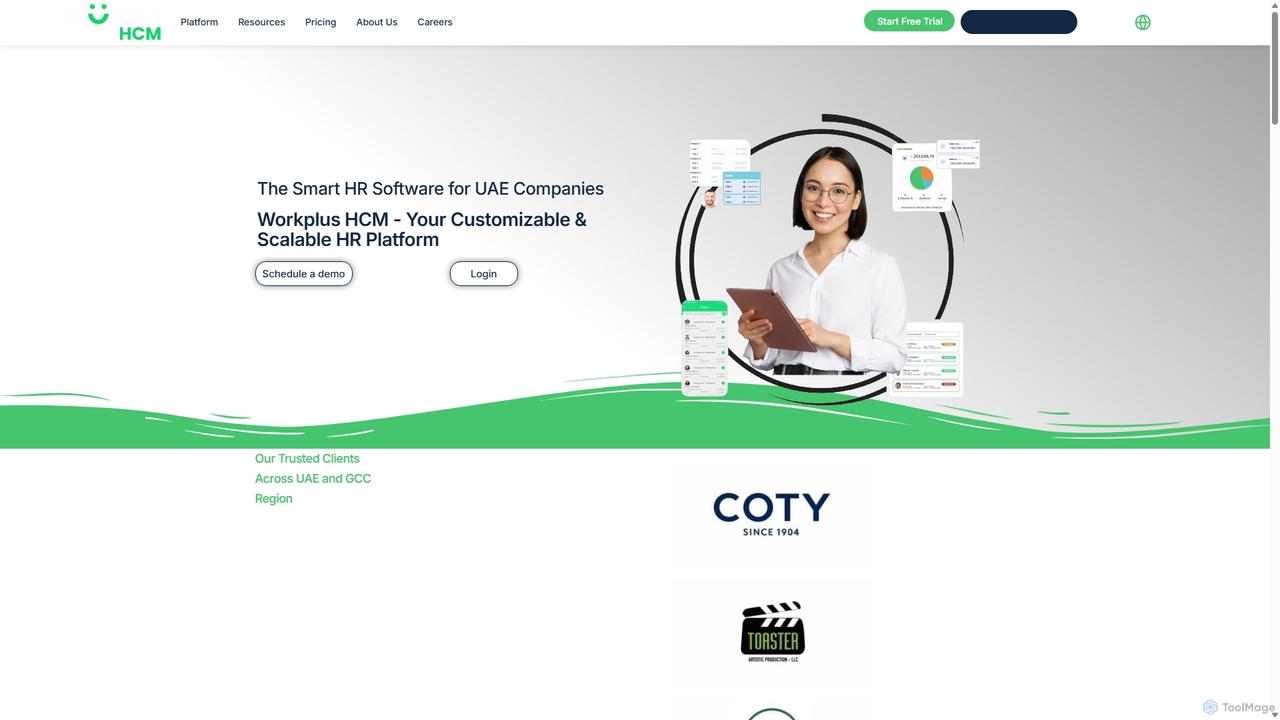
Workplus is a comprehensive, cloud-based HR and payroll software specifically designed for businesses in the UAE and GCC. It streamlines the entire employee lifecycle, from recruitment to offboarding, featuring automated payroll compliant with UAE labor laws, leave and attendance management, and an AI-powered chatbot. It aims to enhance HR efficiency, ensure compliance, and improve employee engagement for organizations of all sizes.

Payroll
Visits 6KFavorites 114Likes 115
BambooHR
Paid

BambooHR

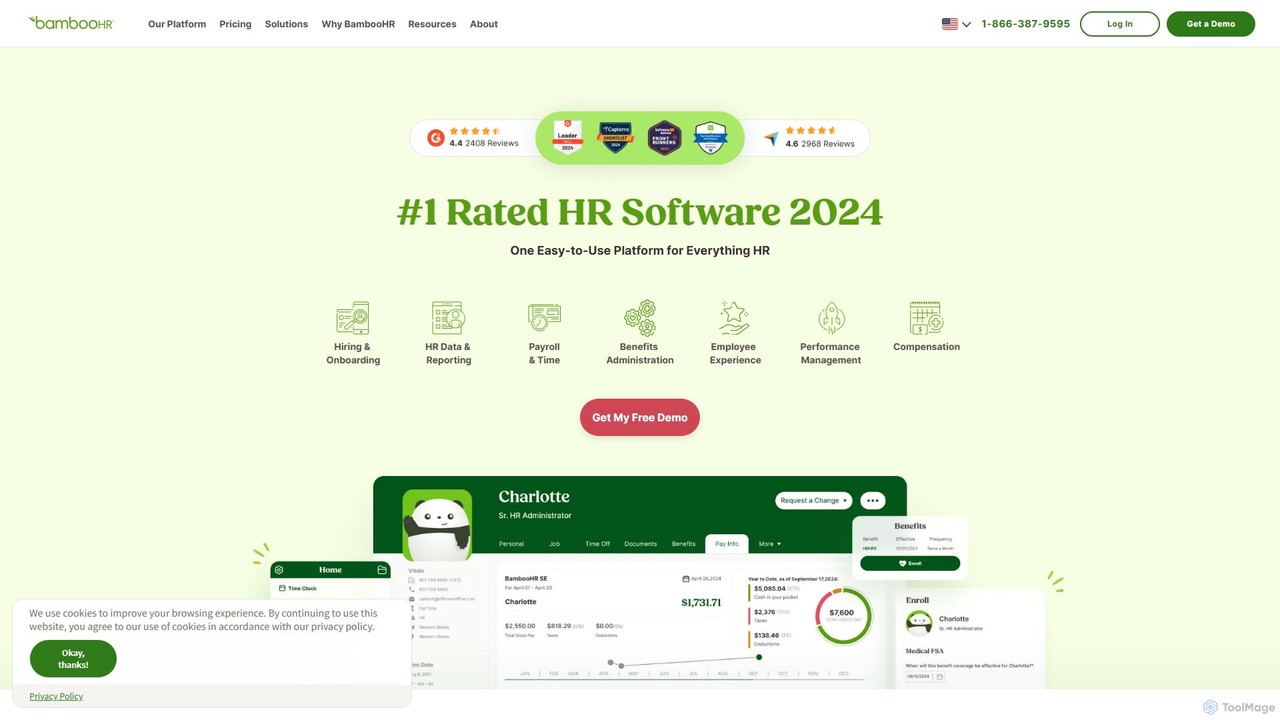
BambooHR is an all-in-one, cloud-based HR software for small and medium-sized businesses. It centralizes all employee, payroll, time, and benefits information into a single platform, automating HR processes to free up time for strategic initiatives. It's designed to be user-friendly for HR managers, executives, and employees.

Payroll
Visits 15.4MFavorites 145Likes 134
Zimyo
Paid

Zimyo

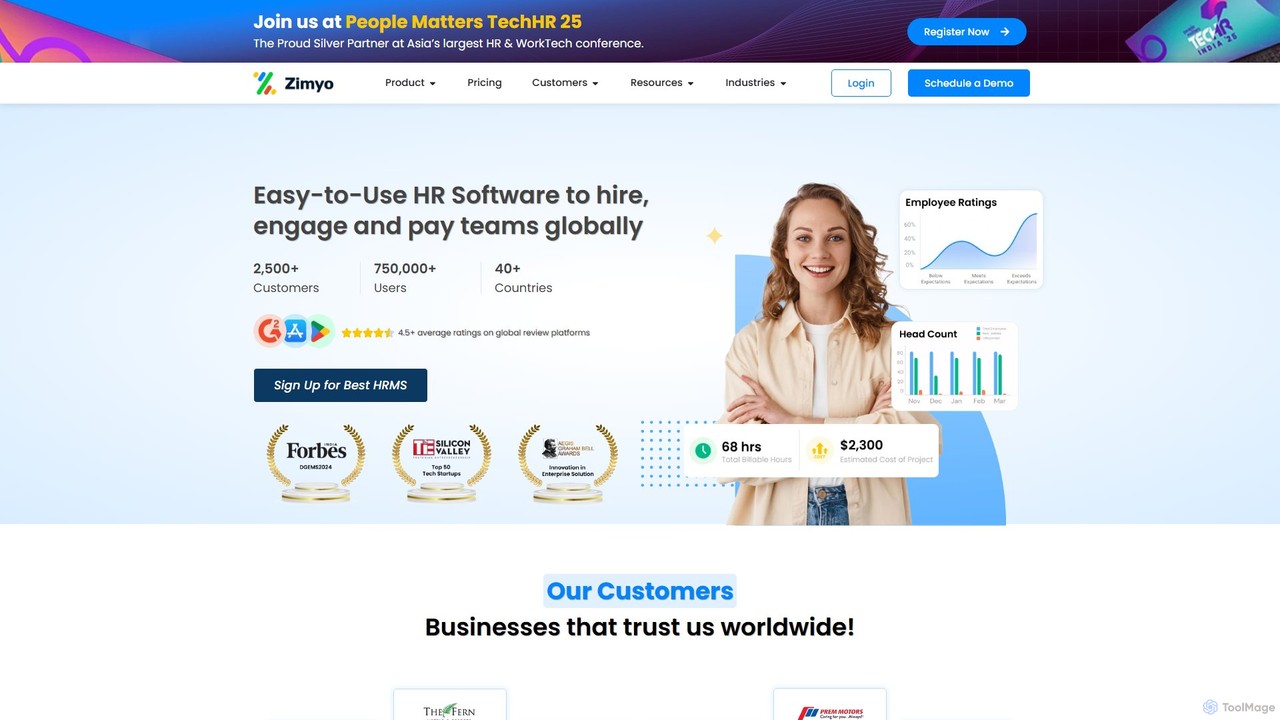
Zimyo is a unified, AI-powered HRMS platform designed to streamline the entire employee lifecycle. It offers a comprehensive suite of tools for recruitment, onboarding, payroll, performance management, and employee engagement, catering to businesses of all sizes across 40+ countries.

Payroll
Visits 42.3KFavorites 145Likes 127

About Payroll

Payroll AI tools are specialized platforms that leverage artificial intelligence to automate and optimize the entire payroll process. These tools utilize advanced algorithms to accurately calculate salaries, manage tax deductions, ensure regulatory compliance, and facilitate timely payments. They significantly reduce manual errors, enhance efficiency, and provide valuable insights for financial planning within the broader business operations.

Core Features

  • Automated Salary Calculation: Accurately computes gross and net pay, including overtime, bonuses, and deductions.
  • Tax & Compliance Management: Automatically updates and applies current tax laws and labor regulations, ensuring legal adherence.
  • Employee Self-Service Portals: Allows employees to access pay stubs, tax forms, and update personal information securely.
  • Time & Attendance Integration: Seamlessly syncs with time tracking systems to ensure precise payment based on actual work hours.
  • Reporting & Analytics: Generates detailed reports on payroll costs, trends, and provides data-driven insights for budgeting.

Applicable Scenarios

AI payroll tools are essential for businesses of all sizes, from startups to large enterprises, particularly those with complex compensation structures or a need for high accuracy and compliance. They are widely adopted by HR departments, finance teams, and accounting professionals seeking to streamline operations and minimize administrative burden.

How to Choose

When selecting an AI payroll tool, consider its integration capabilities with existing HRIS and accounting software, its ability to handle specific compliance requirements (local and international), and its scalability to accommodate future growth. Evaluate the user interface for ease of use, the level of automation offered, and the security measures in place to protect sensitive employee data.

Payroll use cases

1

Automated Monthly Salary Processing

For HR departments in mid-sized companies, AI payroll tools automate the complex monthly salary calculation, including variable pay, deductions, and benefits. By integrating with HRIS, the system processes hundreds of employee records in minutes, reducing the risk of manual errors by over 90% and freeing up HR staff for strategic tasks rather than repetitive data entry.

2

Real-time Tax Compliance Updates

Finance managers in multi-national corporations face constant changes in tax laws across different jurisdictions. AI payroll tools continuously monitor and automatically update tax rates and regulations, ensuring that all payroll calculations are compliant with the latest local and international laws. This proactive approach prevents costly penalties and ensures legal adherence without manual oversight.

3

Employee Self-Service for Pay Stubs & Tax Forms

For employees across all company sizes, AI payroll tools provide secure, intuitive self-service portals. Employees can easily access their current and historical pay stubs, download tax forms (like W-2s or 1099s), and update personal banking or contact information. This reduces administrative requests to HR by up to 70%, improving employee satisfaction and operational efficiency.

4

Integration with Time Tracking for Hourly Workers

Businesses with hourly staff, such as retail or hospitality, benefit greatly from AI payroll tools that integrate seamlessly with time and attendance systems. The AI automatically pulls recorded work hours, calculates breaks, overtime, and applies relevant pay rates, ensuring accurate payroll for a fluctuating workforce. This eliminates manual data entry errors and speeds up payroll processing by 50%.

5

Predictive Payroll Budgeting & Cost Analysis

CFOs and financial analysts can leverage AI payroll tools for advanced budgeting. The AI analyzes historical payroll data, employee turnover rates, and projected hiring to forecast future payroll costs with high accuracy. This enables proactive financial planning, identifies potential cost savings, and supports strategic decision-making for workforce expansion or restructuring.

6

Managing Complex Compensation Structures

For sales-driven organizations or those with performance-based pay, AI payroll tools excel at managing complex compensation structures involving bonuses, commissions, and tiered incentives. The AI automatically calculates these variable components based on predefined rules and performance data, ensuring fair and accurate payouts. This eliminates manual spreadsheet errors and provides transparency for employees.

Payroll FAQ

What are AI Payroll tools?

AI Payroll tools are software solutions that use artificial intelligence to automate and streamline payroll management. They leverage machine learning to accurately calculate salaries, manage tax deductions, ensure compliance with labor laws, and process payments efficiently. These tools aim to reduce manual effort, minimize errors, and provide real-time insights into payroll expenses, making the entire process faster and more reliable for businesses.

How do AI Payroll tools ensure compliance?

AI Payroll tools ensure compliance by continuously monitoring and automatically updating to the latest tax laws, labor regulations, and reporting requirements across various jurisdictions. They integrate these changes into their calculation engines, applying correct deductions, contributions, and reporting formats. This proactive approach minimizes the risk of non-compliance, penalties, and ensures that businesses adhere to all legal obligations without constant manual tracking of regulatory shifts.

What are the key benefits of using AI for payroll?

Using AI for payroll offers several key benefits. Firstly, it significantly enhances accuracy by automating calculations and reducing human error, leading to fewer discrepancies. Secondly, it boosts efficiency by accelerating processing times, allowing HR and finance teams to focus on more strategic tasks. Thirdly, AI tools ensure better compliance with ever-changing regulations through automated updates. Lastly, they provide valuable data analytics and insights into payroll costs, aiding in better financial planning and budgeting.

How do AI Payroll tools differ from traditional payroll software?

AI Payroll tools differ from traditional payroll software primarily through their advanced automation and intelligence. Traditional software relies on predefined rules and manual updates, whereas AI tools learn from data, adapt to changes, and offer predictive capabilities. AI can identify anomalies, suggest optimizations, and proactively update compliance rules. This results in greater accuracy, efficiency, and strategic insights beyond basic processing, transforming payroll from a transactional task to a data-driven function.

What should I consider when choosing an AI Payroll solution?

When choosing an AI Payroll solution, several factors are crucial. First, assess its integration capabilities with your existing HRIS, accounting, and time-tracking systems to ensure seamless data flow. Second, verify its compliance features, including support for local and international tax laws relevant to your operations. Third, consider its scalability to accommodate your company's growth. Fourth, evaluate the user-friendliness of both the administrator and employee self-service interfaces. Finally, prioritize robust security measures to protect sensitive employee data and ensure data privacy.