Xmind
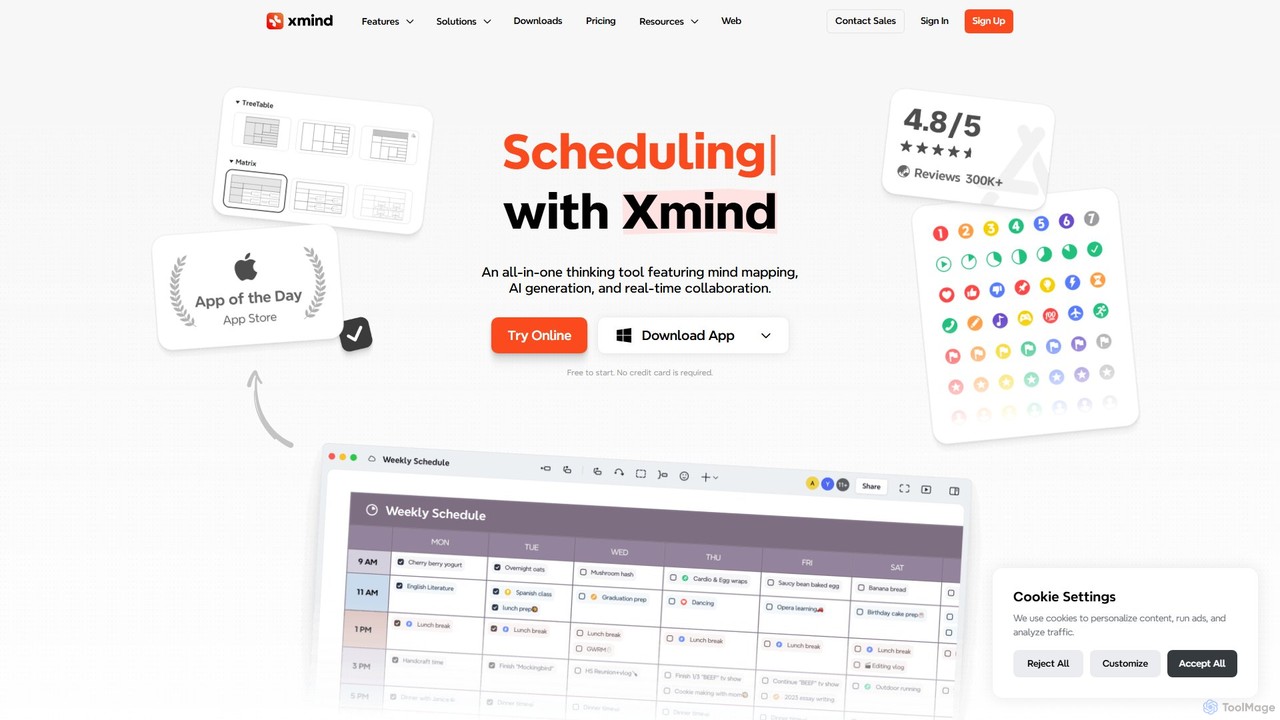
Xmind is an all-in-one thinking tool that combines mind mapping, AI-powered brainstorming, and real-time collaboration. It helps users …
Xmind is an all-in-one thinking tool that combines mind mapping, AI-powered brainstorming, and real-time collaboration. It helps users capture, organize, and present ideas visually, boosting creativity and productivity across all major platforms.
ganttlify
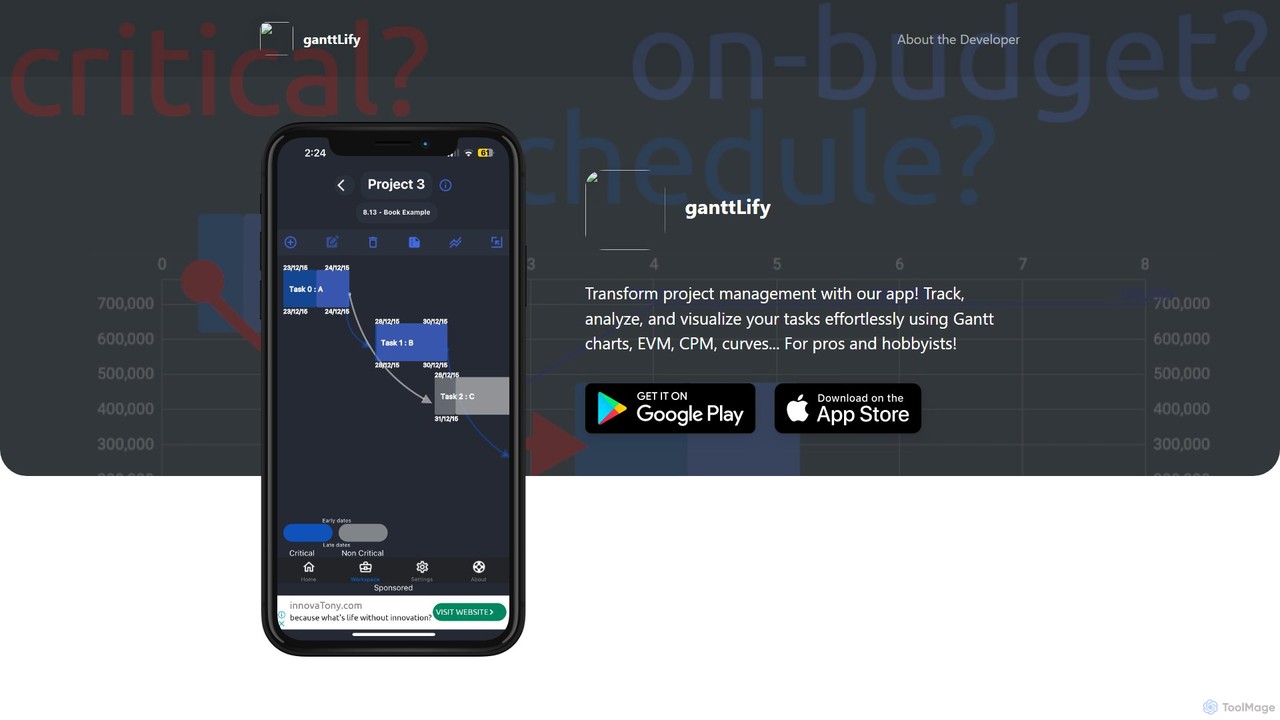
ganttlify is an advanced project management application that empowers both professionals and hobbyists to track, analyze, and visualize …
ganttlify is an advanced project management application that empowers both professionals and hobbyists to track, analyze, and visualize tasks. It integrates powerful tools like Gantt charts, Critical Path Method (CPM), and Earned Value Management (EVM) into an intuitive interface, with upcoming support for AI, AR/VR, and team collaboration.
About Planning
AI Planning tools are a specialized category of business software that uses artificial intelligence to optimize strategic and operational plans. These tools analyze data to forecast timelines, allocate resources, and identify potential risks, moving beyond simple task management. They empower organizations to create data-driven, adaptable, and realistic roadmaps for projects and business objectives. The core value lies in transforming planning from a static, manual process into a dynamic, intelligent, and automated one.
Core Features
- Predictive Forecasting: Utilizes historical data and machine learning to accurately predict project completion dates, budget requirements, and resource needs.
- Automated Scheduling: Intelligently assigns tasks and sets deadlines based on dependencies, team capacity, and strategic priorities, resolving conflicts automatically.
- Resource Optimization: Recommends the most efficient allocation of personnel, equipment, and budget across multiple projects to maximize output.
- Risk Analysis: Proactively identifies potential bottlenecks, delays, and conflicts within a plan, suggesting mitigation strategies.
- Goal & OKR Alignment: Connects daily tasks and projects to overarching company objectives (OKRs), ensuring all work contributes to strategic goals.
Use Cases
AI Planning tools are widely used by project managers, operations leads, and executives in sectors like technology, marketing, and manufacturing. For instance, a software team can use them for automated sprint planning, while a marketing department can orchestrate complex multi-channel campaigns. Executives leverage these tools for developing long-term strategic business roadmaps.
How to Choose
When selecting an AI Planning tool, consider its integration capabilities with your existing software stack (e.g., CRM, Slack, Jira). Evaluate the complexity of its AI models—whether it suits simple task automation or complex strategic forecasting. Also, assess its scalability to ensure it can grow with your team and the complexity of your projects. Finally, consider the user interface and the learning curve for your team.
PlanningUse Cases
Strategic Business Roadmap Development
An executive team uses an AI Planning tool to build a three-year strategic roadmap. They input key business objectives, market analysis data, projected revenue targets, and available departmental resources. The AI processes this information to generate a visual roadmap with prioritized initiatives, key milestones, and predicted timelines for each quarter. It also flags potential resource conflicts between the marketing and product development departments, allowing leadership to address the issue proactively before the plan is finalized, ensuring a more coherent and achievable long-term strategy.
Automating Agile Sprint Planning
A project manager for a software development team uses an AI Planning tool to automate sprint planning. Instead of manually dragging tasks from the backlog, the manager defines the sprint goal and team capacity. The AI analyzes task dependencies, historical velocity (completion rate), and individual developer skills to suggest an optimal sprint backlog. It automatically arranges tasks in a logical sequence and predicts if the sprint goal is achievable with the current resources, saving the manager several hours of manual coordination and reducing the risk of an overloaded or poorly planned sprint.
Orchestrating a Multi-Channel Marketing Campaign
A marketing manager plans a product launch campaign involving social media, email marketing, and paid ads. Using an AI Planning tool, they input the campaign budget, key dates, and target audience segments. The AI generates an integrated timeline, scheduling content creation, approval workflows, and ad placements across all channels. It optimizes the schedule based on historical data of best engagement times for each platform and ensures that dependencies, like having the final ad creative before launching a paid campaign, are respected. This prevents delays and maximizes the campaign's reach and impact.
Optimizing Construction Project Schedules
A construction project manager oversees a large-scale building project with numerous subcontractors and complex supply chains. They use an AI Planning tool to create a dynamic project schedule. By inputting blueprints, material delivery dates, subcontractor availability, and permit timelines, the AI generates an optimal work sequence. When an unexpected delay occurs, such as a late material shipment, the manager inputs the new information, and the AI instantly recalculates the entire project timeline, suggesting adjustments to other tasks to minimize the overall impact. This provides a level of agility impossible with static Gantt charts.
Coordinating Large-Scale Event Logistics
An event planner is organizing a multi-day tech conference with hundreds of sessions, speakers, and exhibitors. They use an AI Planning tool to manage the complex logistics. The planner inputs all variables: session topics, speaker availability, room capacities, and exhibitor setup times. The AI algorithm then generates a master schedule that avoids conflicts, optimizes attendee flow between sessions, and ensures technical support is allocated to the right rooms at the right times. If a speaker cancels last minute, the tool can quickly suggest the best replacement session to fill the slot with minimal disruption to the overall agenda.
Aligning Team Tasks with Company OKRs
A team lead wants to ensure their team's daily work directly contributes to the company's quarterly Objectives and Key Results (OKRs). They use an AI Planning tool that integrates OKR tracking. The lead inputs the high-level company OKRs, and the AI helps break them down into smaller, measurable team objectives. As team members work on tasks, the tool automatically updates the progress towards these key results. The AI provides a dashboard view showing exactly how individual tasks are rolling up to meet strategic goals, improving team focus and making performance reviews more data-driven.