ToolMage
Sign in

Best 3 Proposals AI tools for Business

Popular Proposals AI tools in Business include Format Magic, PoweredTemplate AI Presentation Maker, and aidocumentmaker, helping you work more efficiently.

PoweredTemplate AI Presentation Maker
Freemium

PoweredTemplate AI Presentation Maker

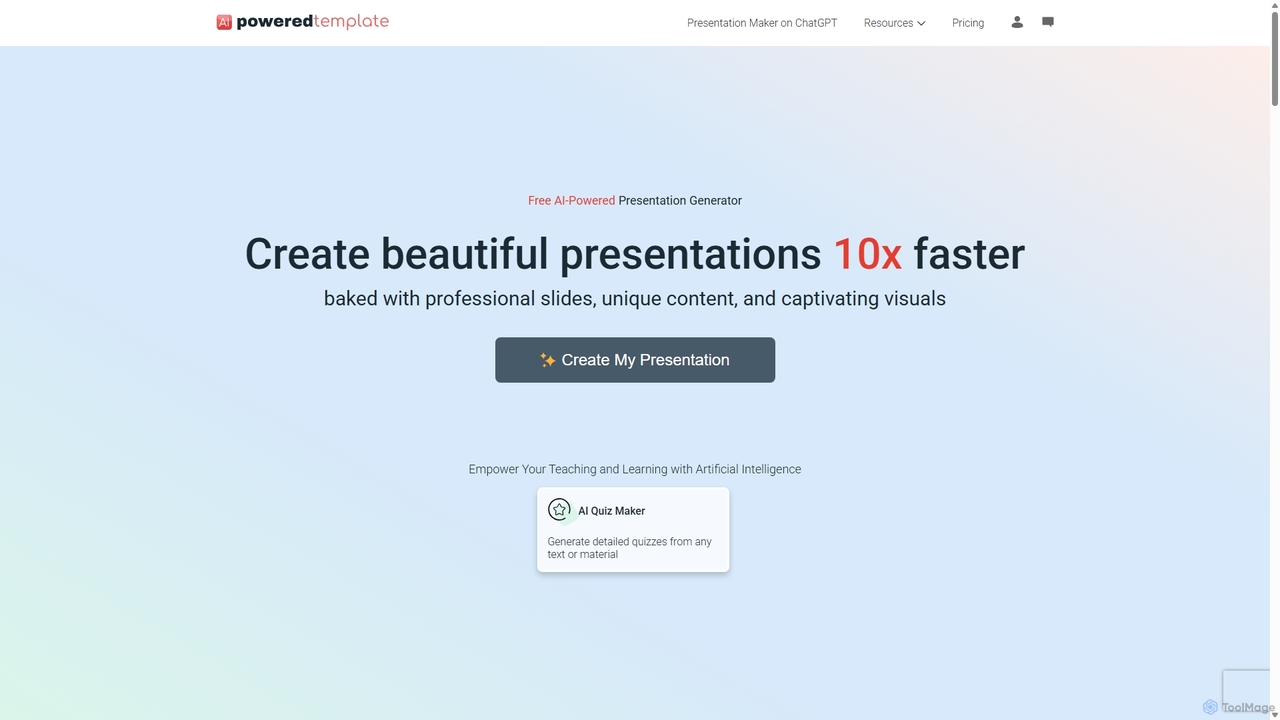
PoweredTemplate AI Presentation Maker is a free, AI-powered tool that transforms your ideas and text into stunning, professional presentations 10x faster. Instantly generate high-quality slides with unique content and captivating visuals for business, education, and marketing. It supports export to PowerPoint, Google Slides, and PDF, offering extensive customization through a vast library of templates and stock media.

Proposals
Visits 14KFavorites 115Likes 122
aidocumentmaker
Freemium

aidocumentmaker

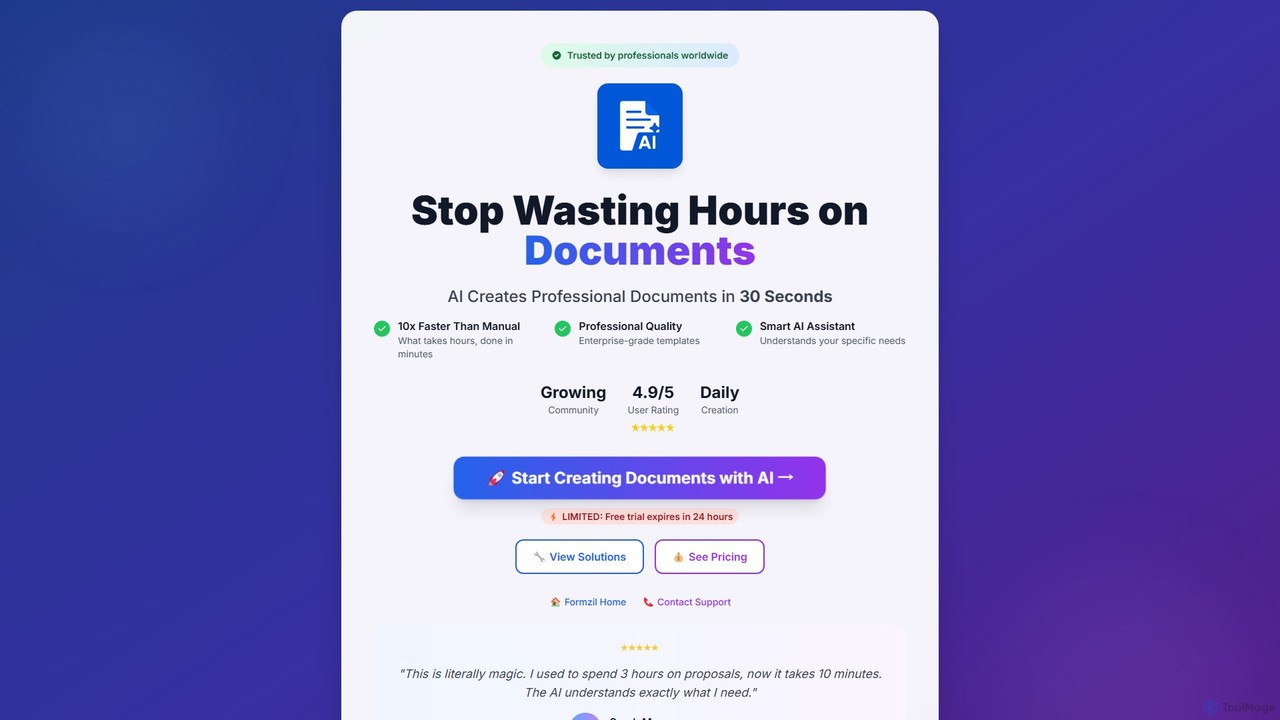
An AI-powered platform that enables professionals to create high-quality business documents like proposals, reports, and contracts in seconds. Leveraging smart AI and enterprise-grade templates, it streamlines document creation, saving hours of manual work and ensuring professional, consistent results.

Proposals
Visits 5.5KFavorites 133Likes 113
Format Magic
Freemium

Format Magic

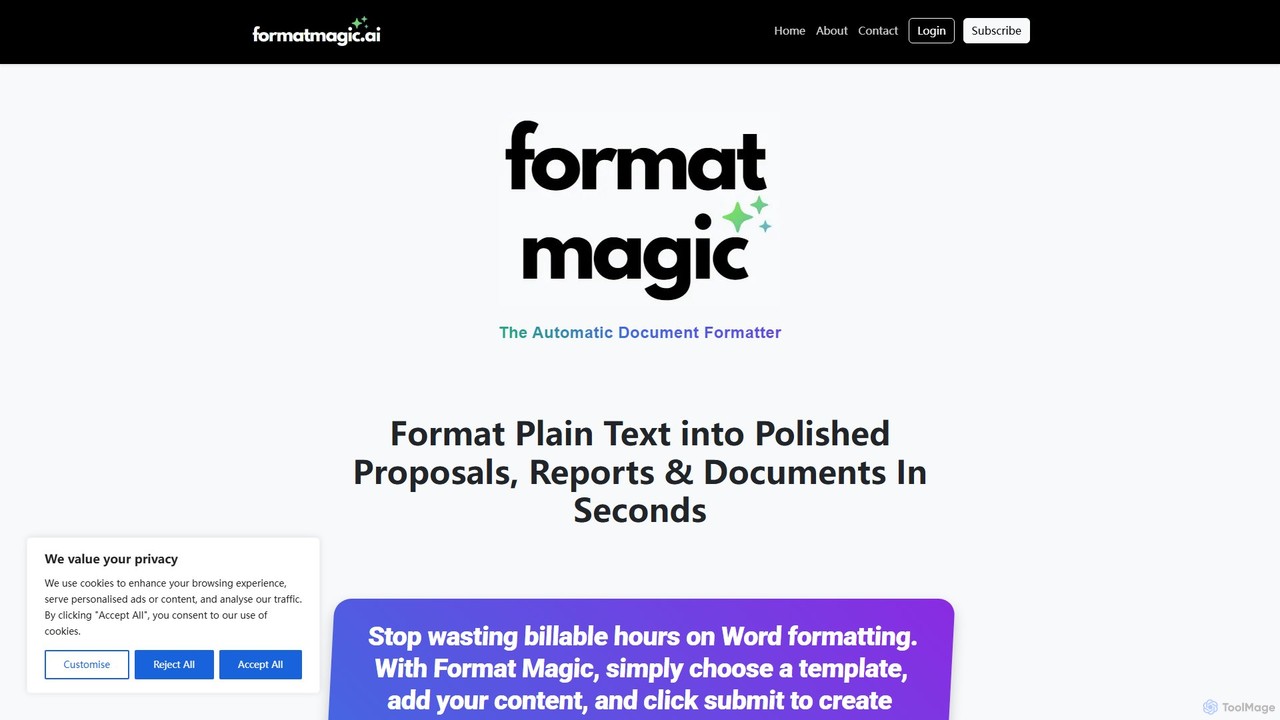
Format Magic is an AI-powered document formatter that instantly transforms plain text into professionally designed business proposals, reports, resumes, and more. Simply choose a template, add your content, and let the AI handle the complex formatting, saving you hours of manual work and enhancing your professional image.

Proposals
Visits 139.2KFavorites 141Likes 141

About Proposals

AI Proposal tools are specialized applications designed to automate and enhance the creation of business proposals. They leverage natural language processing and data analysis to generate persuasive, customized, and professional documents from simple inputs. These tools significantly reduce the time spent on drafting proposals, improve consistency, and increase the chances of winning new business. Many platforms also integrate with CRM systems to pull client data for hyper-personalized content.

Core Features

  • Template-Based Generation: Quickly create proposals from pre-designed, professionally structured, and customizable templates.
  • Content Personalization: Automatically insert client-specific data like names, company details, and project scope from integrated CRMs.
  • Automated Quoting: Generate accurate pricing tables and quotes based on a predefined library of services or products.
  • Engagement Analytics: Track when a proposal is opened, how long each section is viewed, and when it is signed.
  • E-Signature Integration: Allow clients to review and sign proposals digitally, streamlining the closing process.

Use Cases

These tools are primarily used by sales teams, freelancers, consultants, and agencies in sectors like marketing, IT services, software development, and construction. They are essential for responding to RFPs (Requests for Proposals), creating project bids, and sending sales quotes efficiently.

How to Choose

When selecting a tool, consider its integration capabilities with your existing CRM or project management software. Evaluate the quality and customizability of its templates, the sophistication of its analytics features, and whether its pricing model aligns with your business volume and team size.

Proposals use cases

1

Automating Sales Proposals for B2B Services

A sales manager at a software company uses an AI proposal tool to respond to multiple client inquiries daily. By connecting the tool to their CRM, client data like company name and contact person is auto-populated. The manager selects a service template, and the AI helps generate a tailored proposal including scope, timeline, and pricing in minutes, reducing proposal creation time by over 70% and ensuring brand consistency across all documents.

2

Creating Project Bids for Freelance Creatives

A freelance graphic designer needs to create a professional bid for a branding project. They use an AI tool to structure the project phases, deliverables, and a tiered pricing structure. The tool ensures a consistent, professional layout and helps them include all necessary clauses from a content library, such as scope of work and payment terms. This increases their credibility and win rate against larger agencies.

3

Standardizing Agency Pitches and Quotes

A marketing agency uses an AI proposal platform to ensure all client pitches maintain brand consistency. Team members can collaborate on a central document, pulling from a library of approved case studies and service descriptions. The analytics feature helps them understand which parts of the pitch resonate most with potential clients, allowing them to refine their templates for higher conversion rates over time.

4

Generating Grant Proposals for Non-Profits

A grant writer for a non-profit organization uses an AI tool to streamline the repetitive process of writing grant applications. The tool helps structure the proposal according to specific foundation guidelines, using templates tailored for grant writing. It can also assist in drafting compelling narratives from bullet points about the organization's impact, and checks for common errors, improving the quality and submission speed of applications.

5

Responding to Complex Government RFPs

A government contractor faces complex and lengthy Request for Proposal (RFP) documents. An AI proposal tool helps them break down the RFP requirements, automatically generate compliant response sections, and manage version control across the team. The tool ensures all requirements are met accurately and helps assemble the final document for submission before the deadline, increasing the chances of winning high-value contracts.

6

Crafting Consulting Engagement Letters

A management consultant uses an AI tool to quickly generate detailed engagement letters and statements of work (SOW). The tool provides templates that cover scope, deliverables, fees, and terms of service. After a client meeting, the consultant can input key details and produce a formal document in minutes. This allows them to formalize agreements quickly, accelerating the project start date and improving client onboarding.

Proposals FAQ

What are AI Proposal tools?

AI Proposal tools are software applications that use artificial intelligence to automate the creation, management, and tracking of business proposals. They typically feature customizable templates, data integration for personalization, and analytics to monitor client engagement. These tools are designed to help sales teams, freelancers, and agencies create professional proposals faster and more efficiently.

How do I choose the right AI Proposal tool?

To choose the right tool, evaluate these factors:

  • Integrations: Does it connect with your CRM, accounting, or project management software?
  • Template Customization: How much control do you have over the design and content layout?
  • Analytics: Does it provide insights like open rates, view times per section, and download notifications?
  • Collaboration: Can multiple team members work on a proposal simultaneously?
  • Pricing: Does the cost align with your proposal volume and team size?
What's the difference between AI Proposal tools and a word processor?

While a word processor like Microsoft Word is a general-purpose document editor, AI Proposal tools are specialized platforms for the entire proposal lifecycle. Key differences include:

  • Automation: Proposal tools auto-populate client data from CRMs.
  • Content Libraries: Store and reuse approved content like case studies and testimonials.
  • Interactivity: Embed videos, pricing tables, and e-signatures directly.
  • Analytics: Track client engagement, which word processors cannot do.

In short, proposal tools streamline the sales document workflow, not just document creation.

Can AI Proposal tools help with writing the content?

Yes, many modern AI proposal tools incorporate generative AI features. They can help draft specific sections, such as an executive summary or project scope, based on your input prompts. They can also suggest persuasive language, check for grammar and tone, and help tailor your content to the client's specific industry or needs, ensuring a more impactful and relevant proposal.

Who benefits most from using AI Proposal tools?

Professionals and teams who frequently create proposals benefit the most. This includes:

  • B2B Sales Teams: To quickly respond to leads and standardize sales documents.
  • Marketing and Creative Agencies: To create visually appealing pitches and manage multiple clients.
  • Consultants and Freelancers: To project a professional image and save administrative time.
  • Construction and Service Contractors: To generate detailed bids and quotes efficiently.

Any business that relies on winning projects through detailed bids or quotes can significantly improve efficiency and professionalism.