Business Best in category 4 results Quality Assurance AI Tool

Popular AI tools in the Quality Assurance field of Business include Testsigma、Virtuoso、Docket、ilovemyqa, etc., helping you quickly improve efficiency.

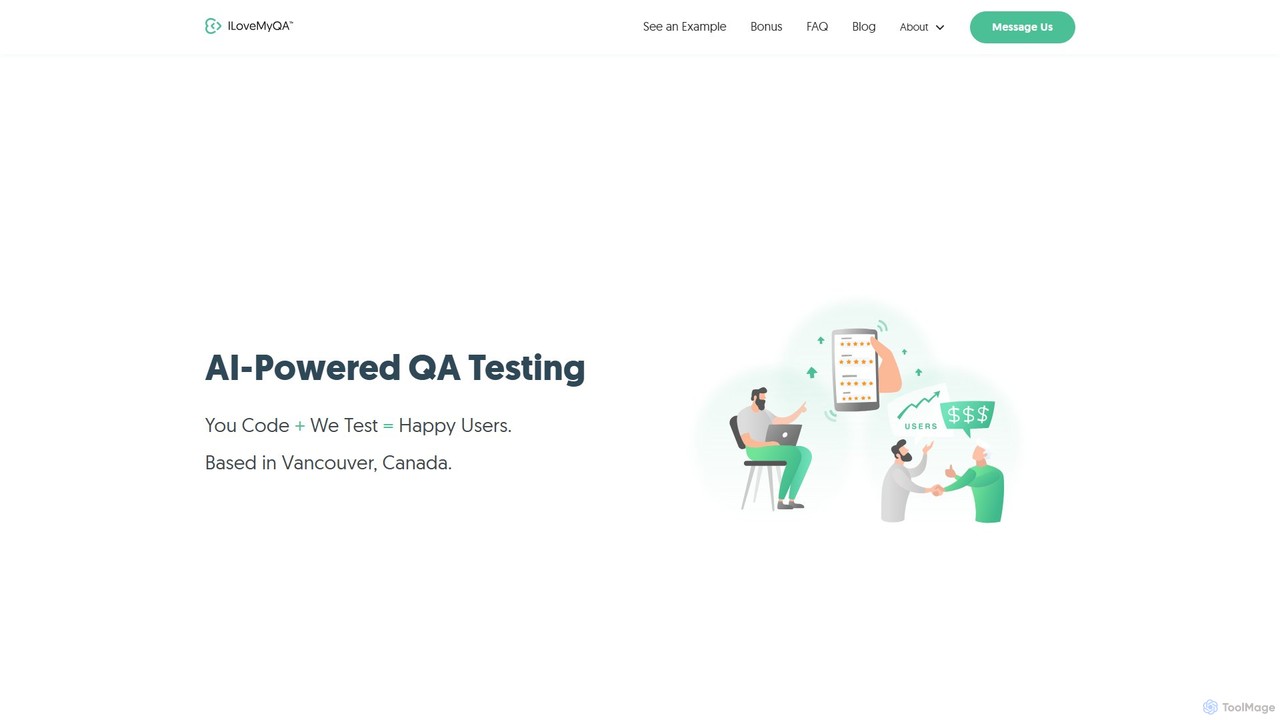
ilovemyqa

ilovemyqa

ilovemyqa is an AI-powered QA and software testing service that combines expert human testers with artificial intelligence to …

2.2K
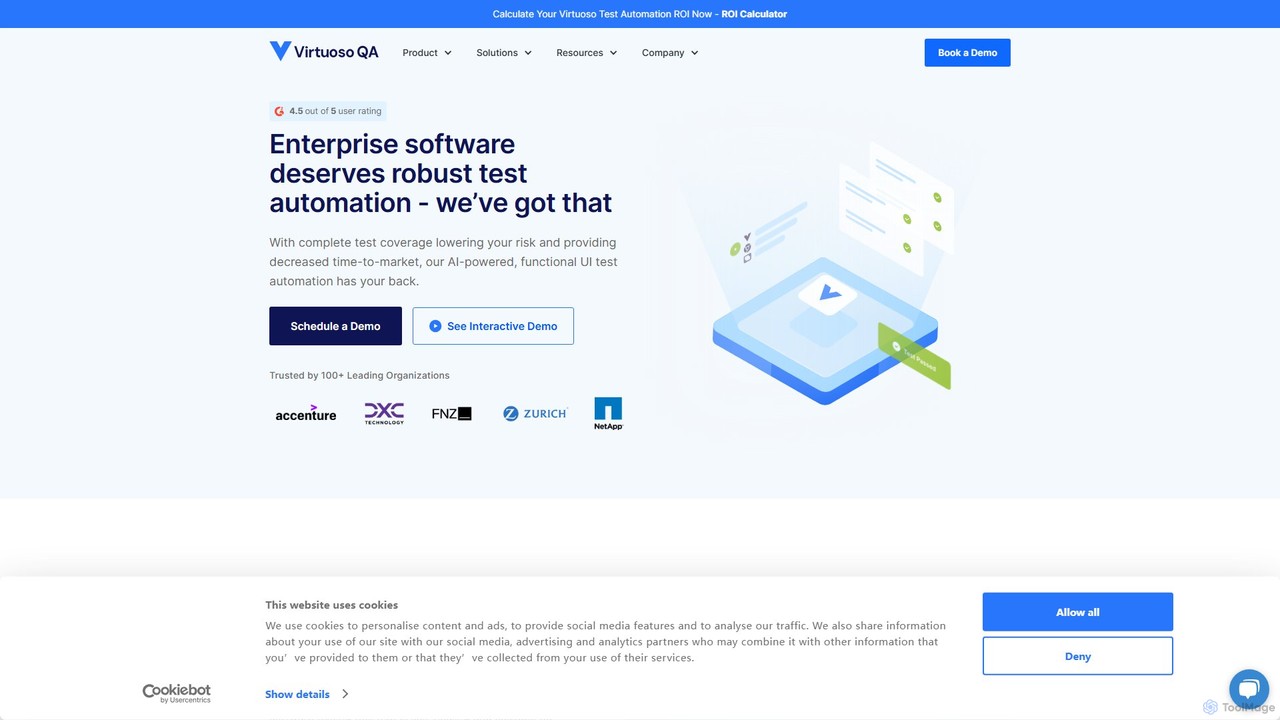
Virtuoso

Virtuoso

Virtuoso is an AI-powered, codeless test automation platform for web applications. It enables QA teams and developers to …

61.2K
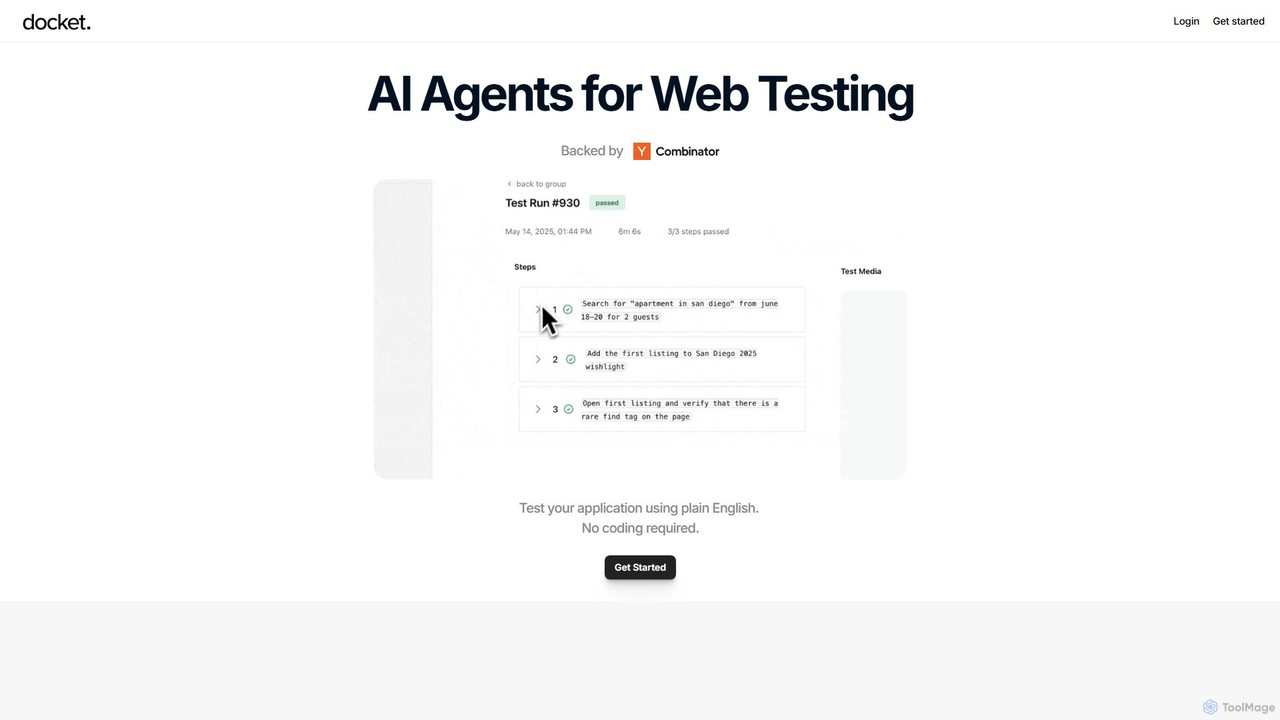
Docket

Docket

Docket is an AI-powered testing platform that uses intelligent agents to automate web application testing. It allows teams …

7.9K
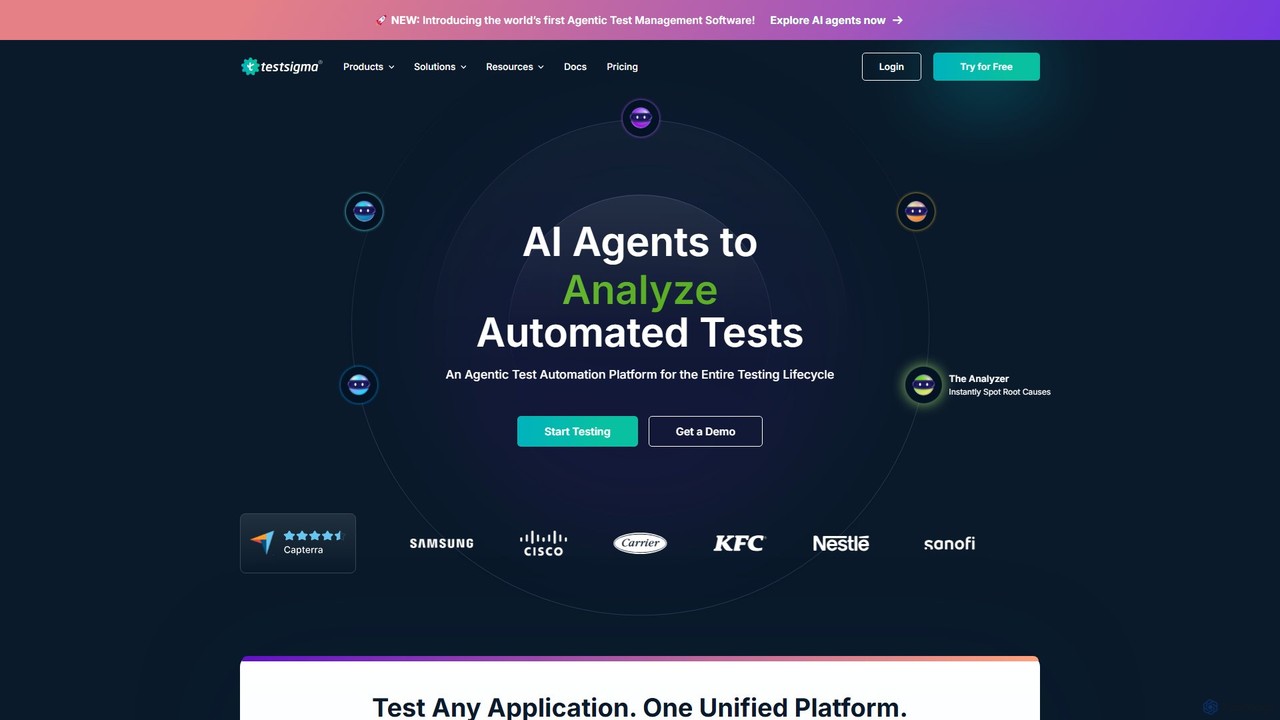
Testsigma

Testsigma

Testsigma is a unified, AI-powered test automation platform that enables teams to create, run, and maintain tests for …

253.4K

About Quality Assurance

Quality Assurance AI tools are a specialized category within business AI solutions that leverage artificial intelligence to enhance the accuracy, efficiency, and reliability of quality control processes. These tools utilize machine learning, natural language processing, and computer vision to automate testing, predict defects, and monitor quality across various domains. They empower businesses to proactively identify issues, reduce operational costs, and deliver higher-quality products, services, and data, thereby safeguarding brand reputation and customer satisfaction.

Core Features

  • Automated Testing: AI-driven platforms that execute test cases, simulate user interactions, and validate software or product functionality at scale.
  • Predictive Defect Analysis: Machine learning models that analyze historical data to forecast potential defects or quality issues before they occur.
  • Data Quality Monitoring: Tools that automatically detect anomalies, inconsistencies, and errors in large datasets, ensuring data integrity for business intelligence and AI models.
  • Compliance & Audit Automation: AI systems that verify adherence to regulatory standards and internal policies, streamlining audit processes and reducing manual effort.
  • Root Cause Analysis: AI algorithms that help pinpoint the underlying causes of identified quality issues, facilitating faster resolution.

Use Cases

These tools are crucial for organizations in software development, manufacturing, healthcare, and finance. Software teams use them for continuous integration/continuous deployment (CI/CD) pipelines to ensure code quality. Manufacturers deploy them for real-time inspection of production lines to minimize faulty products. Data scientists rely on them to validate the quality of training data for AI models, while financial institutions use them to ensure data accuracy for regulatory reporting.

How to Choose

When selecting Quality Assurance AI tools, consider the specific type of quality you need to assure (e.g., software, data, physical products) and the tool's integration capabilities with your existing systems. Evaluate its accuracy in defect detection or prediction, scalability to handle your data volume, and the level of customization offered to fit unique business rules. Also, assess the user interface's intuitiveness and the vendor's support for ongoing model training and maintenance.

Quality AssuranceUse Cases

1

Automated Software Regression Testing

Software development teams can utilize AI QA tools to automatically execute comprehensive regression tests after every code commit. The AI learns from previous test results and code changes, intelligently prioritizing tests and identifying potential bugs in new builds, significantly reducing manual testing effort and accelerating release cycles.

2

Predictive Maintenance in Manufacturing

Manufacturers employ AI-powered quality assurance to monitor production line sensor data in real-time. The AI analyzes patterns to predict equipment failures or product defects before they occur, enabling proactive maintenance and adjustments, thereby minimizing downtime, waste, and ensuring consistent product quality.

3

Data Quality Validation for AI/ML Models

Data scientists and MLOps engineers use AI QA tools to validate the integrity and consistency of large datasets used for training machine learning models. The AI automatically detects anomalies, biases, and missing values, ensuring that models are trained on high-quality data, which is critical for model performance and reliability.

4

Automated Compliance Checking in Finance

Financial institutions leverage AI QA to automatically audit transactions and data entries against complex regulatory requirements (e.g., GDPR, AML). The AI identifies non-compliant activities or data discrepancies, flagging them for review and ensuring adherence to legal standards, reducing compliance risks and manual auditing costs.

5

User Experience (UX) Anomaly Detection

Product managers and UX designers can use AI QA tools to monitor user interactions on websites or applications. The AI analyzes user behavior patterns to detect unusual navigation flows, broken elements, or performance bottlenecks that impact user experience, providing insights for immediate improvements and bug fixes.

6

Supply Chain Quality Monitoring

Logistics and supply chain managers deploy AI QA solutions to track the quality of goods and processes throughout the supply chain. From supplier audits to inbound inspection and storage conditions, AI monitors various data points to identify potential quality degradation or risks, ensuring product integrity from source to customer.

Quality AssuranceFrequently Asked Questions