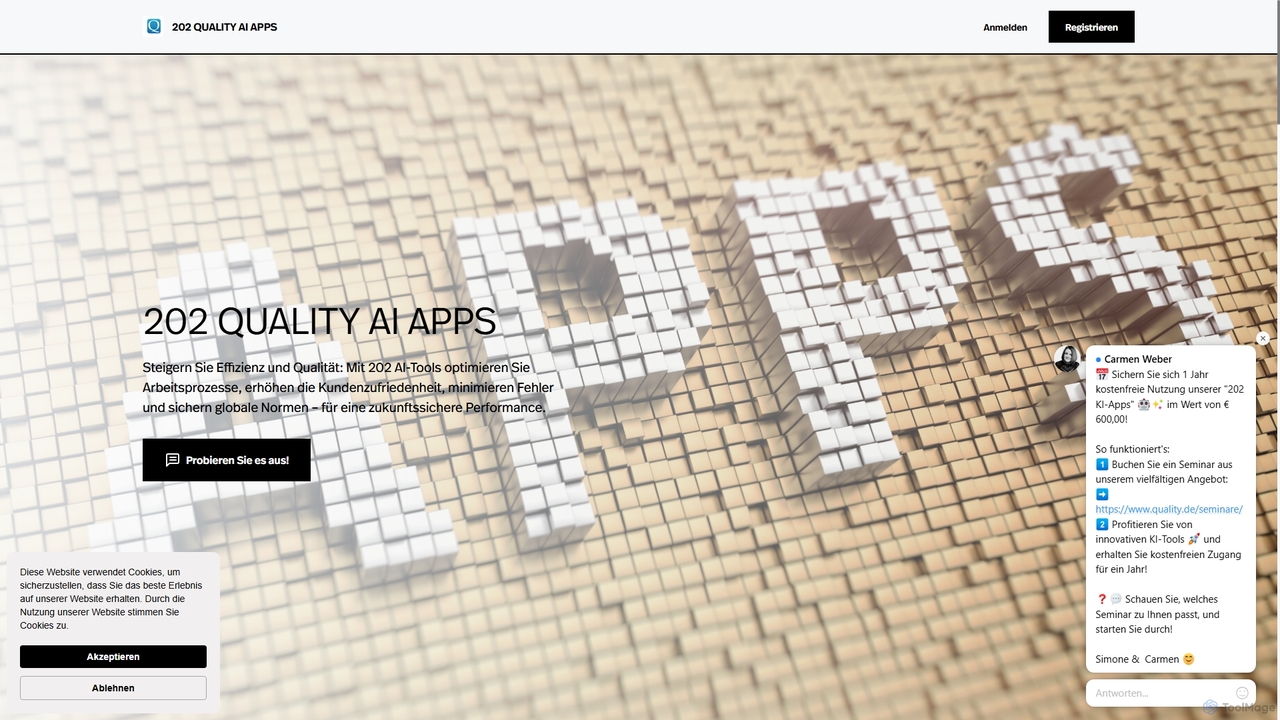
202 QUALITY AI APPS
A comprehensive suite of 202 specialized AI tools designed for quality management, continuous improvement (KVP), and operational excellence …
A comprehensive suite of 202 specialized AI tools designed for quality management, continuous improvement (KVP), and operational excellence (OPEX). It empowers businesses to optimize work processes, minimize errors, enhance customer satisfaction, and adhere to global standards using AI-driven methodologies like Ishikawa diagrams, 5 Whys, and FMEA.
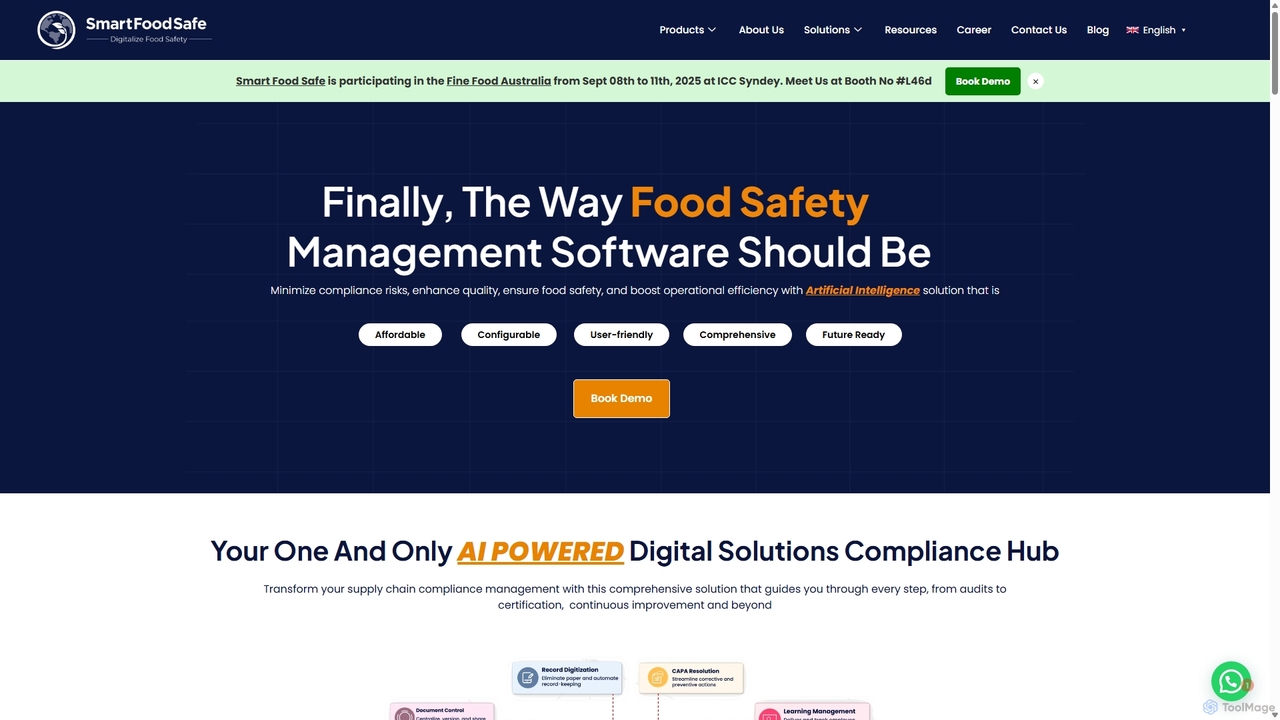
Smartfoodsafe
An AI-powered food safety and quality management software designed for the food industry. It streamlines compliance, traceability, and …
An AI-powered food safety and quality management software designed for the food industry. It streamlines compliance, traceability, and regulatory management through a comprehensive suite of modular solutions. The platform helps minimize risks, enhance quality, and boost operational efficiency, offering tools for audits, supplier management, and GFSI certification readiness.
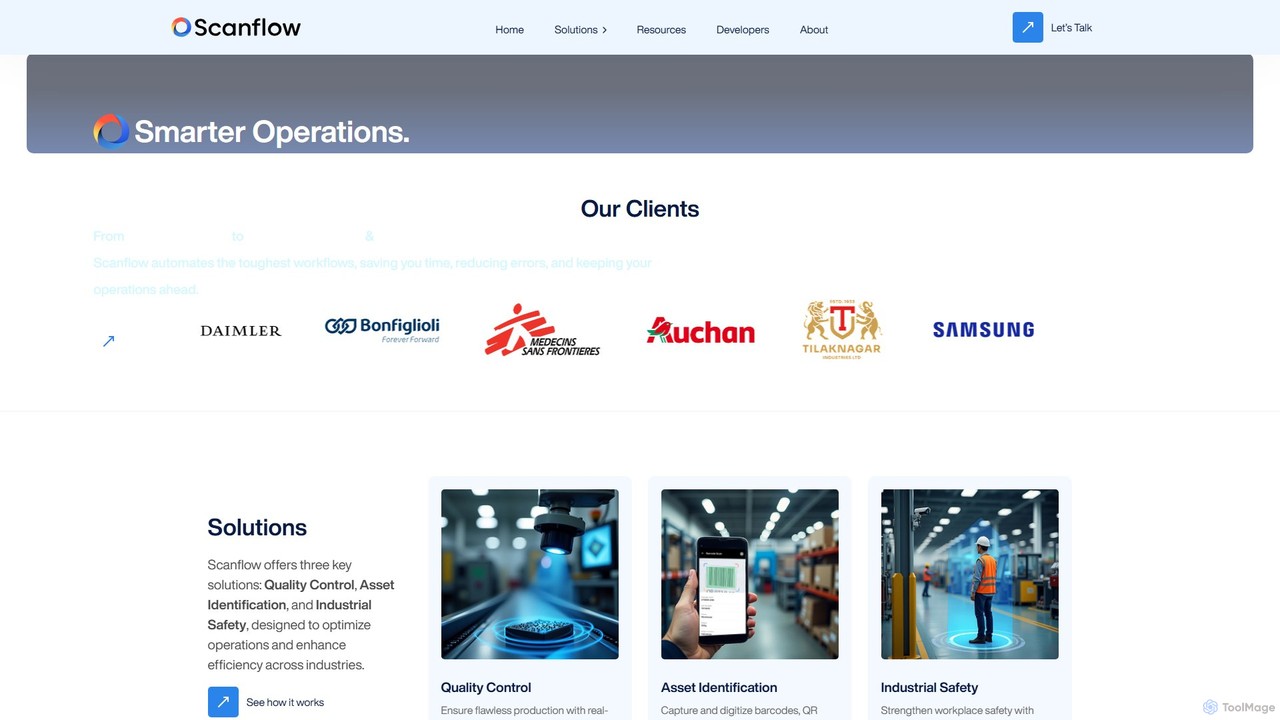
Scanflow
Scanflow is an AI-powered visual inspection platform designed to optimize industrial operations. It offers solutions for automated quality …
Scanflow is an AI-powered visual inspection platform designed to optimize industrial operations. It offers solutions for automated quality control, asset identification, and industrial safety. By leveraging computer vision, Scanflow helps businesses detect product defects in real-time, digitize barcodes and labels with high precision, and monitor workplace safety compliance, enhancing overall efficiency and accuracy.
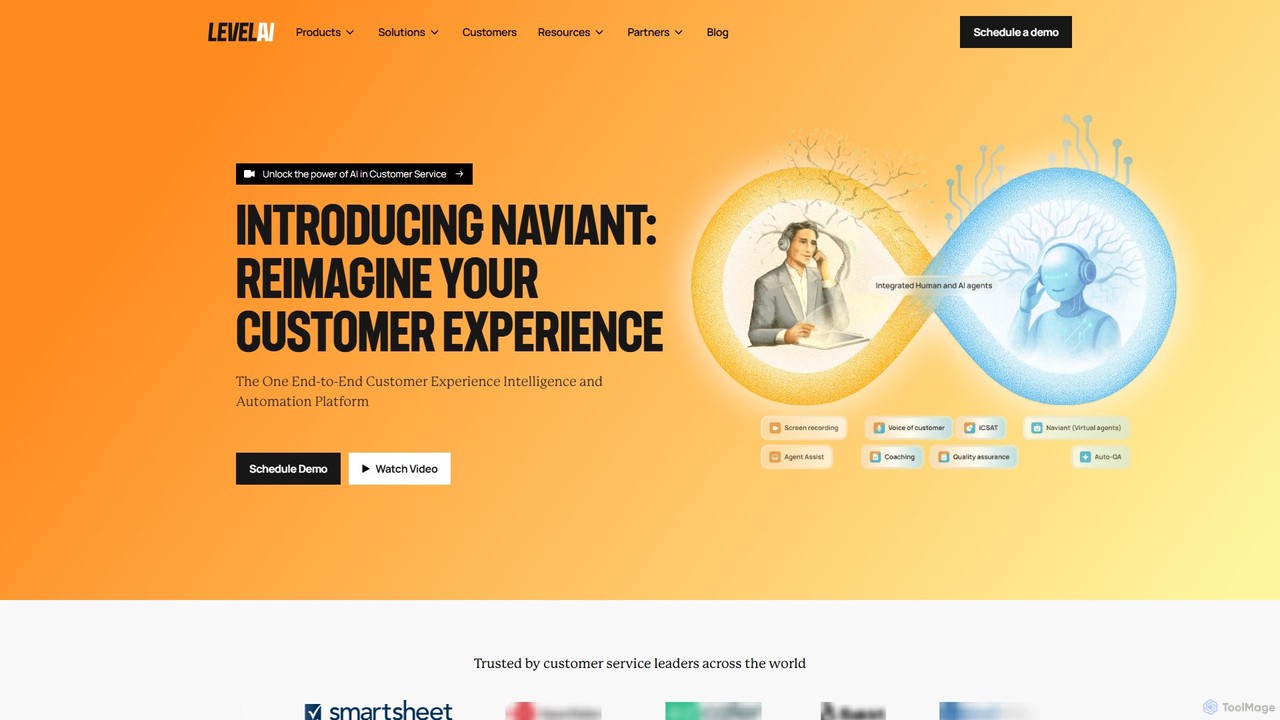
Level AI
Level AI is an end-to-end customer experience intelligence and automation platform for contact centers. It uses generative AI …
Level AI is an end-to-end customer experience intelligence and automation platform for contact centers. It uses generative AI to analyze 100% of customer interactions, automate quality assurance, provide real-time agent coaching, and deliver actionable business insights to enhance both customer and agent satisfaction.
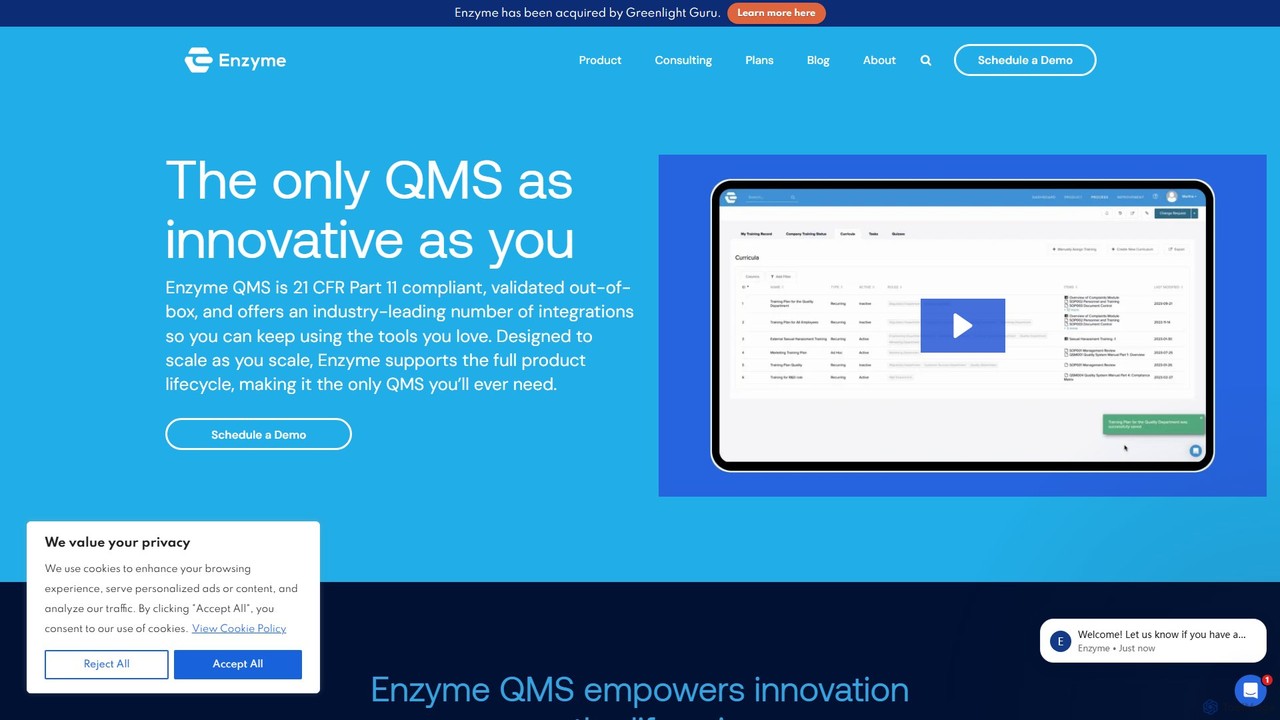
Enzyme
Enzyme is a comprehensive electronic Quality Management System (eQMS) designed for innovative companies, especially in regulated industries like …
Enzyme is a comprehensive electronic Quality Management System (eQMS) designed for innovative companies, especially in regulated industries like medical devices and biotech. It streamlines quality processes from pre-market to post-market, offering modules for document control, risk management, training, audits, and more, ensuring compliance and operational efficiency.
About Quality Management
Quality Management AI tools are a category of AI-powered solutions designed to enhance and automate various aspects of quality assurance and control processes within businesses. These tools leverage machine learning, computer vision, and data analytics to identify defects, predict failures, and optimize quality workflows. They enable organizations to improve product consistency, reduce operational costs, ensure compliance, and boost customer satisfaction through proactive issue identification and data-driven decision-making.
Core Features
- Defect Detection: Automatically identifies anomalies and defects in products or processes using AI vision systems or sensor data.
- Predictive Quality: Forecasts potential equipment failures or quality deviations before they occur, enabling proactive intervention.
- Process Optimization: Analyzes production and operational data to suggest improvements in manufacturing or service delivery workflows.
- Compliance Monitoring: Ensures adherence to industry standards and regulatory requirements through automated checks and alerts.
- Supplier Quality Assessment: Evaluates and monitors supplier performance based on AI-driven analysis of quality metrics and historical data.
Applicable Scenarios
These tools are vital for industries requiring high precision and consistency. Manufacturing companies use them for real-time inspection of assembly lines to catch defects early. Software development teams apply them for automated code quality checks and bug prediction. Service industries leverage AI to monitor customer interactions for service quality and regulatory compliance.
How to Choose
When selecting Quality Management AI tools, consider their integration capability with existing ERP, MES, or CRM systems. Evaluate their data compatibility to process various data types like images, sensor data, or text logs. Assess scalability to handle increasing data volumes and production scales, and check for customization options to adapt AI models to specific product lines or quality standards. Finally, review the robustness of reporting and analytics features for actionable insights.
Quality ManagementUse Cases
Automated Visual Inspection in Manufacturing
Manufacturers in industries like electronics or automotive deploy AI vision systems on production lines. These systems automatically scan products for microscopic defects, assembly errors, or surface imperfections in real-time, far exceeding human capabilities in speed and consistency. This allows for immediate identification of quality issues, significantly reducing the number of defective products reaching the next stage and lowering rework costs, ensuring higher product quality at scale.
Predictive Quality in Production Lines
Automotive or heavy machinery companies utilize AI to analyze vast amounts of sensor data from manufacturing equipment, environmental conditions, and material properties. By identifying subtle patterns and anomalies, the AI can predict potential equipment malfunctions or material quality deviations before they lead to product defects or costly downtime. This enables maintenance teams to perform proactive interventions, minimizing waste, optimizing resource allocation, and ensuring consistent output quality.
Software Bug Prediction and Prioritization
Software development teams leverage AI to analyze code repositories, commit histories, and historical bug reports. The AI identifies complex patterns that correlate with future software defects, predicting which modules or code changes are most likely to introduce bugs. This allows developers and QA engineers to prioritize testing efforts on high-risk areas, allocate resources more effectively, and catch critical bugs earlier in the development cycle, leading to more stable and reliable software releases.
Customer Service Quality Monitoring
Call centers and customer support departments use AI-powered speech and text analytics to monitor agent-customer interactions across various channels (calls, chats, emails). The AI assesses adherence to scripts, identifies sentiment, detects compliance breaches, and evaluates overall service quality. This provides real-time feedback to agents, helps managers identify training needs, and ensures consistent, high-quality customer experiences while maintaining regulatory standards, leading to improved customer satisfaction and reduced legal risks.
Supply Chain Quality Assurance
Retailers and logistics companies employ AI to analyze supplier performance data, including defect rates, delivery consistency, and audit results. The AI identifies high-risk suppliers or potential quality issues within the supply chain before they impact final products or customer satisfaction. This proactive approach enables businesses to collaborate with suppliers on improvements, diversify sourcing, and mitigate risks, ensuring a consistent flow of high-quality components and products, thereby protecting brand reputation and reducing costly recalls.
Document Compliance and Audit Automation
Financial institutions, legal firms, and healthcare providers utilize AI to scan and analyze vast amounts of legal, regulatory, and internal documents. The AI automatically identifies non-compliance issues, discrepancies, or missing information against predefined standards and regulations. This significantly streamlines audit processes, reduces the time and human error associated with manual document review, and ensures continuous adherence to complex regulatory frameworks, thereby enhancing operational efficiency and mitigating legal and financial risks.