FactoryDB
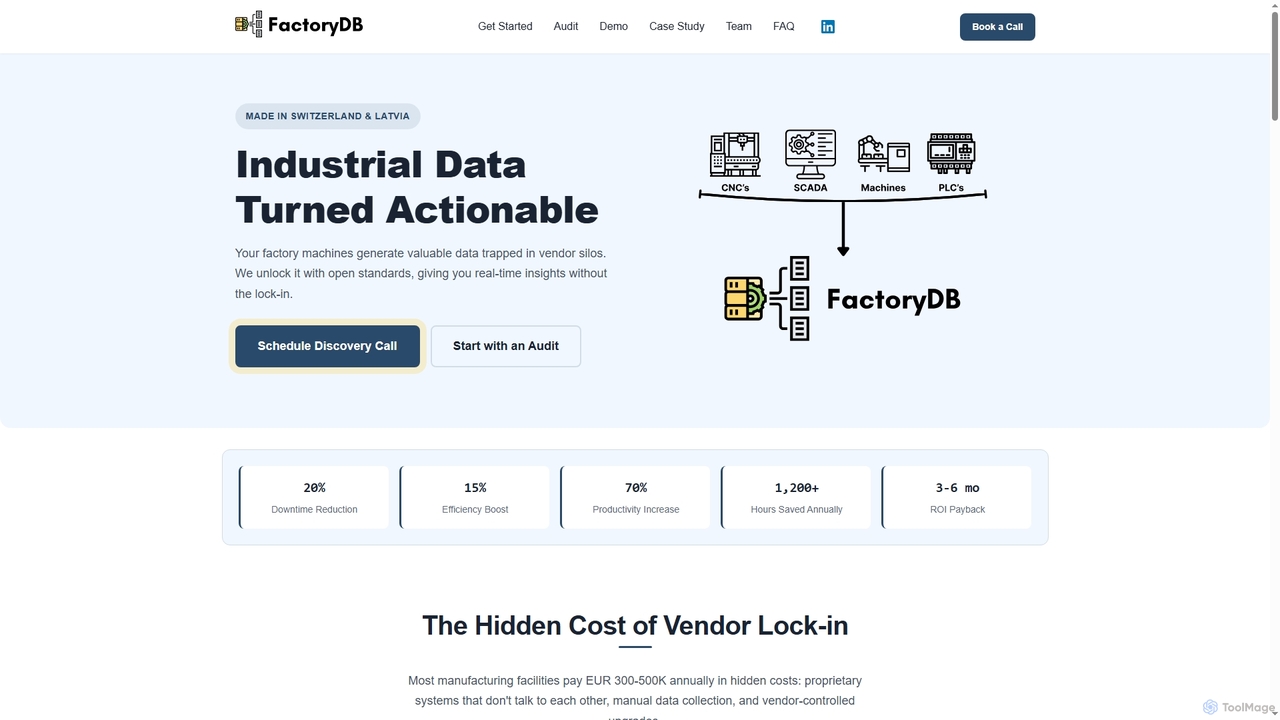
FactoryDB is an industrial data infrastructure platform designed to eliminate vendor lock-in for manufacturers. Using open standards like …
FactoryDB is an industrial data infrastructure platform designed to eliminate vendor lock-in for manufacturers. Using open standards like MQTT, it unifies data from PLCs, SCADA, and MES systems into a single, vendor-neutral layer. This enables real-time analytics, predictive maintenance, and significant efficiency gains, particularly for regulated industries such as pharmaceuticals, food & beverage, and energy.
Tractian
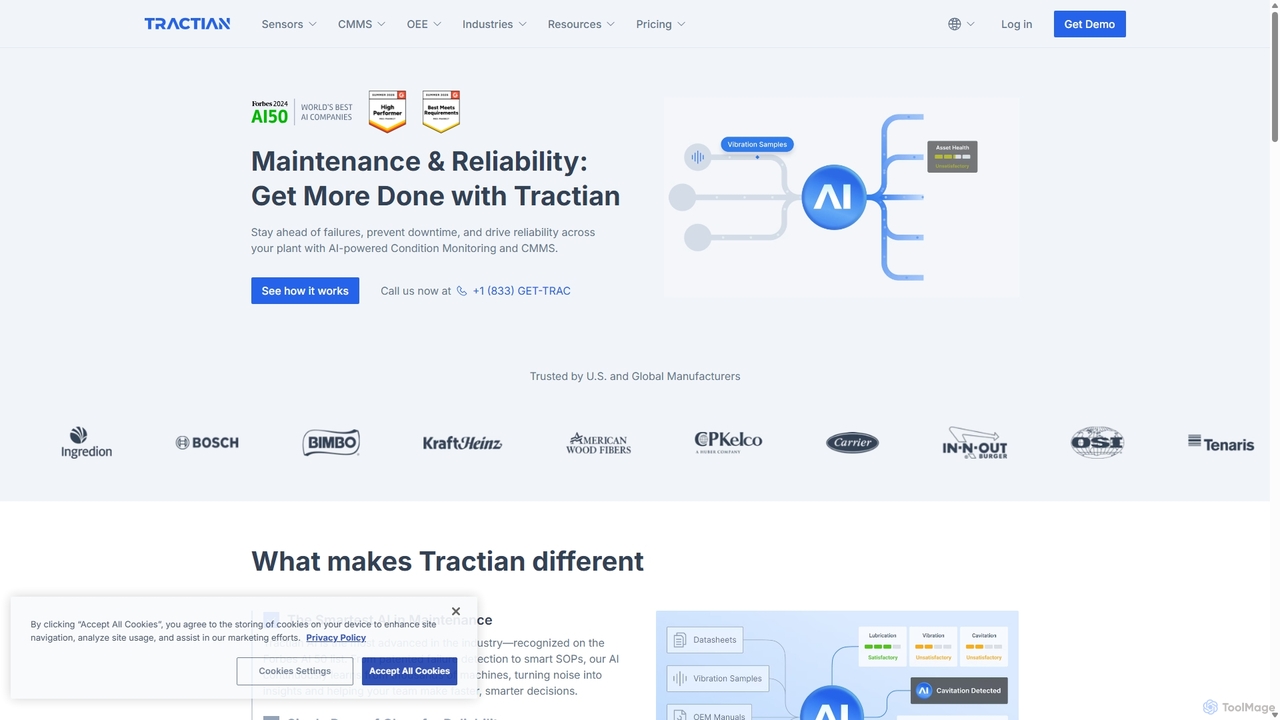
Tractian is an AI-powered Industrial Copilot for manufacturing, maintenance, and reliability. It integrates advanced condition monitoring sensors, AI-driven …
Tractian is an AI-powered Industrial Copilot for manufacturing, maintenance, and reliability. It integrates advanced condition monitoring sensors, AI-driven failure detection, and a full-featured CMMS into a single platform. This system predicts machine failures to prevent downtime, streamlines maintenance workflows, and optimizes overall operational efficiency. Trusted by global manufacturers and recognized on the Forbes AI 50 list, Tractian empowers teams to make smarter, data-driven decisions and transform maintenance into a competitive advantage.
Metail
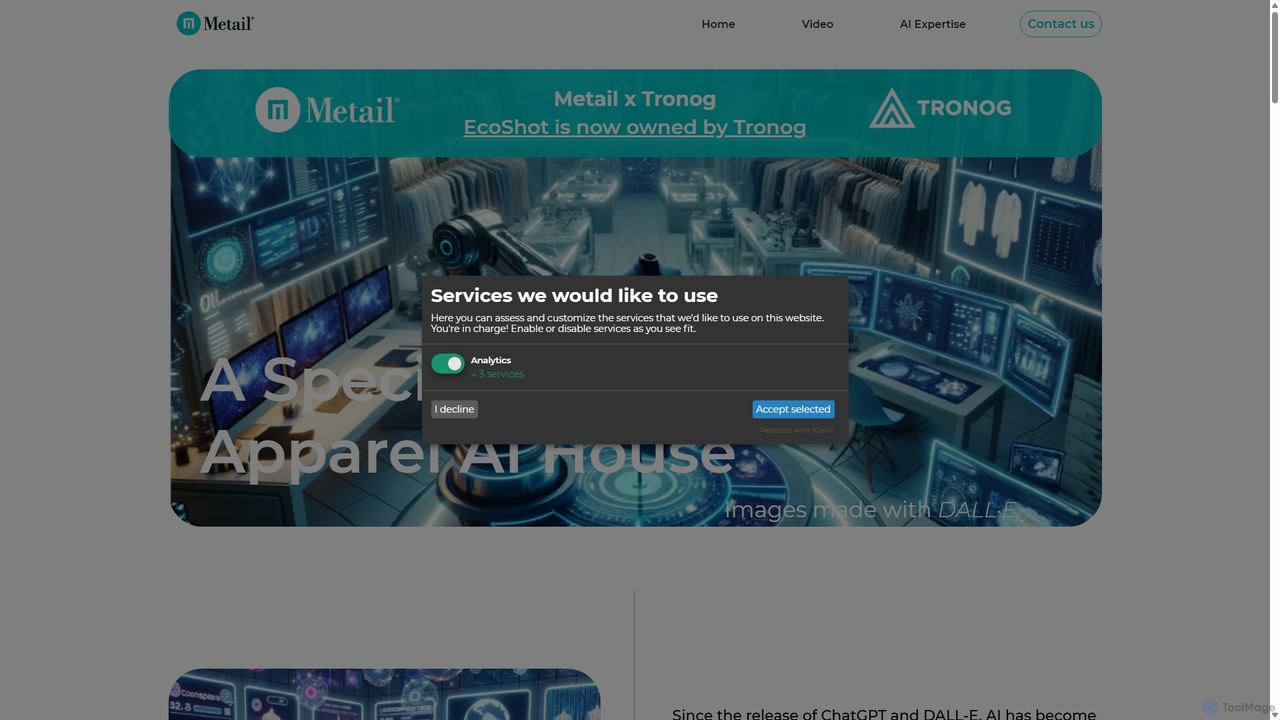
Metail is a specialist Apparel AI House that provides advanced solutions for the fashion industry. It leverages computer …
Metail is a specialist Apparel AI House that provides advanced solutions for the fashion industry. It leverages computer vision and generative AI to create virtual photography with AI models (EcoShot), accurate 3D body scanning, and manufacturing analytics, helping brands accelerate design, marketing, and production.
Scanflow
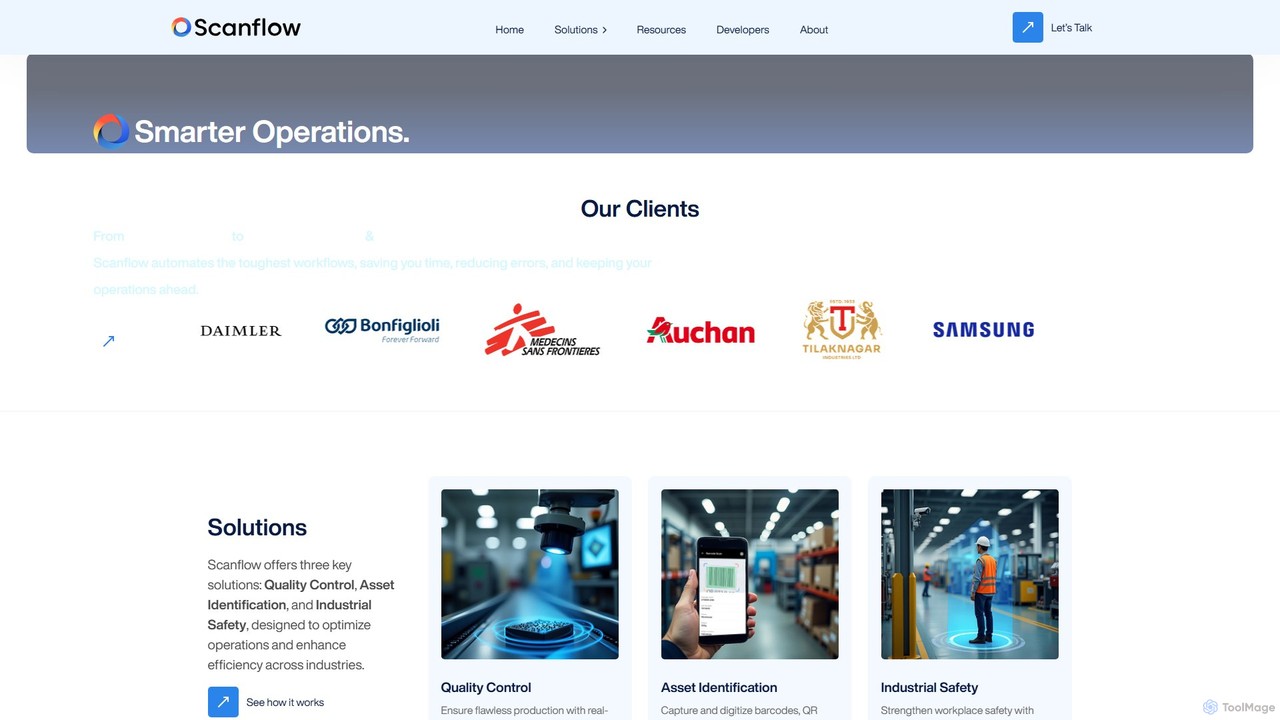
Scanflow is an AI-powered visual inspection platform designed to optimize industrial operations. It offers solutions for automated quality …
Scanflow is an AI-powered visual inspection platform designed to optimize industrial operations. It offers solutions for automated quality control, asset identification, and industrial safety. By leveraging computer vision, Scanflow helps businesses detect product defects in real-time, digitize barcodes and labels with high precision, and monitor workplace safety compliance, enhancing overall efficiency and accuracy.
SkyPlanner
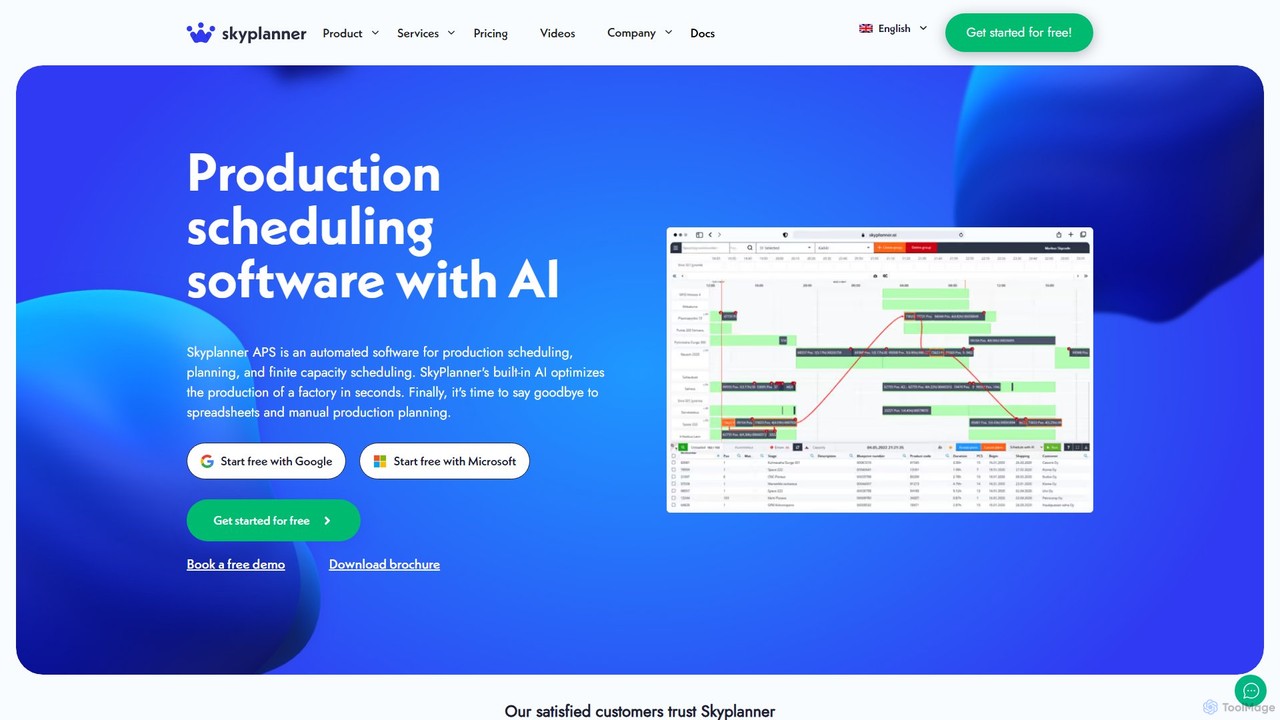
SkyPlanner is an AI-powered Advanced Planning and Scheduling (APS) system designed for the manufacturing industry. It uses its …
SkyPlanner is an AI-powered Advanced Planning and Scheduling (APS) system designed for the manufacturing industry. It uses its 'Arcturus' AI to calculate and optimize complex production plans in seconds, reacting to real-time changes like a GPS. By integrating with any ERP system, it maximizes facility capacity, improves delivery reliability, and replaces inefficient manual scheduling.
Cutlist Evolution
Cutlist Evolution is an AI-powered cut list optimizer designed for woodworkers, metalworkers, and manufacturers. It calculates the most …
Cutlist Evolution is an AI-powered cut list optimizer designed for woodworkers, metalworkers, and manufacturers. It calculates the most efficient cutting layouts for sheet goods and linear stock, significantly reducing material waste, saving time, and cutting costs. Its intuitive web-based interface helps you plan projects accurately by considering blade width and managing usable offcuts.
About Manufacturing
Manufacturing AI tools are a category of artificial intelligence applications designed to optimize and automate various stages of industrial production. These tools leverage machine learning, computer vision, and predictive analytics to enhance efficiency, improve quality control, and streamline supply chain operations. They enable smart factories by transforming raw data into actionable insights for decision-making, significantly boosting overall productivity within the manufacturing sector.
Core Features
- Predictive Maintenance: Analyzes sensor data to forecast equipment failures, enabling proactive repairs and minimizing downtime.
- Automated Quality Inspection: Utilizes computer vision to detect defects in products with high accuracy and speed on assembly lines.
- Production Optimization: Employs AI algorithms to dynamically schedule production, manage resources, and balance workloads for maximum throughput.
- Supply Chain Intelligence: Provides advanced demand forecasting, inventory optimization, and logistics planning to improve supply chain resilience.
- Robotics & Process Automation: Integrates AI with robotic systems to automate repetitive or complex tasks, increasing precision and safety.
Applicable Scenarios
Manufacturing AI tools are crucial for industries seeking to modernize their production lines and gain a competitive edge. They are widely adopted in automotive assembly for defect detection, electronics manufacturing for precision component placement, and heavy industry for predictive maintenance of large machinery. These tools empower production managers, quality control specialists, and supply chain strategists to make data-driven decisions.
How to Choose
Selecting the right Manufacturing AI tool requires evaluating several factors. Consider its integration capabilities with existing ERP or MES systems, ensuring seamless data flow. Assess the scalability and flexibility of the solution to adapt to changing production needs. Prioritize vendors offering robust data security, compliance, and comprehensive technical support. Finally, evaluate the user interface and ease of deployment to minimize training and implementation hurdles.
ManufacturingUse Cases
Predictive Maintenance for Factory Equipment
Factory managers use AI to analyze real-time sensor data from critical machinery, identifying subtle anomalies that indicate impending failures. This allows for scheduled maintenance before breakdowns occur, significantly reducing unplanned downtime and costly emergency repairs, thereby extending equipment lifespan.
Automated Visual Quality Control
Manufacturers deploy AI-powered computer vision systems on production lines to automatically inspect products for defects, such as scratches, misalignments, or missing components. This ensures consistent product quality at high speeds, surpassing human inspection capabilities and reducing scrap rates.
Optimized Production Scheduling & Resource Allocation
Production planners leverage AI algorithms to dynamically generate and adjust production schedules based on real-time factors like material availability, machine capacity, and fluctuating customer demand. This maximizes throughput, minimizes idle time, and optimizes the utilization of raw materials and labor.
Enhanced Supply Chain Demand Forecasting
Supply chain managers utilize AI to analyze vast datasets, including historical sales, market trends, weather patterns, and economic indicators, to generate highly accurate demand forecasts. This enables optimized inventory levels, reduces overstocking or stockouts, and improves overall supply chain responsiveness.
AI-Driven Robotics in Assembly Lines
Manufacturers integrate AI with industrial robots to perform complex and repetitive assembly tasks with greater precision and adaptability. AI allows robots to learn from new data, adjust to variations in parts, and collaborate more effectively with human workers, boosting efficiency and safety in the assembly process.
Energy Consumption Optimization in Facilities
Facility managers implement AI systems to monitor and analyze energy usage across the entire manufacturing plant, from individual machines to HVAC systems. The AI identifies patterns of inefficiency and recommends or automatically adjusts settings to reduce energy waste, leading to significant cost savings and a smaller carbon footprint.