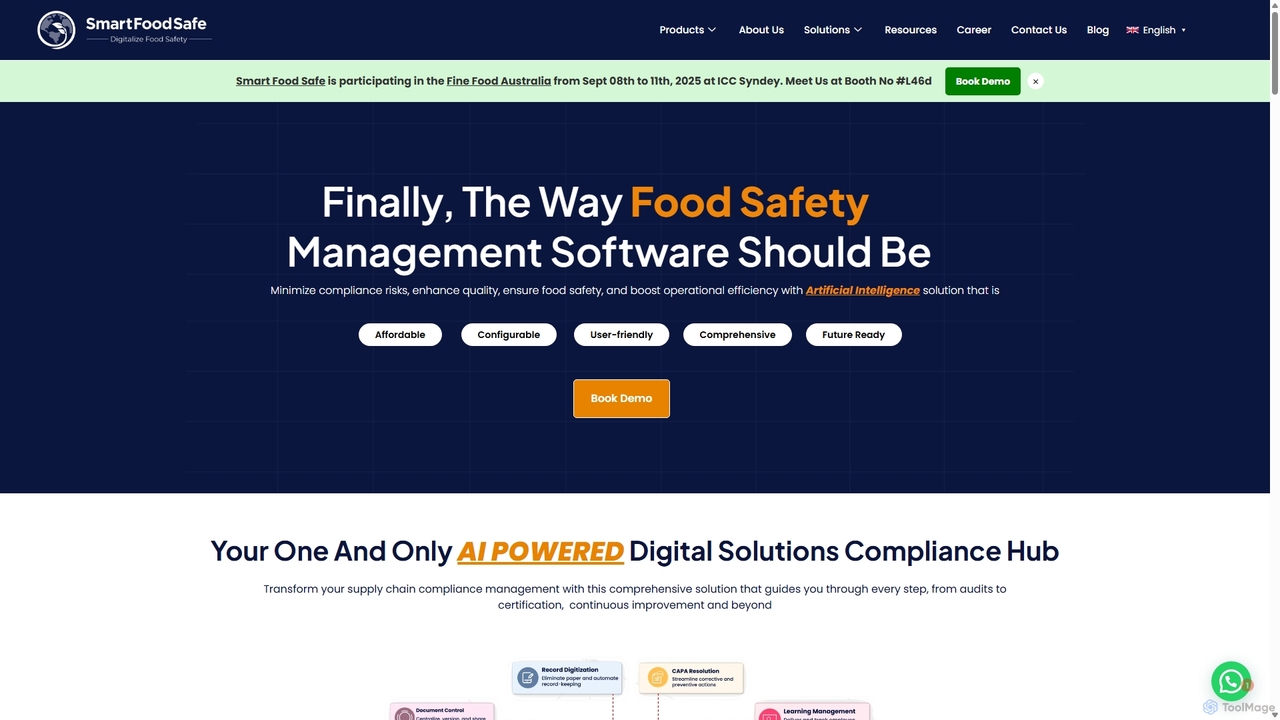
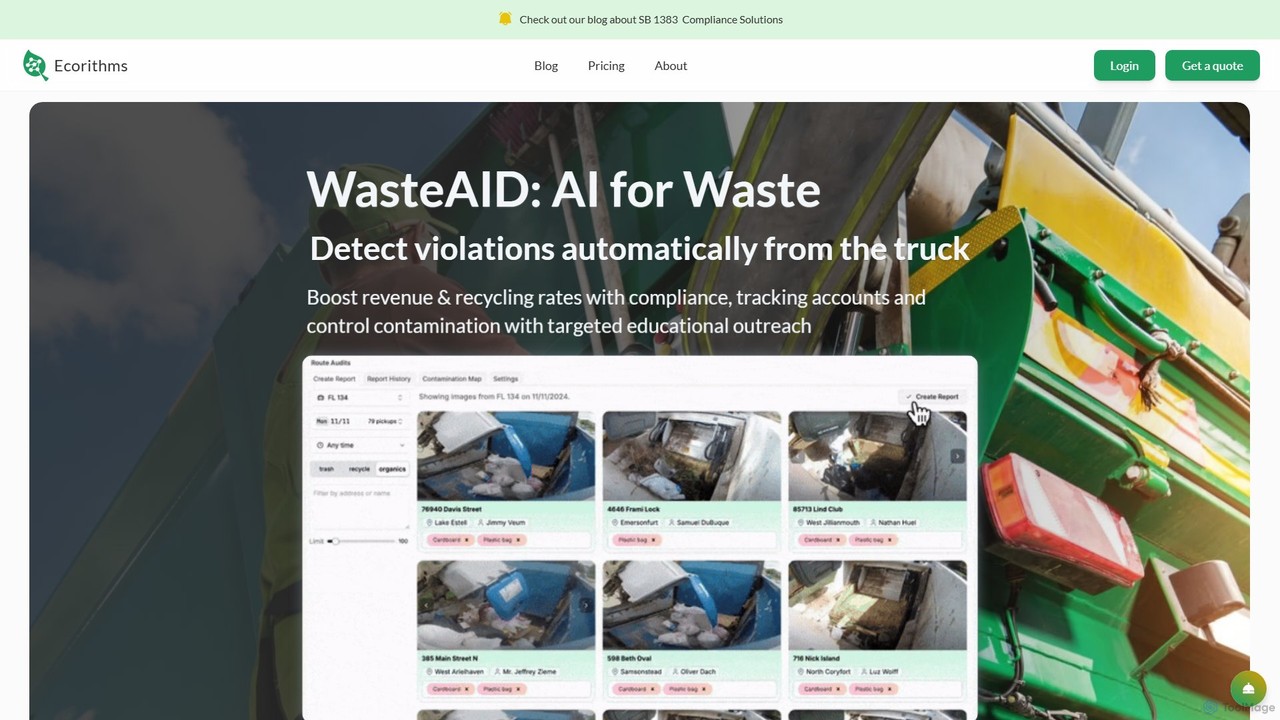
Compliance Management AI tools are specialized solutions within the broader Operations category that leverage artificial intelligence to automate, monitor, and optimize an organization's adherence to regulatory requirements, internal policies, and ethical standards. These tools utilize advanced algorithms, natural language processing, and machine learning to analyze vast amounts of data, identify potential risks, and ensure proactive compliance across various business functions. They provide a robust framework for maintaining legal and ethical integrity, significantly reducing manual effort and the potential for human error in complex regulatory environments.
Core Features
- Automated Policy Monitoring: Continuously scans internal documents and communications for adherence to established policies and procedures.
- Regulatory Change Tracking: Automatically monitors legal and regulatory updates, alerting organizations to new requirements and potential impacts.
- Risk Assessment & Mitigation: Identifies, evaluates, and prioritizes compliance risks, suggesting mitigation strategies based on data analysis.
- Data Privacy Compliance: Helps manage and enforce data protection regulations like GDPR, CCPA, by tracking data flows and access.
- Audit & Reporting Automation: Generates comprehensive compliance reports and prepares necessary documentation for internal and external audits.
Use Cases
Organizations across regulated industries, from finance and healthcare to manufacturing and technology, utilize these tools to navigate complex legal landscapes. Compliance officers, legal teams, and risk managers deploy AI for real-time monitoring of transactions, employee conduct, and data handling. This ensures continuous adherence to industry-specific regulations and internal governance frameworks, preventing costly penalties and reputational damage.
How to Choose
When selecting a Compliance Management AI tool, consider its ability to integrate with existing systems, the breadth of regulatory frameworks it supports, and its reporting capabilities. Evaluate the accuracy of its risk assessment models, the clarity of its alert system, and its scalability to grow with your organization's needs. User-friendliness and the level of customization offered for specific industry requirements are also crucial factors.