Operations Best in category 1 results Asset Management AI Tool

Popular AI tools in the Asset Management field of Operations include Forescribe, etc., helping you quickly improve efficiency.

Forescribe

Forescribe

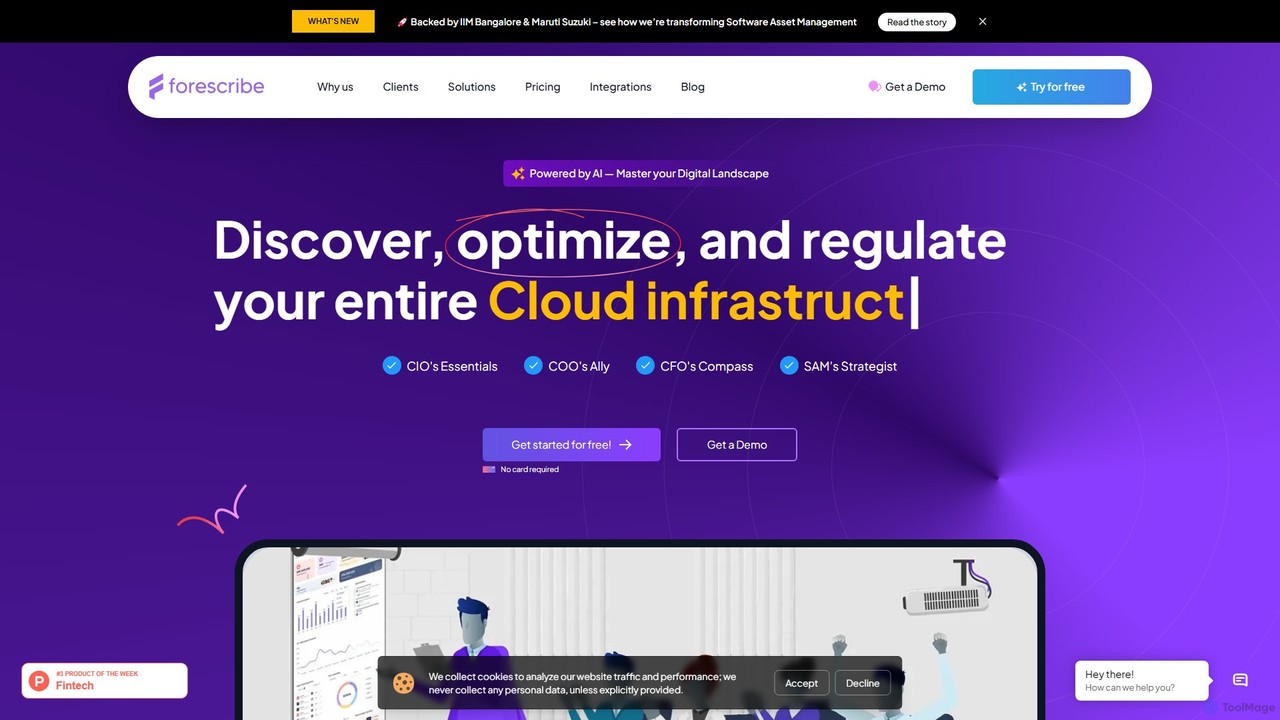
Forescribe is an AI-powered SaaS Management Platform (SMP) designed to help businesses master their digital landscape. It enables …

4.8K

About Asset Management

Asset Management AI tools are specialized solutions that leverage artificial intelligence to optimize the lifecycle management of an organization's assets. These tools utilize machine learning, predictive analytics, and computer vision to automate tracking, enhance utilization, and forecast maintenance needs. They empower businesses to gain deeper insights into their asset portfolios, reduce operational costs, and improve decision-making across various operational domains.

Core Features

  • Predictive Maintenance: AI algorithms analyze sensor data and historical performance to predict equipment failures before they occur, enabling proactive maintenance.
  • Intelligent Inventory Optimization: Machine learning models forecast demand, optimize stock levels, and automate reordering processes for physical and digital assets.
  • Automated Asset Tracking: Utilizes computer vision and IoT data to automatically monitor asset location, status, and usage in real-time.
  • Digital Asset Classification: AI automatically tags, categorizes, and organizes large volumes of digital assets (images, videos, documents) for easier retrieval and management.
  • Performance Analytics: Provides AI-driven insights into asset utilization, efficiency, and return on investment, identifying areas for improvement.

Applicable Scenarios

These tools are crucial for industries with extensive asset bases, such as manufacturing, logistics, real estate, and media. For instance, a manufacturing plant uses AI for predictive maintenance of machinery to minimize downtime. A media company employs AI to automatically tag and organize its vast library of digital content, streamlining content creation and distribution workflows.

How to Choose

When selecting an AI asset management solution, consider its integration capabilities with existing enterprise systems (ERP, CMMS), the types of assets it supports (physical, digital, IT), the accuracy and reliability of its AI models, and its scalability to grow with your organization's needs. Evaluate the user interface for ease of use and the level of customization offered.

Asset ManagementUse Cases

1

Optimizing Manufacturing Equipment Uptime

Manufacturing plant managers use AI asset management tools to monitor critical machinery. By analyzing real-time sensor data and historical performance, the AI predicts potential equipment failures days or weeks in advance. This enables maintenance teams to schedule proactive repairs during planned downtime, significantly reducing unexpected breakdowns and increasing overall production efficiency by up to 20%.

2

Intelligent Inventory Management for Retail

Retail operations managers leverage AI to optimize stock levels across multiple stores and warehouses. The AI analyzes sales data, seasonal trends, and external factors to forecast demand with high accuracy, automatically adjusting reorder points and quantities. This minimizes overstocking and understocking, reducing carrying costs by 15% and preventing lost sales due to out-of-stock items.

3

Automated Digital Asset Organization for Marketing

Marketing teams with vast libraries of images, videos, and documents use AI asset management for automated classification and tagging. The AI processes new content, identifies key elements, and applies relevant metadata, making assets easily searchable and retrievable. This streamlines content creation workflows, saving content creators hours each week in searching for and organizing digital media.

4

Predictive Fleet Maintenance for Logistics

Logistics companies utilize AI asset management to monitor their vehicle fleets. Telematics data, engine diagnostics, and driving patterns are fed into AI models that predict when vehicles require maintenance. This allows for proactive servicing, preventing costly roadside breakdowns, extending vehicle lifespan, and ensuring timely deliveries, ultimately reducing maintenance costs by 10-15%.

5

Real Estate Portfolio Performance Analysis

Real estate asset managers employ AI tools to analyze the performance of their property portfolios. The AI aggregates data from various sources—rental income, occupancy rates, maintenance costs, market trends—to identify underperforming assets and opportunities for value enhancement. This data-driven approach supports strategic investment decisions and optimizes portfolio returns.

6

IT Infrastructure Monitoring and Optimization

IT operations teams use AI asset management to monitor servers, network devices, and software licenses. The AI detects anomalies in performance, predicts hardware failures, and tracks software usage to optimize licensing costs. This ensures high availability of IT services, reduces manual oversight, and helps in efficient resource allocation, improving system reliability and reducing operational overhead.

Asset ManagementFrequently Asked Questions