Operations Best in category 1 results Facilities Management AI Tool

Popular AI tools in the Facilities Management field of Operations include Itemery, etc., helping you quickly improve efficiency.

Itemery

Itemery

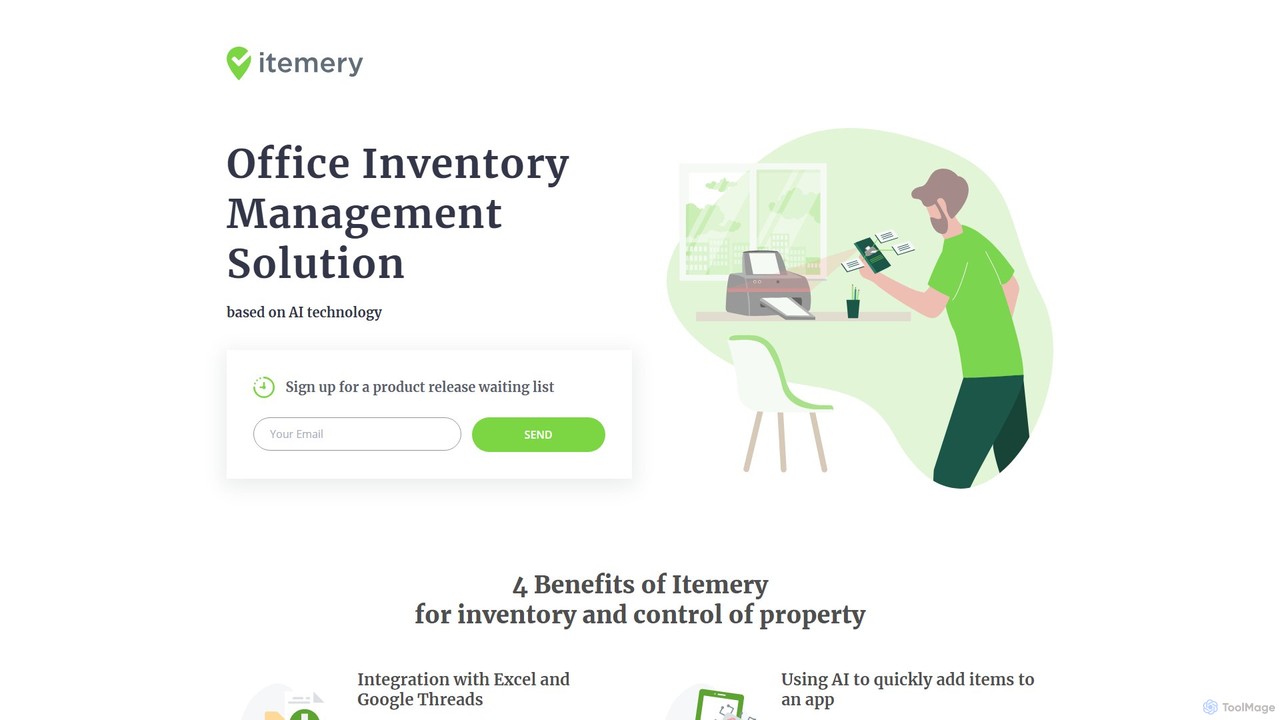
Itemery is an AI-powered office inventory management software for small and medium businesses. It simplifies asset tracking with …

2.6K

About Facilities Management

Facilities Management AI tools are advanced solutions that leverage artificial intelligence to optimize the operation, maintenance, and utilization of buildings and infrastructure. These tools integrate data from various sources like sensors, IoT devices, and existing management systems to provide predictive insights and automate routine tasks. They enhance operational efficiency, reduce costs, and improve the overall occupant experience by enabling proactive decision-making and resource allocation. As a specialized area within Operations, AI-powered facilities management focuses on creating smarter, more sustainable, and responsive built environments.

Core Features

  • Predictive Maintenance: Analyzes equipment data to forecast potential failures, enabling proactive repairs and minimizing downtime.
  • Energy Optimization: Adjusts HVAC, lighting, and other systems based on occupancy, weather, and usage patterns to reduce energy consumption.
  • Space Utilization Analysis: Monitors occupancy levels and movement patterns to optimize space allocation and improve workplace efficiency.
  • Automated Work Order Management: Generates, prioritizes, and assigns maintenance tasks automatically based on real-time data and predefined rules.
  • Environmental Monitoring: Tracks indoor air quality, temperature, and humidity to ensure a healthy and comfortable environment for occupants.

Use Cases

These tools are crucial for property managers, facility directors, and operations teams in commercial buildings, industrial complexes, and public institutions. They are used to streamline maintenance schedules, optimize energy consumption across large portfolios, and enhance occupant safety and comfort. For instance, a facility manager might use AI to predict HVAC system failures in a large office building, scheduling maintenance before a breakdown occurs.

How to Choose

When selecting Facilities Management AI tools, consider the scope of integration with existing building management systems (BMS) and IoT devices. Evaluate the accuracy of predictive models, the flexibility of automation rules, and the comprehensiveness of energy optimization features. Scalability for future expansion and robust data security protocols are also critical factors for long-term investment.

Facilities ManagementUse Cases

1

Predictive HVAC System Maintenance

A facility manager in a large commercial office building utilizes AI-powered tools to monitor real-time data from HVAC units, including temperature, pressure, and vibration. The AI analyzes these metrics to predict potential component failures weeks in advance, automatically generating a prioritized work order for the maintenance team. This proactive approach prevents costly breakdowns, minimizes occupant discomfort, and extends the lifespan of critical equipment, saving the organization significant repair expenses and operational disruptions.

2

Optimizing Energy Consumption in Smart Buildings

An operations director overseeing a portfolio of smart buildings deploys AI facilities management solutions to dynamically control lighting, heating, and cooling. The AI integrates data from occupancy sensors, weather forecasts, and utility tariffs to adjust building systems in real-time. For example, it might dim lights in unoccupied zones or pre-cool a building during off-peak electricity hours. This results in a measurable reduction in energy bills, often by 15-25%, and contributes to the building's sustainability goals without compromising occupant comfort.

3

Automated Space Utilization Analysis

A corporate real estate manager uses AI tools to analyze anonymized occupancy data from meeting rooms, workstations, and common areas across multiple office locations. The AI identifies underutilized spaces and peak usage times, providing insights into actual space demand. This information helps in strategic planning for office layouts, optimizing desk-sharing policies, and making informed decisions about future lease agreements or expansions, ensuring efficient use of valuable real estate assets and improving employee collaboration.

4

Streamlining Work Order and Asset Management

A maintenance supervisor in an industrial plant implements AI-driven work order management. When a sensor detects an anomaly in a machine's performance, the AI automatically creates a work order, assigns it to the most suitable technician based on skill and proximity, and orders necessary parts. This automation reduces manual administrative tasks, accelerates response times to issues, and ensures that critical assets are maintained efficiently, leading to higher operational uptime and reduced labor costs.

5

Enhancing Building Security and Access Control

A security director for a university campus integrates AI into their access control and surveillance systems. The AI analyzes video feeds for unusual activity, identifies unauthorized access attempts, and flags potential security breaches in real-time. It can also manage dynamic access permissions based on schedules or events. This proactive monitoring enhances campus safety, reduces the need for constant human surveillance, and provides rapid alerts for security personnel, improving overall incident response capabilities.

6

Environmental Quality Monitoring and Control

A health and safety officer in a healthcare facility uses AI-powered environmental monitoring to maintain optimal indoor conditions. Sensors continuously track air quality (CO2, VOCs), temperature, and humidity. The AI analyzes this data to identify deviations from healthy ranges and automatically triggers adjustments to ventilation or climate control systems. This ensures a consistently safe and comfortable environment for patients and staff, reducing the risk of airborne contaminants and improving overall well-being within the facility.

Facilities ManagementFrequently Asked Questions