Business Best in category 3 results Real Estate AI Tool

Popular AI tools in the Real Estate field of Business include Snapdocs、Cash Flow Portal、Tandem, etc., helping you quickly improve efficiency.

Cash Flow Portal

Cash Flow Portal

Cash Flow Portal is an all-in-one investment management software designed for real estate syndicators and fund managers. It …

36.2K
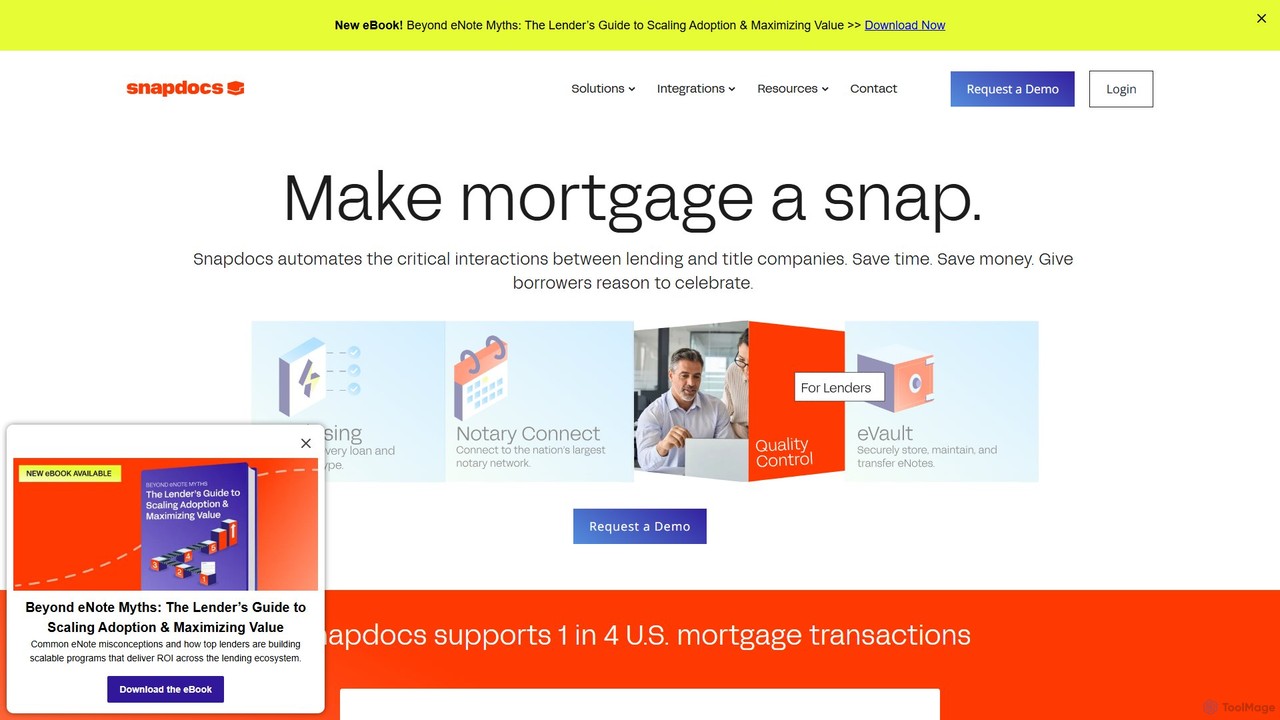
Snapdocs

Snapdocs

Snapdocs is the mortgage industry's leading eClosing platform, automating the entire closing process. It connects lenders, title companies, …

919.1K
Tandem

Tandem

Tandem is an AI-powered platform that simplifies the process of finding and leasing flexible office spaces. It intelligently …

12.4K

About Real Estate

AI Real Estate tools are specialized applications designed to automate and enhance processes within the property industry. They leverage machine learning and predictive analytics to perform tasks like property valuation, market trend forecasting, and lead qualification. These tools empower agents, brokers, and investors to make data-driven decisions, optimize marketing efforts, and improve client services. By analyzing vast datasets, they can uncover investment opportunities and streamline complex transactions from listing to closing.

Core Features

  • Predictive Market Analysis: Forecasts property value trends, rental yields, and market fluctuations using historical and real-time data.
  • Automated Property Valuation (AVM): Provides instant, data-driven estimates of a property's current market value.
  • AI Lead Generation & Scoring: Identifies and prioritizes potential buyers or sellers based on their online behavior and engagement.
  • Automated Listing Descriptions: Generates compelling and SEO-friendly property descriptions from key features and images.
  • Virtual Staging & Renovation Previews: Creates realistic virtual furnishings for empty spaces or visualizes potential renovations.

Use Cases

These tools are widely used by real estate agencies, investment firms, property developers, and mortgage lenders. Agents utilize them to automate marketing content and qualify leads efficiently. Investors rely on them to identify undervalued properties and predict areas with high growth potential. Property managers can use AI for tenant screening and optimizing rental pricing.

How to Choose

When selecting an AI Real Estate tool, consider the accuracy and source of its data, as this directly impacts valuation and prediction quality. Evaluate its integration capabilities with your existing CRM and MLS platforms. Assess whether its feature set aligns with your primary business need, such as marketing automation, investment analysis, or lead management. Finally, choose a tool with an intuitive user interface that your team can adopt with minimal training.

Real EstateUse Cases

1

Automated Property Valuation for Investment Analysis

A real estate investor needs to quickly assess hundreds of potential properties to identify viable investment opportunities. Instead of spending weeks on manual research, they use an AI-powered Automated Valuation Model (AVM) tool. By inputting a list of property addresses, the tool instantly provides data-backed valuation estimates, projected rental income, and comparable property analyses. This allows the investor to rapidly filter out unsuitable properties and focus their due diligence on a shortlist of the most promising assets, significantly accelerating their decision-making process.

2

Generating SEO-Optimized Property Listings

A real estate agent is tasked with creating compelling descriptions for ten new listings before the end of the day. Writing unique, engaging, and keyword-rich content for each is time-consuming. By using an AI listing description generator, the agent inputs key details for each property (e.g., square footage, number of bedrooms, unique features, neighborhood). The AI then generates several distinct, professionally written descriptions in various tones. The agent can quickly review, select the best one, and make minor edits, reducing the writing time by over 80% and ensuring all listings are optimized for search engines.

3

AI-Powered Lead Scoring and Nurturing

A real estate brokerage receives hundreds of online inquiries weekly, making it difficult for agents to prioritize follow-ups. They implement an AI tool that integrates with their CRM. The AI analyzes each lead's behavior, such as properties viewed, time spent on site, and email engagement. It then assigns a 'hot', 'warm', or 'cold' score to each lead. 'Hot' leads are immediately flagged for a personal call from an agent, while 'warm' and 'cold' leads are automatically enrolled in tailored email nurturing campaigns. This system ensures high-potential leads are contacted promptly, increasing conversion rates by over 30%.

4

Creating Virtual Staging for Vacant Properties

A listing agent is struggling to market a vacant property because potential buyers find it hard to visualize the space's potential. Instead of incurring the high cost and logistical hassle of physical staging, the agent uses an AI virtual staging tool. They upload photos of the empty rooms, and within minutes, the AI generates multiple photorealistic, fully furnished versions in different styles (e.g., modern, traditional, minimalist). These appealing images are used in online listings and marketing materials, leading to a 50% increase in online engagement and helping buyers connect emotionally with the property, resulting in a faster sale.

5

Predictive Market Analysis for Strategic Pricing

A real estate broker needs to advise a seller on the optimal listing price for their home. Using a predictive market analysis tool, the broker inputs the property's details and location. The AI analyzes millions of data points, including historical sales, current listings, local economic indicators, and even seasonal demand shifts. It generates a report forecasting market trends for the next 3-6 months and recommends a dynamic pricing strategy. This data-driven advice helps the seller price their home competitively, attracting serious buyers and maximizing the final sale price, rather than relying solely on past comparable sales.

6

Automating Client Communication with AI Chatbots

A property management company is overwhelmed with repetitive inquiries from tenants and prospective renters about availability, application status, and maintenance requests. They deploy an AI chatbot on their website. The chatbot is trained on company data and can instantly answer 80% of common questions 24/7. It can also schedule property viewings and guide users through the rental application process. This automation frees up property managers to focus on complex tenant issues and relationship building, while improving response times and overall customer satisfaction.

Real EstateFrequently Asked Questions