ToolMage
Sign in

Best 1 Reservation System AI tools for Business

Popular Reservation System AI tools in Business include CourseRev.ai, helping you work more efficiently.

CourseRev.ai
Paid

CourseRev.ai

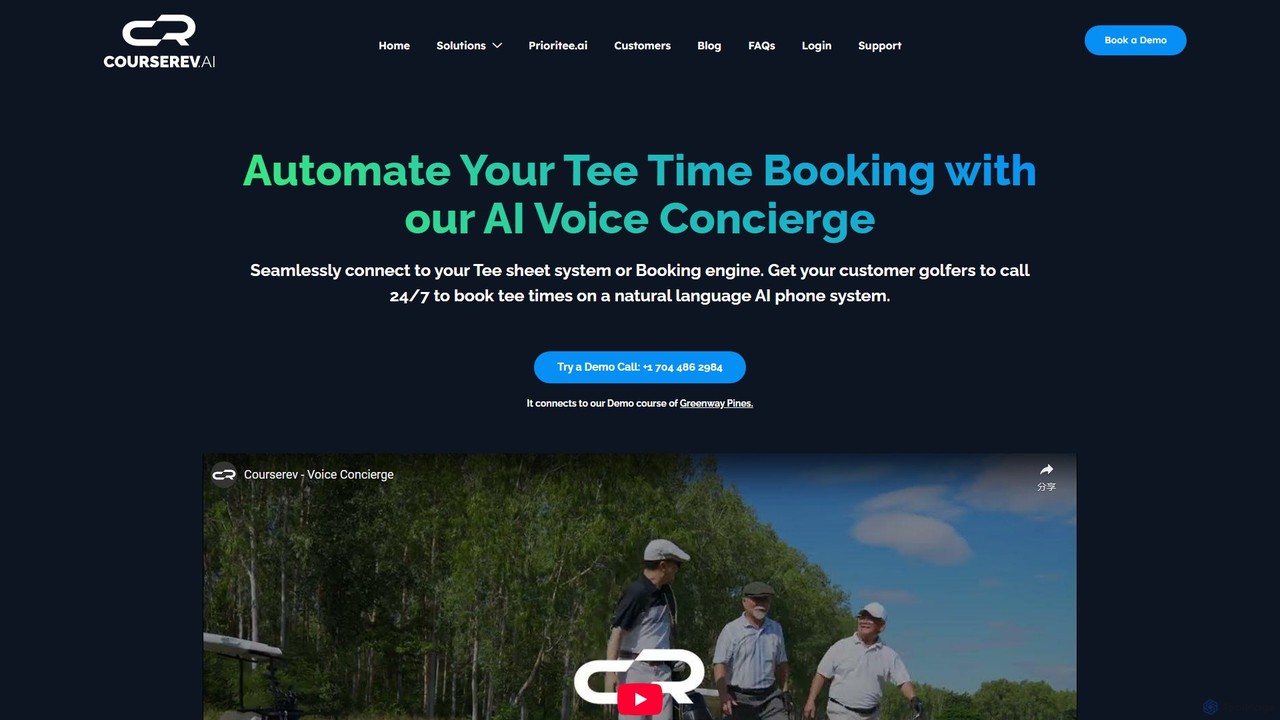
CourseRev.ai is an AI-powered platform for golf courses, offering an AI voice concierge and chatbot to automate tee time bookings 24/7. It integrates with existing systems to manage reservations, cancellations, waitlists, and payments, helping to increase revenue and reduce staff workload.

Reservation System
Visits 39.4KFavorites 129Likes 129

About Reservation System

Reservation System AI tools are specialized platforms that leverage artificial intelligence to automate and optimize the process of booking appointments, resources, services, or events. These systems utilize AI for tasks like predictive scheduling, dynamic pricing, personalized recommendations, and intelligent conflict resolution, moving beyond basic calendar management. They enhance operational efficiency, improve customer experience by offering seamless booking flows, and provide valuable insights for demand forecasting and resource allocation within various business sectors.

Core Features

  • Automated Scheduling: Intelligently manages availability, prevents double-bookings, and suggests optimal time slots based on various parameters.
  • Dynamic Pricing: Adjusts service or resource prices in real-time based on demand, availability, and historical data to maximize revenue.
  • Personalized Recommendations: Uses AI to suggest relevant services, products, or time slots to customers based on their past behavior and preferences.
  • Resource Optimization: Efficiently allocates staff, equipment, and physical spaces to meet booking demands while minimizing idle time.
  • Customer Communication: Automates booking confirmations, reminders, and follow-ups via email or SMS, often with AI-powered chatbots for inquiries.

Applicable Scenarios

AI reservation systems are crucial for businesses requiring efficient management of time-based services or limited resources. They are widely adopted in hospitality for hotel rooms and restaurant tables, in healthcare for patient appointments, in service industries like salons and fitness centers, and for managing event registrations and facility bookings.

How to Choose

When selecting an AI reservation system, consider its integration capabilities with existing CRM, POS, or calendar tools, the level of AI-driven automation (e.g., dynamic pricing, smart scheduling), scalability to handle future growth, and the clarity of its analytics and reporting features. Evaluate user-friendliness for both staff and customers, and ensure it offers robust security for sensitive booking data.

Reservation System use cases

1

Optimizing Hotel Room Bookings

Hotel managers utilize AI reservation systems to dynamically adjust room rates based on real-time demand, seasonal trends, and competitor pricing. The system can also predict occupancy rates, automate room assignments, and offer personalized upgrade options to guests, maximizing revenue and improving guest satisfaction.

2

Streamlining Restaurant Table Reservations

Restaurant owners deploy AI reservation tools to manage table availability, optimize seating arrangements, and reduce no-shows through automated reminders. AI can learn customer preferences, suggest optimal dining times, and even manage waitlists efficiently, enhancing the dining experience and operational flow.

3

Automating Clinic Appointment Scheduling

Healthcare providers use AI reservation systems to simplify patient appointment booking, reduce administrative burden, and minimize scheduling conflicts. The system can intelligently match patients with appropriate specialists, send automated reminders, and even facilitate virtual consultations, improving patient access and clinic efficiency.

4

Managing Salon & Spa Service Appointments

Salon and spa owners leverage AI booking platforms to allow clients to easily schedule services online, view staff availability, and receive personalized recommendations. The system helps optimize staff schedules, manage service durations, and send automated confirmations and follow-ups, enhancing client convenience and business productivity.

5

Facilitating Event & Workshop Registrations

Event organizers employ AI reservation systems to handle ticket sales, manage attendee registrations, and allocate resources for workshops or conferences. AI can help with capacity planning, segmenting attendees for targeted communication, and providing real-time insights into registration trends, ensuring smooth event execution.

6

Efficiently Booking Shared Resources (e.g., Meeting Rooms)

Corporate offices or co-working spaces use AI reservation systems to manage the booking of shared resources like meeting rooms, equipment, or hot desks. The system can prevent conflicts, track usage patterns, and suggest optimal resource allocation, improving workplace efficiency and resource utilization.

Reservation System FAQ

What are AI Reservation Systems?

AI Reservation Systems are advanced software solutions that use artificial intelligence to automate and enhance the process of booking and managing appointments, resources, or services. Unlike traditional systems, they can learn from data to optimize schedules, predict demand, personalize offerings, and handle complex booking logic, significantly improving efficiency and user experience.

How to choose the right AI Reservation System for my business?

When selecting an AI reservation system, consider your specific business needs, such as the volume of bookings, types of resources, and required integrations (e.g., CRM, payment gateways). Evaluate its AI capabilities (e.g., dynamic pricing, smart scheduling), scalability, ease of use for both staff and customers, and the robustness of its reporting and analytics features. Also, assess its security protocols and customer support.

What are the key features of an AI Reservation System?

Key features typically include automated scheduling and calendar management, dynamic pricing algorithms, personalized booking recommendations, efficient resource allocation (staff, rooms, equipment), and automated customer communication (confirmations, reminders). Many also offer integration with payment systems, CRM, and analytics dashboards for performance tracking.

How do AI Reservation Systems differ from traditional booking systems?

Traditional booking systems primarily facilitate manual scheduling and basic availability checks. AI reservation systems, however, leverage machine learning to go beyond this, offering predictive analytics for demand forecasting, dynamic adjustments for pricing and availability, and personalized user experiences. They automate complex decision-making, reduce human error, and provide strategic insights that traditional systems cannot.

Can AI Reservation Systems integrate with other business tools?

Yes, most modern AI reservation systems are designed for seamless integration with a wide range of other business tools. Common integrations include Customer Relationship Management (CRM) systems for unified customer data, Point of Sale (POS) systems for payment processing, marketing automation platforms for targeted campaigns, and various calendar applications (Google Calendar, Outlook) for synchronized scheduling. This connectivity creates a more cohesive and efficient operational ecosystem.