ToolMage
Sign in

Best 1 Restaurant Tech AI tools for Business

Popular Restaurant Tech AI tools in Business include chatQR.ai, helping you work more efficiently.

chatQR.ai
Paid

chatQR.ai

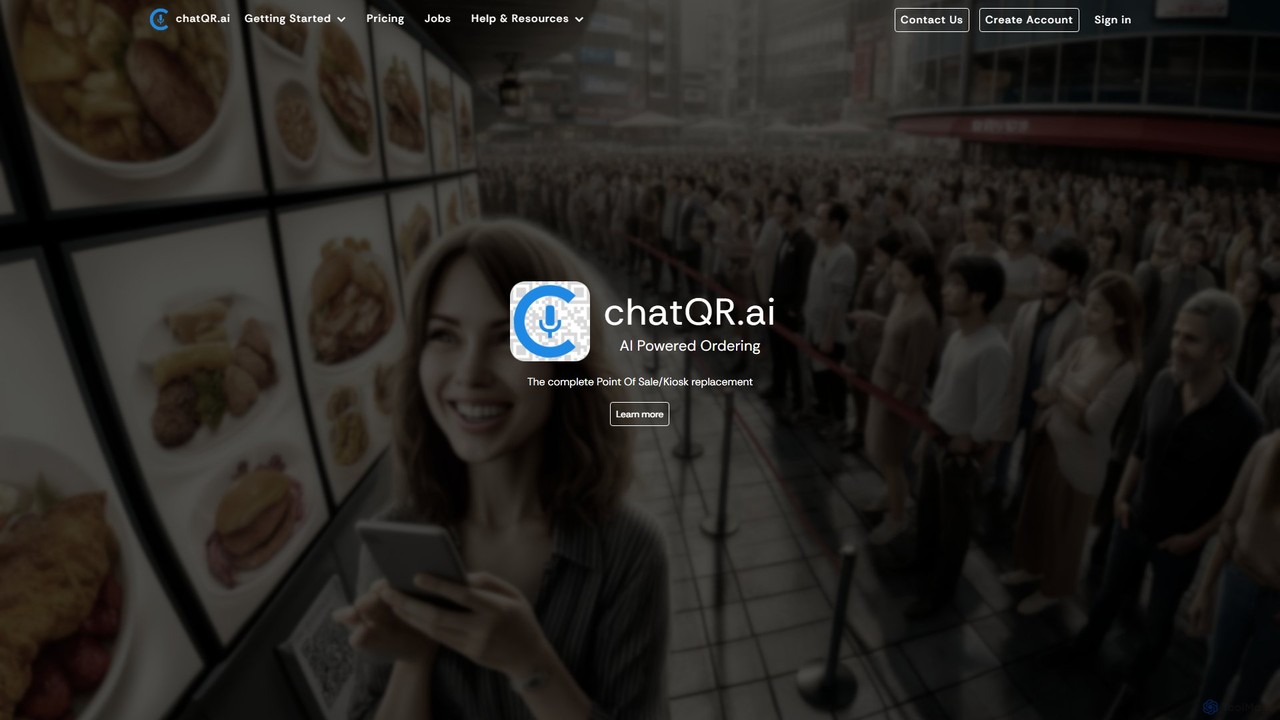
chatQR.ai is an AI-powered ordering system that replaces traditional POS and kiosks. It uses voice recognition and LLMs to create a conversational ordering experience via QR codes. Customers scan a code and talk to an AI assistant to place orders, streamlining operations for restaurants, cafes, and other businesses. The platform offers a full suite of POS features, easy setup, and a simple transaction-based pricing model.

Restaurant Tech
Visits 6.2KFavorites 121Likes 107

About Restaurant Tech

Restaurant Tech refers to a specialized category of technology solutions designed to optimize and enhance operations within the food service industry. These tools leverage software, hardware, and data analytics to streamline everything from front-of-house customer interactions to back-of-house kitchen management and supply chain logistics. By integrating various digital systems, Restaurant Tech aims to improve efficiency, reduce costs, elevate customer experiences, and provide actionable insights for business growth, making it a vital component of modern business operations in the culinary world.

Core Features

  • Point-of-Sale (POS) Systems: Integrated hardware and software for order taking, payment processing, and sales tracking.
  • Online Ordering & Delivery Platforms: Systems for managing digital orders, delivery logistics, and customer communication.
  • Reservation & Table Management: Tools to handle bookings, optimize seating, and reduce wait times.
  • Inventory & Supply Chain Management: Software for tracking ingredients, managing suppliers, and minimizing waste.
  • Staff Management & Scheduling: Solutions for employee scheduling, time tracking, and payroll integration.

Applicable Scenarios

Restaurant Tech is indispensable for a wide range of food service establishments, from bustling fine-dining restaurants and quick-service cafes to large catering businesses and multi-location chains. Owners and managers utilize these systems to gain real-time insights into sales, inventory, and staff performance, enabling data-driven decisions. Chefs and kitchen staff benefit from streamlined order flows and inventory alerts, while front-of-house teams use them to provide seamless customer service and efficient table turnover.

How to Choose

When selecting Restaurant Tech solutions, consider the specific needs and scale of your operation. Key factors include the system's integration capabilities with existing hardware and software, its scalability to accommodate future growth, ease of use for staff training, and the comprehensiveness of its features (e.g., POS, inventory, CRM, online ordering). Evaluate vendor support, pricing models, and data security measures to ensure a reliable and cost-effective investment that aligns with your business goals.

Restaurant Tech use cases

1

Streamlining Online Order Management

A busy urban cafe uses Restaurant Tech to integrate its website and third-party delivery apps into a single online ordering system. This allows customers to place orders directly, while the cafe staff receives all orders on a unified kitchen display system (KDS), reducing manual entry errors and ensuring timely preparation and dispatch for both pickup and delivery, significantly boosting efficiency during peak hours.

2

Optimizing Table Reservations and Seating

A fine-dining restaurant employs a Restaurant Tech reservation system to manage bookings, allocate tables efficiently, and track guest preferences. The system automatically sends confirmation and reminder messages, minimizes no-shows, and provides hosts with real-time seating availability, allowing them to optimize table turnover and enhance the overall dining experience for guests.

3

Automating Inventory and Supply Chain

A multi-location restaurant chain leverages Restaurant Tech for automated inventory management. The system tracks ingredient usage in real-time, generates purchase orders when stock levels are low, and integrates with suppliers for seamless ordering. This reduces food waste, ensures consistent ingredient availability, and provides accurate cost-of-goods-sold data across all locations.

4

Enhancing Customer Loyalty Programs

A casual dining eatery implements a Restaurant Tech loyalty program that integrates with its POS system. Customers earn points with every purchase, receive personalized offers via email or app notifications, and can redeem rewards easily. This fosters repeat business, gathers valuable customer data, and allows for targeted marketing campaigns, strengthening customer relationships.

5

Efficient Staff Scheduling and Payroll

A large restaurant group uses Restaurant Tech for comprehensive staff management. The platform allows managers to create optimized schedules based on forecasted demand, track employee clock-ins and outs, manage shift swaps, and integrate directly with payroll systems. This reduces administrative overhead, ensures adequate staffing levels, and minimizes payroll discrepancies.

6

Data-Driven Menu Optimization

A restaurant chain utilizes the analytics features of its Restaurant Tech platform to analyze sales data for each menu item. By identifying best-selling dishes, low-performing items, and ingredient profitability, the management can make informed decisions about menu updates, pricing adjustments, and promotional strategies, leading to increased revenue and improved profitability.

Restaurant Tech FAQ

What is Restaurant Tech?

Restaurant Tech encompasses a range of digital tools and systems designed to automate and improve various aspects of restaurant operations. It includes solutions for point-of-sale, online ordering, reservation management, inventory control, staff scheduling, and customer relationship management, all aimed at enhancing efficiency, profitability, and guest satisfaction.

How can Restaurant Tech benefit my business?

Restaurant Tech offers numerous benefits, including streamlined operations, reduced labor costs through automation, improved order accuracy, faster service, and enhanced customer experiences. It also provides valuable data insights into sales trends, inventory levels, and staff performance, enabling better decision-making and strategic planning for growth.

What are the key components of a comprehensive Restaurant Tech system?

A comprehensive Restaurant Tech system typically includes an integrated Point-of-Sale (POS) system, online ordering and delivery management, reservation and table management software, inventory and supply chain tracking, staff scheduling and payroll integration, and customer relationship management (CRM) tools. Some advanced systems also offer kitchen display systems (KDS) and robust analytics.

How do I choose the right Restaurant Tech solution for my restaurant?

To choose the right solution, first assess your restaurant's specific needs and budget. Consider factors like the system's ease of use, its ability to integrate with existing hardware and software, scalability for future growth, the comprehensiveness of its features, and the quality of customer support. Reading reviews and requesting demos from multiple vendors can also be very helpful.

What's the difference between a traditional POS and a modern Restaurant Tech platform?

A traditional POS primarily handles transactions and basic sales reporting. A modern Restaurant Tech platform, while including POS functionality, offers a much broader suite of integrated tools. It typically combines POS with online ordering, reservation management, inventory, staff scheduling, CRM, and advanced analytics, providing a holistic solution for managing all aspects of a restaurant business.