ToolMage
Sign in

Best 1 Sales Coaching AI tools for Business

Popular Sales Coaching AI tools in Business include KAI Conversations, helping you work more efficiently.

KAI Conversations

KAI Conversations

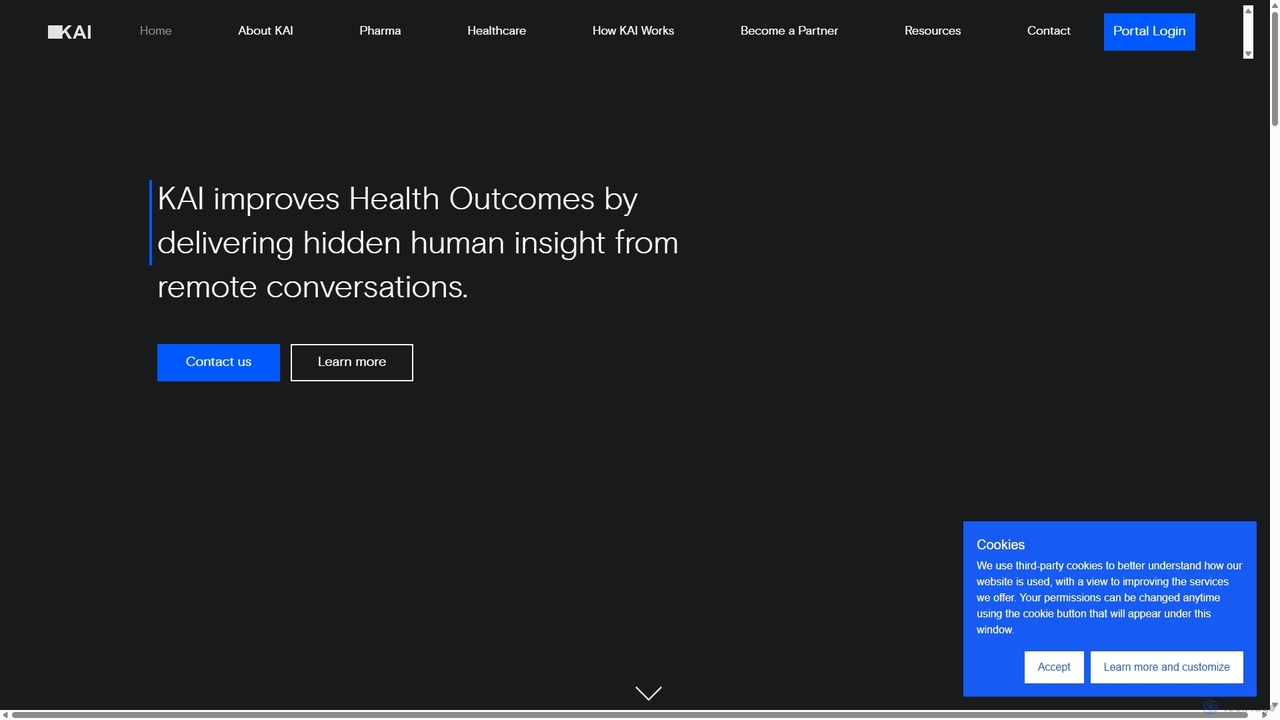
KAI Conversations is an advanced AI-powered conversation intelligence platform designed for the pharmaceutical and healthcare industries. It analyzes remote conversations by combining acoustic, text, and facial emotion AI to uncover hidden human insights. The platform helps improve health outcomes, enhance sales force effectiveness, and foster better human relationships by identifying the optimal 'Konversational DNA™' for successful interactions.

Sales Coaching
Visits 5.7KFavorites 141Likes 171

About Sales Coaching

AI Sales Coaching tools are platforms that use artificial intelligence to analyze sales conversations and provide actionable feedback for performance improvement. These tools leverage Natural Language Processing (NLP) to transcribe, analyze, and score interactions from calls, video meetings, and emails. They help sales teams identify winning behaviors, pinpoint skill gaps, and scale personalized coaching efforts effectively. By automating the review process, these platforms enable managers to deliver data-driven guidance, accelerating ramp-up time for new hires and refining the skills of veteran reps.

Core Features

  • Conversation Analysis: Automatically transcribes and analyzes sales calls for talk-to-listen ratios, keyword usage, and sentiment.
  • Performance Scoring: Scores representative performance against customizable scorecards and key performance indicators (KPIs).
  • Automated Feedback: Generates personalized, data-driven feedback and suggests specific areas for improvement.
  • Best Practice Library: Creates a searchable repository of top-performing call snippets for training and onboarding.
  • Real-time Assistance: Provides live cues and talking points to sales reps during customer conversations.

Use Cases

These tools are widely used by sales enablement teams, sales managers, and VPs of Sales in B2B technology, financial services, and other high-value sales environments. They are crucial for onboarding new team members, standardizing sales methodologies across large teams, and providing continuous professional development.

How to Choose

When selecting an AI Sales Coaching tool, consider its integration capabilities with your CRM and communication platforms (e.g., Zoom, Salesforce). Evaluate the accuracy of its transcription and analysis, the flexibility of its scorecards, and the quality of its reporting dashboards. Also, assess the platform's ease of use for both managers and sales reps.

Sales Coaching use cases

1

Accelerating New Hire Onboarding

Sales enablement managers use AI Sales Coaching to reduce the ramp-up time for new representatives. Instead of relying solely on shadowing, new hires can access a curated library of best-practice calls from top performers. The platform automatically analyzes their practice calls, providing instant, specific feedback on script adherence, question-asking techniques, and objection handling. This data-driven approach helps them build confidence and competence much faster than traditional methods.

2

Scaling Coaching for Large Sales Teams

A sales director managing over 50 representatives uses an AI coaching platform to provide consistent and personalized guidance at scale. The system automatically flags key moments in calls—both positive and negative—for review, saving the manager hours of manual listening. Dashboards reveal team-wide trends, such as a common struggle with pricing questions, allowing the director to implement targeted group training sessions while the AI delivers individualized feedback.

3

Replicating Top Performer Habits

To understand what makes their best salespeople successful, a company uses AI to analyze the conversational patterns of its top 10% performers. The tool identifies common phrases, successful questioning strategies, and the talk-to-listen ratio that correlates with closed deals. These insights are then used to build a 'success playbook' and create data-backed scorecards to coach the rest of the team on proven, effective behaviors.

4

Improving Deal Win Rates with Data

A sales manager aims to increase the team's deal win rate by focusing on late-stage conversations. The AI tool analyzes calls from won versus lost opportunities, identifying key differences in how reps handle objections, discuss competitors, and present value propositions. This comparative analysis provides concrete evidence of what works, enabling managers to coach their teams on specific, high-impact conversational tactics that directly influence deal outcomes.

5

Ensuring Compliance and Message Consistency

In regulated industries like finance or healthcare, it's critical that sales reps adhere to strict compliance scripts. An AI Sales Coaching tool automatically scans every call for mandatory disclosures and keywords. It flags any conversation where a required statement was missed or a prohibited claim was made. This automates the compliance monitoring process, reduces risk, and ensures a consistent brand message is delivered to all customers.

6

Providing Real-time In-call Guidance

A sales representative is on a live call with a prospect who raises an unexpected objection about a new competitor. The AI tool, listening in real-time, recognizes the competitor's name and instantly surfaces a 'battle card' on the rep's screen with key talking points and differentiators. This real-time assistance helps the rep confidently address the objection without fumbling, improving the quality of the conversation and the likelihood of advancing the sale.

Sales Coaching FAQ

What is AI Sales Coaching?

AI Sales Coaching is a category of software that uses artificial intelligence to analyze sales conversations and provide data-driven insights for performance improvement. It automatically transcribes calls and meetings, identifies key topics, and scores reps on predefined criteria. The primary goal is to make sales coaching more scalable, consistent, and effective by basing feedback on objective data rather than subjective observation.

How do I choose the right AI Sales Coaching tool?

When selecting a tool, consider these factors:

  • Integration: Does it connect seamlessly with your existing CRM, dialer, and video conferencing software?
  • Analysis Accuracy: Evaluate the quality of its transcription and its ability to accurately identify topics, sentiment, and speaker patterns.
  • Customization: Can you create custom scorecards, trackers, and coaching workflows that align with your sales methodology?
  • User Experience: Is the platform intuitive for both sales managers who review calls and reps who receive feedback?

What's the difference between AI Sales Coaching and a CRM?

A CRM (Customer Relationship Management) system is designed to manage customer data, track interactions, and oversee the sales pipeline. Its focus is on organizing information. In contrast, an AI Sales Coaching tool focuses on improving the quality of those interactions. It analyzes the content of conversations to provide feedback on a rep's skills, such as communication style, product knowledge, and objection handling. They are complementary tools; the CRM manages the 'what,' while the coaching tool improves the 'how.'

What are the key features of an AI Sales Coaching platform?

Most AI Sales Coaching platforms include a core set of features: conversation intelligence (transcription and analysis), automated performance scoring against scorecards, a library for storing best-practice call examples, and dashboards for tracking team and individual progress. More advanced platforms may also offer real-time guidance during live calls, automated action plans for reps, and predictive insights that correlate specific behaviors with sales outcomes.

Who benefits most from using AI Sales Coaching tools?

Several roles benefit significantly. Sales Representatives receive personalized, consistent feedback to improve their skills and close more deals. Sales Managers can coach more effectively and at scale, using data to identify specific areas for improvement. Sales Enablement and Training teams can create more targeted training programs based on real-world skill gaps. Finally, company leadership gains visibility into what drives sales success across the entire organization.