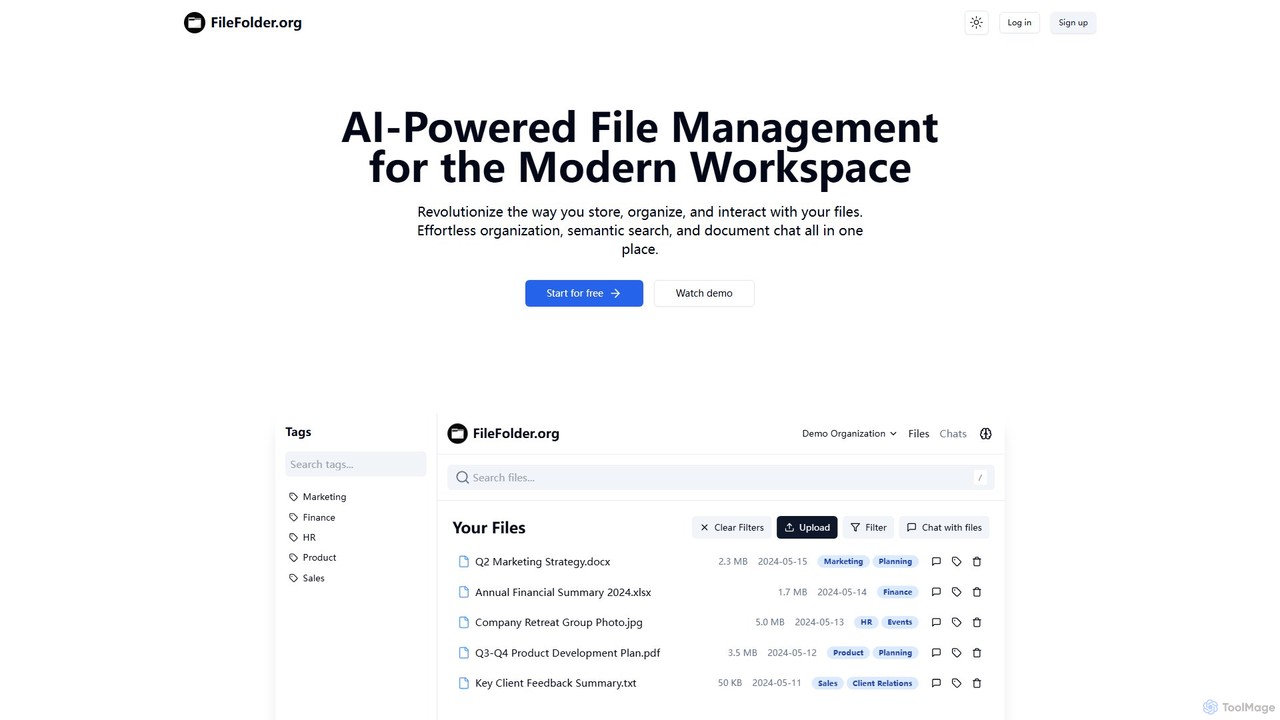
AI Search tools are specialized platforms that leverage artificial intelligence to significantly enhance the discovery and retrieval of information within vast datasets. Unlike traditional keyword-based systems, these tools employ natural language processing (NLP) and machine learning to understand context, intent, and semantic relationships, delivering more accurate and relevant results. They are crucial for businesses seeking to unlock insights from their internal knowledge bases, external market data, and unstructured information, transforming how users interact with information.
Core Features
- Semantic Search: Understands the meaning and context of queries, not just keywords, to deliver highly relevant results.
- Natural Language Querying: Allows users to ask questions in plain language, similar to human conversation, for intuitive information retrieval.
- Intelligent Filtering & Faceting: Provides advanced options to refine search results based on various attributes, categories, or custom criteria.
- Knowledge Graph Integration: Connects disparate pieces of information to build a comprehensive understanding and reveal hidden relationships.
- Personalized Results: Adapts search outcomes based on user roles, past interactions, and specific information needs.
Use Cases
AI Search tools are indispensable for organizations managing large volumes of data, from internal documentation to external market intelligence. They empower employees to quickly find critical information in internal knowledge bases, assist customer support teams in rapidly resolving queries, and enable market researchers to uncover deep insights from vast public datasets.
How to Choose
When selecting an AI Search tool, consider its compatibility with your existing data sources (structured and unstructured), the sophistication of its natural language understanding capabilities, and its integration potential with your current business systems. Evaluate scalability for future data growth, customization options for specific industry needs, and the clarity of its user interface for broad adoption.