ToolMage
Sign in

Best 1 Startup Incubation AI tools for Business

Popular Startup Incubation AI tools in Business include APAC, helping you work more efficiently.

APAC
Free

APAC

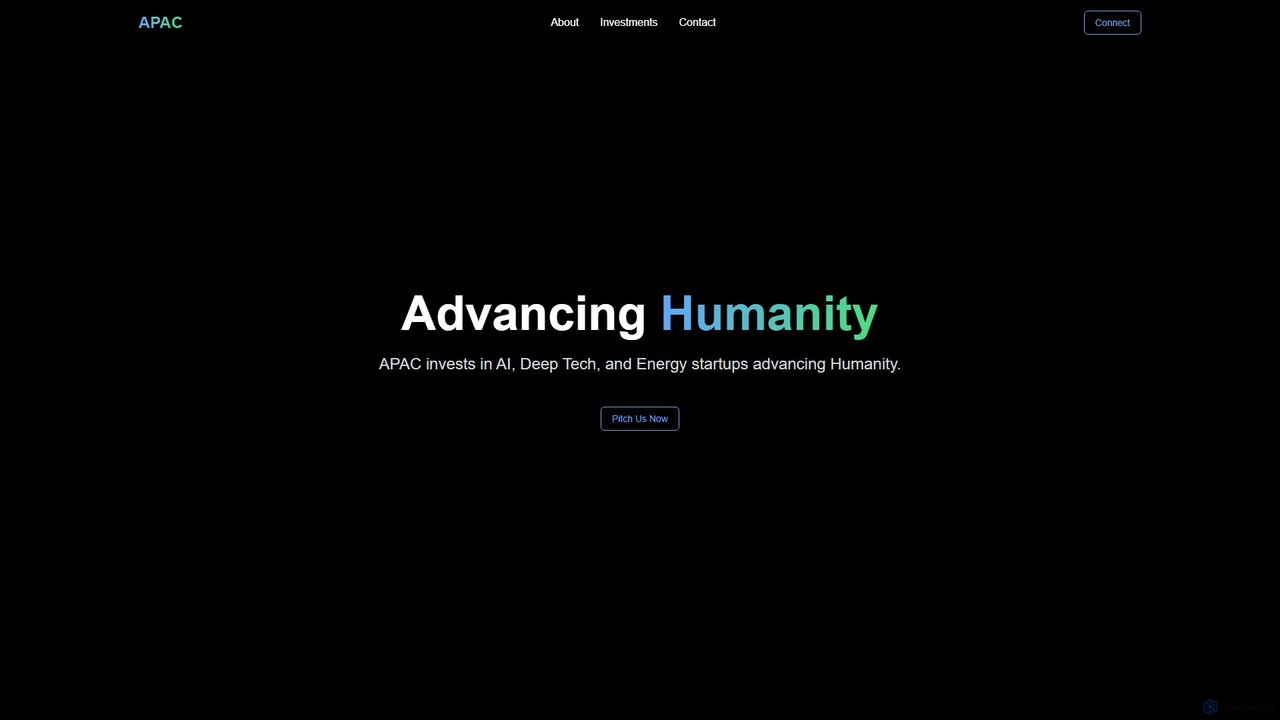
APAC is a mission-driven venture capital firm that invests in and supports early-stage startups in AI, Deep Tech, and Energy. It provides strategic funding and expert guidance to visionary entrepreneurs aiming to solve significant global challenges and advance humanity.

Startup Incubation
Visits 7KFavorites 138Likes 143

About Startup Incubation

AI Startup Incubation tools are specialized platforms designed to guide and accelerate the development of new businesses from concept to launch. These tools leverage artificial intelligence to analyze market data, automate foundational business tasks, and provide data-driven strategic recommendations. They empower entrepreneurs by streamlining complex processes like idea validation, business plan creation, and securing initial funding. As a focused segment within Business tools, they provide a structured, AI-powered co-pilot for the critical early stages of a company's lifecycle.

Core Features

  • Market Analysis & Validation: Uses AI to assess market size, identify competitor strategies, and analyze target audience sentiment to validate a business idea.
  • Automated Business Planning: Generates comprehensive business plans, including financial projections, marketing strategies, and operational roadmaps based on user inputs.
  • Investor Matching: Employs algorithms to connect startups with suitable angel investors and venture capitalists based on industry, stage, and funding needs.
  • Pitch Deck Generation: Assists in creating professional and persuasive pitch decks by suggesting content structure, slide design, and key data points.
  • Legal Document Automation: Provides templates and generates essential legal documents such as founder agreements, NDAs, and incorporation forms.

Use Cases

These tools are primarily used by early-stage founders, solo entrepreneurs, and university innovation hubs. They are valuable for individuals who need structured guidance, lack a co-founder with business expertise, or want to validate their ideas with data before committing significant resources. Common scenarios include preparing for a pre-seed funding round, formalizing a side project into a legitimate business, or developing a go-to-market strategy.

How to Choose

When selecting an AI Startup Incubation tool, consider your startup's current stage—whether you are at the idea, pre-seed, or seed stage. Evaluate the platform's scope: do you need an all-in-one solution or a specialized tool for a specific task like pitch deck creation? Assess its data sources for market analysis and the quality of its investor network. Finally, consider the pricing model and whether it aligns with your early-stage budget.

Startup Incubation use cases

1

Validate a New Business Idea with Data

An aspiring entrepreneur has an idea for a mobile app but is unsure of its market viability. Using an AI startup incubation tool, they input their core concept and target audience. The AI performs a comprehensive market analysis, identifying key competitors, estimating the total addressable market (TAM), and running sentiment analysis on social media trends related to the app's niche. The tool generates a report highlighting potential opportunities and risks, allowing the founder to make an informed decision to pivot or proceed before investing in development.

2

Generate a Professional Business Plan

A software developer with a strong technical background wants to start a SaaS company but lacks experience in business strategy and finance. They use an AI tool to structure their thoughts and create a formal business plan. By answering a series of guided questions about their product, pricing, and goals, the AI generates a complete document. This includes a detailed five-year financial projection, a multi-channel marketing strategy, and a competitive analysis, transforming a technical concept into a business-ready proposal.

3

Craft a Compelling Investor Pitch Deck

A startup founder is preparing for their first seed funding round and needs to create a pitch deck that captures investor interest. They utilize an AI pitch deck generator which provides proven narrative templates (e.g., Problem-Solution, Traction). The tool helps articulate the value proposition, designs visually consistent slides, and suggests key metrics to include. The AI can also analyze the final deck for clarity, persuasiveness, and completeness, significantly increasing the chances of securing meetings with investors.

4

Streamline Initial Legal and Administrative Setup

Two co-founders are ready to formalize their partnership and incorporate their company. To manage initial costs, they use an AI incubation platform's legal module. The tool guides them through the process of generating a founders' agreement that clearly outlines equity split and responsibilities. It also helps them create standard Non-Disclosure Agreements (NDAs) for early conversations and provides a checklist for the incorporation process, ensuring they establish a solid legal foundation without high upfront legal fees.

5

Find a Compatible Co-founder

A solo founder with expertise in marketing has developed a product idea but needs a technical co-founder to build it. They join an AI-powered platform that functions as a co-founder matching service. After creating a detailed profile outlining their skills, vision, and work style, the platform's algorithm suggests potential matches. It analyzes compatibility based on complementary skills, shared industry interests, and personality traits, facilitating targeted connections and reducing the time and risk associated with finding a reliable partner.

6

Identify and Connect with Relevant Investors

A biotech startup has developed a prototype and is seeking early-stage funding from investors with domain expertise. Instead of manually searching through databases, they upload their business plan and pitch deck to an AI platform. The tool's algorithm analyzes their company's profile and matches them with a curated list of angel investors and VCs who have a history of investing in biotech at the seed stage. The platform can even suggest personalized outreach strategies for each potential investor.

Startup Incubation FAQ

What are AI Startup Incubation tools?

AI Startup Incubation tools are software platforms that use artificial intelligence to support entrepreneurs in the critical early stages of building a company. They automate and provide data-driven guidance on tasks like market research, business planning, financial modeling, and investor outreach. Unlike static templates, these tools act as an interactive co-pilot, helping founders make more informed decisions and accelerate their path from idea to launch.

How do I choose the right AI tool for my startup?

Choosing the right tool depends on your specific needs and stage. Consider the following factors:

  • Stage of Development: Are you at the idea phase (needing validation tools) or preparing for funding (needing pitch deck and financial tools)?
  • Scope of Features: Do you need an all-in-one platform or a best-in-class tool for a single function like legal documents?
  • Data Quality: For market analysis tools, investigate the sources and recency of their data.
  • Budget: Compare pricing models, from free tiers to comprehensive subscription plans, to find one that fits your early-stage finances.

What is the difference between AI incubation tools and traditional business software?

The key difference is dynamism and intelligence. Traditional business software, like a spreadsheet for financial projections or a word processor for a business plan, requires the user to provide all the information and structure. AI incubation tools are proactive; they analyze data, generate insights, suggest strategies, and automate the creation of complex documents. They guide the user through the process, often identifying blind spots a founder might miss.

Can AI Startup Incubation tools replace human mentors or accelerators?

No, they are best viewed as powerful complements, not replacements. AI tools excel at processing vast amounts of data, automating repetitive tasks, and providing structured frameworks. However, they cannot replicate the nuanced advice, personal experience, and invaluable network that a human mentor or an accelerator program provides. Founders achieve the best results by combining the efficiency of AI tools with the wisdom of human guidance.

Who are the primary users of AI Startup Incubation tools?

The primary users are individuals and teams at the very beginning of their entrepreneurial journey. This includes first-time founders who need structured guidance, solo entrepreneurs who must cover all business functions themselves, technical founders who need business strategy support, and participants in university entrepreneurship programs. They are ideal for anyone looking to build a strong, data-backed foundation for a new venture efficiently.