Business Best in category 1 results Training & Development AI Tool

Popular AI tools in the Training & Development field of Business include eKnow, etc., helping you quickly improve efficiency.

eKnow

eKnow

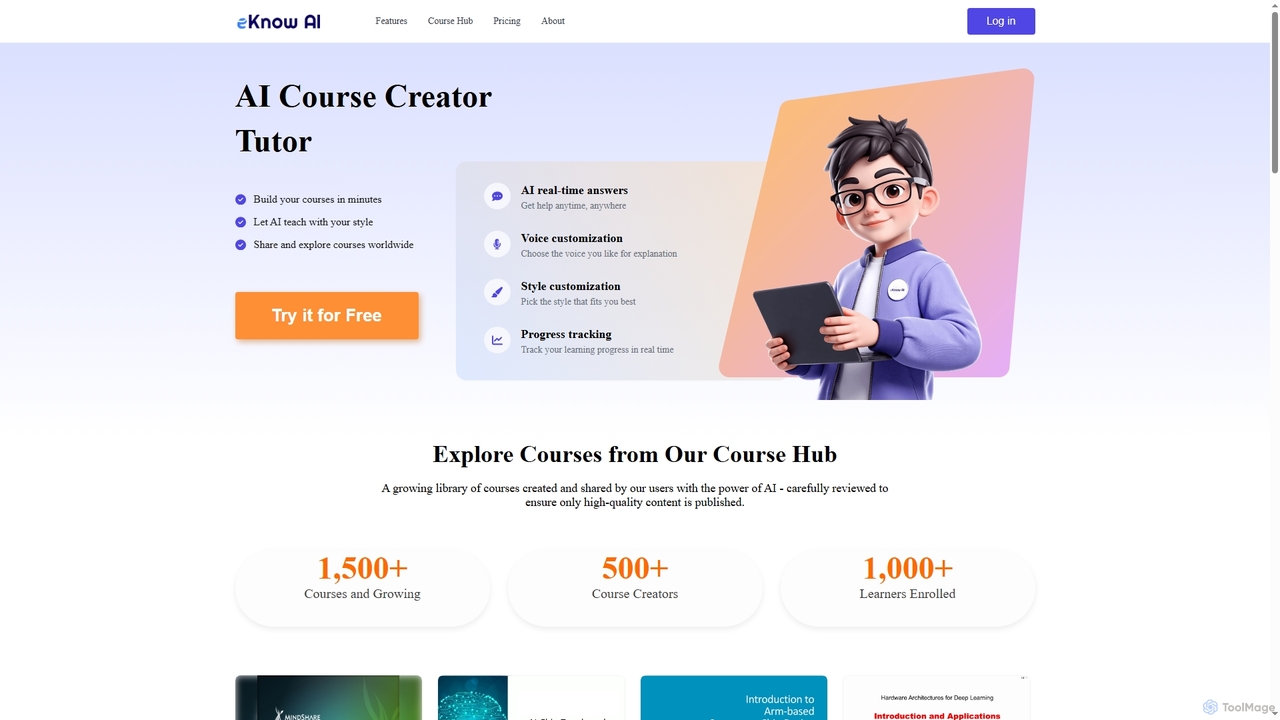
eKnow is an AI-powered platform that transforms lecture notes, PDFs, and presentations into interactive, personalized online courses within …

5.3K

About Training & Development

Training & Development tools are AI-powered solutions designed to enhance learning experiences and optimize skill acquisition within organizations. These tools leverage machine learning, natural language processing, and adaptive algorithms to create personalized educational content, automate administrative tasks, and provide adaptive feedback. They aim to foster continuous employee growth, improve performance, and streamline the entire learning lifecycle, making corporate training more efficient and effective.

Core Features

  • Personalized Learning Paths: Tailors content and pace to individual learner needs and progress.
  • Automated Content Generation: Creates training modules, quizzes, and summaries from raw data or existing materials.
  • AI Coaching & Feedback: Provides real-time, constructive feedback and guidance to learners.
  • Skill Gap Analysis: Identifies individual and organizational skill deficiencies for targeted development.
  • Performance Tracking: Monitors learner progress and engagement, offering insights for program optimization.

Use Cases

These tools are invaluable for HR departments, corporate trainers, and L&D professionals. They can be used to rapidly onboard new employees with customized learning modules, upskill existing staff in new technologies, or provide continuous professional development tailored to career goals. Businesses benefit from reduced training costs and improved employee retention.

How to Choose

When selecting Training & Development AI tools, consider the specific learning objectives and target audience. Evaluate features like content customization, integration with existing HR/LMS systems, and the quality of AI-driven feedback. Scalability, data privacy, and the tool's ability to adapt to evolving skill requirements are also crucial for long-term success.

Training & DevelopmentUse Cases

1

Personalized Onboarding for New Hires

HR managers can leverage AI training tools to create dynamic, personalized onboarding programs. New employees receive tailored content, interactive simulations, and progress tracking based on their role and prior knowledge, accelerating their integration into the company culture and specific job functions. This reduces the burden on trainers and ensures consistent, high-quality initial training.

2

Upskilling Employees in New Technologies

Companies facing rapid technological shifts can use AI platforms to quickly upskill their workforce. For instance, a software development team can access AI-curated courses on a new programming language or framework, complete with AI-generated coding challenges and real-time feedback, ensuring they remain competitive and proficient.

3

Sales Team Product Knowledge Training

Sales teams often need to quickly master complex product details. AI training tools can generate interactive product simulations, role-playing scenarios with AI avatars, and knowledge checks. This allows sales representatives to practice pitching, handle objections, and understand product features in a low-stakes environment, improving their confidence and effectiveness.

4

Compliance and Regulatory Training Automation

For industries with strict compliance requirements, AI tools can automate the creation and delivery of mandatory training modules. They ensure all employees complete necessary certifications, track progress, and automatically update content to reflect new regulations, minimizing legal risks and administrative overhead for compliance officers.

5

Leadership Development and Coaching

AI-powered coaching platforms provide personalized development plans for aspiring and current leaders. Through AI analysis of communication patterns, feedback on simulated leadership scenarios, and curated learning resources, individuals can enhance their decision-making, team management, and strategic thinking skills, fostering stronger leadership within the organization.

6

Customer Service Agent Training Simulation

Customer service departments can utilize AI tools for realistic agent training. Agents practice handling diverse customer inquiries, de-escalating difficult situations, and using CRM systems within AI-driven simulations. The AI provides immediate feedback on their responses and tone, significantly improving service quality and agent readiness before interacting with real customers.

Training & DevelopmentFrequently Asked Questions