Business Best in category 3 results Transportation AI Tool

Popular AI tools in the Transportation field of Business include Routerra、harvy、Call2Action, etc., helping you quickly improve efficiency.

harvy

harvy

Harvy is an AI-powered platform that automates heavy vehicle compliance for the Australian transport industry. It uses AI …

3.8K
Routerra

Routerra

Routerra is an AI-powered route planner designed for delivery drivers, gig economy workers, and logistics businesses. It optimizes …

11.1K
Call2Action

Call2Action

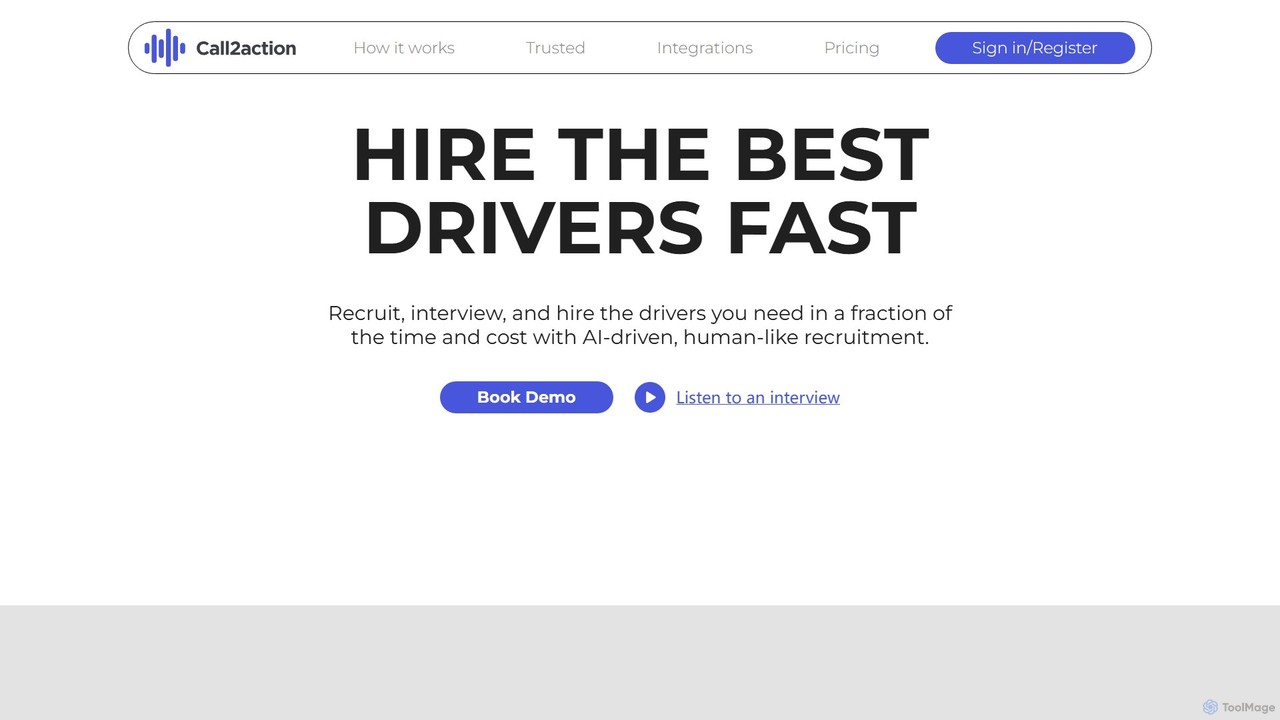
Call2Action is an AI-powered recruitment platform specifically designed for the transportation industry. It automates the entire hiring process—from …

3.0K

About Transportation

AI Transportation tools are a specialized category of business software that uses machine learning and data analysis to optimize the movement of people and goods. These tools process vast datasets, including real-time traffic, weather conditions, vehicle telematics, and historical demand patterns. Their primary value lies in enhancing efficiency, reducing operational costs, and improving safety across logistics, public transit, and supply chain management. By providing predictive insights and automated decision-making, they transform traditional transportation networks into intelligent, responsive systems.

Core Features

  • Dynamic Route Optimization: Calculates the most efficient paths in real-time based on changing conditions like traffic and weather.
  • Predictive Maintenance: Forecasts vehicle or infrastructure failures before they occur, minimizing downtime and maintenance costs.
  • Demand Forecasting: Analyzes historical data to predict travel demand and optimize resource allocation, such as vehicle deployment.
  • Intelligent Traffic Management: Uses sensor data and AI to control traffic signals and dynamically manage flow to reduce congestion.
  • Fleet Analytics: Provides comprehensive insights into vehicle performance, fuel consumption, and driver behavior to inform strategic decisions.

Use Cases

These tools are essential for logistics companies managing last-mile delivery, public transit authorities planning routes and schedules, and large enterprises optimizing their supply chain networks. They are also used by ride-sharing services for dynamic pricing and dispatch, and by smart city planners to improve urban mobility and reduce congestion.

How to Choose

When selecting an AI transportation tool, evaluate its integration capabilities with your existing systems (e.g., GPS, TMS). Consider its real-time data processing speed, scalability to handle your fleet size, and the accuracy of its predictive models. Also, assess the user interface for ease of use by dispatchers and managers, and check for compliance with local transportation regulations.

TransportationUse Cases

1

Optimizing Last-Mile Delivery Routes

A logistics manager for an e-commerce company is responsible for planning daily routes for a fleet of 100 delivery vans. Using an AI transportation tool, they input all delivery addresses for the day. The AI analyzes real-time traffic, weather forecasts, delivery time windows, and vehicle capacity to generate optimized multi-stop routes for each driver. This process, which used to take hours of manual planning, is completed in minutes, resulting in a 15% reduction in fuel costs and a 25% increase in on-time delivery rates.

2

Predictive Maintenance for a Trucking Fleet

A fleet maintenance supervisor for a long-haul trucking company needs to minimize costly, unplanned vehicle breakdowns. Their AI platform continuously analyzes data from sensors on each truck's engine, tires, and brakes. The system identifies subtle patterns that precede component failure and automatically schedules preventative maintenance before a breakdown occurs. This shifts the maintenance strategy from reactive to proactive, reducing roadside incidents by 40% and extending the operational life of the vehicles.

3

Public Transit Demand Forecasting

An urban planner for a city's transportation authority aims to align bus schedules with actual passenger demand to reduce wait times and overcrowding. They use an AI tool that analyzes historical ridership data, local events, and weather patterns to forecast demand for different routes at various times of the day. Based on these predictions, the authority can dynamically adjust bus frequencies, adding more services during peak hours and reallocating resources from underutilized routes, improving service efficiency and passenger satisfaction.

4

Intelligent Traffic Signal Control

A traffic engineer in a major city is tasked with reducing traffic congestion at key intersections. They deploy an AI-powered traffic management system that uses cameras and sensors to monitor vehicle flow in real-time. Instead of relying on fixed timers, the AI dynamically adjusts the timing of traffic signals to adapt to changing traffic patterns. This system can prioritize emergency vehicles, clear congestion after an accident, and improve overall traffic flow by up to 20% during peak hours.

5

Optimizing Ride-Sharing Dispatch and Pricing

An operations manager at a ride-sharing company uses an AI platform to manage driver dispatch and dynamic pricing. The system analyzes real-time demand, driver availability, and traffic conditions to predict where demand will be highest. It then intelligently dispatches drivers to those areas to reduce passenger wait times. Simultaneously, it adjusts pricing algorithmically to balance supply and demand, ensuring service reliability and maximizing revenue during periods of high demand.

6

Enhancing Supply Chain Visibility

A supply chain analyst for a global manufacturing company needs to track shipments from a factory to distribution centers. An AI transportation tool provides end-to-end visibility by integrating data from GPS, IoT sensors on containers, and port authority systems. The AI not only tracks the real-time location of shipments but also predicts potential delays due to weather, port congestion, or customs issues. This allows the analyst to proactively notify customers and adjust inventory plans, minimizing disruptions.

TransportationFrequently Asked Questions