Business Best in category 1 results Workflow Optimization AI Tool

Popular AI tools in the Workflow Optimization field of Business include Flow, etc., helping you quickly improve efficiency.

Flow

Flow

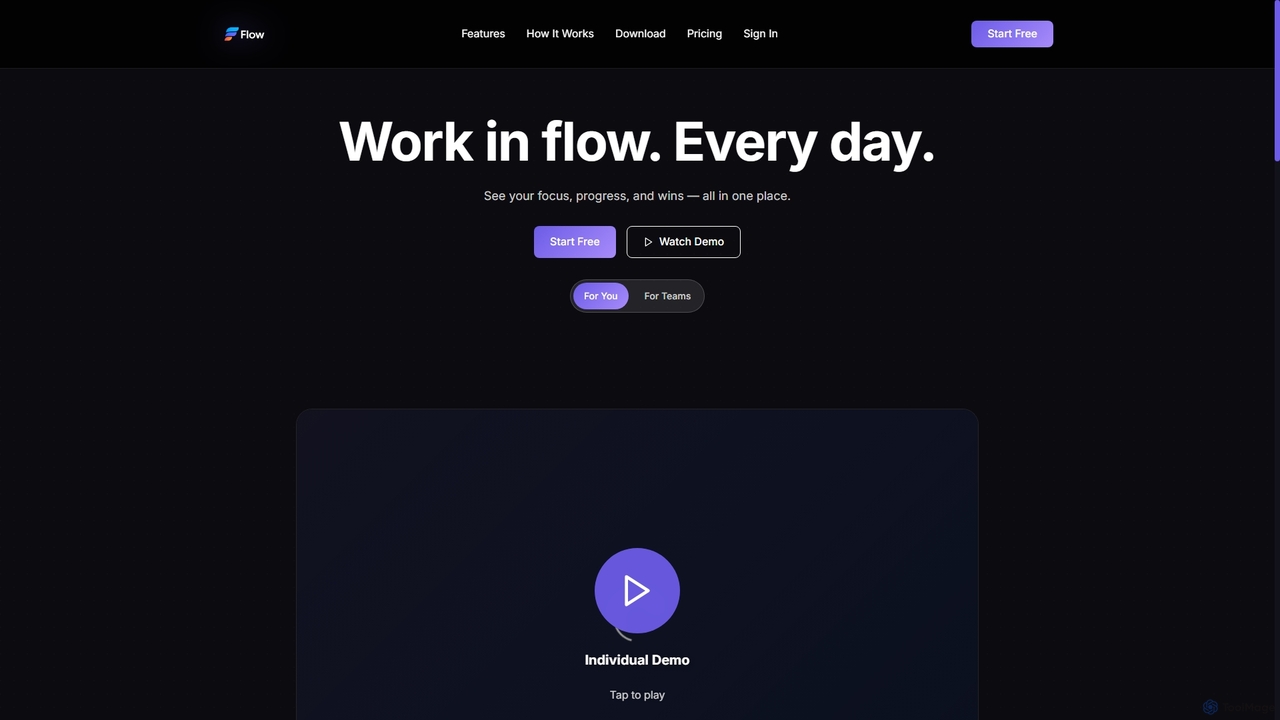
Flow is an AI-powered productivity companion designed to help individuals and teams achieve deep focus, track progress, and …

2.4K

About Workflow Optimization

Workflow Optimization tools are AI-powered solutions designed to streamline and automate business processes. Leveraging advanced algorithms and machine learning, these tools identify inefficiencies, automate repetitive tasks, and provide data-driven insights to enhance operational efficiency. They empower organizations to reduce manual effort, accelerate task completion, and improve overall productivity across various departments.

Core Features

  • Task Automation: Automatically handles repetitive, rule-based tasks like data entry, report generation, and email sorting.
  • Process Mapping & Analysis: Visualizes existing workflows, identifies bottlenecks, and suggests improvements based on performance data.
  • Intelligent Scheduling: Optimizes resource allocation and task sequencing to minimize delays and maximize output.
  • Predictive Analytics: Forecasts potential issues or delays in workflows, enabling proactive intervention and risk mitigation.
  • Integration Capabilities: Seamlessly connects with existing business applications (CRM, ERP, project management tools) for unified operations.

Applicable Scenarios

These tools are invaluable for businesses seeking to enhance operational efficiency and reduce costs. They are widely adopted by operations managers, project leads, and IT departments in sectors like finance, manufacturing, and customer service to transform manual, error-prone processes into automated, reliable workflows. For instance, a finance team can automate invoice processing, or a customer service department can streamline ticket routing and response generation.

How to Choose

When selecting workflow optimization tools, consider the scope of automation needed, from simple task automation to complex end-to-end process orchestration. Evaluate its integration capabilities with your current software ecosystem, the level of AI intelligence for decision-making, and the scalability to grow with your business. User-friendliness and robust analytics features are also crucial for effective implementation and continuous improvement.

Workflow OptimizationUse Cases

1

Streamline Customer Onboarding with AI Automation

For SaaS companies or financial institutions, AI workflow optimization tools automate the entire customer onboarding journey. This includes automated document verification, CRM data entry, welcome email sequences, and initial setup tasks. By eliminating manual touchpoints, companies can reduce onboarding time by up to 70%, improve customer satisfaction, and ensure compliance, allowing sales and support teams to focus on high-value interactions.

2

Enhance Supply Chain Efficiency and Visibility

Logistics and operations managers in manufacturing or retail leverage these tools to optimize complex supply chain workflows. AI analyzes real-time data on inventory levels, shipping routes, and demand forecasts to automate order processing, warehouse management, and delivery scheduling. This leads to reduced operational costs, minimized stockouts, faster delivery times, and improved overall supply chain resilience.

3

Automating HR Recruitment Workflows

HR departments utilize workflow optimization AI to automate various stages of the recruitment process. This includes automated resume screening, scheduling initial interviews, sending personalized follow-up emails, and managing candidate communication. By automating these tasks, recruiters can significantly reduce time-to-hire, improve candidate experience, and focus on strategic talent acquisition rather than administrative burdens.

4

Streamlining Financial Reporting and Compliance

Finance professionals in large enterprises use AI workflow tools to automate the collection, aggregation, and analysis of financial data for reporting. These tools can automatically generate compliance reports, reconcile accounts, and flag anomalies for review. This ensures accuracy, reduces the risk of human error, accelerates month-end closing processes, and helps maintain regulatory compliance with less manual effort.

5

Enhancing IT Service Management (ITSM)

IT support teams deploy workflow optimization solutions to automate incident management, service request fulfillment, and problem resolution. AI-powered routing directs tickets to the correct department, automates common troubleshooting steps, and provides agents with relevant knowledge base articles. This results in faster incident resolution, reduced agent workload, and improved overall IT service quality for end-users.

6

Automating Marketing Campaign Execution

Marketing teams leverage AI workflow optimization to automate repetitive tasks in campaign management. This includes scheduling social media posts, personalizing email marketing sequences, A/B testing ad creatives, and generating performance reports. By automating these elements, marketers can launch campaigns faster, achieve better targeting, and free up time for creative strategy and content development.

Workflow OptimizationFrequently Asked Questions