
ToolMage
Sign in

Best 1 Job Placement AI tools for Career

Popular Job Placement AI tools in Career include Elentis, helping you work more efficiently.

Elentis
Freemium

Elentis

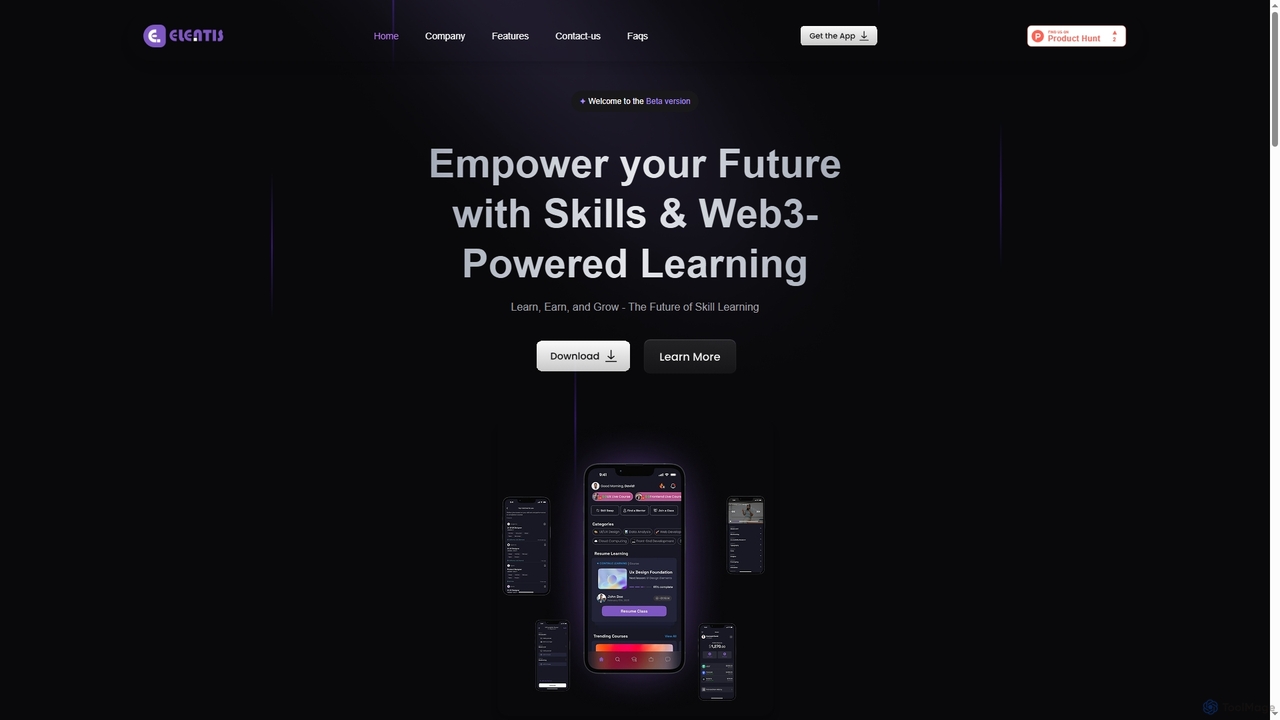
Elentis is a Web3-powered learning and skill exchange platform. It utilizes AI to create personalized learning paths and connect users for peer-to-peer knowledge sharing, one-on-one mentorship, and paid lessons. Featuring blockchain-verified certifications and direct job integrations, Elentis empowers users to learn, earn, and grow their careers in a decentralized ecosystem.

Job Placement
Visits 5.6KFavorites 141Likes 150

About Job Placement

Job Placement tools are AI-powered platforms designed to streamline and enhance the process of connecting job seekers with suitable employment opportunities and assisting employers in finding qualified candidates. These tools leverage advanced AI algorithms for tasks such as resume analysis, personalized job matching, and automated candidate screening. They aim to optimize the entire recruitment lifecycle, offering data-driven insights and automation to make job searching and talent acquisition more efficient and effective.

Core Features

  • Personalized Job Matching: AI algorithms analyze job seeker profiles and job descriptions to suggest highly relevant openings.
  • Resume/CV Optimization: Provide AI-driven feedback and suggestions to improve application documents for better visibility.
  • Interview Preparation: Offer virtual mock interviews, analyze responses, and provide feedback on communication skills.
  • Skill Gap Analysis: Identify missing skills for desired roles and recommend relevant training or courses.
  • Candidate Sourcing & Screening: Automate the identification and initial assessment of potential hires for employers.

Use Cases

These tools are invaluable for individual job seekers actively navigating the employment market, including recent graduates and career changers. Recruitment agencies utilize them to efficiently match candidates with client requirements across various industries. Corporate HR departments also deploy AI Job Placement tools to automate initial applicant screening and shortlisting, significantly reducing manual effort in high-volume hiring processes.

How to Choose

When selecting an AI Job Placement tool, consider its target audience—whether it caters primarily to job seekers, employers, or both. Evaluate the accuracy and sophistication of its AI matching algorithms and the comprehensiveness of its feature set, such as resume builders, interview coaches, or skill assessment modules. Additionally, assess its integration capabilities with existing HR systems and ensure robust data privacy and security measures are in place.

Job Placement use cases

1

Personalized Job Search for Professionals

An experienced professional seeking career advancement can utilize an AI job placement platform to find roles that align with specific skills, experience, and career goals. By uploading their resume and defining preferences, the AI provides tailored job recommendations and offers feedback on their application documents. This allows them to efficiently discover highly relevant senior-level positions, saving hours of manual searching and increasing the quality of applications.

2

Streamlining Candidate Screening for Recruiters

A corporate recruiter or HR manager facing hundreds of applications for a specific role can leverage an AI-powered candidate screening tool. After defining job requirements and uploading resumes, the AI ranks candidates based on their fit, identifies key skills, and flags top matches. This process significantly reduces initial screening time by up to 70%, allowing recruiters to focus their efforts on interviewing only the most qualified candidates.

3

Interview Preparation for Recent Graduates

A university graduate preparing for their first job interviews can significantly benefit from an AI interview coach. By engaging in mock interviews, the AI analyzes both verbal and non-verbal cues, providing detailed feedback on answers, tone, and body language. This targeted practice boosts confidence and improves overall interview performance, substantially increasing their chances of securing a job offer in a competitive market.

4

Identifying Skill Gaps for Career Transition

An individual planning a career change into a new industry can use an AI skill assessment and career pathing tool. By inputting their current skills and desired role, the AI maps required competencies, highlights deficiencies, and suggests relevant learning resources or courses. This provides a clear roadmap for skill development, making the career transition more manageable and increasing the likelihood of success in their new chosen field.

5

Proactive Talent Sourcing for Niche Roles

A headhunter or specialized talent acquisition professional can utilize an AI talent sourcing platform to find passive candidates with very specific, hard-to-find skills. By inputting detailed skill requirements, the AI scans public profiles across various professional networks (e.g., LinkedIn, GitHub), identifies potential matches, and provides contact insights. This enables the discovery of a broader pool of qualified candidates for niche positions that manual searches often miss, significantly enhancing recruitment reach.

6

Resume Optimization for Job Application Success

A job seeker applying for multiple positions can use an AI resume builder/optimizer to tailor their resume for each job description. By uploading their base resume and the specific job description, the AI suggests keyword optimization, formatting improvements, and content enhancements to maximize Applicant Tracking System (ATS) compatibility and recruiter appeal. This process significantly increases resume visibility and interview invitation rates by ensuring alignment with job requirements.

Job Placement FAQ

What are AI Job Placement tools?

AI Job Placement tools leverage artificial intelligence to automate and enhance various aspects of the recruitment and job search process. They analyze vast amounts of data, including resumes, job descriptions, and candidate profiles, to facilitate better matches between job seekers and employers. These tools aim to make finding talent or a job more efficient, personalized, and data-driven, often incorporating features like intelligent matching, resume optimization, and interview preparation.

How do AI Job Placement tools benefit job seekers?

For job seekers, AI Job Placement tools offer numerous benefits. They provide personalized job recommendations based on skills, experience, and preferences, significantly reducing manual search time. These tools also offer AI-driven feedback on resumes and cover letters, helping optimize application materials for Applicant Tracking Systems (ATS). Furthermore, many platforms assist with interview preparation through virtual mock sessions, boosting confidence and improving performance, and offer insights into career paths and skill development.

What are the key features to look for in an AI Job Placement platform?

When choosing an AI Job Placement platform, consider several key features. Look for advanced job matching algorithms that accurately align skills with opportunities. Robust resume optimization tools are crucial for enhancing visibility to Applicant Tracking Systems (ATS). Interview coaching capabilities, including virtual mock interviews and feedback, are highly valuable. For employers, prioritize strong candidate sourcing, screening, and seamless integration with existing Applicant Tracking Systems (ATS) or Human Resources Information Systems (HRIS). Data privacy and the platform's ability to provide actionable insights are also critical considerations.

How do AI Job Placement tools differ from traditional job boards?

Traditional job boards primarily serve as static listings for vacancies, requiring manual searching and application. AI Job Placement tools, however, go beyond simple listings by actively using AI to match candidates with jobs, optimize application materials, and even conduct initial screenings. They offer a more proactive, personalized, and data-driven approach to connecting talent with opportunities. This significantly reduces manual effort for both job seekers and recruiters, improving the quality and efficiency of the matching process compared to conventional methods.

Can AI Job Placement tools help with career transitions or skill development?

Yes, many AI Job Placement tools are specifically designed to assist with career transitions and skill development. They can analyze your current skill set against desired roles, identify skill gaps, and recommend relevant courses or training programs to bridge those gaps. Some platforms also offer career pathing advice, helping individuals understand the steps needed to move into a new industry or advance in their current field. This comprehensive support makes career changes more manageable and strategic.