ToolMage
Sign in

Best 4 Resume AI tools for Career

Popular Resume AI tools in Career include resumecheck, RoastMyLinked.In, Weaponized Resume, and Quivoai, helping you work more efficiently.

Quivoai
Freemium

Quivoai

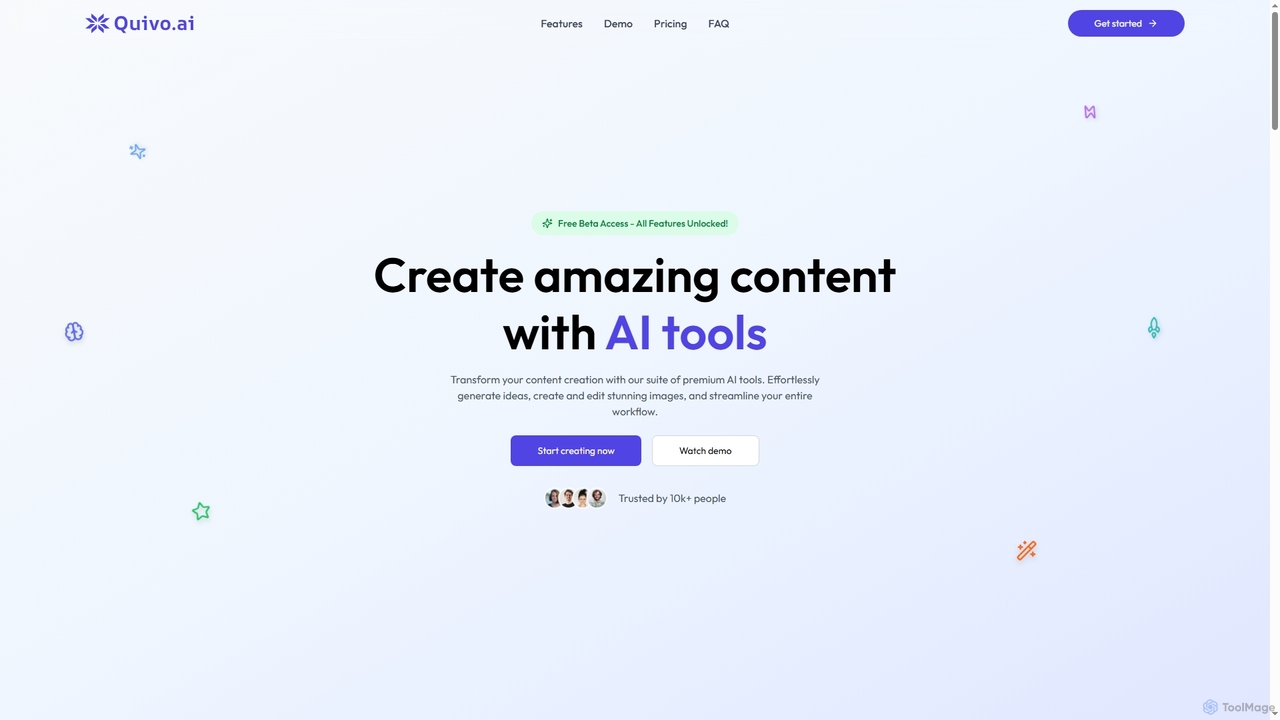
Quivoai is an AI-powered creative suite designed to streamline content creation. It offers a range of tools for generating ideas, creating and editing images, and reviewing resumes, helping creators and marketers produce high-quality content efficiently.

Resume
Visits 5.4KFavorites 159Likes 143
RoastMyLinked.In
Paid

RoastMyLinked.In

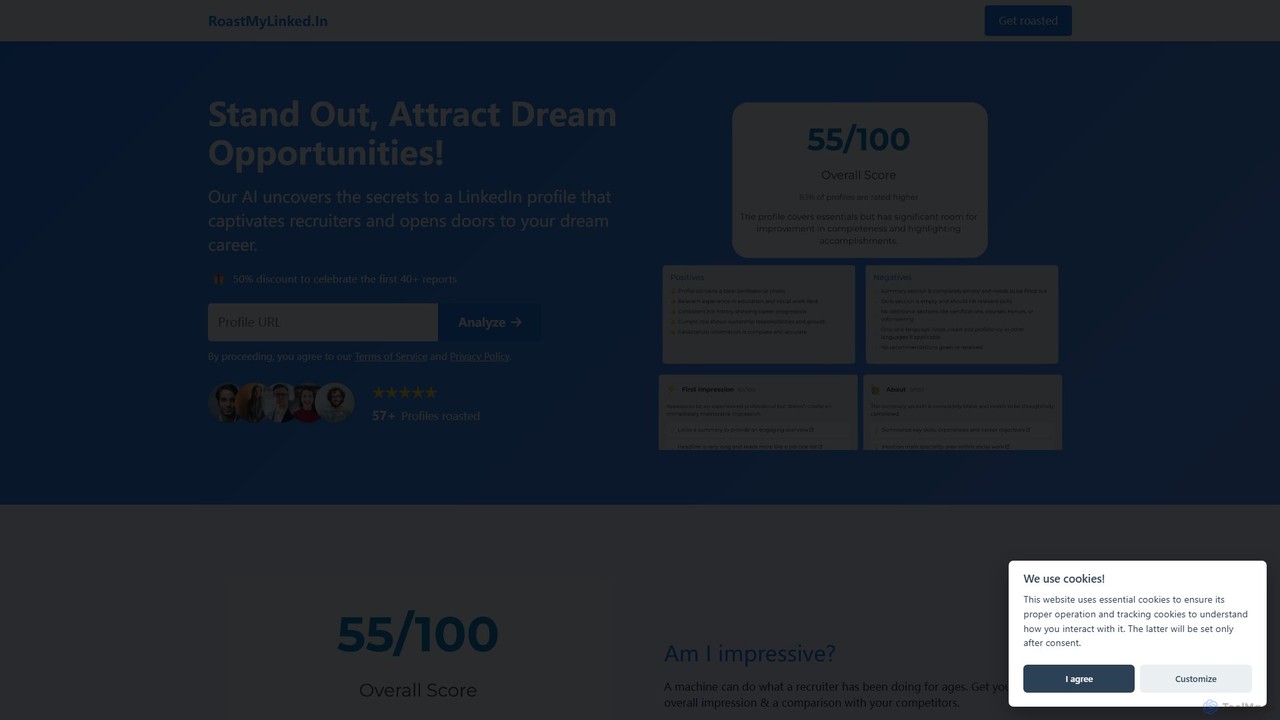
An AI-powered tool that analyzes your LinkedIn profile to provide honest feedback and actionable recommendations. It helps you optimize your profile to attract recruiters and unlock career opportunities by identifying strengths and areas for improvement.

Resume
Visits 6.1KFavorites 108Likes 108
Weaponized Resume
Paid

Weaponized Resume

Weaponized Resume is an AI-powered tool that automatically tailors your resume and cover letter for any specific job description. Simply paste the job details and your existing resume, and the AI generates a professionally optimized application. This saves you hours of manual work and helps you bypass Applicant Tracking Systems (ATS) to land more interviews.

Resume
Visits 5.5KFavorites 132Likes 131
resumecheck
Freemium

resumecheck

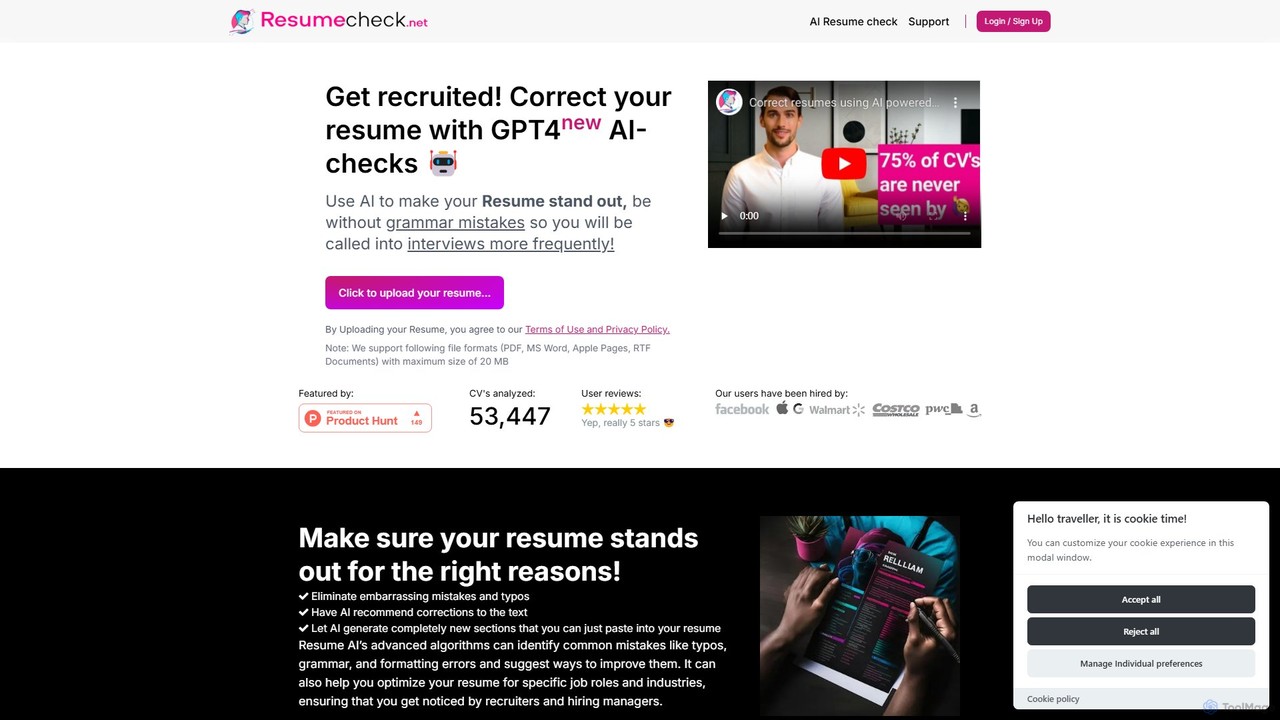
An AI-powered platform that uses GPT-4 to analyze, correct, and enhance your resume. It identifies errors, suggests improvements, and can even write new sections or personalized cover letters to help you stand out to recruiters and secure more interviews.

Job Search
Visits 7.6KFavorites 125Likes 140

About Resume

AI Resume builders are tools that use artificial intelligence to help create, optimize, and tailor professional resumes. They leverage Natural Language Processing (NLP) to analyze job descriptions, suggest relevant keywords, and rephrase content for maximum impact. This technology helps users craft compelling resumes that are highly targeted to specific roles and optimized to pass through Applicant Tracking Systems (ATS). The primary value lies in significantly increasing the visibility of a resume to both automated systems and human recruiters.

Core Features

  • ATS Optimization: Analyzes resumes against common Applicant Tracking System criteria to improve formatting, structure, and keyword usage for better scannability.
  • Keyword Suggestion: Recommends relevant skills and keywords based on a target job description to increase the resume's relevance score.
  • Content Generation & Rephrasing: Automatically writes or refines bullet points, professional summaries, and skill sections to be more impactful and action-oriented.
  • Real-time Feedback: Provides instant scoring and actionable advice on clarity, conciseness, and overall effectiveness as you write.
  • Professional Templates: Offers a library of professionally designed and ATS-friendly templates that can be easily customized.

Use Cases

These tools are ideal for job seekers at all levels, from recent graduates creating their first resume to experienced professionals switching careers. Career coaches and professional resume writers also use them to streamline their workflow and provide data-driven advice to clients. They are particularly useful when applying for roles at large corporations that rely heavily on ATS for initial screening.

How to Choose

When selecting an AI Resume tool, consider the quality of its AI-powered suggestions and content generation. Evaluate the range and design of its ATS-compliant templates. Check for features like job description analysis and real-time scoring. Finally, consider the pricing model—whether it's a one-time fee, a subscription, or a freemium plan—and how it aligns with your job search timeline.

Resume use cases

1

Tailoring a Resume for a Specific Job Application

A software developer wants to apply for a 'Senior Backend Engineer' position. They upload their existing resume and paste the job description into the AI tool. The AI analyzes both documents, highlighting that the resume lacks keywords like 'microservices architecture,' 'Kafka,' and 'CI/CD pipelines' mentioned in the job post. It then suggests specific ways to rephrase project descriptions to include these terms naturally, transforming a generic resume into a highly targeted application that directly addresses the employer's needs.

2

Creating a Resume from Scratch for a Recent Graduate

A recent marketing graduate with internship experience but no full-time roles needs to create their first professional resume. They input their education, internship details, and key academic projects. The AI tool structures this information into a professional format, suggests powerful action verbs for their internship duties (e.g., changing 'helped with social media' to 'Executed a content strategy that increased follower engagement by 15%'), and helps write a compelling professional summary that highlights their potential and enthusiasm for the industry.

3

Optimizing an Existing Resume for ATS Compliance

An experienced project manager uploads their visually creative, two-column resume into an AI tool. The system immediately flags it for potential ATS parsing errors due to its complex formatting, use of graphics, and non-standard fonts. The tool recommends switching to a clean, single-column, ATS-friendly template. It also scans the content and suggests adding industry-specific acronyms like 'PMP' and 'Agile' and replacing vague phrases with quantifiable achievements to ensure the resume passes automated screening and clearly communicates value.

4

Improving Bullet Points for Greater Impact

A sales professional has a bullet point on their resume that reads: 'Responsible for managing client accounts.' Using an AI rephrasing feature, they receive several more dynamic alternatives. They choose the suggestion: 'Cultivated and managed a portfolio of 50+ key client accounts, consistently exceeding retention goals by 20% quarter-over-quarter.' This AI-powered enhancement transforms a passive statement into a powerful, quantified achievement that clearly demonstrates their skills and value to a potential employer.

5

Generating a Professional Summary for a Career Changer

An accountant transitioning into a data analyst role struggles to write a summary that connects their past experience to their new career goal. They input their key accounting skills (financial modeling, attention to detail) and their new data analysis skills (SQL, Python, Tableau). The AI generates a summary that bridges this gap, such as: 'Detail-oriented former accountant with 5 years of experience in financial analysis, now leveraging a strong quantitative background and newly acquired skills in SQL and Python to deliver actionable data-driven insights.' This provides a clear and confident narrative for their career change.

6

Checking a Resume for Common Mistakes

Before submitting an application, a user runs their completed resume through an AI tool's final review feature. The AI checker instantly identifies several issues: a spelling mistake in a previous company's name, inconsistent date formatting (e.g., 'May 2020' in one entry and '06/2022' in another), and the use of passive voice in several bullet points. By catching these small but unprofessional errors, the tool helps the user present a polished, error-free document, improving their credibility with the recruiter.

Resume FAQ

What is an AI Resume builder?

An AI Resume builder is a software tool that uses artificial intelligence, particularly Natural Language Processing (NLP), to assist in creating and optimizing a resume. Unlike a simple template, it actively analyzes your content and compares it against job descriptions to suggest improvements. Key features often include ATS compatibility checks, keyword suggestions, automated content writing or rephrasing for impact, and real-time feedback on your resume's effectiveness. The goal is to help you create a highly targeted and professional document that increases your chances of getting noticed by recruiters.

How to choose the right AI Resume tool?

When choosing an AI Resume tool, consider these four key factors:

  • Quality of AI Suggestions: Does the tool provide insightful keyword suggestions and genuinely improve your bullet points, or does it just offer generic phrases? Look for tools that specifically analyze job descriptions.
  • ATS-Friendly Templates: Ensure the tool offers a good selection of clean, professional, and ATS-compliant templates. Avoid overly creative designs that might be difficult for automated systems to parse.
  • Ease of Use: The interface should be intuitive, allowing you to easily import existing data, edit sections, and export the final document in standard formats like PDF.
  • Pricing Model: Evaluate the cost relative to the features. Some offer free basic versions, while others are subscription-based. Choose one that fits your budget and the expected duration of your job search.
What's the difference between an AI Resume builder and a standard template?

The key difference is intelligence and interactivity. A standard template (like in Microsoft Word or Google Docs) is a static, pre-designed layout where you manually input all information. It offers no guidance on content quality or optimization.

An AI Resume builder is a dynamic tool. It not only provides a template but also actively assists you in writing. It analyzes your text, suggests stronger verbs, helps you tailor content to a specific job by identifying keywords, and checks for ATS compatibility issues. In short, a template is just a container, while an AI builder is an interactive writing assistant.

Can AI Resume tools guarantee I will get an interview?

No tool can guarantee an interview. Securing an interview depends on many factors, including your qualifications, the strength of the applicant pool, market conditions, and the specific needs of the employer. However, AI Resume tools can significantly increase your chances. They help you pass the initial screening by Applicant Tracking Systems (ATS), which often reject a large percentage of resumes before a human ever sees them. By optimizing your resume for both ATS and human readability, these tools ensure your application is presented in the best possible light, maximizing your opportunity to be considered for an interview.

Are resumes created by AI tools detectable by recruiters?

Generally, no. AI resume tools are designed to be writing assistants, not creators of fake content. They enhance and optimize the information you provide about your real experiences and skills. The output is a well-structured, professionally worded document that reflects your qualifications. Recruiters are looking for clarity, relevance, and quantifiable achievements—all things that AI tools help you highlight. As long as the content is truthful and accurately represents your background, the use of an AI tool to improve its presentation is not detectable and is widely considered an effective job search strategy.