ToolMage
Sign in

Best 5 Skill Development AI tools for Career

Popular Skill Development AI tools in Career include Orai, WisdomPlan, SpeechPro, PowerVoice, and gajix, helping you work more efficiently.

SpeechPro
Freemium

SpeechPro

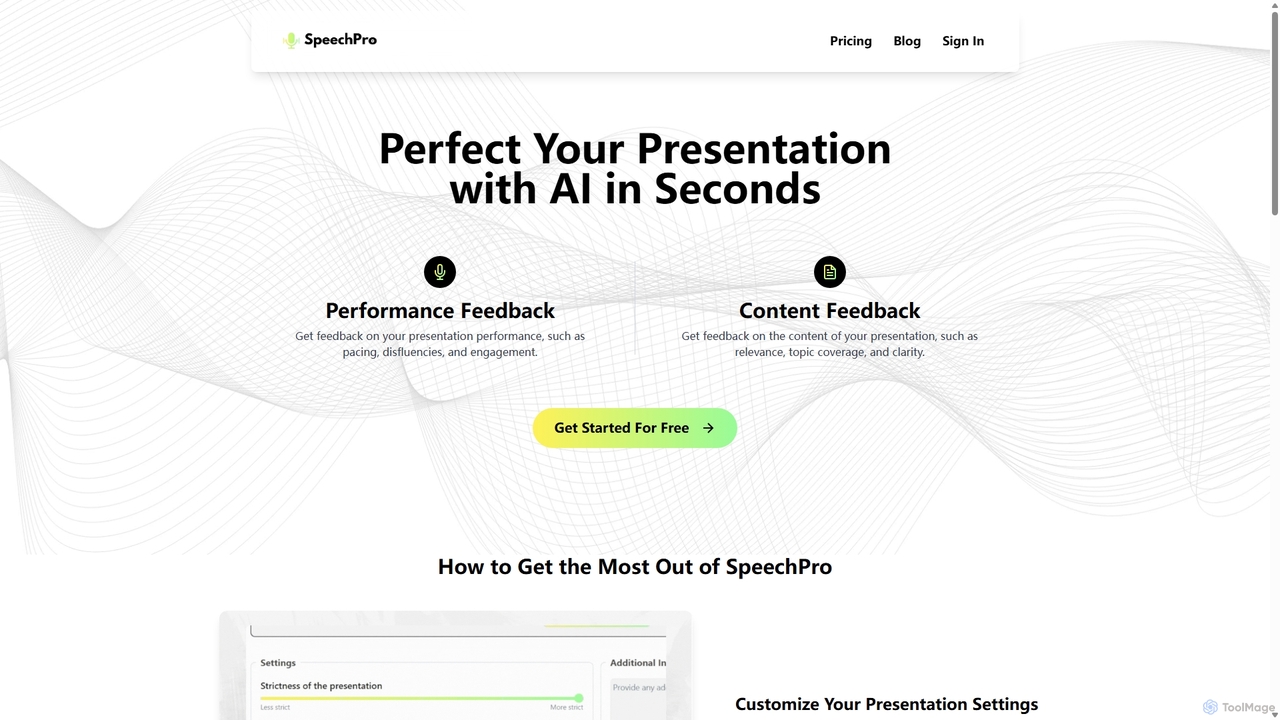
SpeechPro is an AI-powered coach that analyzes your presentation recordings to provide detailed feedback on both performance and content. Improve your pacing, clarity, and engagement with personalized insights, customizable settings, and comprehensive assessments to become a more confident and effective speaker.

Skill Development
Visits 3.9KFavorites 141Likes 142
WisdomPlan
Freemium

WisdomPlan

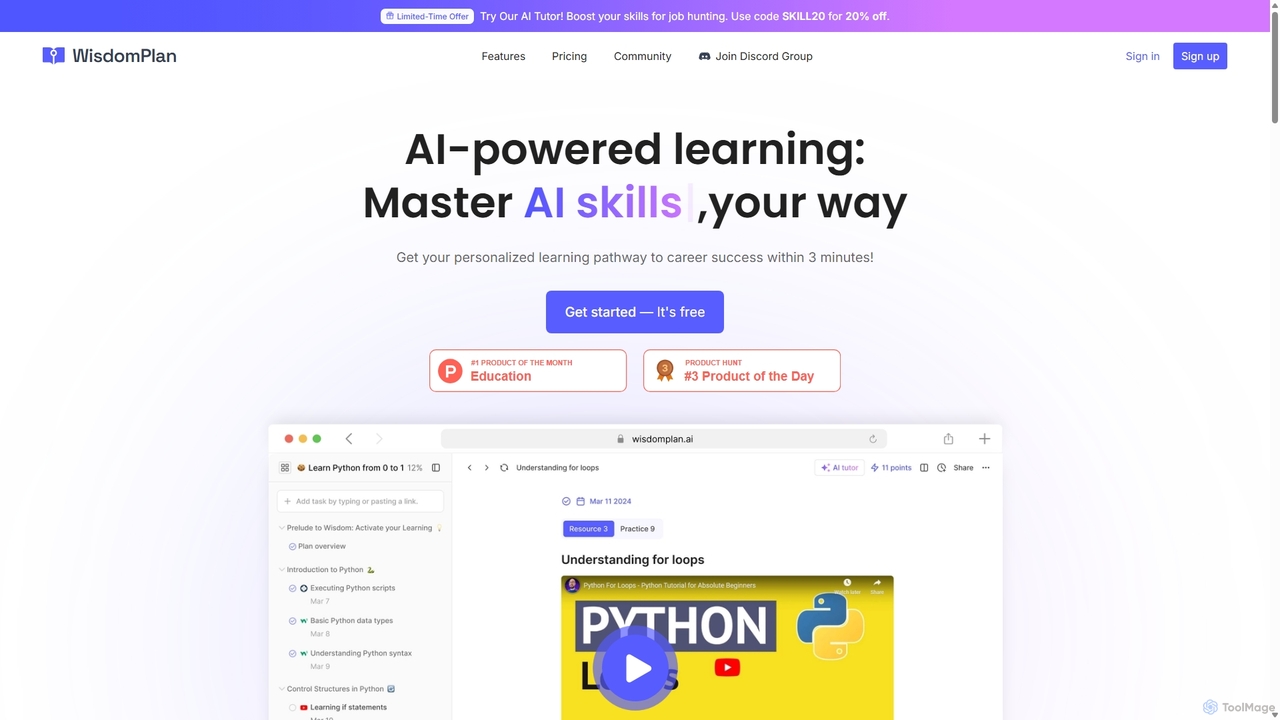
WisdomPlan is an AI-powered learning companion that generates personalized learning pathways in minutes. It helps users master new skills by creating structured plans, aggregating resources, and providing tools like progress tracking, note-taking, and a supportive community to stay motivated and achieve career goals.

Skill Development
Visits 4KFavorites 111Likes 120
gajix
Paid

gajix

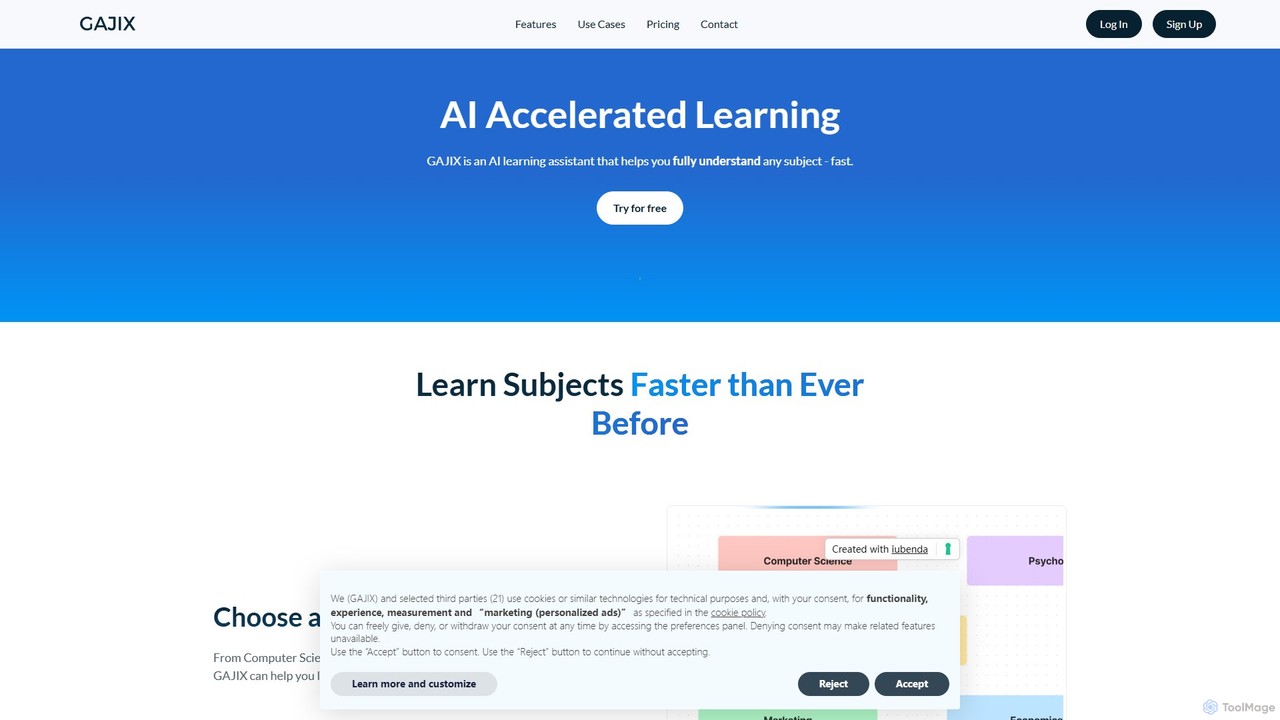
gajix is an AI-accelerated learning platform designed to help users master any subject faster. It generates personalized learning paths, comprehensive syllabi, and hands-on projects. Ideal for students, professionals, and entrepreneurs, it offers unlimited Q&A and real-time feedback to ensure deep understanding and practical skill application.

Skill Development
Visits 3.5KFavorites 93Likes 83
PowerVoice
Freemium

PowerVoice

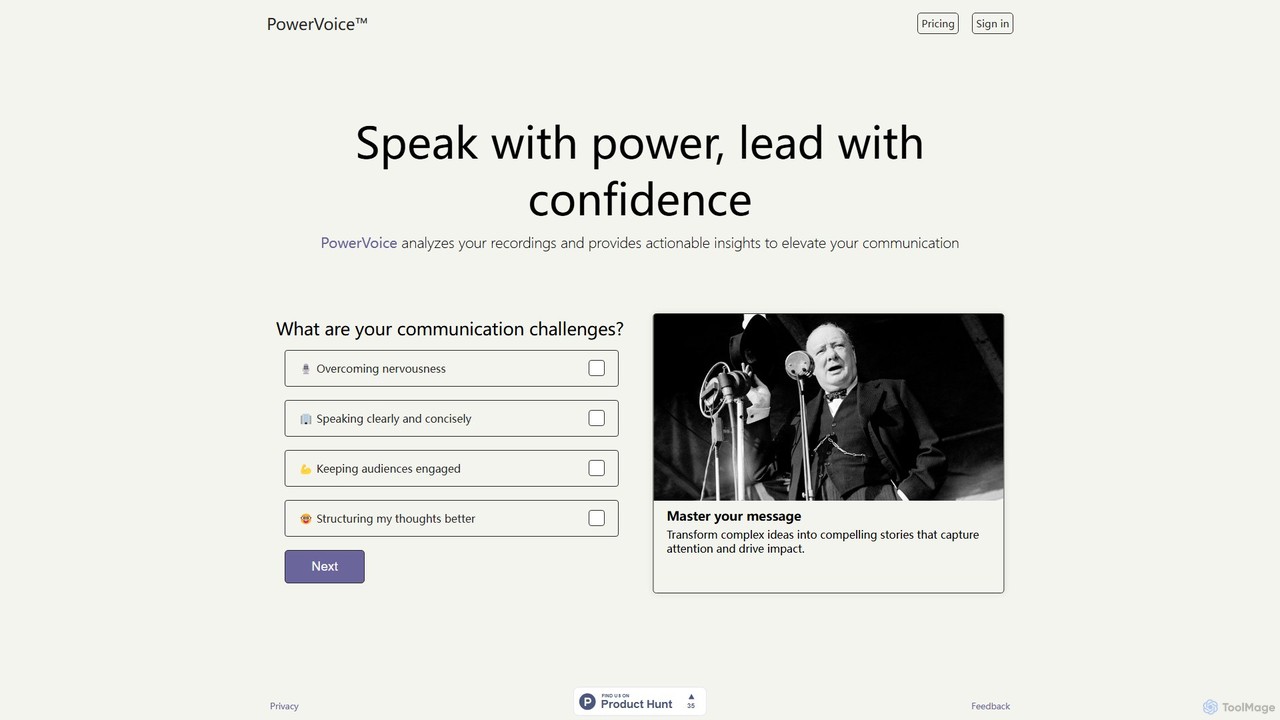
PowerVoice is an AI-powered communication coach that analyzes your speech recordings to provide personalized feedback and actionable insights. It helps you overcome nervousness, speak clearly, and engage your audience, transforming you into a confident and impactful speaker.

Skill Development
Visits 3.5KFavorites 117Likes 112
Orai
Freemium

Orai

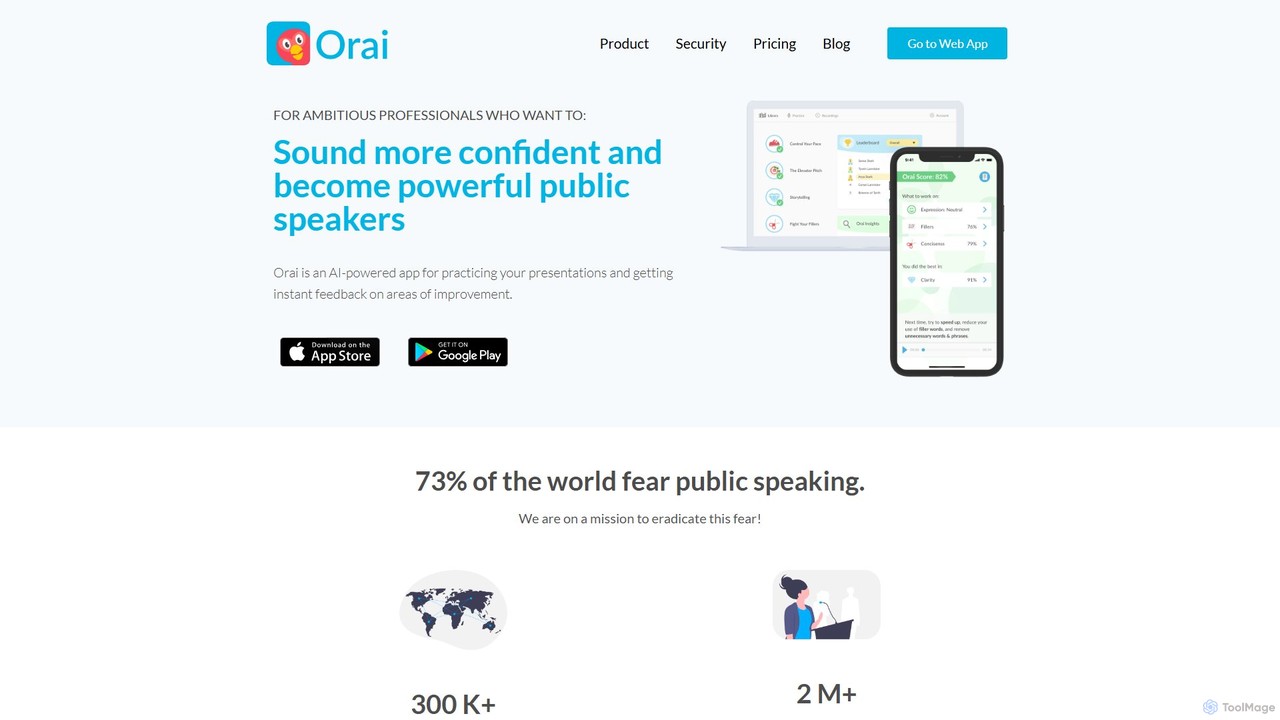
Orai is an AI-powered public speaking coach designed to help professionals and students improve their presentation skills. It provides instant feedback on speech, helping users build confidence, reduce filler words, and deliver more impactful presentations.

Skill Development
Visits 91.8KFavorites 97Likes 113

About Skill Development

AI Skill Development tools are applications designed to accelerate and personalize the learning process for new competencies. They leverage machine learning to create customized learning paths, provide real-time feedback, and generate interactive practice exercises. These tools help users master a wide range of skills—from coding and data science to foreign languages and communication—more efficiently than traditional methods. By adapting to an individual's pace and identifying knowledge gaps, they make skill acquisition more engaging and effective.

Core Features

  • Personalized Learning Paths: The AI assesses a user's current level and goals to generate a tailored curriculum.
  • Real-time Feedback: Provides instant, actionable corrections on tasks like writing code, grammar, or pronunciation.
  • Interactive Simulations: Creates realistic environments for users to practice and apply new skills without real-world risk.
  • Knowledge Gap Analysis: Intelligently identifies and targets specific areas where a user needs improvement.
  • Smart Content Curation: Automatically finds, summarizes, and recommends the most relevant learning materials from various sources.

Use Cases

These tools are widely used by professionals seeking to upskill or reskill in technical fields like software development and data analytics. They are also valuable for students preparing for exams, language learners practicing conversation, and corporate training departments deploying scalable learning programs for employees.

How to Choose

When selecting a Skill Development tool, consider its specialization—is it for a specific domain like coding or a general-purpose platform? Evaluate the quality and depth of its feedback mechanism. Assess its adaptive learning capabilities to ensure it adjusts to your progress. Finally, consider its integration with your existing workflows, such as IDEs or communication platforms.

Featured tool rankings

Skill Development use cases

1

Learning a New Programming Language

A software developer needs to learn Python for an upcoming data science project. Instead of passively watching video tutorials, they use an AI coding assistant integrated into their IDE. The tool provides real-time syntax correction, suggests more efficient, idiomatic code, and generates personalized coding challenges based on concepts they struggle with. When they encounter a complex function, the AI can explain it in plain language with examples, significantly reducing the time spent searching for documentation and accelerating their path to proficiency.

2

Mastering a Foreign Language for Business

A sales manager needs to improve their Spanish proficiency for the Latin American market. They use an AI language tutor app for daily practice. The app features a conversational AI that simulates realistic business scenarios, such as negotiations or client meetings. The AI provides instant feedback on pronunciation, grammar, and word choice, allowing the manager to practice anytime, anywhere. This targeted, interactive practice builds conversational confidence and fluency much faster than traditional classroom settings.

3

Personalized Exam Preparation for Students

A university student is preparing for a final exam in statistics. They use an AI learning platform that begins with a diagnostic quiz to identify their strengths and weaknesses. Based on the results, the AI generates a personalized study plan, prioritizing topics where the student needs the most help. It provides interactive problem sets with step-by-step hints and summarizes key textbook chapters into concise notes. This adaptive approach ensures the student spends their study time efficiently, focusing on closing their knowledge gaps rather than reviewing material they already know.

4

Developing Public Speaking Skills

A project manager wants to improve their presentation skills for client meetings. They use an AI communication coach by recording a practice presentation. The tool analyzes their speech patterns, identifying the use of filler words like 'um' and 'ah', tracking their speaking pace, and evaluating tone modulation. It provides a detailed report with a transcript, highlighting areas for improvement and offering specific suggestions, such as pausing for effect or varying their pitch. This objective, data-driven feedback helps the manager practice and refine their delivery in a private, non-judgmental setting.

5

Corporate Training on New Software

An HR manager needs to train 100 employees on a new CRM system. Instead of resource-intensive in-person workshops, they deploy an AI-powered training platform that creates interactive, in-app tutorials. The AI guides each employee through the software's features at their own pace, providing simulations of common tasks and quizzes to check for understanding. The platform tracks completion rates and performance, giving the manager a clear overview of the team's readiness. This approach ensures consistent, scalable, and cost-effective training for the entire organization.

6

Enhancing Data Science and Analytics Skills

A marketing analyst wants to move into a data science role and needs to strengthen their practical SQL and Python skills. They subscribe to an AI platform that offers a simulated data environment. The user can write complex queries and analysis scripts against realistic datasets. The AI provides instant feedback on code efficiency, suggests alternative approaches, and automatically generates data visualizations to help interpret the results. This hands-on, iterative process bridges the gap between theoretical knowledge and real-world application, building job-ready data skills.

Skill Development FAQ

What are AI Skill Development tools?

AI Skill Development tools are a category of software that uses artificial intelligence to create personalized and interactive learning experiences. Unlike traditional online courses that offer static content, these tools actively adapt to your learning style, provide instant feedback, and identify knowledge gaps. Key features often include AI-powered tutors, realistic simulations for practice, and customized learning paths to help you master skills like programming, languages, or communication more effectively.

How to choose the right AI tool for skill development?

Choosing the right tool depends on your specific goals. Consider these factors:

  • Skill Domain: Is the tool specialized for a specific skill (e.g., coding, language) or is it a general learning platform? A specialized tool often provides deeper, more relevant feedback.
  • Feedback Quality: Look for tools that offer specific, actionable feedback rather than just right/wrong answers. For example, a coding tool should suggest better syntax, not just flag an error.
  • Adaptivity: Does the tool adjust the difficulty and content based on your performance? True adaptive learning is key to efficient skill acquisition.
  • Learning Methodology: Does the tool's approach (e.g., gamification, simulation, spaced repetition) align with how you learn best?
What's the difference between AI Skill Development tools and online course platforms?

The main difference lies in interactivity and personalization. Online course platforms (like Coursera or edX) primarily deliver structured content, such as video lectures and readings, for you to consume. AI Skill Development tools, on the other hand, focus on active practice. They act like a personal tutor or coach, providing real-time feedback, creating dynamic exercises, and adapting the curriculum to your individual progress. They are designed to complement course content by helping you apply and master what you've learned.

Can AI tools really replace human tutors or teachers?

AI tools are better viewed as powerful supplements rather than complete replacements for human educators. AI excels at providing scalable, instant, and consistent feedback on specific, rule-based tasks (like grammar or code syntax). However, human tutors provide mentorship, motivation, and a nuanced understanding of complex problems that AI currently cannot replicate. The most effective learning often combines the strengths of both: using AI for repetitive practice and instant feedback, and a human teacher for guidance, inspiration, and deeper conceptual understanding.

What kinds of skills can be learned with AI tools?

AI tools are effective for a wide range of skills, particularly those that are structured and have clear right/wrong answers. This includes:

  • Hard Skills: Programming languages (Python, JavaScript), data analysis (SQL, Excel), mathematics, and foreign languages are ideal candidates due to their logical, rule-based nature.
  • Technical Skills: Learning to use complex software like CRM systems, design tools, or project management platforms can be accelerated with AI-guided tutorials.
  • Soft Skills: While more challenging, emerging AI tools can help with soft skills like public speaking by analyzing speech patterns, or with negotiation by providing practice simulations against an AI agent.