Cloud Computing Best in category 2 results Platform As A Service AI Tool

Popular AI tools in the Platform As A Service field of Cloud Computing include CTO.ai、XMOX, etc., helping you quickly improve efficiency.

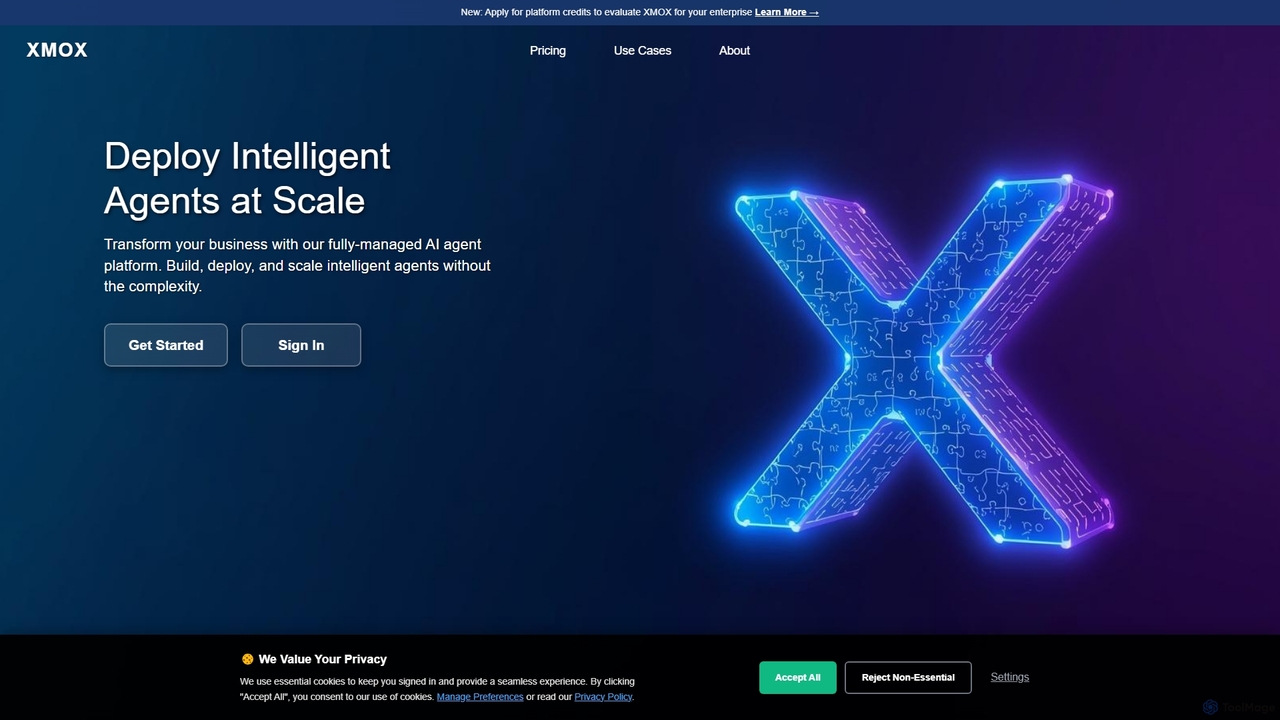
XMOX

XMOX

XMOX is a leading managed AI agents platform that provides enterprise-grade infrastructure and services for deploying, scaling, and …

2.6K
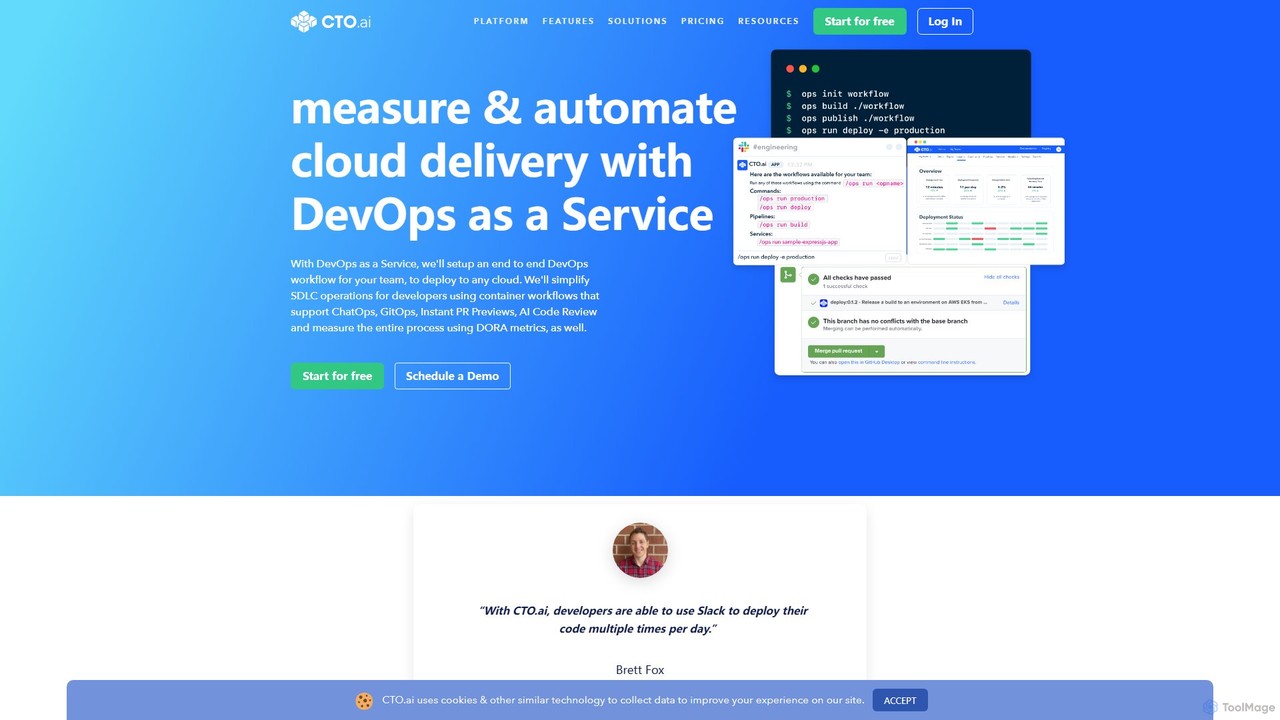
CTO.ai

CTO.ai

CTO.ai is a DevOps as a Service platform that helps engineering teams build an Internal Developer Platform (IDP). …

14.6K

About Platform As A Service

Platform As A Service (PaaS) is a cloud computing model that provides a complete, ready-to-use environment for developing, running, and managing applications. It abstracts away the underlying infrastructure, offering developers a comprehensive suite of tools, middleware, databases, and operating systems. PaaS enables rapid application deployment and scaling, allowing teams to focus purely on coding and innovation without managing servers or infrastructure. This service model significantly streamlines the software development lifecycle and reduces operational overhead.

Core Features

  • Integrated Development Environment (IDE): Provides web-based tools for coding, debugging, and testing applications directly within the platform.
  • Application Deployment & Management: Simplifies the process of deploying, updating, and monitoring applications with built-in automation and version control.
  • Scalability & Load Balancing: Automatically adjusts resources to handle varying traffic loads, ensuring high availability and performance without manual intervention.
  • Database & Data Services: Offers managed database instances, caching, and storage solutions, reducing the complexity of data management.
  • Middleware & Runtime Support: Provides pre-configured runtime environments and middleware components for various programming languages and frameworks.

Use Cases

PaaS is ideal for organizations and developers seeking to accelerate application development and deployment. It supports the creation of web applications, mobile backends, APIs, and microservices. Businesses leverage PaaS to build custom enterprise applications, automate business processes, and deploy data analytics solutions, benefiting from reduced infrastructure management and faster time-to-market.

How to Choose

When selecting a PaaS solution, evaluate its support for your preferred programming languages and frameworks, scalability options, and integration capabilities with existing tools. Consider the pricing model, potential for vendor lock-in, and the level of control and customization offered. Assess the platform's security features, compliance certifications, and the quality of developer support to ensure it meets your project's specific requirements.

Platform As A ServiceUse Cases

1

Rapid Web Application Development

Web developers can leverage PaaS to quickly build, deploy, and scale modern web applications without managing servers, operating systems, or databases. By providing pre-configured environments and integrated tools, PaaS allows developers to focus solely on writing code and delivering features, significantly accelerating the development lifecycle and reducing time-to-market for new web services or products.

2

API Development and Management

Enterprises and startups use PaaS platforms to efficiently develop, host, and manage APIs for internal services or external partners. PaaS offers built-in tools for API gateway management, versioning, security, and monitoring, streamlining the entire API lifecycle. This enables faster integration between different systems and facilitates the creation of robust, scalable microservices architectures.

3

Mobile Backend as a Service (MBaaS)

Mobile app developers utilize PaaS to create and manage the backend infrastructure for their applications, including user authentication, data storage, push notifications, and server-side logic. PaaS abstracts away the complexity of backend operations, allowing mobile teams to concentrate on front-end user experience and core app features, leading to faster development and easier scaling for growing user bases.

4

Microservices Deployment

Development teams adopt PaaS for deploying and orchestrating microservices architectures. PaaS provides containerization support, automated scaling, load balancing, and service discovery, simplifying the management of numerous independent services. This enables greater agility, fault isolation, and independent deployment cycles for complex applications, enhancing overall system resilience and development velocity.

5

Data Analytics and Machine Learning Model Deployment

Data scientists and engineers use PaaS to deploy and run data processing pipelines and machine learning models. PaaS offers managed services for databases, big data processing frameworks, and specialized runtime environments for AI/ML workloads. This allows teams to focus on model development and insights generation, rather than infrastructure provisioning and maintenance, accelerating the deployment of intelligent applications.

6

Business Process Automation (BPA)

Organizations implement PaaS to build custom applications that automate specific business processes, such as workflow management, reporting, or internal data synchronization. PaaS provides the necessary development tools, database services, and integration capabilities to create tailored solutions that streamline operations, reduce manual errors, and improve overall organizational efficiency without heavy infrastructure investment.

Platform As A ServiceFrequently Asked Questions