Community Best in category 2 results Creative Platforms AI Tool

Popular AI tools in the Creative Platforms field of Community include PromptHero、Hive3, etc., helping you quickly improve efficiency.

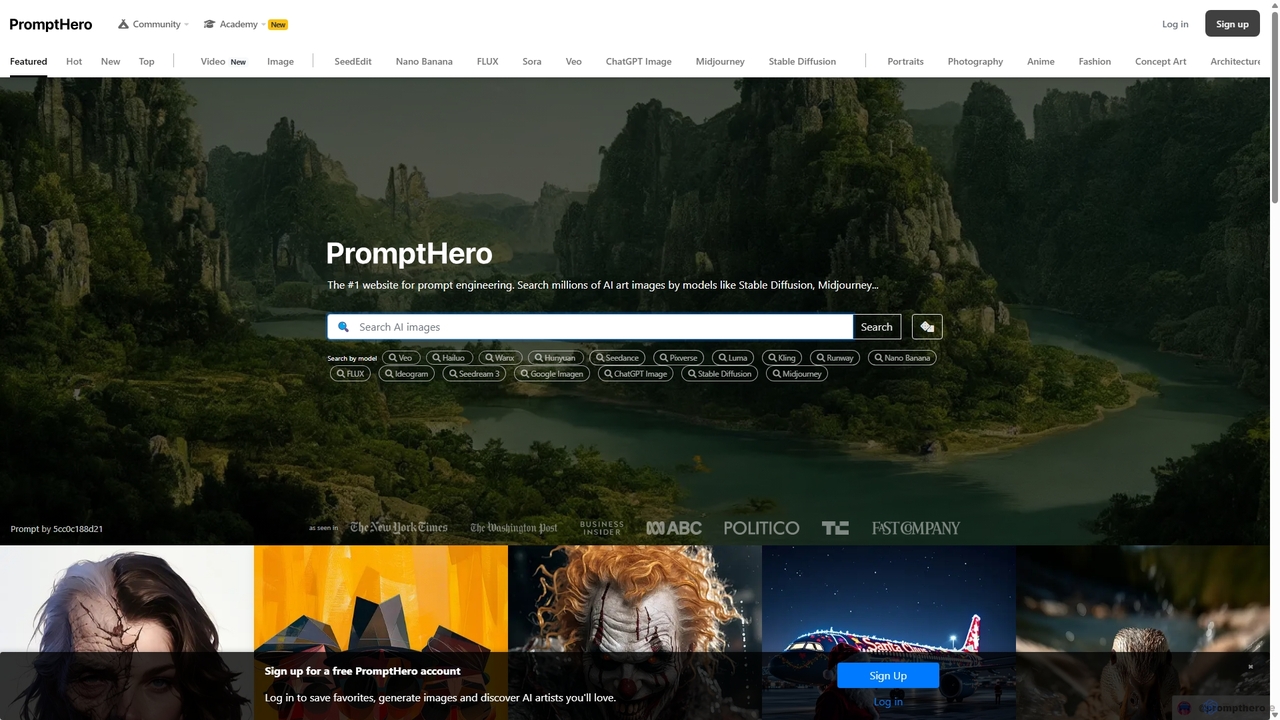
PromptHero

PromptHero

PromptHero is a leading search engine for AI prompts, catering to models like Stable Diffusion, Midjourney, and ChatGPT. …

683.0K
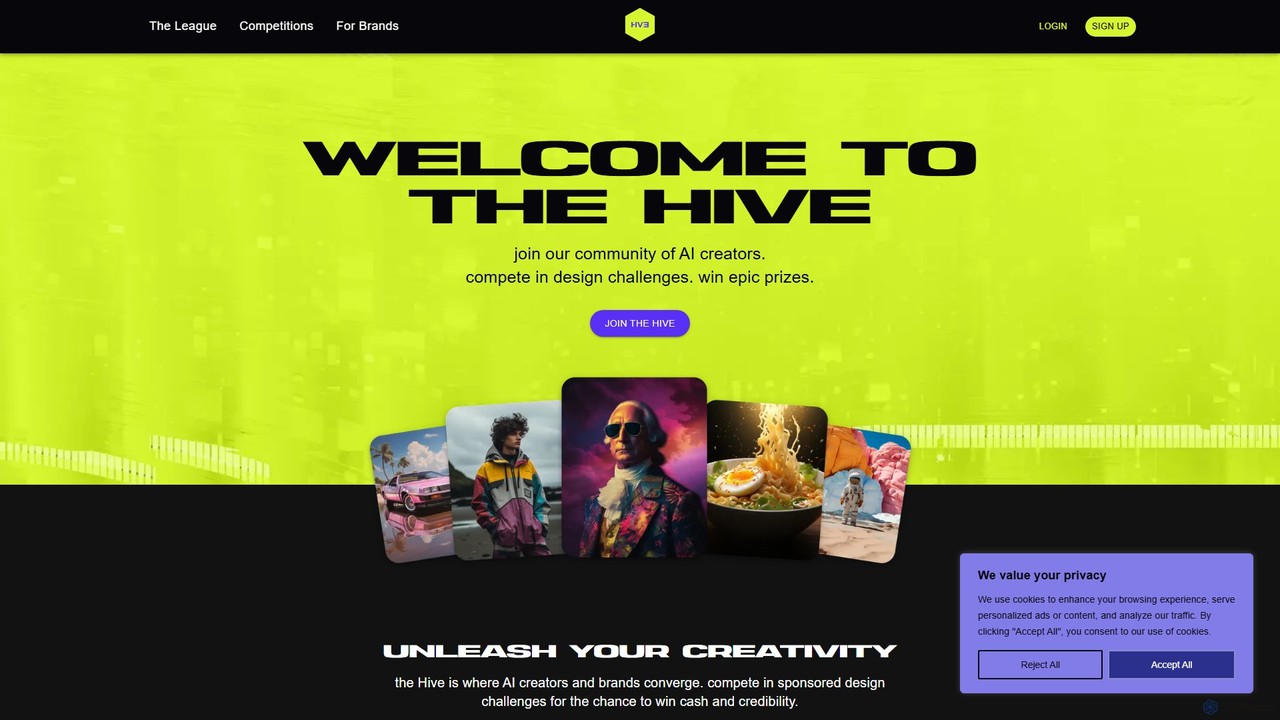
Hive3

Hive3

Hive3 is the world's first competitive AI league, connecting talented AI creators with leading brands. It's a community …

2.4K

About Creative Platforms

Creative Platforms are integrated environments that combine AI-powered content generation tools with community-driven features. These platforms are built around generative models, enabling users to create, share, discover, and collaborate on AI-generated content like images, text, or music. They serve as social hubs where creators can find inspiration, learn from others' techniques, and engage with a like-minded community. This blend of creation and interaction distinguishes them from standalone generator tools.

Core Features

  • Integrated Generative AI: Provides built-in tools for creating content directly on the platform, such as text-to-image or music generation.
  • Community Feed & Gallery: A public space to browse, search, and discover creations from other users, often filterable by style or theme.
  • Social Interaction: Features like profiles, followers, likes, comments, and collections that facilitate community engagement.
  • Prompt & Setting Sharing: Allows users to view, copy, or 'remix' the prompts and parameters used to create a specific piece of content.
  • Collaborative Spaces: Some platforms offer shared channels or projects where multiple users can contribute to a creative endeavor.

Use Cases

These platforms are ideal for digital artists, designers, and hobbyists seeking inspiration and feedback. Marketing teams use them for rapid brainstorming of visual concepts. Game developers and writers leverage them for collaborative world-building and asset creation, sharing ideas and maintaining a consistent style within a team.

How to Choose

When selecting a Creative Platform, evaluate the quality and versatility of its core AI models. Consider the size and activity level of the community, as this impacts inspiration and collaboration opportunities. Assess the platform's social features, such as prompt remixing and user profiles. Finally, review the content ownership policies and subscription models to ensure they align with your usage needs, whether personal or commercial.

Creative PlatformsUse Cases

1

Discovering New Artistic Styles

A digital artist experiencing a creative block uses a creative platform to find new inspiration. By browsing the community's trending feed, they discover a unique 'cyber-baroque' style. They study the prompts and negative prompts used by top artists in this niche. Using the 'remix' feature, they adapt a popular prompt with their own character ideas, generating a series of illustrations in a style they hadn't considered before, revitalizing their portfolio.

2

Collaborative World-Building for a Game

An indie game development team uses a creative platform's private channel for their project. The lead artist trains a custom model based on their initial concept art. Team members then use this shared model to generate consistent assets for characters, environments, and props. They post their creations in the channel, and the art director provides feedback through comments, ensuring a cohesive visual identity for the game while accelerating the asset creation process.

3

Running a Community Art Challenge

A brand's social media manager hosts a weekly art challenge on a popular creative platform to boost engagement. They announce a theme, like 'Futuristic Cities', and a specific hashtag. Users submit their AI-generated art to the platform's public gallery using the tag. The brand features the top-liked creations on its social media channels, driving traffic to the platform and fostering a vibrant community around their brand, all while generating a wealth of user-generated content.

4

Learning Prompt Engineering from Experts

A beginner in AI art wants to improve their skills. They join a creative platform and follow several experienced creators known for their complex and detailed images. By examining the public prompts and generation parameters of these experts' work, the user learns advanced techniques like character consistency, lighting control, and style blending. They experiment by remixing these prompts, gradually developing their own unique style and understanding of how the AI model interprets nuanced language.

5

Rapid Prototyping for Ad Campaigns

A marketing agency needs to generate visual concepts for a new client's ad campaign. Using a creative platform, the team generates hundreds of variations based on a core prompt in a matter of hours. They create a private collection on the platform to share these concepts with the client. The client can then leave comments and 'like' their preferred options, allowing the agency to quickly iterate and refine the visual direction without costly and time-consuming traditional design cycles.

6

Building a Portfolio and Gaining Recognition

An emerging AI artist consistently posts their best creations to their profile on a creative platform. They actively participate in the community by commenting on others' work and joining discussions. As their follower count grows, their work gets featured on the platform's homepage, leading to increased visibility. This recognition eventually leads to a commission from a creative agency that discovered their portfolio through the platform's public gallery, turning a hobby into a professional opportunity.

Creative PlatformsFrequently Asked Questions