Content Best in category 3 results Content Strategy AI Tool

Popular AI tools in the Content Strategy field of Content include Searchify、Justblank、Ventra, etc., helping you quickly improve efficiency.

Ventra

Ventra

Ventra is an AI Answer Engine Optimization (AEO) platform designed to enhance your brand's visibility in AI-driven search …

2.4K
Justblank

Justblank

Justblank is an Answer Engine Optimization (AEO) platform designed to boost your brand's visibility and performance across major …

2.4K
Searchify

Searchify

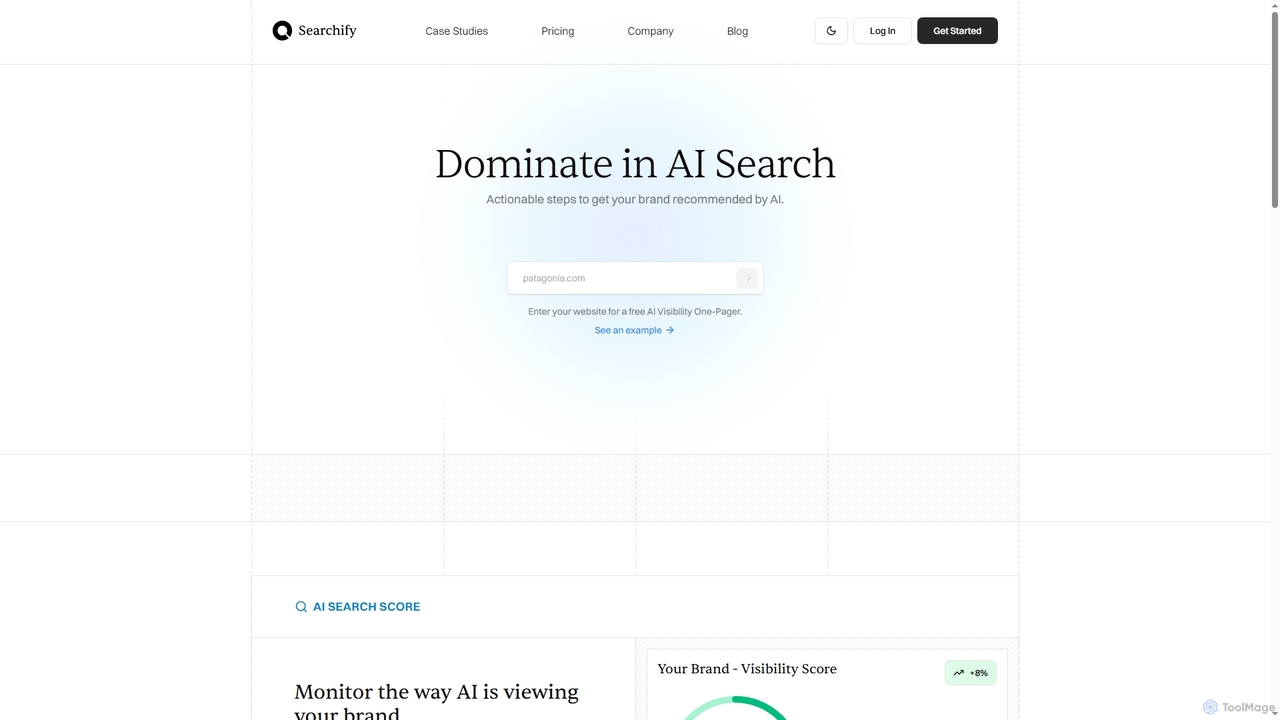
Searchify is an AI visibility platform that helps brands get recommended by major AI search engines like ChatGPT, …

3.7K

About Content Strategy

AI Content Strategy tools are platforms that use data analysis to plan, optimize, and manage the entire content lifecycle. These tools leverage machine learning to analyze search trends, competitor performance, and audience intent, providing actionable insights for content planning. They enable marketing teams and creators to move beyond guesswork, building data-driven strategies that align with business objectives and improve search engine visibility. This approach ensures that every piece of content serves a specific purpose, from attracting new audiences to converting leads.

Core Features

  • Topic & Keyword Research: Identifies high-potential topics and relevant keywords based on search volume, difficulty, and user intent.
  • Content Gap Analysis: Analyzes your website's content against competitors to find topics you're missing but your audience is searching for.
  • SEO Content Briefs: Generates detailed outlines for writers, including target keywords, headings, word count, and competitor examples.
  • Content Auditing: Evaluates existing content for performance, identifying opportunities for updates, consolidation, or removal.
  • Performance Tracking: Monitors content rankings, traffic, and engagement metrics to measure ROI and inform future strategy.

Use Cases

These tools are essential for SEO specialists, content marketing managers, digital agencies, and business owners. They are used to develop quarterly content calendars, create briefs for freelance writers, audit website content to improve rankings, and report on the impact of content marketing efforts to stakeholders.

How to Choose

When selecting an AI Content Strategy tool, consider the depth of its data sources (e.g., keyword database size), its integration capabilities with platforms like Google Analytics and WordPress, the quality and customizability of its content briefs, and its collaboration features for teams. Also, evaluate the pricing model to ensure it aligns with your content production volume and team size.


Content StrategyUse Cases

1

Develop a Data-Driven Quarterly Content Plan

A content marketing manager at a B2B tech company needs to plan the blog content for the next quarter. Using an AI Content Strategy tool, they input their core product features as seed topics. The tool analyzes top-ranking competitor articles and identifies keyword gaps and emerging trends. It then generates a topic cluster map, suggesting a pillar page and several related sub-topic articles. This process transforms a week-long manual research task into a few hours of strategic planning, ensuring the content calendar is optimized for search visibility and audience relevance from the start.

2

Create Optimized Content Briefs for Writers

An SEO agency needs to scale its content production without sacrificing quality. They use an AI Content Strategy tool to generate detailed content briefs for their team of freelance writers. For each target keyword, the tool creates a brief that includes: a recommended word count, a list of semantic keywords to include, H2/H3 heading suggestions based on top search results, and questions to answer within the article. This ensures every writer, regardless of their SEO expertise, produces content that is comprehensive, well-structured, and aligned with search intent, leading to higher rankings and consistent quality across all client projects.

3

Audit and Refresh Existing Website Content

An e-commerce brand's blog has hundreds of old posts with declining traffic. An SEO specialist uses a content auditing feature within their strategy tool to analyze all existing articles. The tool automatically categorizes posts into 'Keep', 'Update', or 'Delete' based on metrics like traffic, backlinks, and keyword rankings. For posts marked 'Update', it provides specific recommendations, such as adding new sections to cover missing subtopics or optimizing for a new primary keyword. This systematic approach helps revive valuable content assets, improve overall site authority, and recapture lost organic traffic efficiently.

4

Analyze Competitor Content Strategies

A startup entering a competitive market needs to understand the content landscape. They use an AI Content Strategy tool to perform a deep analysis of their top three competitors. The tool identifies the competitors' most successful content formats (e.g., blog posts, case studies, webinars), their core topic pillars, and the keywords driving the most traffic to their sites. It also reveals their content velocity—how often they publish new content. This intelligence allows the startup to identify a unique content angle, focus on underserved topics, and develop a realistic publishing cadence to effectively compete for audience attention.

5

Identify and Target 'People Also Ask' Opportunities

A solo blogger wants to increase organic traffic by directly answering user questions. They use a content strategy tool's keyword research function, specifically focusing on 'People Also Ask' (PAA) and question-based queries. The tool scrapes Google search results for a given topic and compiles a comprehensive list of related questions. The blogger then uses this list to structure their articles in a Q&A format or to create dedicated FAQ sections within their posts. This strategy helps them capture featured snippets and rank for long-tail keywords, attracting highly engaged traffic from users seeking specific answers.

6

Track Content Performance and Measure ROI

A marketing director needs to justify the content budget to the executive team. They use their AI Content Strategy platform, which integrates with Google Analytics and Search Console, to create a performance dashboard. The dashboard tracks key metrics like organic traffic growth, keyword ranking improvements, and conversions attributed to blog posts. They can filter by content cluster or author to see what strategies are working best. This allows the director to present a clear, data-backed report showing the direct impact of content on lead generation and revenue, securing continued investment in their content marketing program.

Content StrategyFrequently Asked Questions