Content Best in category 1 results Headless Cms AI Tool

Popular AI tools in the Headless Cms field of Content include Contentful, etc., helping you quickly improve efficiency.

Contentful

Contentful

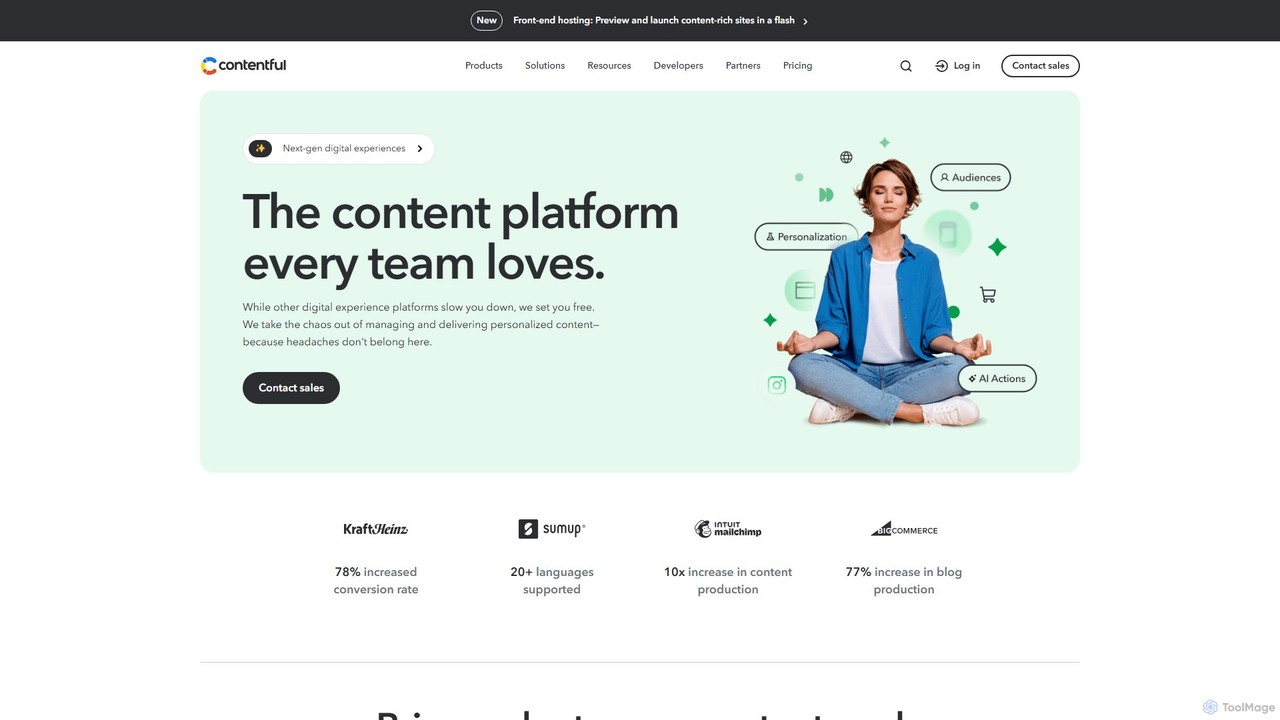
Contentful is an intelligent composable content platform that helps enterprises create, manage, and deliver digital experiences at scale. …

1.0M

About Headless Cms

Headless CMS (Content Management System) are advanced content management tools designed to provide a content-only backend, completely decoupling content from its presentation layer. Unlike traditional CMS, they focus solely on managing and storing content, making it accessible via robust APIs (like REST or GraphQL) to any frontend or device. This API-first approach offers unparalleled flexibility for omnichannel publishing, powering modern, dynamic digital experiences across websites, mobile apps, and IoT devices.

Core Features

  • API-First Content Delivery: Content is accessed and delivered via APIs, enabling flexible integration with any frontend framework or device.
  • Content Modeling: Define custom content structures (e.g., articles, products, authors) with various field types to match specific data needs.
  • Omnichannel Publishing: Deliver content seamlessly to multiple channels like websites, mobile apps, smart devices, and social media platforms.
  • Developer Experience: Offers SDKs, GraphQL endpoints, and developer-friendly tools for efficient content integration and rapid development.
  • Scalability & Performance: Designed for high-performance content delivery, easily scaling to handle large volumes of content and traffic.

Use Cases

Headless CMS are ideal for organizations building complex digital ecosystems. They are widely adopted by e-commerce platforms needing to deliver product information across various sales channels, media companies publishing content to web, mobile, and smart TVs, and enterprises developing microservices-based applications requiring flexible content delivery.

How to Choose

When selecting a Headless CMS, evaluate its API capabilities (REST vs. GraphQL), content modeling flexibility, and the richness of its developer tools and SDKs. Consider its scalability to meet future content demands, integration options with existing tech stacks, and the level of community support or enterprise services available. Pricing models and ease of use for content editors are also crucial factors.

Headless CmsUse Cases

1

Building Omnichannel E-commerce Experiences

E-commerce businesses leverage Headless CMS to manage product catalogs, promotions, and editorial content centrally. This allows them to deliver consistent, up-to-date information across their main website, mobile apps, social media shops, and even in-store digital displays, providing a unified customer journey and enabling rapid deployment of new sales channels.

2

Developing Modern Progressive Web Apps (PWAs)

Developers building fast, reliable, and engaging PWAs utilize Headless CMS to serve dynamic content. By separating the content backend from the PWA's frontend, teams gain the flexibility to use modern JavaScript frameworks (like React, Vue, Angular) for a superior user experience, while content editors can manage content independently without affecting the application's code.

3

Powering Content for IoT Devices and Smart Displays

Companies creating smart devices, digital signage, or interactive kiosks can use Headless CMS to manage and deliver content to these diverse endpoints. Whether it's real-time updates for smart home devices, dynamic advertisements on public displays, or interactive guides on museum kiosks, the API-first nature ensures content can be consumed by any internet-connected device.

4

Managing Enterprise-Level Content Hubs

Large enterprises with vast amounts of content across different departments and brands benefit from a centralized Headless CMS. It acts as a single source of truth for all content assets, allowing various teams to contribute, manage, and retrieve content via APIs, ensuring brand consistency and streamlining content workflows across the entire organization.

5

Supporting Microservices Architecture Content Delivery

For organizations adopting a microservices architecture, Headless CMS fits perfectly by providing a dedicated content service. Each microservice can fetch the specific content it needs via API, promoting modularity and independent deployment. This prevents content management from becoming a monolithic bottleneck and enhances the agility of complex system development.

6

Creating Personalized User Experiences

Marketers and product teams use Headless CMS to deliver highly personalized content based on user data and behavior. By integrating the CMS with personalization engines and user profiles, they can dynamically serve tailored articles, product recommendations, or promotional messages to individual users across different touchpoints, significantly improving engagement and conversion rates.

Headless CmsFrequently Asked Questions