Content Creation Best in category 1 results Content Automation AI Tool

Popular AI tools in the Content Automation field of Content Creation include Arena, etc., helping you quickly improve efficiency.

Arena

Arena

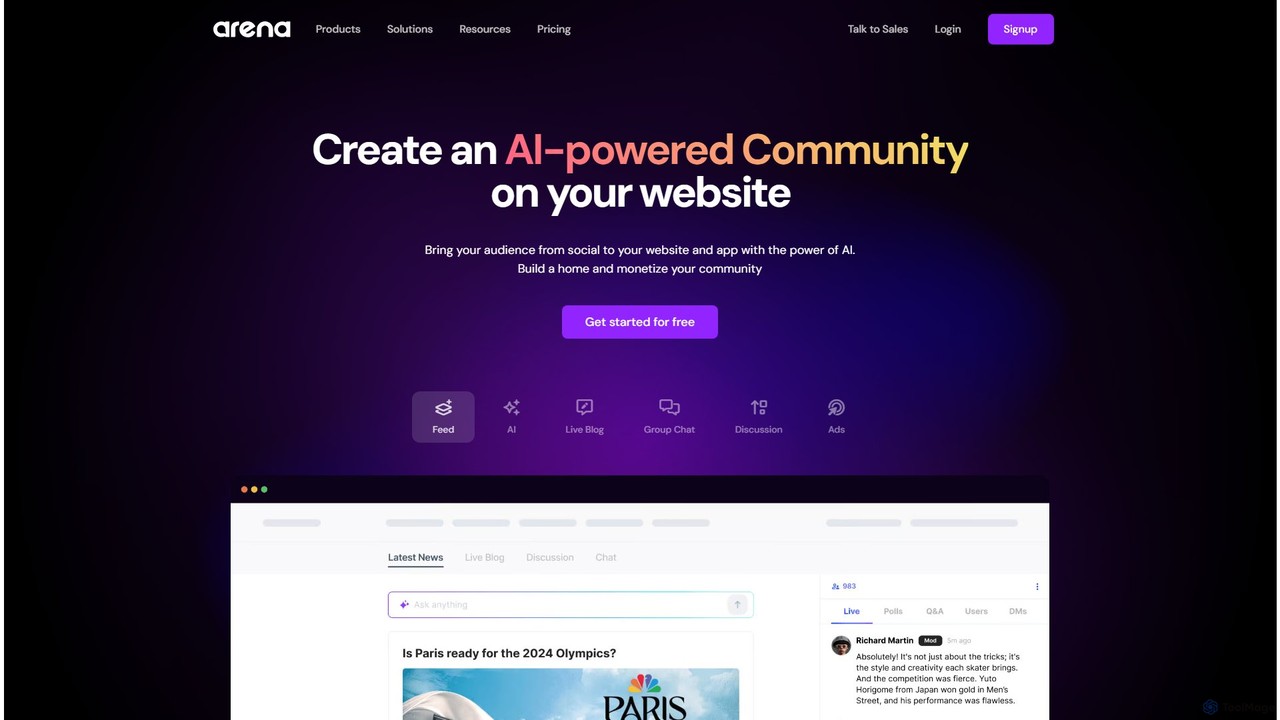
Arena is an AI-powered platform that enables businesses to build, manage, and monetize their own communities directly on …

145.8K

About Content Automation

Content Automation tools are AI-powered solutions designed to streamline and accelerate various stages of the content lifecycle. These tools leverage advanced artificial intelligence, including natural language processing and machine learning, to automate tasks from content generation and optimization to distribution. They empower content creators, marketers, and businesses to produce high-quality, consistent content at scale, significantly reducing manual effort and improving efficiency within the broader Content Creation domain.

Core Features

  • AI Content Generation: Automatically creates drafts, outlines, or full pieces of text, images, or videos based on prompts and data.
  • Content Optimization: Analyzes content for SEO, readability, and engagement, suggesting improvements for better performance.
  • Automated Distribution: Schedules and publishes content across multiple platforms and channels without manual intervention.
  • Personalized Content Delivery: Tailors content variations for different audience segments to maximize relevance and impact.
  • Workflow Automation: Integrates with existing content management systems to automate approval processes and task assignments.

Use Cases

Content Automation is particularly valuable for digital marketing agencies managing numerous client campaigns, e-commerce businesses needing to generate vast amounts of product descriptions, and large enterprises aiming for consistent brand messaging across global markets. It helps these entities maintain a high volume of fresh content while ensuring brand voice and quality standards are met.

How to Choose

When selecting Content Automation tools, consider the specific content types you need to automate (text, image, video), the level of AI customization and control offered, and its integration capabilities with your existing tech stack (e.g., CMS, CRM). Evaluate the tool's ability to maintain brand voice, its scalability for future growth, and the clarity of its pricing model, including usage-based costs.

Content AutomationUse Cases

1

Automate Social Media Content Scheduling

Social media managers can utilize content automation tools to generate daily posts, captions, and relevant hashtags based on trending topics or pre-defined content calendars. The tools then automatically schedule and publish these posts across various platforms like X, Facebook, and LinkedIn, ensuring a consistent online presence and freeing up time for engagement and strategy development. This streamlines the content pipeline, allowing for greater volume and reach.

2

Bulk Generation of E-commerce Product Descriptions

E-commerce businesses with extensive product catalogs can employ content automation to rapidly create unique and SEO-optimized product descriptions. By feeding product specifications and keywords into the AI, the tool generates hundreds or thousands of distinct descriptions, eliminating the tedious manual writing process. This ensures product pages are rich with relevant information, improving search engine visibility and conversion rates.

3

Personalized Email Marketing Campaign Creation

Marketing teams can leverage content automation to craft highly personalized email campaigns for different customer segments. The AI analyzes customer data and preferences to generate tailored subject lines, body copy, and calls-to-action for each segment. This level of personalization significantly boosts open rates, click-through rates, and overall campaign effectiveness, delivering more relevant content to individual recipients.

4

Multi-language Content Localization and Adaptation

Global enterprises can use content automation to efficiently localize marketing materials, website content, and support documentation into multiple languages. Beyond direct translation, these tools can adapt content to cultural nuances and regional search trends, ensuring messages resonate with local audiences. This accelerates market entry and maintains brand consistency across diverse linguistic and cultural landscapes.

5

Automated Blog Post Outlines and Drafts

Content creators and bloggers can use automation tools to quickly generate outlines and initial drafts for blog posts on specific topics. By providing a keyword or a brief concept, the AI can structure the article, suggest subheadings, and even write introductory paragraphs. This significantly reduces the initial brainstorming and writing time, allowing creators to focus on refining the content and adding their unique insights.

6

Dynamic Ad Copy Generation and A/B Testing

Digital advertisers can automate the creation of numerous ad copy variations for platforms like Google Ads and Facebook Ads. The AI generates different headlines, descriptions, and calls-to-action based on target audience data and campaign goals. These variations can then be automatically A/B tested to identify the highest-performing combinations, optimizing ad spend and maximizing campaign ROI without constant manual iteration.

Content AutomationFrequently Asked Questions