ToolMage
Sign in

Best 2 Dubbing AI tools for Content Creation

Popular Dubbing AI tools in Content Creation include Video and Eadlyn, helping you work more efficiently.

Video
Paid

Video

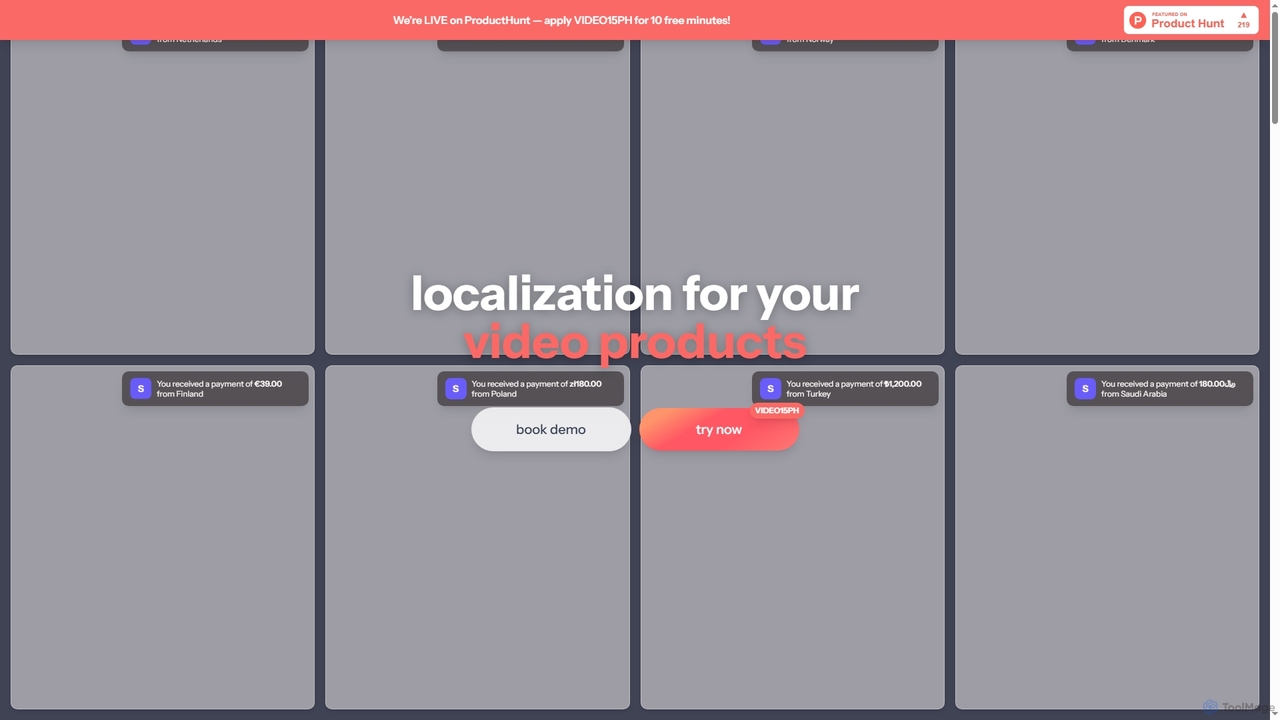
Video by Algebras is an AI-powered platform for comprehensive video localization. It offers 1-click translation, cultural adaptation, automatic transcription, and natural voice synthesis to help your content resonate globally. Supporting long-form content and API integration, Video enables seamless expansion into new markets, ensuring your messages are understood and appreciated across diverse cultures.

3D
Visits 4.9KFavorites 114Likes 123
Eadlyn
Freemium

Eadlyn

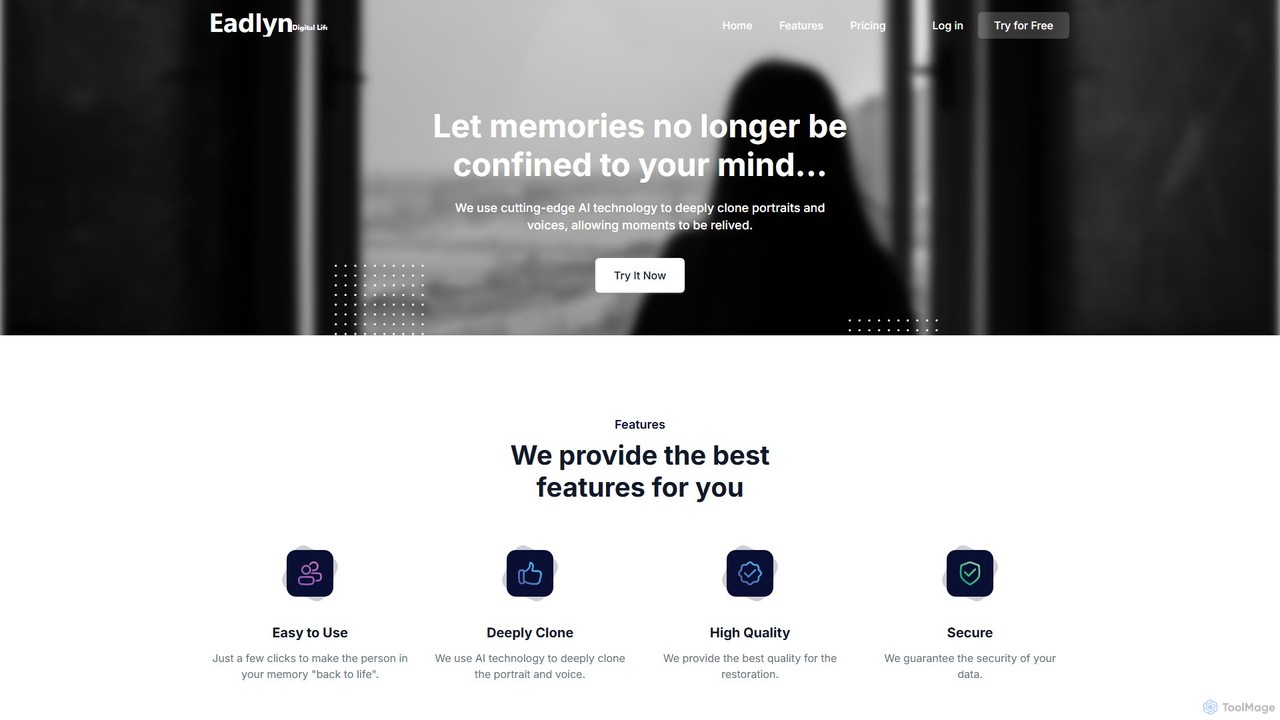
Eadlyn is an advanced AI platform specializing in creating hyper-realistic digital clones. It offers high-fidelity voice cloning to replicate any voice with emotional nuance and deepfake portrait cloning to animate static images into lifelike videos. It's designed for entertainment, content creation, and personal use.

Voice Cloning
Visits 4.8KFavorites 117Likes 123

About Dubbing

AI Dubbing tools are a specialized category of software that uses artificial intelligence to automatically replace the original voice track in a video with a translated one. These tools leverage advanced technologies like voice cloning, speech synthesis, and lip-sync analysis to generate high-quality, natural-sounding audio in multiple languages. The primary value of AI Dubbing is to make video content accessible to a global audience quickly and cost-effectively, breaking down language barriers for creators and businesses. They often preserve the original speaker's vocal characteristics and emotional tone, creating a more authentic viewing experience than traditional dubbing methods.

Core Features

  • Voice Cloning & Transfer: Clones the original speaker's voice to deliver the dubbed audio in a consistent vocal style across different languages.
  • Multi-Language Speech Synthesis: Supports a wide range of languages and accents, allowing for precise localization for specific target markets.
  • Emotion and Prosody Preservation: Analyzes and replicates the emotional tone, pitch, and rhythm of the original speech to maintain the intended impact.
  • Automatic Lip-Sync: Adjusts the timing and cadence of the generated speech to match the on-screen speaker's lip movements for visual consistency.
  • Transcript and Translation Integration: Often includes built-in tools for automatically transcribing the original audio and translating it into the target language before dubbing.

Use Cases

AI Dubbing is widely used by content creators on platforms like YouTube to expand their international reach. It is also essential for e-learning platforms localizing educational videos, marketing teams adapting promotional content for global campaigns, and media companies looking for efficient ways to distribute films and series to different regions.

How to Choose

When selecting an AI Dubbing tool, evaluate the naturalness and quality of the synthesized voices. Consider the accuracy of the emotion transfer and lip-sync capabilities. Also, check the breadth of supported languages and accents, the pricing model (e.g., per minute of video), and whether it offers an API for integration into existing content creation workflows.

Dubbing use cases

1

Localizing Educational Content for Global Students

An online course instructor wants to expand their student base beyond English-speaking countries. Using an AI Dubbing tool, they upload their video lectures. The tool automatically transcribes, translates, and dubs the content into Spanish, German, and Japanese. By choosing the voice cloning feature, the dubbed lectures retain the instructor's familiar and authoritative tone, ensuring a consistent learning experience for all students. This process allows them to launch localized courses in new markets within days instead of months, significantly increasing enrollment and revenue.

2

Adapting Marketing Videos for International Campaigns

A marketing agency is launching a global campaign for a new product. They have a primary promotional video in English. To maximize impact in key markets, they use an AI Dubbing tool to create versions for France, Brazil, and South Korea. The tool's emotion transfer feature ensures that the excitement and urgency of the original narration are preserved in French, Portuguese, and Korean. The automated lip-syncing makes the spokespeople on screen appear to be speaking the local language naturally. This allows the agency to deliver culturally relevant and professional-looking video ads quickly, improving campaign performance and engagement rates across regions.

3

Globalizing Corporate Training and Communication

A multinational corporation needs to distribute a mandatory HR training video to its employees worldwide. To ensure comprehension and consistency, they use an AI Dubbing platform. The platform dubs the CEO's message into multiple languages while cloning their voice, maintaining a sense of direct communication and authority. The process is significantly faster and more affordable than hiring voice actors and studios in each country. This ensures that all employees, regardless of their location or native language, receive the same critical information promptly and in a format that feels personal and direct from leadership.

4

Expanding a YouTube Channel's International Audience

A popular YouTuber focusing on tech reviews wants to tap into the large Spanish-speaking and Hindi-speaking markets. Manually creating separate channels and re-recording content is time-consuming. Instead, they use an AI Dubbing tool to create additional audio tracks for their existing videos. The voice cloning feature is crucial as it maintains the creator's unique personality and voice, which is a key part of their brand. Viewers can simply switch the audio track on YouTube, allowing the creator to manage a single channel while reaching a much broader, global audience and increasing their ad revenue potential.

5

Cost-Effective Dubbing for Independent Films

An independent filmmaker has completed their documentary and wants to submit it to international film festivals. Traditional dubbing services are prohibitively expensive for their limited budget. They turn to an AI Dubbing solution to generate high-quality dubs in French, Italian, and German. The tool allows them to review and make minor timing adjustments to the dubbed audio to ensure it aligns perfectly with the film's emotional beats. This enables them to meet the language requirements of various festivals and secure international distribution deals that would have otherwise been out of reach, giving their film a global platform.

6

Rapid Translation of Social Media Video Content

A social media influencer creates short-form videos for platforms like TikTok and Instagram Reels. To engage a wider international audience, they use an AI Dubbing tool to quickly translate their 30-second clips into multiple languages. The tool's fast processing speed is ideal for the high-volume, rapid-turnaround nature of social media content. They can post the same video with different dubbed audio tracks targeting specific regions, significantly boosting their global follower count and engagement metrics without a proportional increase in production time or effort.

Dubbing FAQ

What is AI Dubbing?

AI Dubbing is the process of using artificial intelligence to replace the original dialogue in a video with a translated version. Unlike simple voice-overs, advanced AI Dubbing tools can clone the original speaker's voice, preserve their emotional tone and cadence, and automatically sync the new audio with the speaker's lip movements on screen. This technology makes it possible to localize video content for global audiences quickly and at a fraction of the cost of traditional dubbing methods involving human voice actors and recording studios.

How does AI Dubbing differ from traditional dubbing?

The primary differences lie in speed, cost, and scalability. Traditional dubbing is a manual, artistic process requiring voice actors, directors, and expensive studio time, which can take weeks or months. AI Dubbing automates this process, delivering results in minutes or hours at a much lower cost. While traditional dubbing may offer a higher degree of artistic nuance, AI is rapidly closing the gap with features like voice cloning and emotion transfer, making it a highly efficient and scalable alternative for most content localization needs, especially for corporate, educational, and online content.

How to choose the right AI Dubbing tool?

When selecting an AI Dubbing tool, consider the following key factors:

  • Voice Quality and Naturalness: Listen to samples. Does the voice sound human-like and free of robotic artifacts?
  • Emotion and Prosody Transfer: Check if the tool can accurately replicate the tone and emotion of the original speaker.
  • Lip-Sync Accuracy: Evaluate how well the dubbed audio matches the speaker's lip movements.
  • Language and Accent Support: Ensure it covers the languages and specific regional accents you need for your target audience.
  • Ease of Use and Workflow: Look for an intuitive interface and features like automatic transcription and translation that streamline the process.
What is the difference between AI Dubbing and AI Voice Over?

AI Dubbing is a more comprehensive process than AI Voice Over. A voice-over typically involves laying a new audio track over the original, which might still be audible at a low volume, and there's often no attempt to match lip movements. AI Dubbing, on the other hand, aims to completely replace the original dialogue. It focuses heavily on synchronization, including matching lip movements (lip-sync) and preserving the original speaker's vocal style and emotion, creating a more seamless and immersive experience for the viewer.

Who can benefit from using AI Dubbing tools?

A wide range of users can benefit from AI Dubbing tools. This includes:

  • Content Creators: YouTubers, podcasters, and social media influencers looking to expand their audience globally.
  • E-learning Providers: Companies and educators who want to make their training materials and courses accessible in multiple languages.
  • Marketing Teams: Businesses adapting video advertisements and promotional content for international markets.
  • Media Companies: Film and television producers seeking cost-effective ways to localize their content for different regions.
  • Corporations: For globalizing internal communications, HR training videos, and shareholder messages.