
Content Creation Best in category 1 results Marketing Automation AI Tool

Popular AI tools in the Marketing Automation field of Content Creation include MCP Showcase, etc., helping you quickly improve efficiency.

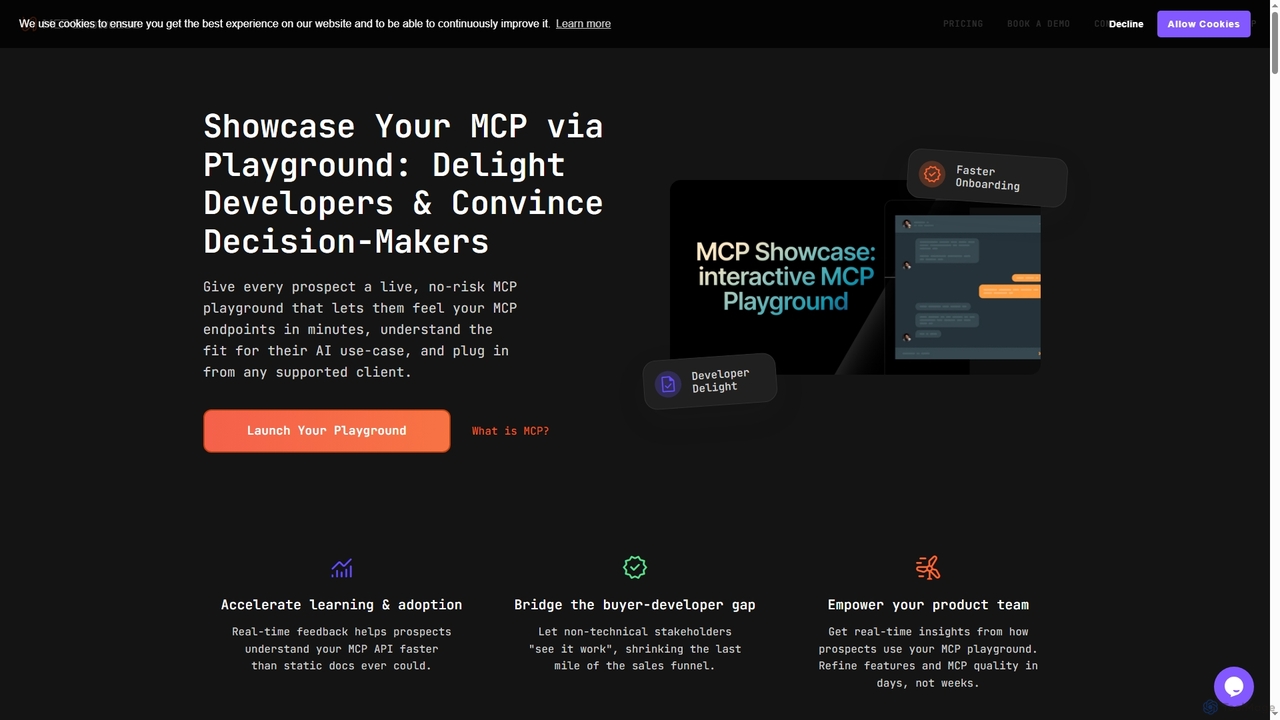
MCP Showcase

MCP Showcase

MCP Showcase is a pioneering platform demonstrating the Model Context Protocol (MCP), an open standard enabling AI assistants …

4.2K

About Marketing Automation

AI Marketing Automation tools are platforms that use artificial intelligence to streamline, automate, and measure marketing tasks and workflows. They leverage machine learning to analyze customer data, enabling hyper-personalized communication and predictive lead scoring. This allows businesses to nurture leads more effectively, improve customer engagement, and increase conversion rates across multiple channels. Unlike general content creation tools that focus on producing assets, these platforms orchestrate the delivery and timing of that content for maximum impact.

Core Features

  • AI-Powered Campaign Orchestration: Automate multi-channel campaigns (email, social, SMS) based on user behavior and triggers.
  • Predictive Lead Scoring: Use AI to identify and prioritize leads most likely to convert based on engagement and demographic data.
  • Dynamic Content Personalization: Automatically tailor website content, emails, and offers to individual users in real-time.
  • Automated Customer Segmentation: Group audiences based on complex behavioral patterns and predictive analytics, not just static lists.
  • Marketing Analytics & ROI Reporting: Provide deep insights into campaign performance and attribute revenue to specific marketing activities.

Use Cases

These tools are essential for B2B and B2C companies, particularly in e-commerce, SaaS, and real estate. Marketing teams use them to manage complex customer journeys, from initial awareness to post-purchase loyalty programs. Sales teams also benefit from the automated lead qualification and handoff processes, ensuring they focus on the most promising prospects.

How to Choose

When selecting a tool, consider its integration capabilities with your existing CRM and sales platforms. Evaluate the sophistication of its AI features, such as the accuracy of its lead scoring and the depth of its personalization options. Also, assess the user-friendliness of the workflow builder and the scalability of its pricing model as your contact list grows.

Marketing AutomationUse Cases

1

Automate Email Drip Campaigns for New Subscribers

A SaaS company's marketing manager sets up an automated 5-part email sequence for users who sign up for a newsletter. The marketing automation tool uses AI to determine the optimal sending time for each individual subscriber to maximize open rates. It also personalizes email content, such as inserting the user's name and company, and dynamically shows different case studies based on the industry they selected during sign-up. This process nurtures new leads systematically, increasing trial sign-ups by over 20% without manual intervention.

2

Implement a B2B Predictive Lead Scoring Funnel

A B2B technology firm uses a marketing automation platform to score leads captured from webinars and whitepaper downloads. The AI model analyzes dozens of signals, including job title, company size, website pages visited, and email engagement. Leads that reach a predictive score of 80 or higher are automatically flagged as 'Marketing Qualified Leads' (MQLs), assigned to a sales representative in the CRM, and the rep is notified. This ensures the sales team focuses only on the most promising prospects, increasing their efficiency and conversion rates from MQL to opportunity.

3

Personalize the E-commerce Website Experience in Real-Time

An online fashion retailer uses a marketing automation tool to deliver a dynamic website experience. When a returning customer visits, the tool's AI analyzes their past browsing history and purchase data. It then automatically customizes the homepage to feature products and categories similar to what the user has shown interest in before. If a user abandons their cart, the system can trigger a pop-up with a limited-time discount or send a follow-up email with images of the items left behind. This level of personalization significantly increases conversion rates and average order value.

4

Manage Multi-Channel Product Launch Campaigns

A marketing manager for a consumer electronics brand is orchestrating a new product launch. Using a marketing automation platform, they build a single campaign workflow that coordinates activities across multiple channels. The workflow schedules a teaser email to the subscriber list, followed by a series of coordinated social media posts on launch day. It also triggers targeted ad campaigns on different platforms for audiences who engaged with the initial announcements. The platform's unified dashboard provides real-time analytics, allowing the manager to track performance and optimize the campaign on the fly.

5

Automate Customer Re-engagement and Churn Prevention

A subscription box service identifies customers who haven't engaged with their emails or logged into their account in over 60 days. The marketing automation system automatically enrolls these at-risk users into a 'win-back' campaign. This campaign consists of a series of emails offering a special discount, highlighting new product features, and asking for feedback. The AI can even personalize the offer based on the customer's past purchase value. This automated process helps to reactivate dormant users and reduce the overall customer churn rate, preserving revenue.

6

Schedule and Optimize Social Media Content Delivery

A content creator or social media manager plans a month's worth of content for various platforms like Instagram, Twitter, and LinkedIn. They upload all the content into the marketing automation tool's scheduler. The tool's AI analyzes the historical engagement data of their audience on each platform and suggests the optimal posting times for each piece of content to maximize reach and interaction. The content is then published automatically at these times. This saves hours of manual scheduling and leverages data to improve the performance of their social media strategy.

Marketing AutomationFrequently Asked Questions