ToolMage
Sign in

Best 1 Visuals Generation AI tools for Content Creation

Popular Visuals Generation AI tools in Content Creation include WearView, helping you work more efficiently.

WearView
Freemium

WearView

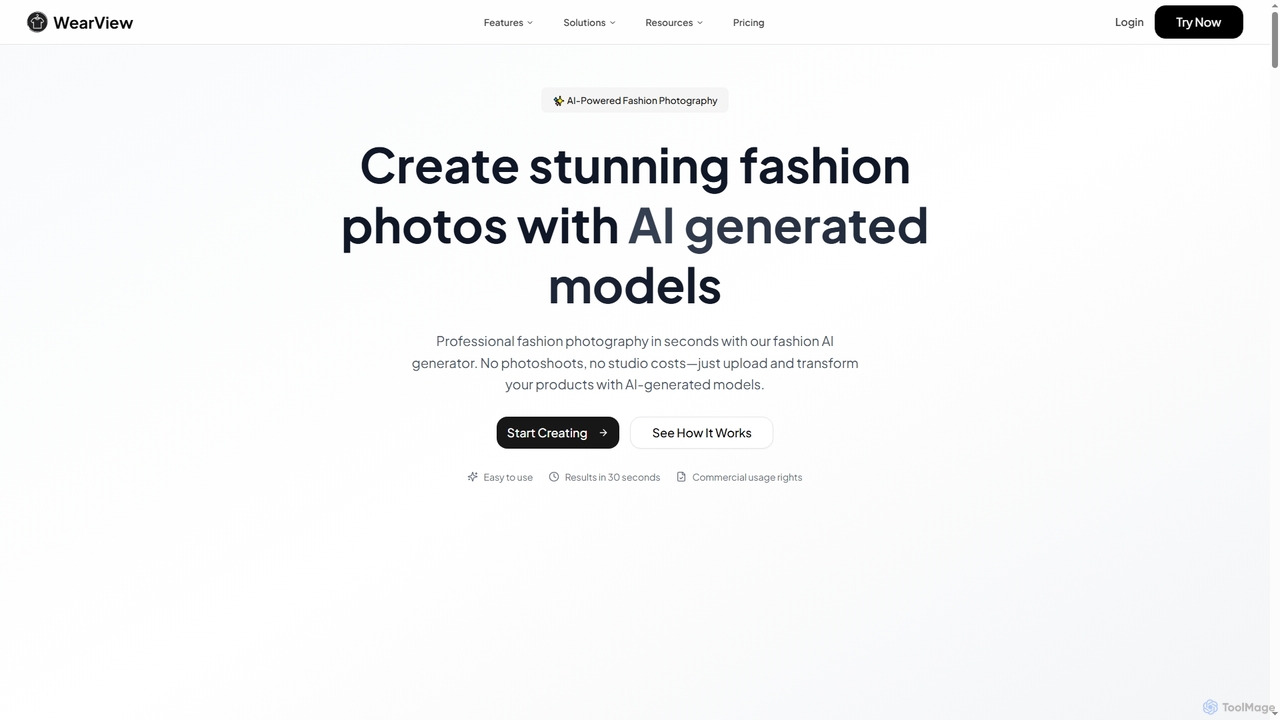
WearView is an AI-powered fashion technology platform that enables users to generate professional fashion photography with AI models in seconds. It eliminates the need for expensive photoshoots, offering virtual try-on, model creation, and product transformation features for e-commerce brands and content creators.

3D
Visits 79.7KFavorites 139Likes 152

About Visuals Generation

Visuals Generation tools are advanced AI-powered platforms designed to automatically create diverse visual content from various inputs. These innovative tools leverage sophisticated machine learning models, such as generative adversarial networks (GANs) and diffusion models, to interpret text descriptions, sketches, or existing images and transform them into entirely new, unique visuals. They represent a pivotal shift within the broader Content Creation category, focusing specifically on the automated synthesis of visual assets. By democratizing access to sophisticated design capabilities, these tools empower users across industries to rapidly produce high-quality images, videos, 3D models, and other visual media without requiring extensive traditional design skills or software expertise.

Core Features

  • Text-to-Image Generation: This fundamental feature allows users to create highly detailed and stylized images simply by providing descriptive text prompts. From realistic landscapes to abstract art, the AI interprets the language to render corresponding visuals.
  • Image-to-Image Transformation: Users can input an existing image and prompt the AI to modify its style, content, or composition, generating variations, applying artistic filters, or even changing elements within the scene.
  • Video & Animation Generation: Beyond static images, many tools can produce short video clips, dynamic animations, or motion graphics from textual descriptions, storyboards, or a sequence of generated images, bringing narratives to life.
  • 3D Asset Creation: For game developers, architects, and product designers, these tools can generate 3D models, textures, or entire environments from textual descriptions or 2D inputs, significantly accelerating the prototyping and asset development pipeline.
  • Style Transfer & Upscaling: Advanced functionalities include applying the artistic style of one image to another, or enhancing the resolution and detail of generated visuals, ensuring high-quality outputs suitable for professional use.

Applicable Scenarios

Visuals Generation tools are invaluable across numerous sectors. Marketers can quickly generate a multitude of diverse ad creatives and social media visuals for A/B testing and campaign launches, significantly reducing design lead times. Game developers utilize them for rapid prototyping of character designs, environment textures, and conceptual art, accelerating the initial stages of game production. Content creators, including bloggers and journalists, can effortlessly produce unique header images, illustrations, and infographics to enhance their articles. Furthermore, e-commerce businesses benefit from generating product mockups and lifestyle images without costly photoshoots, while architects can visualize conceptual designs from simple sketches or text descriptions, streamlining their presentation processes.

How to Choose

When selecting a Visuals Generation tool, several key factors should guide your decision. Prioritize the desired output quality and artistic style, ensuring it aligns with your brand or project aesthetics. Evaluate the flexibility of input methods, checking if it supports text, image, sketch, or 3D model inputs relevant to your workflow. Consider the level of customization and control offered over parameters like composition, lighting, and specific elements. Assess integration capabilities with your existing design software or content management systems, and carefully review the pricing model, subscription tiers, and crucially, the licensing terms for commercial use to ensure compliance and scalability for your specific project requirements.

Featured tool rankings

Visuals Generation use cases

1

Generate Marketing Campaign Visuals

Marketing teams and social media managers can leverage AI Visuals Generation tools to rapidly produce a wide array of ad creatives, banner images, and social media posts. By inputting text prompts describing target audiences, product features, or desired aesthetics, they can generate multiple visual variations for A/B testing, ensuring campaigns are visually engaging and optimized for performance without extensive graphic design resources.

2

Prototype Game Character & Environment Assets

Game developers and concept artists use these tools to accelerate the initial design phase. They can input textual descriptions or rough sketches of characters, creatures, environments, or in-game items to quickly generate diverse concept art and 3D model prototypes. This allows for rapid iteration and exploration of visual styles, significantly speeding up the asset creation pipeline before committing to detailed production.

3

Create E-commerce Product Mockups & Lifestyle Images

E-commerce businesses and product photographers can generate high-quality product mockups and lifestyle images without the need for expensive photoshoots. By uploading product images and providing prompts for desired settings, backgrounds, or scenarios, AI tools can place products into various contexts, creating compelling visuals that enhance product listings and marketing materials, saving time and cost.

4

Illustrate Blog Posts & Articles with Unique Graphics

Content creators, bloggers, and journalists can utilize Visuals Generation tools to produce unique and relevant header images, illustrations, and infographics for their articles. Instead of relying on stock photos or complex design software, they can input keywords or summaries of their content to generate bespoke visuals that capture attention and reinforce their message, making their content more engaging.

5

Visualize Architectural & Interior Design Concepts

Architects, interior designers, and real estate professionals can use AI to quickly visualize conceptual designs. By inputting floor plans, sketches, or textual descriptions of desired styles and materials, these tools can generate realistic or stylized renderings of buildings, rooms, or landscapes. This aids in client presentations, design iterations, and conveying complex ideas visually in early project stages.

6

Develop Storyboards & Pre-visualization for Media Production

Filmmakers, animators, and video producers can employ Visuals Generation tools for rapid storyboarding and pre-visualization. By describing scenes, characters, and actions, they can generate visual sequences that help plan shots, camera angles, and overall narrative flow. This streamlines the pre-production process, allowing creative teams to explore different visual approaches and refine their vision efficiently.

Visuals Generation FAQ

What are AI Visuals Generation tools?

AI Visuals Generation tools are software applications that use artificial intelligence, particularly deep learning models, to automatically create new images, videos, 3D models, or other visual assets. Unlike editing tools, they generate content from scratch based on user inputs like text prompts, sketches, or existing data. They are a subset of Content Creation tools, specifically focused on the automated synthesis of visual media.

How do I choose the right Visuals Generation tool for my needs?

To choose the right tool, consider several factors. First, evaluate the quality and style of the output visuals to ensure they match your aesthetic requirements. Second, check the flexibility of input methods—whether it supports text, image, or 3D prompts. Third, assess the level of customization and control over the generated content. Finally, review the pricing structure, licensing terms for commercial use, and integration capabilities with your existing workflow or software.

What types of visual content can AI generation tools create?

AI Visuals Generation tools can create a wide array of visual content. This includes realistic or artistic images from text (text-to-image), variations or style transfers of existing images, short video clips and animations, and even 3D models or textures for various applications. Some advanced tools can also generate user interfaces, icons, or conceptual designs, expanding the scope of automated visual production.

What are the main benefits of using AI Visuals Generation?

The primary benefits of using AI Visuals Generation tools include significant time and cost savings in content production. They democratize design by enabling users without specialized skills to create high-quality visuals. These tools also foster creativity by allowing rapid iteration and exploration of diverse visual concepts, accelerating prototyping, and providing a constant source of unique, on-demand visual assets for various projects.

How do Visuals Generation tools differ from traditional graphic design software?

Visuals Generation tools differ from traditional graphic design software primarily in their approach. Traditional software (like Photoshop or Illustrator) requires manual manipulation and artistic skill to create or edit visuals. AI generation tools, conversely, automate the creation process, generating content from prompts with minimal manual input. While traditional software offers precise control over every pixel, AI tools excel in speed, scalability, and generating novel concepts, often requiring less technical skill for initial output.